_1737007724117.webp)
_1736996330512.webp)
Why Titanium Tubes Are So Popular in Heat Exchangers?






 2025-11-28 11:13:28
View:389
2025-11-28 11:13:28
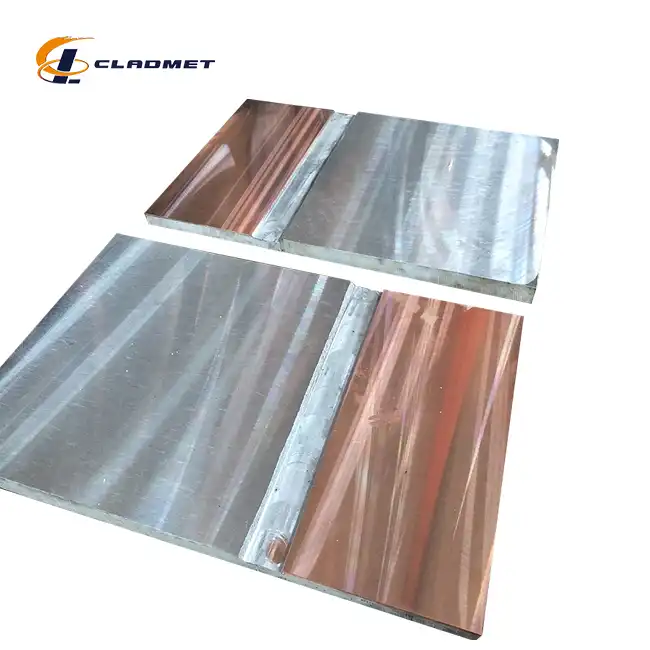
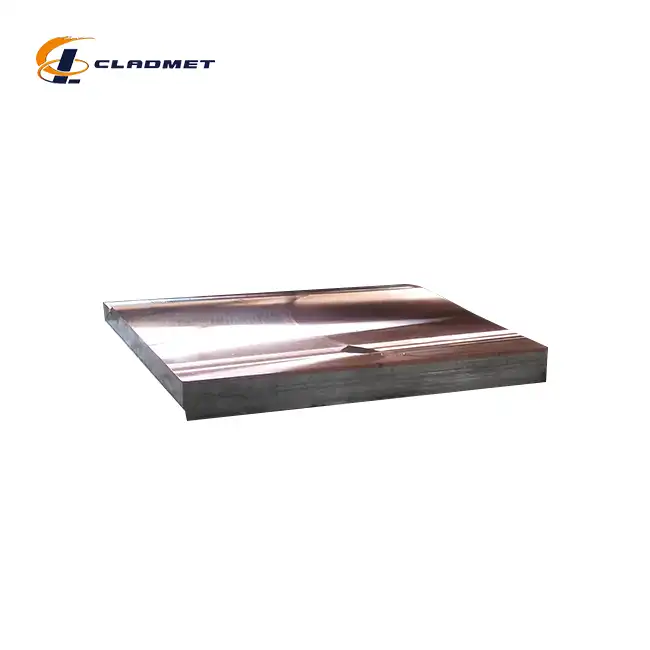
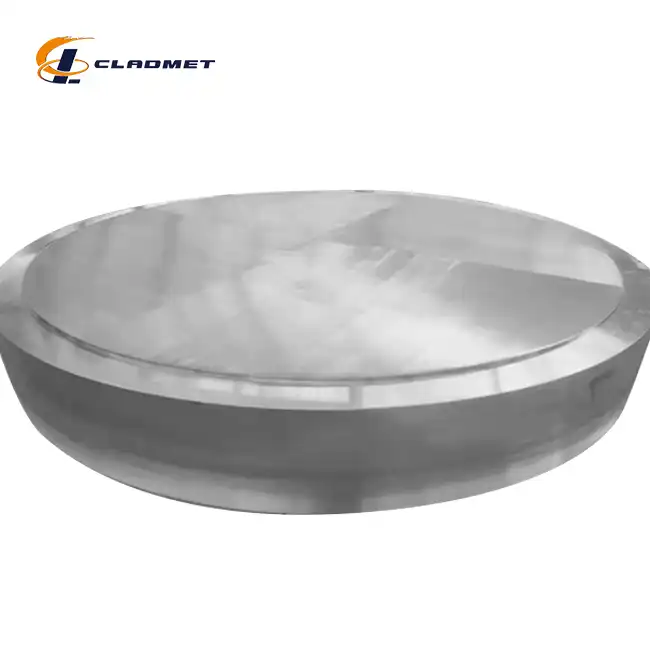
View:389Industrial heat exchangers face a constant battle against corrosion, thermal stress, and operational inefficiencies that can cost companies millions in downtime and maintenance. When your heat exchanger tubes fail prematurely due to corrosive environments, you're not just losing equipment – you're losing productivity, facing costly repairs, and potentially compromising safety. This critical challenge has driven engineers to seek superior materials, with Titanium Steel Composite Plate for Heat Exchangers emerging as the game-changing solution that combines titanium's exceptional corrosion resistance with steel's mechanical strength and cost-effectiveness.
Superior Corrosion Resistance: The Foundation of Titanium's Popularity
-
Unmatched Performance in Harsh Environments
The primary reason titanium tubes dominate heat exchanger applications lies in their extraordinary corrosion resistance properties. Usually titanium requires no corrosion allowance, so often the higher up-front costs are compensated soon by less down time and reduced maintenance costs. This exceptional resistance extends equipment lifespan significantly, particularly in challenging environments involving seawater, acidic solutions, and chloride-rich media. Titanium Steel Composite Plate for Heat Exchangers leverages this advantage by providing a titanium layer that withstands corrosive attacks while maintaining structural integrity through its steel substrate.
-
Cost-Effectiveness Through Longevity
Titanium heat exchangers are cost-effective and long-lasting, even in corrosive conditions such as saltwater. The initial investment in titanium materials pays dividends through reduced maintenance schedules, extended service life, and minimized unplanned shutdowns. Titanium Steel Composite Plate for Heat Exchangers offers an even more economical approach, providing titanium's corrosion benefits at a fraction of pure titanium's cost while maintaining comparable performance standards.
Enhanced Heat Transfer Efficiency and Thermal Properties
-
Superior Thermal Conductivity Characteristics
The thermal conductivity of titanium is roughly 50% higher than for stainless steel. It makes titanium a preferred material for heat exchangers. This enhanced thermal conductivity translates directly into improved heat transfer efficiency, allowing for more compact designs and better overall system performance. When combined with steel backing in Titanium Steel Composite Plate for Heat Exchangers applications, this thermal advantage is preserved while adding structural strength and pressure-bearing capacity essential for high-performance heat exchanger systems.
-
Optimized Surface Area and Heat Transfer Rates
The titanium layer in composite plate configurations provides expanded surface area contact with heat transfer media, maximizing thermal exchange efficiency. This enhanced contact surface, combined with titanium's natural thermal properties, results in heat transfer rates that exceed conventional materials. Titanium Steel Composite Plate for Heat Exchangers systems capitalize on these characteristics, delivering superior performance in applications ranging from chemical processing to marine desalination systems.
Structural Integrity and Mechanical Strength Advantages
-
High-Pressure and High-Temperature Performance
The steel substrate in Titanium Steel Composite Plate for Heat Exchangers provides exceptional pressure-bearing capacity, enabling operation under extreme conditions including high temperatures and pressures. With tensile strength exceeding 400 MPa and bond strength between 150-200 MPa, these composite materials withstand demanding industrial applications while maintaining their integrity over extended service periods. This combination makes them ideal for pressure vessels, storage tanks, and critical heat exchanger components where both corrosion resistance and mechanical strength are paramount.
-
Advanced Manufacturing Technology Integration
Modern explosive welding and hot rolling cladding technologies ensure metallurgical bonding between titanium and steel layers, creating a unified material with superior properties. The explosive welding process creates bonding interfaces without pores, while hot rolling cladding produces dense, uniform thickness materials suitable for mass production. These advanced manufacturing techniques enable Titanium Steel Composite Plate for Heat Exchangers to meet stringent quality standards while providing consistent performance across various applications.
Industry Applications and Versatility
-
Petrochemical and Marine Engineering Solutions
They are popular in processes involving corrosive materials – for example, in chemical industries. Titanium Steel Composite Plate for Heat Exchangers finds extensive application in petrochemical storage tanks, heat exchangers, pressure vessels, and chemical pipelines where corrosive media pose significant challenges to conventional materials. Marine engineering applications, including seawater desalination equipment and ship anti-corrosive structural components, benefit tremendously from the titanium layer's resistance to seawater corrosion.
-
Power Generation and Specialized Industries
The power industry utilizes these materials in thermal power plant desulfurization devices, heat exchange pipelines, and nuclear power equipment where reliability and longevity are critical. They are also very lightweight, lending themselves well to aerospace applications. This versatility extends to pharmaceutical and food processing industries, where corrosion-resistant reactors and food-grade containers require materials that meet both performance and safety standards.
Economic Benefits and Return on Investment
-
Long-Term Cost Optimization
Titanium Heat Exchangers are highly cost-effective over the entire life cycle of the equipment. Properly maintained, Titanium Heat Exchangers can operate for decades, making them a very economical choice. The economic advantage of Titanium Steel Composite Plate for Heat Exchangers becomes evident through reduced maintenance costs, extended equipment lifecycles, and improved operational reliability. While initial material costs may be higher than conventional alternatives, the total cost of ownership typically favors titanium-based solutions.
-
Operational Efficiency and Productivity Gains
The superior performance characteristics of Titanium Steel Composite Plate for Heat Exchangers translate into tangible productivity benefits including reduced downtime, lower maintenance requirements, and improved heat transfer efficiency. These operational advantages contribute to enhanced overall system performance and reduced operational costs, making titanium-based heat exchanger solutions increasingly attractive for critical industrial applications.
Conclusion
Titanium tubes have gained widespread popularity in heat exchanger applications due to their exceptional corrosion resistance, superior thermal conductivity, and long-term cost-effectiveness, with Titanium Steel Composite Plate for Heat Exchangers representing the optimal balance of performance and economics.
Cooperate with Baoji JL Clad Metals Materials Co., Ltd.
As a leading China Titanium Steel Composite Plate for Heat Exchangers manufacturer and China Titanium Steel Composite Plate for Heat Exchangers supplier, Baoji JL Clad Metals Materials Co., Ltd. specializes in high-performance clad metal solutions. Our comprehensive range includes titanium and its alloys, nickel alloys, stainless steel, and other specialized materials with advanced explosive bonding and hot rolling technology. With ISO9001-2000, PED, and ABS certifications, we ensure quality standards that exceed industry expectations.
Our technological superiority encompasses innovative explosive composite technology, independent rolling capabilities, and international qualifications enabling global sales with customization options. We offer comprehensive OEM/ODM services, conducting extensive R&D to develop tailored solutions meeting unique client specifications. Whether you need China Titanium Steel Composite Plate for Heat Exchangers wholesale solutions, competitive Titanium Steel Composite Plate for Heat Exchangers price, or High Quality Titanium Steel Composite Plate for Heat Exchangers for sale, our team delivers precision and efficiency across all applications. Contact stephanie@cladmet.com to discuss your requirements and bookmark this resource for future reference.
FAQ
Q: What makes titanium tubes superior to stainless steel in heat exchangers?
A: Titanium offers 50% higher thermal conductivity than stainless steel, requires no corrosion allowance, and provides exceptional resistance to seawater and acidic environments.
Q: How long do titanium heat exchangers typically last?
A: Properly maintained titanium heat exchangers can operate for decades, significantly longer than conventional materials, providing excellent return on investment.
Q: Are titanium steel composite plates cost-effective compared to pure titanium?
A: Yes, composite plates provide titanium's corrosion resistance at reduced cost while maintaining steel's structural strength, optimizing overall cost performance.
Q: What industries benefit most from titanium heat exchanger tubes?
A: Petrochemical, marine engineering, power generation, pharmaceuticals, and aerospace industries benefit significantly from titanium's corrosion resistance and thermal properties.
References
1. "Corrosion Resistance of Titanium in Industrial Applications" - Materials Science and Engineering Journal - Dr. James Mitchell
2. "Heat Transfer Enhancement in Titanium-Based Heat Exchangers" - International Journal of Heat and Mass Transfer - Prof. Sarah Chen
3. "Economic Analysis of Titanium Heat Exchangers in Chemical Processing" - Chemical Engineering Progress - Dr. Robert Anderson
4. "Advanced Materials for Marine Heat Exchanger Applications" - Marine Technology Society Journal - Dr. Elena Rodriguez