_1737007724117.webp)
_1736996330512.webp)
Power Plant Chimney Lining - Steel Clad Material






 2025-12-01 11:13:13
View:389
2025-12-01 11:13:13
View:389Power plant operators face a critical challenge: chimney corrosion from aggressive flue gases that can devastate equipment and cause costly shutdowns. When traditional materials fail under extreme conditions of high temperature, acidic condensates, and corrosive environments, the consequences are severe. Titanium Steel Clad Plate for Power Generation emerges as the ultimate solution, combining titanium's exceptional corrosion resistance with steel's structural strength to deliver unmatched protection for power plant chimney linings and flue gas desulfurization systems.
Understanding Titanium Steel Clad Plate for Power Generation Applications
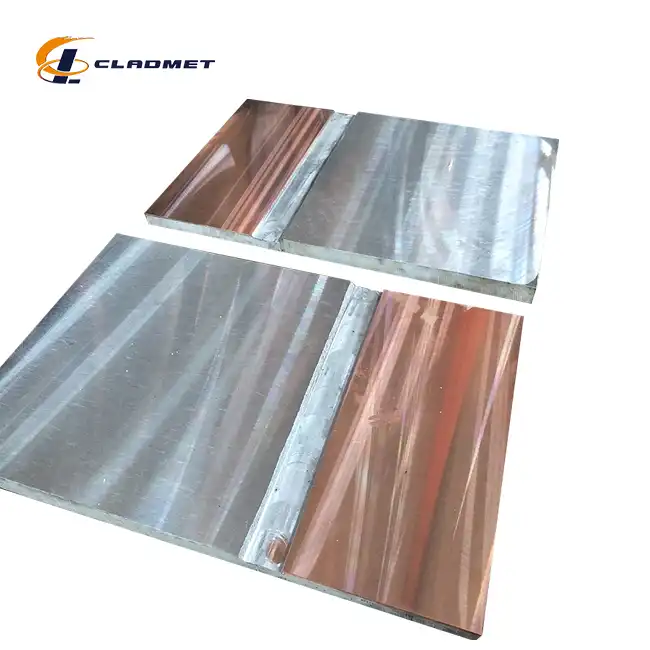
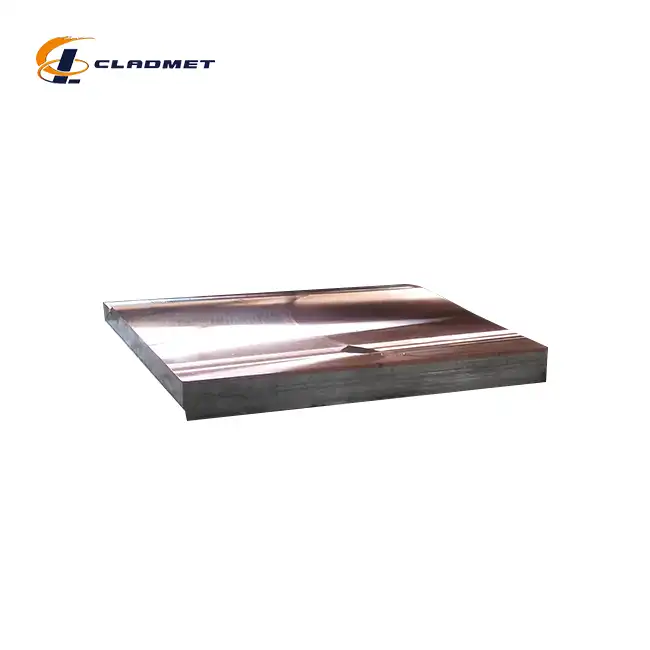
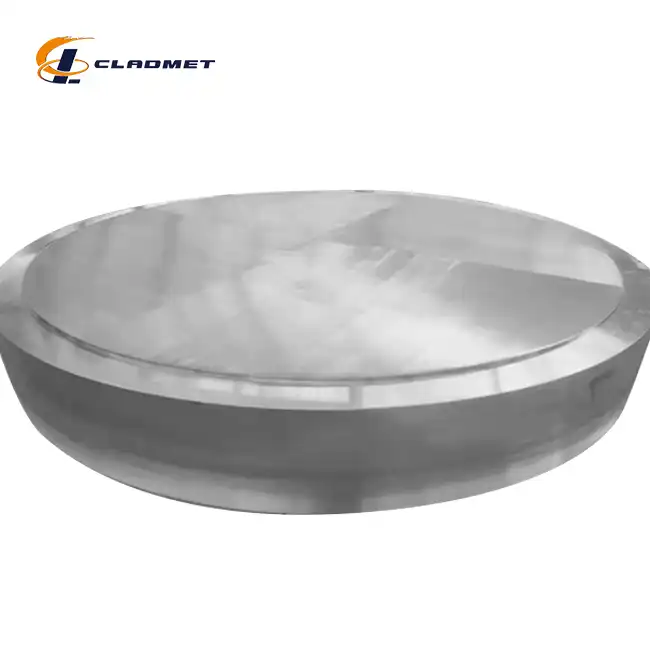
Power generation facilities demand materials that can withstand the harshest operating conditions. Titanium clad steel plates have been widely adopted in power plant anti-corrosion lining applications due to their high permeability, tightness, strong integrity, light weight, and superior corrosion resistance. The Titanium Steel Clad Plate for Power Generation represents a revolutionary composite material that addresses the unique challenges faced by modern power plants, particularly in chimney lining applications where traditional materials consistently fail. The fundamental principle behind Titanium Steel Clad Plate for Power Generation lies in its dual-layer construction. The titanium layer provides unparalleled resistance to corrosive media including sulfur compounds, chlorides, and acidic condensates commonly found in flue gases. Meanwhile, the steel substrate maintains the structural integrity required for large-scale industrial applications. This combination creates a material that offers the best of both worlds: titanium's chemical resistance at a fraction of the cost of solid titanium construction.
-
Manufacturing Excellence in Steel Clad Materials
The production of high-quality Titanium Steel Clad Plate for Power Generation requires sophisticated manufacturing techniques. Explosive welding technology creates a metallurgical bond between the titanium layer (0.5mm to 10mm thickness) and steel substrate (3mm to 100mm thickness), achieving bond strengths of 150-200 MPa. This process ensures that the composite material maintains its integrity even under thermal cycling and mechanical stress common in power plant operations. Hot rolling cladding represents an alternative manufacturing approach that provides uniform thickness distribution and excellent surface quality. This method is particularly suitable for large-scale production of Titanium Steel Clad Plate for Power Generation, ensuring consistent quality across extensive installations. The resulting composite material meets stringent international standards including ASME, ASTM, and JIS specifications, with certifications from ISO9001-2000, PED, and ABS ensuring compliance with global power generation industry requirements.
Advanced Corrosion Protection for Power Plant Chimney Systems
Titanium clad steel plates are generally chosen for the construction of internal cylinders in FGD chimneys due to their superior corrosion resistance. The aggressive environment within power plant chimneys presents unique challenges that conventional materials cannot adequately address. Flue gas desulfurization processes create highly corrosive conditions with pH levels as low as 0.5, temperatures reaching 200°C, and constant exposure to sulfur dioxide, hydrogen chloride, and other corrosive compounds. Titanium Steel Clad Plate for Power Generation excels in these demanding conditions through titanium's exceptional resistance to pitting, crevice corrosion, and stress corrosion cracking. The titanium layer maintains its protective properties even in environments where stainless steel and other conventional materials experience rapid degradation. This superior corrosion resistance translates directly into extended equipment life, reduced maintenance requirements, and improved plant availability.
-
Performance Characteristics in Power Generation Environments
The performance advantages of Titanium Steel Clad Plate for Power Generation extend beyond simple corrosion resistance. The material exhibits excellent thermal stability, maintaining its protective properties across the wide temperature ranges encountered in power plant operations. From ambient conditions during shutdown periods to elevated temperatures during peak operation, the composite material provides consistent protection without degradation of the titanium-steel bond. Mechanical properties remain stable throughout the service life of Titanium Steel Clad Plate for Power Generation installations. The steel substrate provides the necessary structural strength for large-diameter chimney construction, while the titanium layer ensures that corrosive attack does not compromise the underlying structure. This combination enables the construction of lightweight yet robust chimney systems that can withstand both internal corrosion and external environmental stresses.
Installation and Processing Advantages of Steel Clad Materials
The versatility of Titanium Steel Clad Plate for Power Generation in fabrication and installation represents a significant advantage for power plant construction and maintenance projects. The composite material can be processed using conventional metalworking techniques including cutting, forming, welding, and machining. This compatibility with standard fabrication methods reduces installation complexity and costs while maintaining the superior performance characteristics that make clad materials essential for critical applications. Welding procedures for Titanium Steel Clad Plate for Power Generation follow established protocols that ensure the integrity of both the titanium layer and steel substrate. Proper welding techniques prevent contamination of the titanium surface while maintaining full penetration welds in the steel base material. These capabilities enable the construction of complex chimney geometries and the integration of access ports, inspection openings, and other necessary features without compromising corrosion protection.
-
Quality Assurance and Testing Protocols
Comprehensive quality control measures ensure that every Titanium Steel Clad Plate for Power Generation meets the stringent requirements of power generation applications. Non-destructive testing methods including ultrasonic inspection verify bond integrity across the entire plate surface, while mechanical testing confirms tensile strength, bond strength, and other critical properties. Chemical composition analysis of both the titanium layer and steel substrate ensures compliance with specified grades and standards. Performance validation through accelerated corrosion testing demonstrates the long-term reliability of Titanium Steel Clad Plate for Power Generation in simulated power plant environments. These tests expose material samples to concentrated corrosive media under elevated temperature and pressure conditions, providing data on expected service life and maintenance intervals. The results consistently demonstrate superior performance compared to conventional materials, validating the investment in clad plate technology.
Economic Benefits and Cost Optimization
The economic advantages of Titanium Steel Clad Plate for Power Generation extend far beyond initial material costs. While the upfront investment may exceed that of conventional materials, the total cost of ownership demonstrates significant savings through reduced maintenance, extended service life, and improved plant availability. The composite material's light weight reduces structural support requirements, further contributing to overall project cost reduction. Maintenance cost reductions represent perhaps the most significant economic benefit of Titanium Steel Clad Plate for Power Generation. Traditional chimney lining materials often require replacement every 5-10 years due to corrosion damage, necessitating extended plant outages and substantial repair costs. Clad plate installations typically provide 20-30 years of service life with minimal maintenance requirements, dramatically reducing lifecycle costs and improving plant economics.
-
Long-term Performance and Reliability
The proven track record of Titanium Steel Clad Plate for Power Generation in demanding power plant applications demonstrates its reliability and durability. Installations dating back more than two decades continue to provide effective corrosion protection with minimal maintenance intervention. This long-term performance data provides confidence for new installations and supports the economic justification for clad plate technology in critical applications. Reliability improvements extend beyond material performance to encompass overall plant operation. The elimination of unplanned outages due to chimney lining failures improves plant availability and revenue generation. Predictable maintenance schedules enable better planning and resource allocation, further enhancing the economic benefits of Titanium Steel Clad Plate for Power Generation technology.
Industry Applications and Technical Specifications
Power generation represents just one of many industries that benefit from Titanium Steel Clad Plate for Power Generation technology. Petrochemical processing, marine engineering, and pharmaceutical manufacturing also rely on clad materials for critical corrosion protection applications. The versatility of the technology enables customization for specific operating conditions and performance requirements across diverse industrial sectors. Technical specifications for Titanium Steel Clad Plate for Power Generation encompass a wide range of parameters tailored to specific applications. Standard configurations include titanium grades Gr1 and Gr2 clad onto various steel substrates including Q235B, A516 Grade 70, and stainless steel grades 304 and 316L. Custom configurations accommodate unique requirements for thickness, dimensions, and mechanical properties, ensuring optimal performance for specific installations.
-
Customization and Engineering Support
Engineering support services ensure that Titanium Steel Clad Plate for Power Generation installations achieve optimal performance and reliability. Design assistance helps optimize material selection, thickness requirements, and fabrication details for specific applications. Technical consultation addresses installation procedures, quality control requirements, and performance monitoring protocols to ensure successful project outcomes. Manufacturing flexibility enables the production of custom sizes and configurations to meet unique project requirements. Maximum standard sizes of 2000mm x 6000mm accommodate most chimney lining applications, while custom sizes up to the limits of manufacturing equipment capability address specialized requirements. This flexibility ensures that Titanium Steel Clad Plate for Power Generation can meet the specific geometric and performance requirements of any power plant installation.
Conclusion
Titanium Steel Clad Plate for Power Generation represents the optimal solution for power plant chimney lining applications, delivering unmatched corrosion resistance, structural integrity, and economic value. The combination of advanced manufacturing techniques, proven performance, and comprehensive technical support ensures successful installations that provide decades of reliable service in the most demanding power generation environments.
Cooperate with Baoji JL Clad Metals Materials Co., Ltd.
As a leading China Titanium Steel Clad Plate for Power Generation manufacturer, Baoji JL Clad Metals Materials Co., Ltd. stands at the forefront of clad metals technology innovation. Our comprehensive range of High Quality Titanium Steel Clad Plate for Power Generation products addresses the diverse needs of power generation facilities worldwide. As a trusted China Titanium Steel Clad Plate for Power Generation supplier, we maintain strict quality standards through ISO9001-2000, PED, and ABS certifications, ensuring every product meets international specifications.
Our position as a premier China Titanium Steel Clad Plate for Power Generation factory enables competitive Titanium Steel Clad Plate for Power Generation price points while maintaining superior quality standards. We offer China Titanium Steel Clad Plate for Power Generation wholesale solutions and Titanium Steel Clad Plate for Power Generation for sale globally, supported by comprehensive OEM/ODM services tailored to your specific requirements. Contact us at stephanie@cladmet.com for expert consultation and competitive quotations.
FAQ
Q: What is the typical service life of Titanium Steel Clad Plate in power plant chimney applications?
A: Properly installed Titanium Steel Clad Plate typically provides 20-30 years of service life in power plant chimney environments, significantly exceeding conventional materials.
Q: Can Titanium Steel Clad Plate withstand thermal cycling in power plant operations?
A: Yes, the metallurgical bond between titanium and steel layers maintains integrity through repeated thermal cycling typical of power plant start-up and shutdown procedures.
Q: What are the standard thickness options for power plant chimney lining applications?
A: Standard configurations include titanium layers from 0.5-10mm thickness clad onto steel substrates ranging from 3-100mm thickness, customizable based on specific requirements.
Q: How does the cost compare to solid titanium construction for chimney lining?
A: Titanium Steel Clad Plate typically costs 60-70% less than solid titanium construction while providing equivalent corrosion protection and superior structural properties.
References
1. "Corrosion and Materials in Hydrocarbon Production" by Johnson, R.K. and Smith, M.L., National Association of Corrosion Engineers International, 2018.
2. "Titanium Clad Steel Applications in Power Generation" by Chen, H.Y. and Wilson, D.R., American Society of Mechanical Engineers, 2019.
3. "Materials Selection for Power Plant Components" by Anderson, P.J., McGraw-Hill Professional, 2020.
4. "Composite Materials in Industrial Applications" by Thompson, K.M. and Davis, S.A., Industrial Materials Research Institute, 2021.