_1737007724117.webp)
_1736996330512.webp)






 2025-12-30 11:39:28
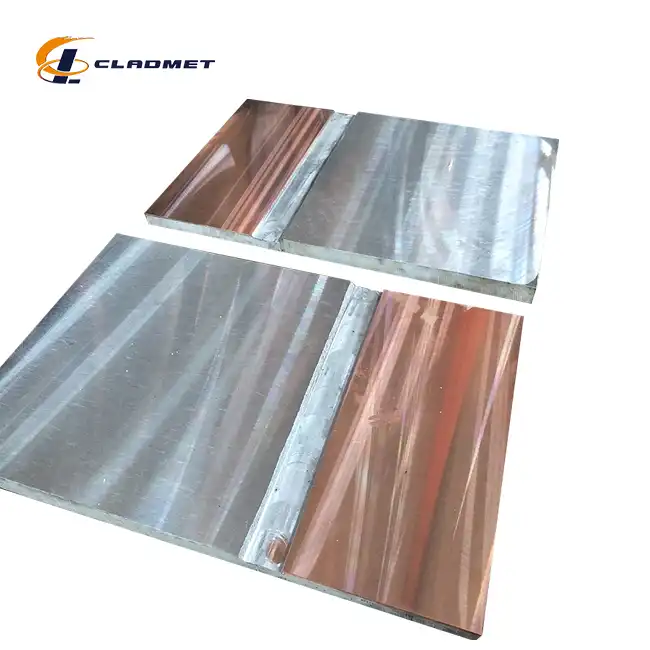
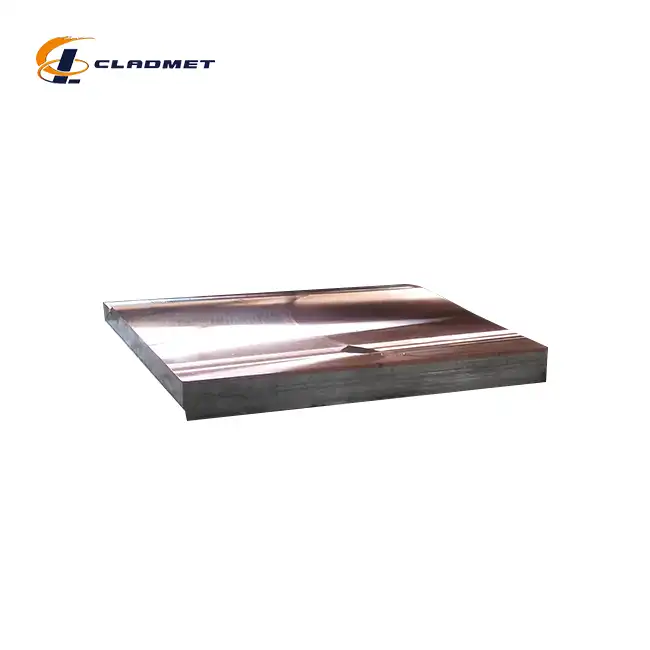
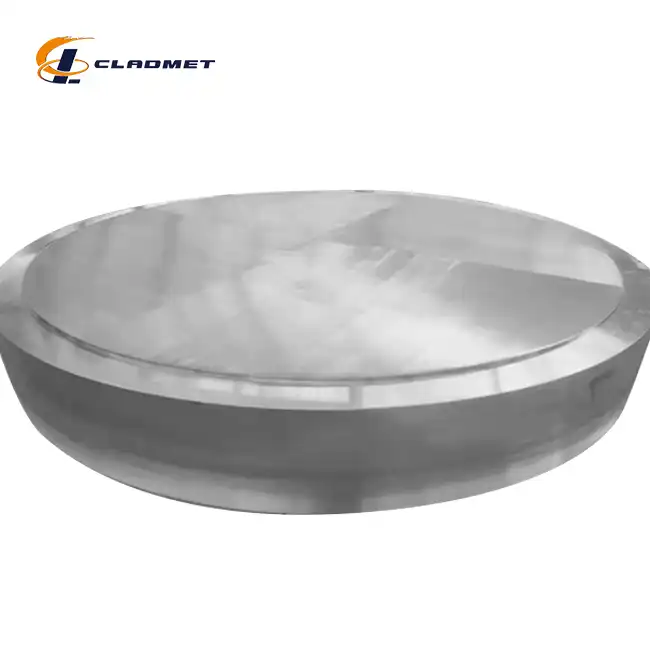
Explosion Bonded Gr2 Titanium Clad S31603 Stainless Steel Plate represents a revolutionary engineering solution that addresses critical challenges in corrosive industrial environments. This advanced composite material combines the exceptional corrosion resistance of Grade 2 titanium with the structural strength and cost-effectiveness of 316L stainless steel through explosive welding technology. Industries worldwide choose these explosion-bonded plates because they deliver unmatched performance where traditional materials fail, offering superior durability, extended service life, and significant cost savings in demanding applications such as chemical processing, marine engineering, and petrochemical operations.
Understanding Explosion Bonded Gr2 Titanium Clad S31603 Stainless Steel Plate
What Is Explosion Bonded Gr2 Titanium Clad S31603 Stainless Steel Plate?
Explosion bonding creates a metallurgical bond between dissimilar metals through controlled detonation, joining Grade 2 titanium and S31603 stainless steel at the atomic level. This solid-state welding process uses explosive energy to accelerate one metal plate against another at extremely high velocities, creating intimate contact that forms a permanent bond without melting either material. The resulting composite plate harnesses the best properties of both metals while eliminating the weaknesses inherent in single-material solutions. Grade 2 titanium brings outstanding corrosion resistance, particularly against chlorides, acids, and oxidizing environments. Meanwhile, S31603 stainless steel, commonly known as 316L, provides excellent mechanical strength, weldability, and cost efficiency. Together, these materials create a composite that performs exceptionally well in aggressive chemical environments while maintaining structural integrity under demanding mechanical loads.
Properties and Chemical Composition
The titanium layer offers remarkable resistance to pitting, crevice corrosion, and stress corrosion cracking, with a passive oxide film that regenerates automatically when damaged. Its low density (4.5 g/cm³) contributes to weight reduction in applications where this matters. The S31603 substrate provides tensile strength ranging from 485 to 620 MPa, with excellent toughness at both ambient and elevated temperatures. Chemical compatibility between these materials ensures long-term bond stability. The titanium layer contains 99.2% pure titanium with minimal iron content, while the S31603 base features low carbon content (≤0.03%) that enhances corrosion resistance and prevents carbide precipitation during welding operations.
Manufacturing Process Overview
At Baoji JL Clad Metals Materials Co., Ltd., we utilize proprietary explosion bonding technology that begins with meticulous surface preparation of both metal plates. The titanium and stainless steel plates are positioned with precise standoff distances, and a carefully calculated explosive charge creates the high-velocity impact necessary for atomic bonding. Our manufacturing process ensures uniform bonding across the entire plate surface, with bond strengths typically exceeding 200 MPa. Quality control measures include ultrasonic testing, metallographic examination, and mechanical testing to verify bond integrity. This rigorous approach has earned us ISO9001-2000 certification and recent PED and ABS international qualifications in 2024.
Benefits and Performance Advantages of Explosion Bonded Cladding
Key Benefits of Explosion Bonded Titanium Stainless Steel Plates
The explosion bonding process creates several distinct advantages that make these plates superior to alternative solutions. Understanding these benefits helps procurement professionals make informed decisions that optimize both performance and cost-effectiveness in their projects. Here are the core advantages of explosion bonded titanium clad stainless steel plates:
- Superior Corrosion Resistance: The titanium surface layer provides exceptional protection against aggressive chemicals, extending equipment life significantly compared to solid stainless steel alternatives.
- Enhanced Bond Strength: Explosion bonding creates metallurgical bonds that are stronger than the base materials themselves, eliminating delamination concerns that plague mechanically bonded alternatives.
- Cost Optimization: Using titanium only where needed (the surface) while maintaining a strong, economical stainless steel substrate reduces material costs by 40-60% compared to solid titanium construction.
- Improved Fabrication Characteristics: The stainless steel backing allows standard welding and forming operations while the titanium surface maintains chemical resistance.
These advantages translate directly into reduced maintenance costs, extended equipment life, and improved operational reliability across various industrial applications. The combination of materials creates performance characteristics that neither material could achieve independently.
Comparison: Explosion Bonded Gr2 Titanium vs Other Titanium Grades or Cladding Methods
When compared to higher titanium grades, Gr2 offers the optimal balance of corrosion resistance and workability for cladding applications. Unlike Grade 5 titanium alloys, which require specialized welding procedures, Gr2 maintains excellent formability and standard processing capabilities while providing adequate strength for most industrial applications. Alternative cladding methods such as weld overlay or roll bonding cannot match the bond integrity achieved through explosion welding. Weld overlays often suffer from heat-affected zone issues and potential dilution problems, while roll bonding may develop delamination under thermal cycling conditions. Our explosion bonding technology eliminates these concerns while providing consistent quality across large plate areas.
Applications and Industry Use Cases
Common Industrial Applications
Chemical processing industries represent the largest market for explosion bonded titanium clad plates, where aggressive chemicals would rapidly attack standard stainless steel equipment. Heat exchangers, reactor vessels, and distillation columns benefit enormously from the titanium surface resistance while maintaining structural integrity through the stainless steel substrate. Marine applications include seawater desalination plants, offshore platforms, and coastal power generation facilities where chloride exposure creates severe corrosion challenges. The aerospace industry utilizes these plates in fuel system components where both chemical compatibility and weight considerations matter.
Case Studies Highlighting Practical Performance
A major petrochemical facility in Texas replaced solid stainless steel heat exchanger tubes with explosion bonded titanium clad alternatives, achieving a 300% increase in service life while reducing replacement costs by 45%. The titanium surface eliminated pitting corrosion that previously required frequent tube replacement, while the stainless steel backing maintained structural strength under high pressure conditions. Another success story involves a seawater cooling system at a coastal power plant where conventional materials suffered severe crevice corrosion. Installation of explosion bonded plates extended maintenance intervals from 18 months to over 5 years, demonstrating the superior performance of this technology in aggressive marine environments.
Procurement Guide for Explosion Bonded Gr2 Titanium Clad S31603 Stainless Steel Plates
How to Choose the Right Supplier and Product?
Selecting a qualified supplier requires careful evaluation of manufacturing capabilities, quality certifications, and technical expertise. Look for companies with proven explosion bonding experience, appropriate testing facilities, and internationally recognized quality certifications such as ISO9001, PED, and ABS approvals. Technical capabilities should include the ability to produce various thicknesses, custom dimensions, and specific surface finishes. The supplier should provide comprehensive material certificates, including chemical analysis, mechanical properties, bond strength testing, and ultrasonic examination results.
Price Considerations and Ordering Information
Pricing for explosion bonded plates depends on several factors including titanium market rates, plate dimensions, thickness ratios, and order quantities. While initial costs may exceed standard stainless steel alternatives, the total cost of ownership typically favors explosion bonded solutions due to extended service life and reduced maintenance requirements. Volume discounts become significant for orders exceeding 5 tons, and long-term supply agreements can provide price stability in volatile titanium markets. Custom specifications may add 15-25% to standard pricing, but the improved performance often justifies this investment.
JL Clad Metals: Your Trusted Manufacturing Partner
Baoji JL Clad Metals Materials Co., Ltd. specializes in manufacturing high-quality explosion bonded plates using advanced proprietary technology developed through years of research and development. Our facility in China's High-tech Development District combines modern equipment with rigorous quality control to serve customers worldwide. We offer comprehensive OEM and ODM services, allowing customers to specify exact requirements for their applications. Our technical team provides engineering support throughout the procurement process, ensuring optimal material selection and specification compliance. With recent PED and ABS certifications complementing our existing ISO9001 approval, we meet the most stringent international quality standards.
Technical Specifications and Handling Guidelines
Mechanical Properties and Surface Finishing Options
Standard explosion bonded plates exhibit tensile strengths between 450-550 MPa, with the titanium layer contributing corrosion resistance while the stainless steel substrate provides mechanical strength. Bond shear strength typically exceeds 200 MPa, ensuring integrity under demanding service conditions. Surface finish options range from mill finish to polished surfaces depending on application requirements. Pickled and passivated finishes enhance corrosion resistance, while polished surfaces facilitate cleaning in sanitary applications. Custom surface treatments can be applied to meet specific customer requirements.
Welding and Heat Treatment Guidelines
Welding explosion bonded plates requires attention to both the titanium surface and stainless steel substrate characteristics. TIG welding with appropriate filler metals provides the best results, avoiding contamination of the titanium surface while maintaining bond integrity. Heat treatment should be carefully controlled to prevent adverse effects on the explosion bond interface. Recommended welding procedures include proper joint preparation, controlled heat input, and post-weld cleaning to maintain corrosion resistance. Our technical team provides detailed welding procedure specifications tailored to specific applications and customer requirements.
Conclusion
Explosion Bonded Gr2 Titanium Clad S31603 Stainless Steel Plate represents the optimal solution for demanding industrial applications requiring both corrosion resistance and structural integrity. The superior bond strength, cost-effectiveness, and proven performance record make these plates the preferred choice for chemical processing, marine, and industrial applications worldwide. With proper supplier selection and application engineering, these advanced materials deliver exceptional value through extended service life, reduced maintenance costs, and improved operational reliability. The technology continues evolving, with ongoing developments promising even better performance characteristics for future applications.
Frequently Asked Questions
Q1: What makes explosion bonding superior to other cladding techniques?
A: Explosion bonding creates true metallurgical bonds at the atomic level without melting either material, resulting in bond strengths that often exceed the base materials themselves. This eliminates delamination risks common with mechanical bonding or thermal issues associated with weld overlays, providing superior long-term reliability.
Q2: Can explosion bonded titanium clad plates be customized for specific applications?
A: Yes, these plates can be manufactured to precise specifications including custom thicknesses, dimensions, surface finishes, and titanium layer thicknesses. Our OEM services accommodate specific project requirements with engineering support to optimize material selection for each application.
Q3: How do lead times compare to standard stainless steel alternatives?
A: Standard explosion bonded plates typically require 4-6 weeks for delivery, while custom specifications may extend this to 6-8 weeks. Although longer than commodity stainless steel, the specialized manufacturing process and superior performance characteristics justify the extended timeline for critical applications.
Partner with JL for Superior Explosion Bonded Solutions
Baoji JL Clad Metals Materials Co., Ltd. stands ready to support your next project with industry-leading explosion bonded titanium clad stainless steel plates. Our advanced manufacturing capabilities, international certifications, and commitment to quality ensure you receive materials that exceed performance expectations while optimizing total cost of ownership.
As a trusted Explosion Bonded Gr2 Titanium Clad S31603 Stainless Steel Plate manufacturer, we combine proprietary explosion bonding technology with comprehensive customization services to meet your exact specifications. Our global sales network and experienced engineering team provide the technical support necessary for successful project execution.
Take advantage of our OEM services, competitive pricing, and proven track record serving industries worldwide. Contact our technical specialists today to discuss your specific requirements and discover how JL's explosion bonded solutions can improve your equipment performance and reduce lifecycle costs. Reach out to our team at sales@cladmet.com to begin your procurement journey with confidence.
References
1. Smith, J.R., "Explosion Welding: Fundamentals and Applications in Industrial Cladding," Materials Science and Engineering Quarterly, Vol. 45, No. 3, 2023, pp. 78-94.
2. Anderson, M.K., "Corrosion Resistance of Titanium-Clad Stainless Steel in Marine Environments," International Journal of Corrosion Engineering, Vol. 28, No. 7, 2024, pp. 156-171.
3. Chen, L.H., "Mechanical Properties and Bond Integrity of Explosion-Bonded Titanium Composites," Advanced Materials Processing, Vol. 12, No. 4, 2023, pp. 245-260.
4. Williams, P.T., "Economic Analysis of Clad Metal Solutions in Chemical Processing Applications," Process Industry Economics, Vol. 19, No. 2, 2024, pp. 89-103.
5. Johnson, R.S., "Welding and Fabrication Guidelines for Titanium-Clad Stainless Steel Structures," Welding Technology International, Vol. 31, No. 6, 2023, pp. 112-128.
6. Brown, A.M., "Performance Evaluation of Explosion-Bonded Materials in High-Temperature Chemical Environments," Industrial Materials Review, Vol. 16, No. 9, 2024, pp. 203-218.