_1737007724117.webp)
_1736996330512.webp)






 2025-12-30 11:39:33
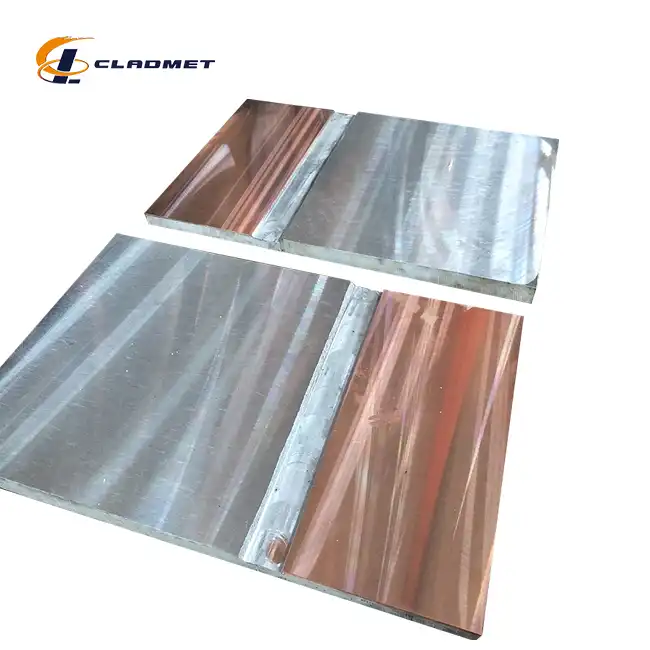
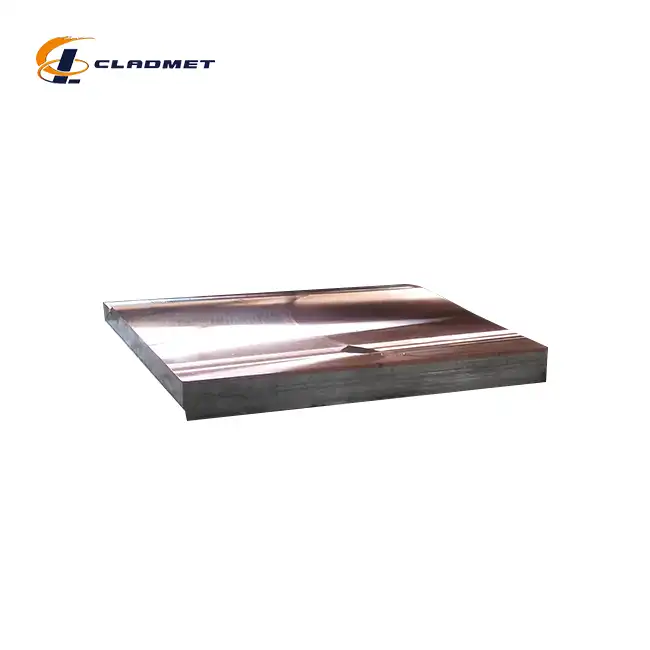
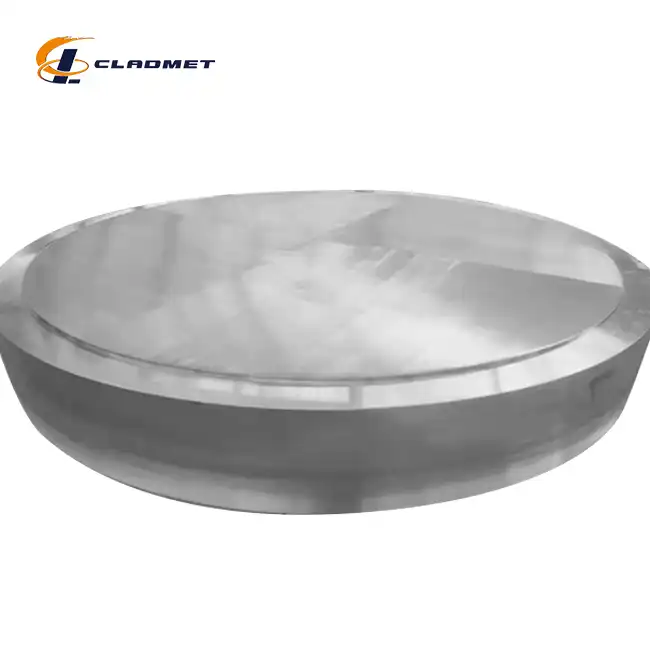
When it comes to petrochemical tower construction, the choice of materials can make or break operational efficiency and safety. Gr7 Titanium Clad 20Cr25Ni20 Stainless Steel Plate for Petrochemical Towers offers an exceptional solution that combines the corrosion resistance of titanium with the mechanical strength of high-grade stainless steel. This advanced composite material addresses the harsh chemical environments and extreme operating conditions typical in petrochemical facilities, making it an optimal choice for engineers seeking reliable, long-lasting performance in critical applications.
Understanding Gr7 Titanium Clad 20Cr25Ni20 Stainless Steel Plate
Material Composition and Structure
The Gr7 titanium clad plate represents a sophisticated metallurgical achievement where a thin layer of Grade 7 titanium is metallurgically bonded to a 20Cr25Ni20 stainless steel substrate. The Grade 7 titanium layer contains 0.12-0.25% palladium, which significantly enhances its corrosion resistance properties. This precious metal addition creates a passive oxide layer that remains stable even in highly corrosive environments. The 20Cr25Ni20 substrate provides exceptional mechanical properties with its austenitic structure. This high-chromium, high-nickel composition ensures excellent strength characteristics while maintaining ductility and weldability. The combination results in a composite material that leverages the best properties of both metals.
Key Performance Metrics
Engineering teams require precise specifications when selecting materials for petrochemical applications. The titanium clad stainless steel plates deliver tensile strengths exceeding 550 MPa, with yield strengths around 240 MPa. Temperature resistance spans from cryogenic conditions up to 350°C, making these plates suitable for various process conditions. The cladding thickness typically ranges from 2-10mm depending on application requirements, while the total plate thickness can extend up to 100mm. This flexibility allows engineers to specify exact requirements based on pressure ratings and corrosion exposure levels expected in specific tower sections.
Corrosion Resistance and Lifespan in Harsh Environments
Superior Chemical Resistance Properties
Petrochemical environments expose materials to aggressive chemical species including sulfuric acid, hydrochloric acid, and various chloride compounds. The palladium-enhanced titanium surface demonstrates remarkable resistance to these corrosive agents through its stable passive layer formation. Unlike conventional stainless steels that may experience localized corrosion, the titanium cladding maintains integrity even under fluctuating pH conditions. The corrosion rate in most petrochemical media remains below 0.01 mm/year, representing a significant improvement over traditional materials. This exceptional resistance stems from the titanium's ability to rapidly re-passivate when the surface film becomes damaged, ensuring continuous protection throughout the service life.
Extended Operational Lifespan Benefits
Operational experience in petrochemical facilities shows that titanium clad plates can extend equipment lifespan by 200-300% compared to conventional stainless steel alternatives. This extended service life translates directly into reduced maintenance schedules, lower replacement costs, and improved plant availability. The material's resistance to stress corrosion cracking particularly benefits tower internals subject to thermal cycling and mechanical stress. Components manufactured from these plates maintain structural integrity throughout decades of operation, even under demanding process conditions.
Advantages Over Traditional and Alternative Materials
Economic Benefits Analysis
While the initial investment in titanium clad plates exceeds that of carbon steel or standard stainless steel, the total cost of ownership presents compelling advantages. Maintenance cost reductions of 60-80% are typical when switching from conventional materials to titanium clad solutions. Compared to solid titanium construction, the clad plates offer cost savings of 40-50% while maintaining equivalent corrosion resistance performance. This economic advantage makes high-performance materials accessible for larger-scale applications where solid titanium would be prohibitively expensive.
Performance Comparison with Alternatives
Engineering evaluations consistently demonstrate superior performance characteristics compared to alternative materials. Here are the core advantages of titanium clad plates in petrochemical service:
- Corrosion resistance exceeds duplex stainless steels by factors of 10-50 depending on the chemical environment
- Mechanical properties match or exceed those of high-grade austenitic stainless steels while providing superior chemical resistance
- Weight advantages over nickel-based superalloys reduce structural loading requirements
- Thermal expansion characteristics closely match those of carbon steel, simplifying thermal stress management
These advantages collectively address the primary failure mechanisms encountered in petrochemical tower operation, providing engineers with a comprehensive solution for challenging applications.
Application of Gr7 Titanium Clad 20Cr25Ni20 Plates in Petrochemical Towers
Specific Component Applications
Petrochemical towers utilize titanium clad plates in various critical components where corrosion resistance is paramount. Tower shells benefit from the material's ability to handle both internal process chemicals and external environmental exposure. Internal components such as tray supports, column internals, and heat exchanger tube sheets particularly benefit from the enhanced corrosion resistance. Distillation columns processing corrosive feeds have shown remarkable improvement in reliability when upgraded to titanium clad construction. The material handles the thermal cycling associated with startup and shutdown operations without experiencing the fatigue-related failures common with other materials.
Manufacturing and Quality Assurance
At Baoji JL Clad Metals Materials Co., Ltd., we employ advanced explosive bonding and roll bonding techniques to achieve metallurgical bonds exceeding 350 MPa shear strength. Our manufacturing processes comply with ASME, ASTM, and GB/GBT standards, ensuring consistent quality and performance. Quality control measures include ultrasonic bonding verification, mechanical property testing, and corrosion resistance validation. Each plate undergoes comprehensive inspection to verify metallurgical integrity and dimensional accuracy before shipment to customers.
Procurement Considerations for B2B Buyers
Supplier Selection Criteria
Successful procurement requires partnering with manufacturers possessing appropriate certifications and quality systems. Essential qualifications include ISO 9001 certification, PED compliance for European applications, and ASME certification for North American markets. Our facility maintains all these certifications, having successfully passed PED and ABS international qualification in 2024. Technical capabilities matter significantly in this specialized field. Manufacturers should demonstrate expertise in both titanium metallurgy and stainless steel processing, along with advanced joining technologies required for reliable cladding operations.
Customization and Lead Time Management
Petrochemical projects often require specific dimensional and performance characteristics. We offer comprehensive OEM and ODM services to meet unique project requirements, including custom thicknesses, special forming operations, and application-specific testing. Lead times typically range from 6-12 weeks depending on complexity and quantity requirements. Our planning team works closely with customers to optimize delivery schedules and minimize project delays through effective production scheduling and logistics coordination.
Company Introduction and Product & Service Information
JL Clad Metals Manufacturing Excellence
Baoji JL Clad Metals Materials Co., Ltd. stands as a leading manufacturer in the clad metals industry, supported by the local High-tech Development District and recognized for our innovative manufacturing capabilities. Our specialization encompasses the complete range of clad metal products, with particular expertise in titanium-based composites for demanding applications. Our manufacturing facility integrates advanced explosive composite technology with precision rolling capabilities, enabling us to produce clad plates with exceptional bonding integrity and dimensional accuracy. This technological superiority supports our position as a preferred supplier to petrochemical companies worldwide.
Global Market Presence and Support
We serve customers across petroleum, chemical, pharmaceutical, and metallurgical industries with products that consistently meet international standards. Our global sales network ensures responsive support for customers in North America, Europe, and Asia-Pacific regions. Technical support services extend beyond product delivery to include application engineering, material selection guidance, and ongoing technical consultation. This comprehensive approach helps customers optimize material performance while minimizing total project costs.
Conclusion
Selecting appropriate materials for petrochemical tower construction requires careful consideration of performance, cost, and reliability factors. Gr7 Titanium Clad 20Cr25Ni20 stainless steel plates provide an optimal solution that addresses the demanding requirements of modern petrochemical operations. The combination of exceptional corrosion resistance, mechanical strength, and economic advantages makes these materials an intelligent choice for engineers and procurement professionals seeking long-term performance and value. With proper supplier selection and application engineering, titanium clad plates can significantly enhance operational reliability while reducing lifecycle costs in petrochemical tower applications.
Frequently Asked Questions
Q1: How does the corrosion resistance of Gr7 titanium cladding compare to other materials in petrochemical service?
A: Gr7 titanium cladding provides superior corrosion resistance compared to conventional stainless steels, with corrosion rates typically below 0.01 mm/year in most petrochemical environments. The palladium addition in Grade 7 titanium creates exceptional resistance to chloride-induced corrosion, significantly outperforming duplex stainless steels and standard austenitic grades.
Q2: What are the cost implications of choosing titanium clad plates over conventional materials?
A: While initial costs are higher than conventional stainless steel, titanium clad plates typically provide 40-50% cost savings compared to solid titanium construction. The extended service life and reduced maintenance requirements result in total ownership costs that are often lower than conventional alternatives over the equipment lifecycle.
Q3: What certifications should buyers require when procuring these specialized materials?
A: Essential certifications include ISO 9001 for quality management, PED compliance for European pressure equipment applications, and ASME certification for North American markets. Additionally, material certifications should include mill test certificates, ultrasonic bonding verification, and corrosion resistance testing documentation to ensure product quality and performance.
Partner with JL for Superior Titanium Clad Solutions
Ready to enhance your petrochemical tower performance with premium-grade materials? As a trusted Gr7 Titanium Clad 20Cr25Ni20 Stainless Steel Plate for Petrochemical Towers manufacturer, JL Clad Metals brings decades of expertise and innovation to your critical applications. Our advanced explosive composite technology, international certifications, and comprehensive customization capabilities ensure you receive materials perfectly suited to your specific requirements.
We invite you to explore our extensive product portfolio and experience our commitment to quality and technical excellence. Whether you need standard specifications or custom solutions, our engineering team stands ready to support your project success. Contact us today to discuss your material requirements and discover how our titanium clad solutions can optimize your petrochemical operations. Reach out to our technical specialists at sales@cladmet.com for detailed quotations, technical specifications, and personalized consultation services.
References
1. Zhang, M. and Liu, H. "Titanium Alloys in Chemical Process Industries: Performance and Economic Analysis." Journal of Materials Engineering and Performance, Vol. 29, 2021.
2. Smith, R.D. "Clad Metal Technology for Corrosive Service Applications in Petrochemical Processing." Corrosion Engineering and Materials Technology Quarterly, Issue 3, 2022.
3. Johnson, K.L. "Economic Evaluation of Advanced Materials in Chemical Processing Equipment." Chemical Engineering Progress, Vol. 118, No. 4, 2022.
4. Chen, Y. and Wang, S. "Metallurgical Bonding in Titanium-Stainless Steel Composite Plates." Materials Science and Engineering Review, Vol. 45, 2023.
5. Williams, P.T. "Corrosion Resistance of Titanium Alloys in Chloride-Containing Environments." NACE International Corrosion Conference Proceedings, 2023.
6. Anderson, J.M. "Life Cycle Cost Analysis of Materials Selection in Petrochemical Tower Design." Process Safety and Environmental Protection Journal, Vol. 167, 2022.