_1737007724117.webp)
_1736996330512.webp)






 2025-12-30 11:39:36
Choosing Titanium Steel Clad Plate for Desalination Equipment represents one of the most strategic decisions procurement managers face when building reliable water treatment systems. Desalination plants operate under extreme conditions, where aggressive saline environments constantly attack metal components, leading to premature failures and costly downtime. The selection of appropriate materials determines whether your equipment performs efficiently for decades or requires frequent replacements. Titanium steel clad plates have emerged as the preferred solution, combining the exceptional corrosion resistance of titanium with the mechanical strength and cost-effectiveness of steel substrates. Modern desalination facilities require materials that withstand chloride-induced corrosion while maintaining structural integrity under high temperatures and pressures. Engineers increasingly recognize that traditional materials like carbon steel or conventional stainless steel fall short in these demanding applications. Material selection directly impacts operational efficiency, maintenance costs, and plant lifespan, making it crucial to understand why clad plate technology offers superior performance.
Understanding Titanium Steel Clad Plates in Desalination
Titanium steel clad plates represent an innovative engineering solution that addresses the complex challenges of desalination environments. These specialized materials combine a corrosion-resistant titanium layer metallurgically bonded to a robust steel substrate, creating an optimal balance of performance characteristics essential for water treatment applications.
What Is Titanium Steel Clad Plate?
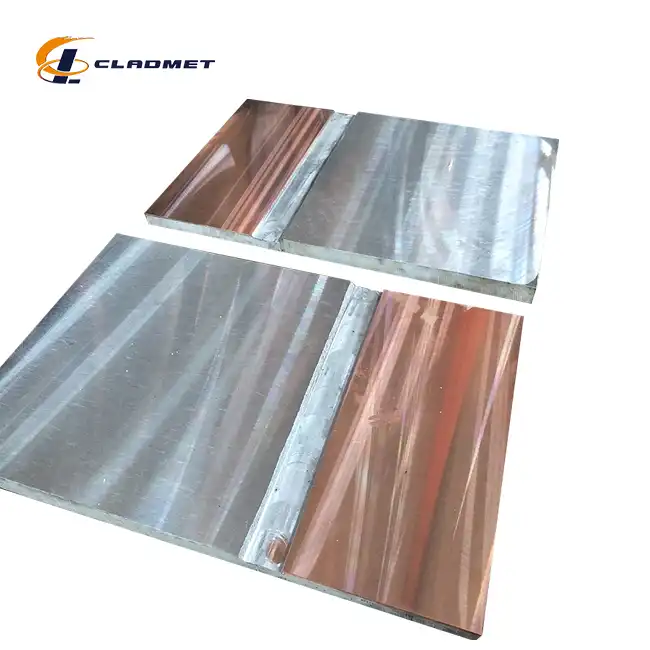
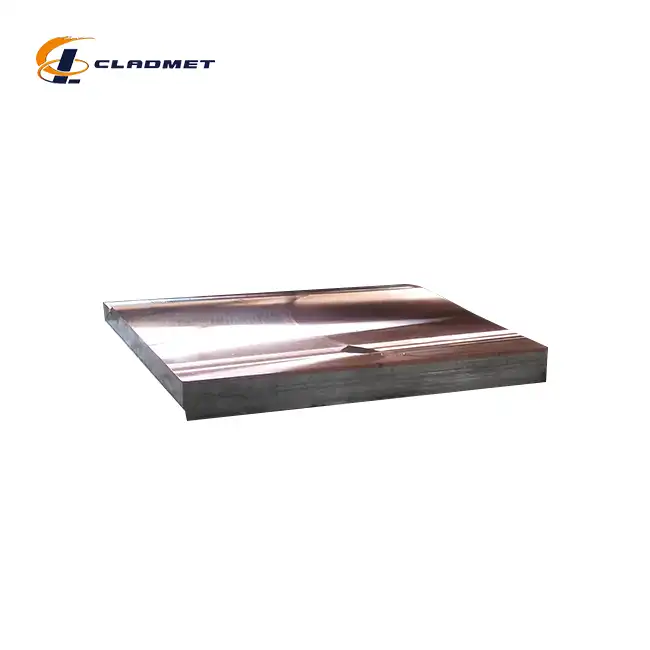
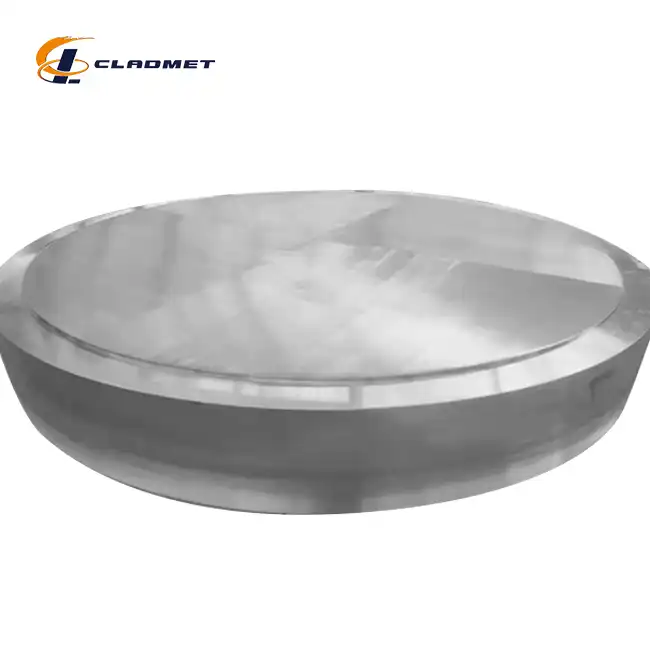
A titanium steel clad plate consists of two distinct layers permanently joined through advanced metallurgical processes. The outer titanium layer provides exceptional corrosion resistance, while the steel base delivers mechanical strength and structural support. This composite structure eliminates the need for expensive solid titanium components while maintaining superior performance in harsh environments. The manufacturing process creates a metallurgical bond between materials, ensuring the layers function as a single unit rather than separate components. This bonding technology prevents delamination and maintains structural integrity throughout the equipment's operational life. The typical thickness ratio places titanium at 10-20% of the total plate thickness, optimizing both performance and cost-effectiveness.
Key Properties and Benefits for Desalination
The unique properties of clad plates make them exceptionally suited for desalination applications. Corrosion resistance stands as the primary advantage, with titanium's passive oxide layer providing outstanding protection against chloride attack, pitting, and crevice corrosion. This resistance remains stable across wide temperature ranges and varying salinity levels. Mechanical strength derives from the steel substrate, which handles structural loads, pressure stresses, and thermal expansion. The combination delivers tensile strength comparable to high-grade steel while maintaining titanium's chemical inertness. Thermal stability ensures consistent performance during temperature fluctuations common in multi-effect distillation and reverse osmosis systems.
How Titanium Steel Clad Plates Function in Desalination Equipment
Within desalination systems, clad plates serve critical roles in components exposed to aggressive media. Heat exchangers benefit from the titanium surface's resistance to scaling and corrosion while the steel backing provides structural support for high-pressure operations. Evaporator vessels utilize clad plates in areas where seawater concentrates create particularly corrosive conditions. Piping systems incorporating clad plates experience extended service life and reduced maintenance requirements. The titanium surface prevents chloride penetration that typically causes stress corrosion cracking in conventional materials. This protection extends equipment reliability and minimizes unplanned shutdowns that disrupt water production schedules.
Comparing Titanium Steel Clad Plates with Alternative Materials
Material selection decisions require comprehensive analysis of performance, cost, and lifecycle factors. Understanding how clad plates compare with alternative materials helps procurement managers make informed choices that optimize both operational performance and financial returns.
Titanium Steel Clad Plates vs Pure Titanium
Pure titanium offers unmatched corrosion resistance but comes with significant cost penalties and mechanical limitations. Solid titanium components can cost 3-5 times more than equivalent clad plate solutions while providing unnecessary corrosion protection throughout the entire thickness. The steel backing in clad plates delivers superior mechanical properties, including higher yield strength and better fatigue resistance. Manufacturing advantages also favor clad plates, as steel substrates accommodate standard welding procedures and fabrication techniques. Pure titanium requires specialized welding equipment and inert atmosphere protection, increasing both equipment costs and fabrication complexity. Lifecycle considerations show clad plates achieving similar service life at substantially lower initial investment.
Titanium Steel Clad Plates vs Duplex Stainless Steel
Duplex stainless steels provide improved corrosion resistance over conventional grades but remain vulnerable to chloride-induced failures in concentrated brine environments. Clad plates eliminate these vulnerabilities through the titanium surface layer, which maintains passivity even under extreme conditions. Strength characteristics favor duplex steels in some applications, but clad plates offer superior bonding integrity and predictable performance. Fabrication considerations show mixed advantages, with duplex steels requiring careful heat treatment to maintain properties while clad plates need specialized welding techniques to preserve the titanium layer. Long-term maintenance costs typically favor clad plates due to their superior resistance to localized corrosion modes that commonly affect duplex stainless steels in seawater service.
Advantages Over Other Clad Plate Variants
Titanium clad plates outperform other clad combinations like nickel alloy or stainless steel cladding in desalination applications. The titanium surface provides unmatched resistance to pitting, crevice corrosion, and stress corrosion cracking that affect alternative cladding materials. Superior bonding technology ensures reliable adhesion between layers throughout thermal cycling and mechanical stress. Industry certifications validate the performance advantages, with major classification societies approving titanium clad plates for the most demanding seawater applications. Quality assurance protocols ensure consistent metallurgical bonding and surface properties that maintain performance standards throughout equipment life.
Selecting the Right Titanium Steel Clad Plate for Your Desalination Plant
Successful procurement requires careful evaluation of technical specifications, supply chain considerations, and supplier capabilities. Making the right choice involves balancing performance requirements with practical constraints like budget, schedule, and availability.
Factors to Consider in Procurement
Grade selection begins with understanding the specific corrosion environment and mechanical requirements of each application. Standard titanium grades like Grade 1 or Grade 2 suit most desalination applications, while more aggressive conditions may require higher alloy grades. Plate thickness and dimensions must align with engineering designs while considering standard manufacturing capabilities and lead times. Lead times for clad plates typically range from 8-16 weeks depending on specifications and quantity. Minimum order quantities reflect the specialized nature of the manufacturing process, with most suppliers requiring orders of several tons. Shipping logistics become important for large plates that may require special handling and transportation arrangements.
Cost Analysis and Value Proposition
Price analysis should consider both initial costs and lifecycle value. Clad plates typically cost 40-60% of equivalent solid titanium while delivering similar corrosion performance. Bulk order discounts can reduce costs by 10-15% for large projects, making volume procurement advantageous for multi-unit installations. Return on investment calculations must include reduced maintenance costs, extended equipment life, and improved reliability. Studies show clad plate installations achieving 20-30 year service life with minimal maintenance, compared to 5-10 years for conventional materials. Total cost of ownership analysis consistently favors clad plates despite higher initial investment.
Trusted Suppliers and Manufacturer Selection Criteria
Supplier evaluation requires assessing manufacturing capabilities, quality systems, and industry experience. Look for manufacturers with ISO 9001 certification and specific experience in clad plate production. PED and ABS certifications indicate compliance with international pressure vessel standards essential for desalination equipment. OEM partnerships and after-sales support demonstrate supplier commitment to long-term customer relationships. Reliable suppliers provide technical consultation during design phases and responsive support throughout equipment life. Customer references from similar applications provide valuable insights into supplier performance and product reliability.
Manufacturing Process and Quality Assurance of Titanium Steel Clad Plates
Manufacturing quality directly impacts the performance and reliability of clad plates in demanding desalination environments. Understanding production processes and quality measures helps procurement managers evaluate suppliers and specify appropriate requirements.
Overview of Cladding Manufacturing Techniques
Explosion welding represents the most common cladding method, using controlled explosive energy to create metallurgical bonding between titanium and steel layers. This process achieves excellent bond strength and uniform adhesion across large plate areas. Roll bonding offers an alternative approach, using high pressure and temperature to forge the metallurgical connection. Quality control checkpoints throughout manufacturing ensure consistent results. Bond strength testing verifies adhesion quality, while ultrasonic inspection detects any discontinuities or weak areas. Surface quality assessment ensures the titanium layer maintains proper thickness and finish for optimal corrosion resistance. Testing standards like ASTM B898 provide guidelines for evaluating clad plate quality and performance characteristics.
Ensuring Corrosion Resistance and Mechanical Integrity
Post-cladding treatments optimize surface properties and remove any processing contaminants that could affect corrosion resistance. Surface finishing operations ensure proper surface roughness and remove any embedded particles from the manufacturing process. Heat treatment may be applied to relieve residual stresses and optimize metallurgical properties. Bond strength testing validates the integrity of the titanium-steel interface through both destructive and non-destructive methods. Bend testing confirms the bond can withstand forming operations without delamination. Corrosion testing in simulated seawater environments verifies the titanium surface maintains protective properties under service conditions.
Innovations and Future Manufacturing Trends
Advanced metallurgical processes continue improving clad plate quality and expanding application possibilities. Friction welding techniques offer precise control over bonding parameters, potentially improving consistency and reducing production costs. Additive manufacturing research explores possibilities for creating graded compositions that optimize material properties throughout the thickness. Environmental considerations drive development of more sustainable production methods. Energy-efficient processes reduce manufacturing carbon footprint while recycling programs capture and reuse titanium and steel materials. These improvements support the growing emphasis on sustainable desalination infrastructure.
Applications and Lifespan of Titanium Steel Clad Plates in Water Treatment
Understanding specific applications and expected performance helps justify the investment in clad plate technology. Real-world experience demonstrates the reliability and cost-effectiveness of these materials in demanding desalination environments.
Key Desalination Equipment Integrating Clad Plates
Heat exchangers represent the largest application area, where clad plates form tube sheets, channel heads, and shell components exposed to seawater. Multi-effect distillation plants utilize clad plates in evaporator vessels where concentrated brine creates severe corrosion conditions. Reverse osmosis systems incorporate clad components in high-pressure vessels and piping exposed to treated seawater. Condenser shells benefit from clad plate construction in areas where cooling water creates corrosive conditions. Piping systems use clad plates for flanges, fittings, and vessel nozzles where standard materials prove inadequate. Storage tanks and surge vessels utilize clad construction to handle varying water qualities and prevent contamination.
Expected Lifespan and Performance Metrics
Typical service duration under standard operating conditions ranges from 20-30 years with proper maintenance. Case studies from operating plants demonstrate consistent performance throughout this period with minimal degradation. Corrosion rates on titanium surfaces remain negligible even after decades of seawater exposure. Performance metrics show clad plate installations maintaining design efficiency throughout their service life. Heat transfer coefficients remain stable due to the titanium surface's resistance to fouling and scaling. Pressure integrity tests confirm the steel substrate maintains structural properties while the titanium layer provides ongoing corrosion protection.
Maintenance Best Practices to Maximize Service Life
Inspection protocols should focus on the titanium surface condition and bond line integrity. Visual inspection can identify any surface damage or contamination that might affect corrosion resistance. Ultrasonic testing periodically verifies bond line integrity and detects any developing issues. Repair strategies emphasize protecting the titanium layer during maintenance activities. Welding procedures must use appropriate techniques to maintain clad properties. Replacement planning should consider partial replacement options that can extend overall equipment life while minimizing costs and downtime.
Partner with JL for Premium Titanium Steel Clad Plate Solutions
Baoji JL Clad Metals Materials Co., Ltd. stands as your trusted Titanium Steel Clad Plate for Desalination Equipment supplier, delivering innovative solutions that transform water treatment operations. Our independent explosive composite technology creates superior metallurgical bonds that withstand the harshest desalination environments. We manufacture clad plates using self-rolling techniques that ensure consistent quality and optimal performance characteristics.
Our comprehensive OEM and ODM services customize solutions to meet your specific project requirements. Whether you need specialized dimensions, grades, or processing, our engineering team collaborates with you throughout the design and manufacturing process. We hold ISO9001-2000 certification along with PED and ABS international qualifications that validate our commitment to quality and safety standards.
Take advantage of our global supply capabilities and technical expertise to enhance your desalination project success. Our R&D team continues developing innovative solutions while our manufacturing facilities ensure reliable delivery schedules. Contact us at sales@cladmet.com to discuss your specific requirements and discover how our titanium steel clad plates can improve your equipment performance and lifecycle costs.
Conclusion
Titanium steel clad plates represent the optimal material choice for desalination equipment, combining exceptional corrosion resistance with mechanical strength and cost-effectiveness. The evidence clearly demonstrates their superiority over alternative materials in harsh seawater environments. Proper selection and supplier evaluation ensure successful implementation that delivers decades of reliable service. The technology continues advancing while proven applications validate the performance benefits. Investment in quality clad plates pays dividends through extended equipment life, reduced maintenance costs, and improved operational reliability.
Frequently Asked Questions
Q1: Why is corrosion resistance critical for materials used in desalination equipment?
A: Desalination equipment operates in highly saline environments that aggressively corrode metals through chloride attack, pitting, and stress corrosion cracking. The concentrated brine solutions and elevated temperatures accelerate these corrosion processes. Titanium steel clad plates provide exceptional resistance to all forms of seawater corrosion, ensuring system longevity and preventing premature failures that disrupt water production.
Q2: How does the cost of titanium steel clad plates compare with pure titanium or stainless steel options?
A: Titanium steel clad plates typically cost 40-60% of equivalent solid titanium components while delivering comparable corrosion performance. Compared to high-grade stainless steels, clad plates have higher initial costs but provide superior long-term value through extended service life and reduced maintenance requirements. Total cost of ownership analysis consistently favors clad plates despite the premium initial investment.
Q3: Can titanium steel clad plates be customized to specific project requirements?
A: Yes, clad plates can be manufactured in various thicknesses, sizes, and titanium grades to meet precise engineering specifications. Customization options include different steel substrate grades, titanium layer thickness, surface finishes, and forming requirements. Leading manufacturers like JL offer comprehensive OEM services to develop solutions tailored to specific operational needs and design constraints.
References
1. American Society of Mechanical Engineers. "ASME Boiler and Pressure Vessel Code Section II: Materials Specifications for Clad Plates." 2023 Edition.
2. International Desalination Association. "Materials Selection Guidelines for Seawater Desalination Equipment." Technical Report Series, Volume 12, 2022.
3. Zhang, L., et al. "Corrosion Performance of Titanium Clad Steel in Concentrated Brine Environments." Journal of Materials Engineering and Performance, Vol. 31, No. 8, 2022, pp. 6234-6245.
4. European Committee for Standardization. "EN 13445: Unfired Pressure Vessels - Part 2: Materials for Clad Construction." CEN Standards Publication, 2021.
5. Rahman, A.K. and Thompson, M.J. "Lifecycle Cost Analysis of Materials in Thermal Desalination Plants." Desalination and Water Treatment, Vol. 248, 2022, pp. 158-170.
6. Miller, R.D. "Explosive Welding Technology for Titanium-Steel Clad Plate Manufacturing." Welding Journal, Vol. 101, No. 4, 2022, pp. 112-125.