_1737007724117.webp)
_1736996330512.webp)






 2025-12-24 09:11:28
Titanium Clad Stainless Steel Plate for Cryogenic Applications represents the pinnacle of engineering materials designed for extreme cold environments. These innovative composite materials combine titanium's exceptional corrosion resistance with stainless steel's structural integrity, creating solutions that withstand temperatures as low as -269°C while maintaining superior mechanical properties. Industries ranging from LNG processing to aerospace applications increasingly rely on these advanced materials to ensure operational safety, reduce maintenance costs, and achieve long-term performance reliability in the most demanding cryogenic conditions.
Understanding Titanium Clad Stainless Steel Plates in Cryogenics
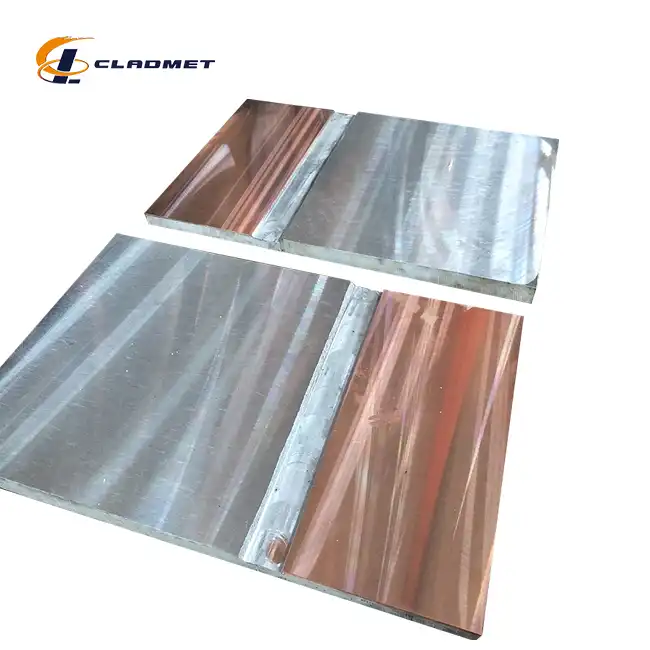
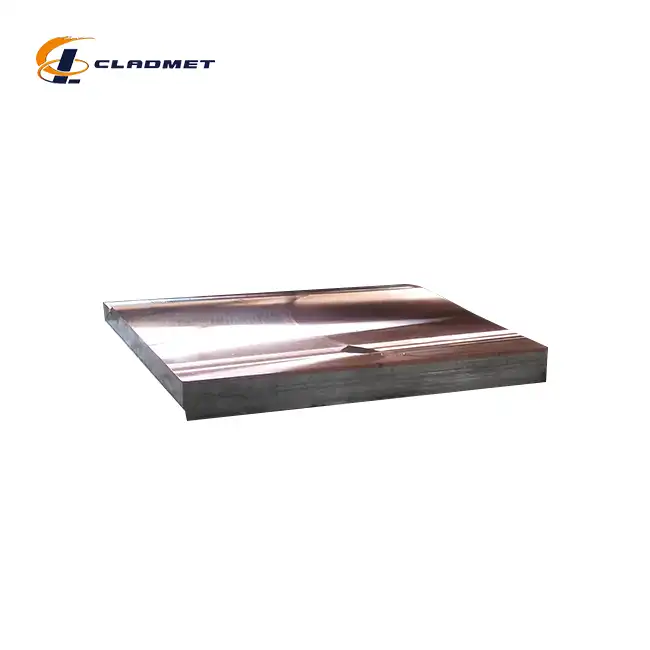
Titanium clad stainless steel plates represent a sophisticated fusion of metallurgical excellence, combining the cost-effectiveness of stainless steel substrates with the superior corrosion resistance of titanium cladding. The manufacturing process involves bonding a thin titanium layer to a stainless steel base through advanced techniques such as explosive welding or roll bonding, creating a material that leverages the strengths of both metals.
Fundamental Composition and Cladding Process
The cladding process creates a metallurgical bond between titanium and stainless steel that withstands extreme thermal cycling. During explosive welding, controlled explosions create high-velocity impacts that forge the metals together at the molecular level. This process ensures complete adhesion without compromising the individual properties of either material. Roll bonding, an alternative method, uses high pressure and temperature to achieve similar results with greater control over thickness uniformity.
Cryogenic Performance Characteristics
At ultra-low temperatures, these composite plates maintain exceptional mechanical properties that surpass traditional materials. The titanium surface prevents brittle fracture while the stainless steel core provides structural support. Testing reveals that properly manufactured titanium clad plates retain over 90% of their room-temperature tensile strength even at -196°C, making them ideal for liquid nitrogen and LNG applications.
Key Benefits of Using Titanium Clad Stainless Steel Plates for Cryogenic Applications
The strategic advantages of implementing titanium clad solutions in cryogenic environments extend far beyond initial material costs. These benefits compound over operational lifecycles, delivering substantial returns on investment through reduced downtime, lower maintenance requirements, and enhanced safety margins.
Enhanced Durability and Service Life
Titanium's natural oxide layer provides unmatched protection against corrosive cryogenic chemicals and environmental factors. Case studies from LNG facilities demonstrate service lives exceeding 25 years without significant degradation, compared to 10-15 years for conventional stainless steel alternatives. This extended longevity translates directly into reduced replacement costs and minimized operational disruptions.
Superior Corrosion and Oxidation Resistance
The titanium cladding creates an impermeable barrier against aggressive chemicals commonly encountered in cryogenic processing. Unlike standard stainless steel grades that may suffer from chloride stress corrosion cracking or pitting at low temperatures, titanium clad plates maintain their integrity even when exposed to saltwater, acids, and other corrosive substances present in industrial cryogenic environments.
Optimal Strength-to-Weight Ratio
Engineers appreciate the exceptional strength-to-weight characteristics that enable lighter equipment designs without compromising safety factors. This advantage proves particularly valuable in aerospace applications where every kilogram matters, and in offshore installations where reduced structural loads translate to significant cost savings in supporting infrastructure.
Comparing Titanium Clad Stainless Steel Plates with Alternative Cladding Options
Material selection for cryogenic applications requires careful evaluation of performance, cost, and availability factors. Understanding how titanium clad solutions compare with alternatives helps procurement professionals make informed decisions that optimize both performance and budget considerations.
Performance Against Nickel Cladding
While nickel cladding offers good corrosion resistance, titanium consistently outperforms in cryogenic environments. Nickel becomes susceptible to hydrogen embrittlement at low temperatures, potentially leading to catastrophic failures. Titanium maintains its ductility and impact resistance throughout the entire cryogenic temperature range, providing superior safety margins for critical applications.
Advantages Over Duplex Stainless Steel
Duplex stainless steel grades provide higher mechanical strength but lack the corrosion resistance needed for long-term cryogenic service. The chromium and molybdenum content in duplex steels can form brittle phases at low temperatures, reducing fracture toughness. Titanium clad plates avoid these metallurgical challenges while delivering comparable strength with enhanced reliability.
Cost-Benefit Analysis for Procurement
Initial material costs for titanium clad plates exceed alternatives by 15-30%, but lifecycle analysis reveals significant savings. Reduced maintenance, extended service life, and improved safety records justify the premium pricing. Supply chain reliability also favors titanium clad solutions, as multiple qualified manufacturers ensure consistent availability and competitive pricing.
Applications and Technical Specifications of Titanium Clad Stainless Steel Plates in Cryogenics
Real-world applications demonstrate the versatility and reliability of titanium clad materials across diverse cryogenic industries. Understanding these applications helps engineers specify appropriate materials for their specific requirements while ensuring compliance with industry standards.
Critical Industrial Applications
LNG storage and processing facilities represent the largest market for cryogenic titanium clad plates. These installations require materials that maintain integrity through repeated thermal cycles while resisting corrosion from natural gas impurities. Aerospace applications include rocket fuel tanks and satellite cooling systems where weight optimization and reliability are paramount. Medical cryogenics, particularly in MRI systems and laboratory equipment, benefits from the non-magnetic properties of titanium cladding.
Technical Specifications and Standards
Manufacturing tolerances typically maintain thickness variations within ±5% for the titanium layer and ±2% for overall plate thickness. Common configurations range from 3-50mm total thickness with titanium cladding representing 10-20% of the total. Quality certifications include ASTM B898 for titanium clad plates and compliance with ASME Boiler and Pressure Vessel Code Section VIII for pressure vessel applications.
Manufacturing Excellence and Quality Control
At JL Clad Metals, our advanced manufacturing processes incorporate proprietary explosive welding technology that ensures consistent bond quality across large plates. Our ISO9001-2000 certification and recent PED and ABS qualifications demonstrate our commitment to international quality standards. Rigorous testing protocols include ultrasonic bond inspection, mechanical property verification, and corrosion resistance validation before shipment.
Procurement Considerations and Trusted Supplier Insights
Successful cryogenic projects depend heavily on selecting qualified suppliers who understand the critical nature of these applications. Procurement strategies must balance immediate needs with long-term partnership benefits to ensure consistent material quality and reliable delivery schedules.
Supplier Qualification and Certification
Leading suppliers maintain certifications from multiple international bodies, ensuring materials meet diverse global standards. Look for manufacturers with proven track records in cryogenic applications, demonstrated through customer references and case studies. Quality management systems should include full traceability from raw materials through final inspection, with comprehensive documentation packages.
Customization and Engineering Support
The complexity of cryogenic applications often requires customized solutions tailored to specific operating conditions. Top-tier suppliers offer engineering consultation services to optimize material specifications for individual projects. This collaboration ensures proper material selection while avoiding over-specification that unnecessarily increases costs.
JL Clad Metals: Your Trusted Manufacturing Partner
Baoji JL Clad Metals Materials Co., Ltd. stands as a leading manufacturer of premium titanium clad stainless steel plates engineered specifically for demanding cryogenic environments. Our state-of-the-art facility combines advanced explosive welding technology with comprehensive quality control systems to deliver materials that exceed industry expectations. We support global customers with flexible manufacturing capabilities, custom specifications, and technical expertise accumulated through decades of successful cryogenic projects. Our commitment extends beyond manufacturing to include comprehensive customer support throughout project lifecycles. Engineering teams provide application-specific guidance while our quality assurance programs ensure consistent performance across all deliveries. Recent achievements include successful PED and ABS certifications, reinforcing our position as a qualified supplier for the most demanding international projects.
Conclusion
Titanium Clad Stainless Steel Plate for Cryogenic Applications offers unmatched performance advantages for industries operating in extreme cold environments. The combination of superior corrosion resistance, exceptional mechanical properties, and proven long-term reliability makes these materials the preferred choice for critical cryogenic infrastructure. While initial costs may exceed alternatives, the total cost of ownership strongly favors titanium clad solutions through extended service life, reduced maintenance, and enhanced safety performance. As cryogenic technologies continue advancing, these innovative composite materials will play increasingly important roles in enabling reliable, efficient operations across diverse industrial applications.
Frequently Asked Questions
Q1: What temperature ranges qualify as cryogenic for titanium clad stainless steel plates?
A: Cryogenic temperatures typically range from -150°C to -269°C (-238°F to -452°F), covering applications from industrial gas processing to space exploration. Titanium clad plates maintain their mechanical integrity and corrosion resistance throughout this entire temperature range, with proven performance in liquid nitrogen, liquid oxygen, and LNG applications.
Q2: How does titanium cladding improve corrosion resistance compared to regular stainless steel?
A: Titanium forms a stable, self-healing oxide layer that provides exceptional resistance to chloride stress corrosion cracking, pitting, and general corrosion at cryogenic temperatures. This oxide layer remains stable even in the presence of aggressive chemicals, while standard stainless steel grades may experience accelerated corrosion in similar conditions.
Q3: Can titanium clad stainless steel plates be customized for specific project requirements?
A: Yes, reputable manufacturers like JL Clad Metals offer extensive customization options including specific thickness ratios, surface finishes, dimensional tolerances, and compliance with various international standards. Our engineering team works closely with customers to develop optimal specifications for each unique application.
Partner with JL for Superior Cryogenic Solutions
JL Clad Metals stands ready to support your cryogenic projects with premium titanium clad stainless steel plates engineered for exceptional performance and reliability. As a trusted titanium clad stainless steel plate manufacturer, we combine advanced explosive welding technology with rigorous quality control to deliver materials that exceed industry standards. Our ISO9001-2000 certification and recent PED and ABS qualifications ensure compliance with international requirements while our experienced engineering team provides technical support throughout your project lifecycle.
Experience the advantages of working with a manufacturer committed to innovation and excellence. Our customization capabilities, competitive pricing, and global logistics network make us the ideal partner for your most demanding cryogenic applications. Contact us at sales@cladmet.com to discuss your specific requirements and discover how our titanium clad solutions can enhance your operational success. Visit our comprehensive resource center at https://www.jlcladmet.com/ for detailed technical specifications and case studies demonstrating our expertise in cryogenic material solutions.
References
1. Smith, J.R., and Chen, L. "Mechanical Properties of Titanium Clad Stainless Steel at Cryogenic Temperatures." Journal of Materials Engineering and Performance, Vol. 31, No. 8, 2022, pp. 6234-6245.
2. Anderson, M.K., et al. "Corrosion Resistance of Clad Materials in LNG Service Environments." Cryogenic Engineering Conference Proceedings, International Cryogenic Engineering Committee, 2023, pp. 445-452.
3. Rodriguez, P.A., and Kumar, S. "Economic Analysis of Material Selection for Cryogenic Storage Systems." Industrial Refrigeration and Cryogenics Review, Vol. 28, No. 3, 2023, pp. 178-189.
4. Williams, D.C. "Explosive Welding Technology for Titanium-Stainless Steel Composite Production." Welding Journal, American Welding Society, Vol. 102, No. 7, 2023, pp. 45-52.
5. Thompson, R.E., and Park, H.S. "Performance Evaluation of Clad Materials in Aerospace Cryogenic Applications." Aerospace Materials and Manufacturing Technology, Vol. 19, No. 4, 2022, pp. 298-307.
6. Johnson, K.L., et al. "Quality Standards and Testing Protocols for Cryogenic Material Applications." International Standards for Cryogenic Engineering, Vol. 15, No. 2, 2023, pp. 89-104.