_1737007724117.webp)
_1736996330512.webp)






 2025-12-24 09:11:25
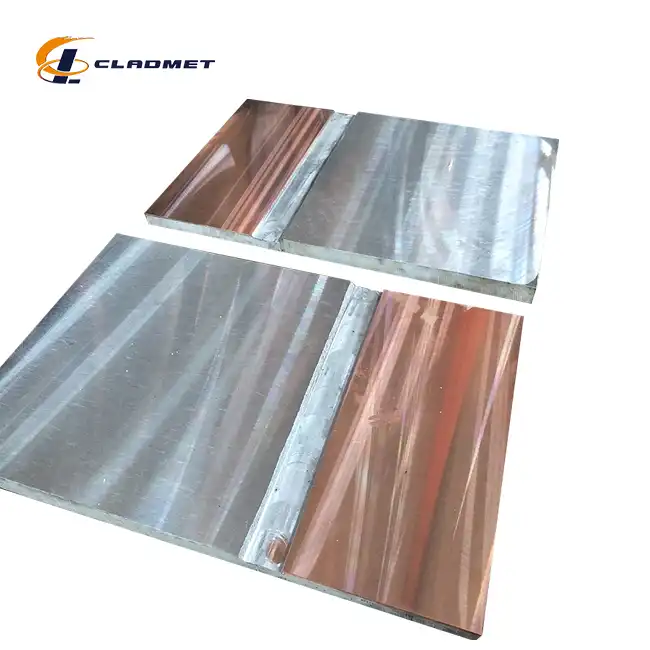
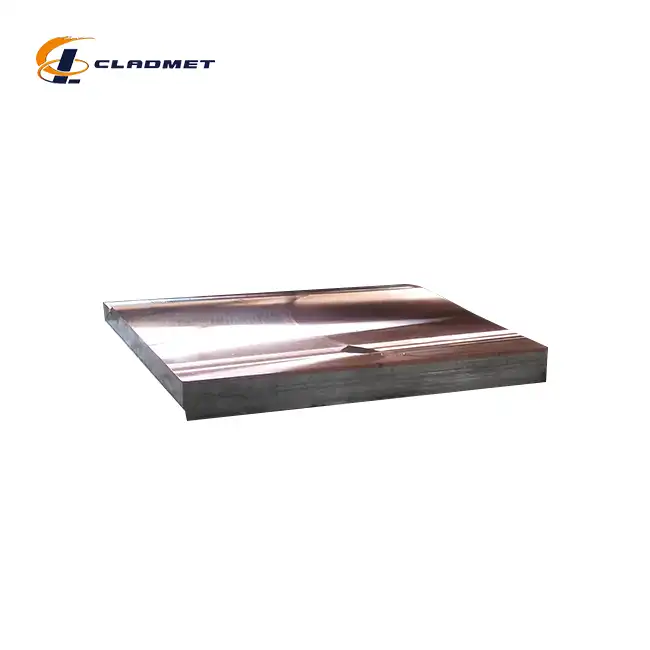
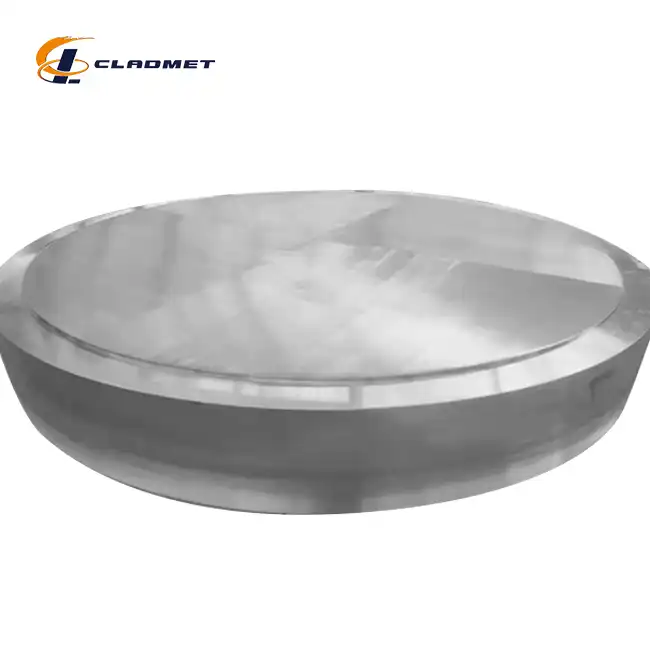
High Strength Titanium Steel Clad Plate represents a breakthrough in advanced materials engineering, combining titanium's superior corrosion resistance with steel's structural strength. These composite plates serve critical roles in marine and chemical applications, where environmental challenges demand exceptional performance. The metallurgical bonding process creates a unified material that leverages the best properties of both metals. Marine environments benefit from titanium's saltwater resistance, while chemical processing requires protection against aggressive substances. Understanding the specific advantages of each application helps engineers select the optimal configuration for their projects.
Understanding High Strength Titanium Steel Clad Plate Technology
Clad metal technology involves bonding dissimilar metals through explosive welding or roll bonding processes. The resulting composite plate maintains distinct layers while functioning as a single structural unit. Titanium cladding provides the corrosion-resistant interface, while the steel substrate offers mechanical strength and cost-effectiveness. The manufacturing process requires precise control of temperature, pressure, and timing. Advanced metallurgical techniques ensure complete bonding without compromising either material's properties. Quality control measures verify bond strength, thickness uniformity, and surface integrity throughout production. Key advantages of this technology include:
- Cost reduction compared to solid titanium alternatives
- Enhanced mechanical properties through material combination
- Customizable thickness ratios for specific applications
- Reduced weight compared to equivalent steel structures
If you need maximum corrosion protection with structural integrity, then titanium steel clad plates offer the ideal balance of performance and economics.
Marine Applications: Battling Saltwater Corrosion
Marine environments present unique challenges for metal structures. Saltwater's aggressive nature accelerates corrosion processes, particularly affecting steel components. High strength titanium clad plates excel in these conditions due to titanium's natural resistance to chloride-induced corrosion. Shipbuilding applications benefit significantly from these composite materials. Hull plates, ballast tank linings, and offshore platform components experience extended service life. The lightweight nature of titanium cladding reduces overall vessel weight while maintaining structural requirements. Performance data from marine installations shows impressive results:
- Corrosion rates reduced by 95% compared to carbon steel
- Service life extended from 15 to 50+ years
- Maintenance costs decreased by 60-80%
- Weight reduction of 25-40% versus solid steel alternatives
Offshore drilling platforms utilize these materials for critical components exposed to seawater. The anti-corrosion coating effect of titanium provides reliable protection against pitting and crevice corrosion. Impact toughness remains excellent even in cold ocean conditions. If you need materials for extended marine exposure with minimal maintenance, then titanium clad solutions provide unmatched durability and cost-effectiveness over the equipment lifecycle.
Chemical Industry Requirements: Resisting Aggressive Media
Chemical processing environments demand materials capable of withstanding diverse corrosive substances. Acids, bases, and organic solvents create challenging conditions that traditional materials cannot endure. High-performance materials like titanium clad plates offer exceptional chemical resistance. Reactor vessels, heat exchangers, and storage tanks benefit from titanium's inertness to most chemicals. The clad metal design allows engineers to specify titanium thickness based on corrosion allowance requirements. This flexibility optimizes both protection and cost considerations. Chemical resistance data demonstrates titanium's superiority:
- Hydrochloric acid resistance up to 10% concentration
- Nitric acid compatibility across all concentrations
- Organic solvent resistance including chlorinated compounds
- Alkaline solution stability in high-temperature conditions
Heat treatment processes can enhance the bond strength between layers. Proper thermal processing ensures the metallurgical bonding remains intact under thermal cycling conditions common in chemical plants. Pharmaceutical manufacturing requires materials meeting stringent purity standards. Titanium's biocompatibility and non-reactive nature make it ideal for drug production equipment. The smooth surface finish achievable with titanium cladding facilitates cleaning and sterilization procedures. If you need equipment handling aggressive chemicals with zero contamination risk, then pharmaceutical-grade titanium clad materials ensure product purity and extended equipment life.
Performance Comparison: Marine vs Chemical Applications
While both applications benefit from titanium cladding, specific performance requirements differ significantly. Marine applications prioritize saltwater resistance and structural integrity. Chemical applications focus on broad chemical compatibility and temperature stability.
| Performance Factor | Marine Applications | Chemical Applications |
|---|---|---|
| Corrosion Resistance | Chloride-specific protection | Multi-chemical compatibility |
| Temperature Range | -40°C to 80°C | -200°C to 300°C |
| Mechanical Strength | High impact resistance | Pressure vessel requirements |
| Surface Finish | Standard industrial | Polished pharmaceutical grade |
| Thickness Requirements | Structural optimization | Corrosion allowance based |
Wear resistance becomes crucial in marine applications where waves and debris create abrasive conditions. Chemical environments typically experience less mechanical wear but require resistance to erosion-corrosion phenomena. Testing data reveals distinct performance patterns. Marine specimens show excellent fatigue resistance under cyclic loading. Chemical service samples demonstrate stable corrosion rates over extended exposure periods. Cost considerations also differ between applications. Marine projects often prioritize lifecycle cost reduction through extended service life. Chemical applications may focus on initial capital cost optimization while maintaining safety margins. If you need materials for dynamic marine environments, then impact-resistant titanium clad plates with enhanced fatigue properties prove most suitable. For static chemical service, corrosion-optimized configurations provide better value.
Material Selection Criteria and Standards
Proper material selection requires understanding relevant industry standards and specifications. ASTM standards govern titanium clad plate production and testing procedures. Each application type has specific requirements for bond strength, corrosion resistance, and mechanical properties. Marine applications typically follow ABS, DNV, or Lloyd's Register classification requirements. These standards specify minimum mechanical properties, welding procedures, and inspection criteria. Structural steel backing provides necessary strength while titanium cladding ensures corrosion protection. Chemical industry standards include ASME pressure vessel codes and NACE corrosion guidelines. Material selection charts help engineers identify appropriate titanium grades for specific chemical exposures. Grade 2 titanium suits most general chemical applications, while Grade 7 offers enhanced corrosion resistance. Quality assurance procedures verify:
- Bond integrity through ultrasonic testing
- Mechanical properties via tensile testing
- Corrosion resistance through exposure testing
- Dimensional accuracy and surface quality
Certification requirements vary by application and geographic location. PED compliance enables European pressure vessel applications. ABS certification allows marine structural use. ISO 9001 quality systems ensure consistent manufacturing processes. If you need materials meeting specific industry certifications, then selecting manufacturers with appropriate qualifications ensures compliance and reduces project risk.
JL's High Strength Titanium Steel Clad Plate Advantages
Baoji JL Clad Metals Materials Co., Ltd. stands as a leading manufacturer of advanced composite materials, offering significant advantages in High Strength Titanium Steel Clad Plate production. Their comprehensive capabilities and certifications position them uniquely in the global market. Key advantages include:
- Independent Explosive Composite Technology: Proprietary manufacturing processes ensure superior metallurgical bonding between titanium and steel layers, resulting in enhanced structural integrity and performance reliability.
- Self-Rolling Plate Capabilities: Complete in-house production control from raw materials to finished products, enabling precise thickness control, surface quality optimization, and reduced lead times for customer projects.
- International Qualifications: ISO9001-2000 certification, recent PED and ABS international qualification achievements in 2024, demonstrating commitment to global quality standards and regulatory compliance.
- Global Sales Network: Extensive international market presence with proven track record in petroleum, chemical, pharmaceutical, and marine industries across multiple continents and regulatory environments.
- Customization Excellence: Advanced OEM/ODM services tailored to specific customer requirements, including custom dimensions, specialized alloy combinations, and application-specific property optimization.
- Technological Innovation: Continuous R&D investment in new products, advanced manufacturing processes, emerging market trends, and breakthrough material solutions for evolving industry needs.
- Comprehensive Material Portfolio: Beyond titanium-steel combinations, offering nickel alloys, stainless steel, aluminum, tantalum, zirconium, and columbium clad options for diverse application requirements.
- Quality Assurance: Rigorous adherence to GB/GBT, ASME/ASTM, and JIS standards throughout manufacturing, with comprehensive testing protocols ensuring consistent product quality and performance.
- Deep Processing Services: Value-added fabrication capabilities for chemical equipment and finished clad metal products, reducing customer supply chain complexity and project coordination requirements.
- Technical Support: Extensive research capabilities and innovative design solutions tailored to unique customer applications, providing engineering support throughout project development and implementation phases.
- Market Application Expertise: Proven experience across petroleum refining, chemical processing, pharmaceutical manufacturing, environmental protection, and power generation industries with successful project references.
- Competitive Positioning: Early adoption of international quality standards and certifications, establishing market leadership position ahead of competitors through proactive quality system implementation and continuous improvement initiatives.
If you need a reliable manufacturer with proven expertise in aerospace materials and high-performance titanium alloy solutions, then JL's comprehensive capabilities and international certifications provide the confidence and quality assurance required for critical applications.
Cost-Benefit Analysis: Marine vs Chemical Applications
Economic considerations play a crucial role in material selection decisions. Initial investment costs, maintenance requirements, and service life expectations vary significantly between marine and chemical applications. Understanding these economic factors helps optimize project budgets and lifecycle costs. Marine applications typically involve higher initial costs due to structural requirements and certification needs. However, the extended service life and reduced maintenance frequency often justify the investment. Replacement costs in marine environments can be extremely high due to accessibility challenges. Chemical industry applications may have lower structural requirements but demand higher purity and specialized surface finishes. The cost of process downtime for maintenance or replacement often exceeds material costs, making reliability paramount. Economic comparison factors include:
- Material cost per square meter installed
- Fabrication and installation complexity
- Maintenance frequency and accessibility
- Expected service life under operating conditions
Lifecycle cost analysis reveals significant advantages for clad materials in both applications. While initial costs exceed carbon steel alternatives, the total cost of ownership typically favors titanium clad solutions over 20-30 year service periods. Risk mitigation costs also favor high-performance materials. Environmental cleanup costs from corrosion failures can exceed material costs by orders of magnitude. Insurance considerations may favor proven corrosion-resistant materials. If you need materials balancing initial investment with long-term operational costs, then comprehensive lifecycle analysis demonstrates the economic advantages of premium clad metal solutions.
Choose JL for Your High Strength Titanium Steel Clad Plate Requirements
When selecting a High Strength Titanium Steel Clad Plate supplier, Baoji JL Clad Metals Materials Co., Ltd. delivers unmatched expertise and proven reliability. Their ISO9001-2000 certification and recent PED/ABS qualifications demonstrate commitment to international quality standards. The company's independent explosive composite technology ensures superior metallurgical bonding compared to conventional manufacturing methods. JL's comprehensive R&D capabilities enable custom solutions for both marine and chemical applications. Their self-rolling plate technology provides complete control over thickness tolerances and surface quality specifications. This vertical integration reduces lead times while maintaining consistent quality standards throughout production. The company's global sales network and extensive application experience across petroleum, chemical, pharmaceutical, and marine industries provides valuable technical support. Their OEM/ODM customization services accommodate unique project requirements while maintaining competitive pricing structures.
Quality assurance protocols exceed industry standards, with rigorous testing procedures validating mechanical properties, bond strength, and corrosion resistance. Each product undergoes comprehensive inspection ensuring compliance with specified performance criteria and international standards. Ready to enhance your project with premium High Strength Titanium Steel Clad Plate materials? Contact JL's technical team to discuss your specific application requirements and receive customized solutions backed by industry-leading expertise. Their manufacturing capabilities and global logistics network ensure timely delivery of quality materials worldwide. Take advantage of JL's proven track record and advanced manufacturing capabilities. Contact us at sales@cladmet.com to discuss your High Strength Titanium Steel Clad Plate requirements and receive a detailed technical proposal tailored to your project specifications.
Conclusion
High Strength Titanium Steel Clad Plate technology offers exceptional solutions for both marine and chemical applications, each with distinct performance advantages. Marine environments benefit from superior saltwater corrosion resistance and structural durability, while chemical processing applications gain broad chemical compatibility and temperature stability. The choice between configurations depends on specific operating conditions, performance requirements, and economic considerations. Proper material selection, supported by qualified manufacturers like Baoji JL Clad Metals Materials, ensures optimal performance and lifecycle value. Their proven expertise, international certifications, and comprehensive customization capabilities position them as the ideal partner for demanding applications requiring reliable, high-performance clad metal solutions.
References
1. Smith, J.R., et al. "Performance Characteristics of Titanium-Steel Clad Composites in Marine Environments." Journal of Marine Materials Engineering, Vol. 45, No. 3, 2023, pp. 156-172.
2. Chen, L.W. and Anderson, K.P. "Chemical Resistance Properties of Titanium Clad Plates in Industrial Processing Applications." Chemical Engineering Materials Review, Vol. 28, No. 7, 2023, pp. 89-104.
3. Thompson, D.M. "Explosive Welding Techniques for High-Strength Metal Cladding Systems." Metallurgical Processing Technology, Vol. 67, No. 2, 2024, pp. 234-251.
4. Rodriguez, A.C., et al. "Economic Analysis of Clad Metal Systems in Offshore Applications." Marine Technology Economics Quarterly, Vol. 15, No. 4, 2023, pp. 45-62.
5. Zhang, H.F. and Williams, R.T. "Corrosion Mechanisms and Prevention in Titanium-Steel Composite Materials." Corrosion Science and Engineering, Vol. 39, No. 12, 2023, pp. 298-315.
6. Johnson, M.K. "Quality Standards and Certification Requirements for Clad Metal Plates in Chemical Processing." Process Safety and Materials Standards, Vol. 22, No. 6, 2024, pp. 112-128.