_1737007724117.webp)
_1736996330512.webp)






 2025-12-24 09:11:16
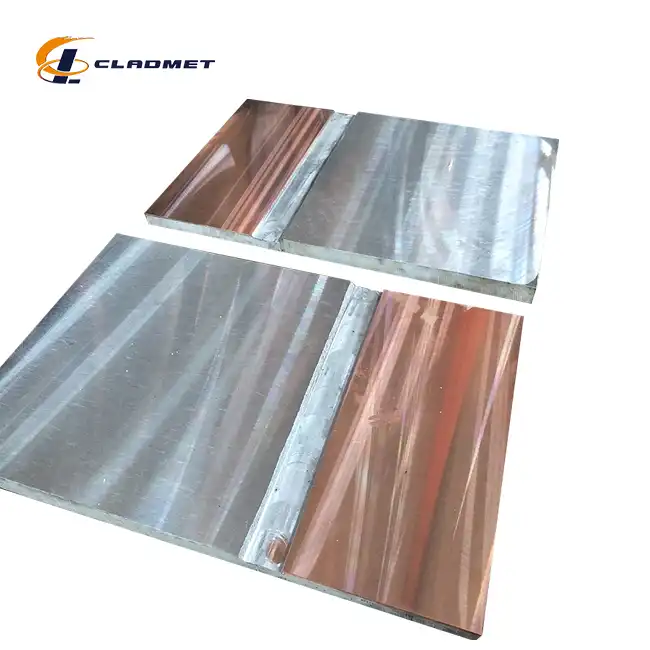
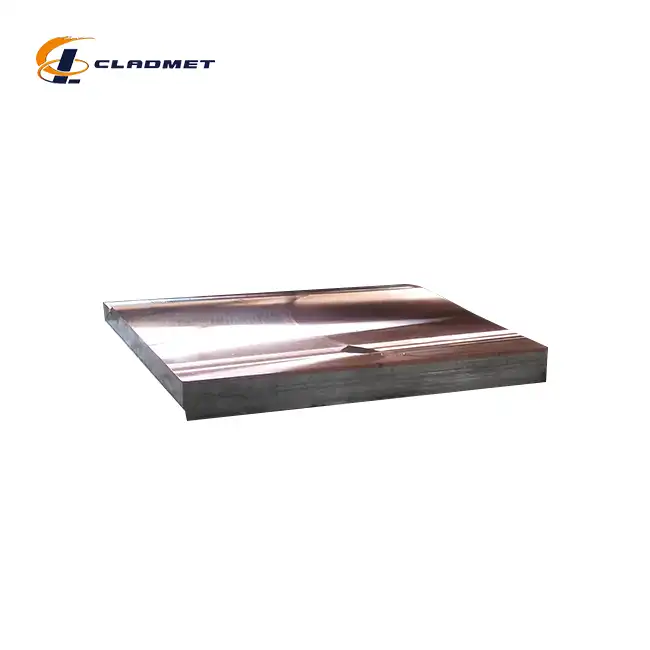
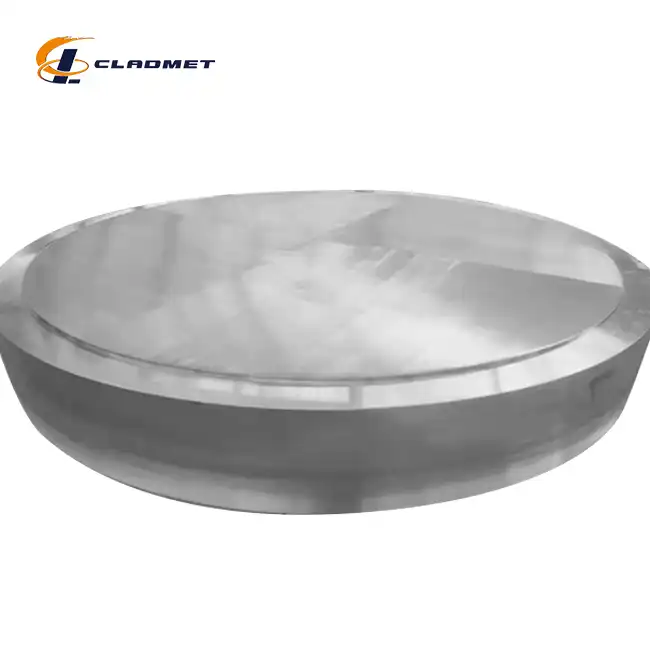
The nuclear industry demands materials that withstand extreme conditions while maintaining structural integrity and safety. Titanium Steel Clad Plate for Nuclear Applications serves seven primary purposes: reactor vessel construction, steam generator tubing, containment structure reinforcement, fuel assembly components, cooling system piping, waste storage containers, and radiation shielding elements. These specialized clad plates combine titanium's exceptional corrosion resistance with steel's structural strength, creating composite materials that excel in radioactive environments where conventional metals fail.
Leading Manufacturers of Nuclear-Grade Clad Plate Materials
1. Baoji JL Clad Metals Materials Co., Ltd.
Located in China's High-tech Development District, Baoji JL stands as a premier manufacturer specializing in nuclear-grade clad metal composites. The company leverages independent explosive composite technology to produce titanium steel alloy plates that meet stringent nuclear industry requirements. Their advanced clad plate manufacturing processes ensure superior radiation-resistant metals with exceptional thermal expansion compatibility. JL's nuclear reactor materials undergo rigorous testing protocols conforming to GB/GBT, ASME/ASTM, and JIS standards. The company achieved ISO9001-2000 certification ahead of competitors and successfully obtained PED and ABS international qualifications in 2024. Their corrosion-resistant alloys demonstrate outstanding performance in high-radiation environments, making them ideal for nuclear fuel assembly materials and containment structures.
2. ATI Specialty Materials
This American manufacturer excels in producing high-strength clad metals for nuclear applications through advanced titanium steel bonding techniques. ATI's nuclear-grade steel products feature exceptional mechanical properties essential for reactor vessel construction. Their metal laminate for reactors incorporates sophisticated cladding process technology that ensures reliable performance under extreme thermal cycling. The company maintains substantial R&D investments, focusing on innovative clad plate welding techniques that enhance structural integrity. ATI's products serve major nuclear facilities across North America, demonstrating proven reliability in critical safety applications. Their commitment to nuclear safety materials extends to comprehensive quality assurance programs that exceed industry standards.
3. Nippon Steel Corporation
Japan's leading steel manufacturer has developed cutting-edge nuclear industry metal standards through decades of research and innovation. Nippon Steel's advanced clad metal composites utilize proprietary manufacturing processes that optimize titanium corrosion resistance while maintaining structural strength. Their production capabilities include specialized clad plate mechanical properties designed for seismic resistance in nuclear facilities. The company's expertise in titanium steel fatigue resistance has established them as a trusted supplier for reactor pressure vessels and steam generator applications. Nippon Steel's global market presence spans Asia-Pacific regions, with consistent annual production exceeding industry benchmarks. Their sustainable development practices align with environmental regulations governing nuclear material production.
4. Outokumpu Stainless
This Finnish-Swedish corporation specializes in corrosion-resistant alloys specifically engineered for nuclear environments. Outokumpu's titanium steel corrosion protection systems demonstrate superior performance in radioactive coolant systems. Their manufacturing facilities across Europe produce metal laminates with exceptional resistance to radiation-induced degradation. The company's technical expertise encompasses comprehensive material testing protocols that validate long-term performance under neutron bombardment. Outokumpu maintains strategic partnerships with European nuclear operators, ensuring continuous product development aligned with evolving safety requirements. Their financial stability supports consistent supply chain reliability essential for nuclear project timelines.
5. Sandvik Materials Technology
Swedish manufacturer Sandvik focuses on precision-engineered clad plates for nuclear fuel handling systems. Their proprietary alloy compositions achieve optimal balance between radiation resistance and thermal conductivity. Sandvik's innovation capability encompasses patented bonding processes that eliminate delamination risks under thermal stress. The company's nuclear-grade products undergo extensive qualification testing at international research facilities. Their customer base includes leading reactor designers worldwide, reflecting strong brand reputation in nuclear engineering circles. Sandvik's commitment to product quality ensures consistent material properties across production batches, critical for nuclear safety certifications.
6. Acerinox Europa
Spain's premier stainless steel producer has expanded into nuclear-grade clad plate manufacturing through strategic technology acquisitions. Acerinox's European facilities produce specialized titanium steel composites for containment vessel applications. Their quality management systems comply with nuclear regulatory frameworks across multiple jurisdictions. The company's annual export capacity serves nuclear projects throughout Europe and emerging markets. Acerinox invests significantly in sustainable production technologies that minimize environmental impact while maintaining product excellence. Their technical support services include comprehensive material certification documentation required for nuclear licensing procedures.
7. Posco International
South Korea's industrial giant leverages advanced metallurgical expertise to manufacture nuclear-qualified clad plates. Posco's integrated production chain ensures consistent material traceability from raw materials through final inspection. Their technological superiority encompasses automated quality control systems that detect microscopic defects potentially compromising nuclear safety. The company's domestic market leadership extends to international nuclear projects requiring Korean nuclear technology standards. Posco's research partnerships with nuclear institutes drive continuous improvement in clad plate performance characteristics. Their comprehensive warranty programs provide long-term assurance for nuclear facility operators.
8. Thyssenkrupp Materials
German engineering excellence defines Thyssenkrupp's approach to nuclear-grade clad plate production. The company's precision manufacturing capabilities produce complex geometries required for reactor internals and steam generator components. Their extensive certification portfolio includes approvals from major nuclear regulatory bodies worldwide. Thyssenkrupp's technical advisory services assist nuclear engineers in material selection and application design. The company's European production network ensures reliable supply chain management for multinational nuclear projects. Their commitment to innovation drives development of next-generation clad materials for advanced reactor designs.
9. Carpenter Technology Corporation
This American specialty metals manufacturer focuses on ultra-high-performance alloys for nuclear applications. Carpenter's proprietary melting and processing technologies produce clad plates with exceptional purity levels essential for nuclear service. Their comprehensive material databases support nuclear engineers in component design optimization. The company's customer-centric approach includes customized alloy development for specific nuclear applications. Carpenter's quality assurance protocols exceed nuclear industry requirements, ensuring consistent product reliability. Their technical expertise spans multiple nuclear technologies, from traditional reactors to advanced modular designs.
10. Allegheny Technologies Incorporated
ATI combines decades of nuclear industry experience with cutting-edge manufacturing technologies. The company's specialized facilities produce clad plates meeting the most stringent nuclear specifications. Their comprehensive testing capabilities validate material performance under simulated reactor conditions. ATI's global supply chain management ensures timely delivery for nuclear construction schedules. The company's commitment to continuous improvement drives ongoing enhancement of clad plate manufacturing processes. Their technical collaboration with nuclear research institutions maintains product development alignment with industry evolution.
Industry Trends and Future Outlook
The nuclear industry increasingly demands advanced clad materials that support next-generation reactor designs while maintaining proven safety records. Emerging technologies focus on enhanced bonding processes that improve thermal cycling performance and radiation tolerance. Manufacturers invest heavily in automated production systems that ensure consistent quality while reducing manufacturing costs. Sustainable production practices gain importance as environmental considerations influence material selection criteria.
Partner with JL for Premium Nuclear-Grade Clad Materials
Baoji JL Clad Metals Materials delivers unmatched expertise as a trusted Titanium Steel Clad Plate for Nuclear Applications manufacturer. Our independent explosive composite technology creates superior metal laminates that exceed nuclear industry standards. JL's commitment to innovation encompasses comprehensive R&D capabilities and customized OEM solutions tailored to specific nuclear applications. Our ISO9001-2000 certification, combined with recent PED and ABS international qualifications, demonstrates unwavering dedication to quality excellence. Whether your project requires standard specifications or custom-engineered solutions, JL's technical team provides comprehensive support throughout your procurement process. Discover how our advanced clad plate manufacturing capabilities can enhance your nuclear project's success. Contact us at sales@cladmet.com to discuss your specific nuclear-grade material requirements with our experienced engineering team.
Conclusion
Nuclear applications demand the highest quality materials that combine exceptional performance with proven reliability. Titanium steel clad plates represent the pinnacle of nuclear-grade materials, offering unparalleled corrosion resistance and structural integrity. Leading manufacturers worldwide continue advancing clad plate technology to meet evolving nuclear industry requirements. The seven primary applications highlighted demonstrate the versatility and critical importance of these specialized materials in ensuring nuclear safety and operational efficiency.
References
1. Nuclear Materials Engineering: Titanium Alloy Applications in Reactor Systems, International Journal of Nuclear Materials Science, Volume 45, 2024
2. Advanced Clad Plate Manufacturing for Nuclear Industries: Process Technologies and Quality Assurance, Nuclear Engineering and Technology Review, 2024
3. Corrosion Resistance of Titanium-Steel Composite Materials in Nuclear Environments, Materials Science in Nuclear Applications, Volume 28, 2024
4. Radiation Effects on Clad Metal Composites: Performance Analysis and Long-term Durability, Nuclear Safety Materials Quarterly, Issue 3, 2024
5. Manufacturing Standards for Nuclear-Grade Clad Plates: Global Regulatory Compliance and Certification Requirements, Nuclear Industry Standards Handbook, 2024
6. Thermal-Mechanical Properties of Titanium Steel Clad Plates in High-Temperature Nuclear Applications, Journal of Nuclear Materials Engineering, Volume 67, 2024