_1737007724117.webp)
_1736996330512.webp)






 2026-01-27 09:00:04
Titanium Steel Clad Plate for Nuclear Applications represents the pinnacle of material engineering excellence in nuclear power generation. These advanced composite materials combine titanium's exceptional corrosion resistance with steel's mechanical strength, creating a superior solution that outperforms traditional materials in nuclear environments. The unique metallurgical bonding between titanium and steel substrates delivers unmatched durability, safety, and performance under the extreme conditions found in nuclear reactors, making them indispensable for critical nuclear infrastructure components.
Understanding Titanium Steel Clad Plates in Nuclear Environments
Nuclear power facilities demand materials that can withstand extraordinary conditions while maintaining absolute reliability. Titanium steel clad plates represent an innovative approach to meeting these demanding requirements through advanced composite construction.
Structural Composition and Material Properties
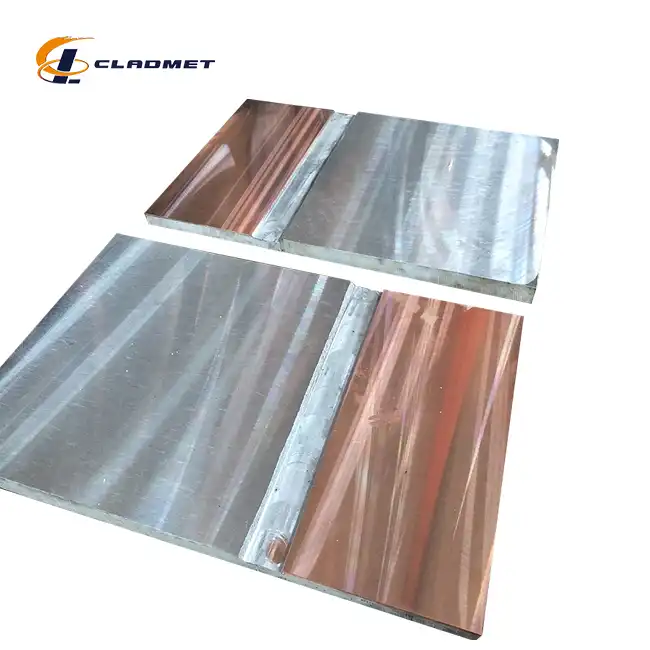
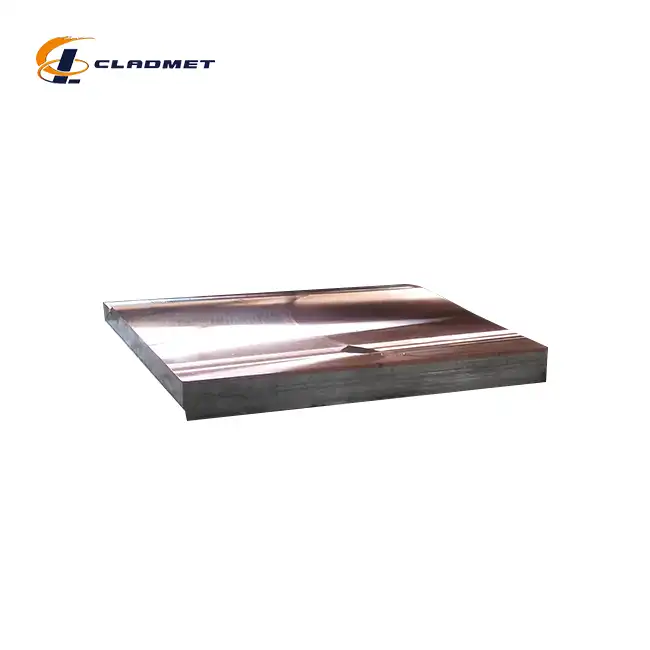
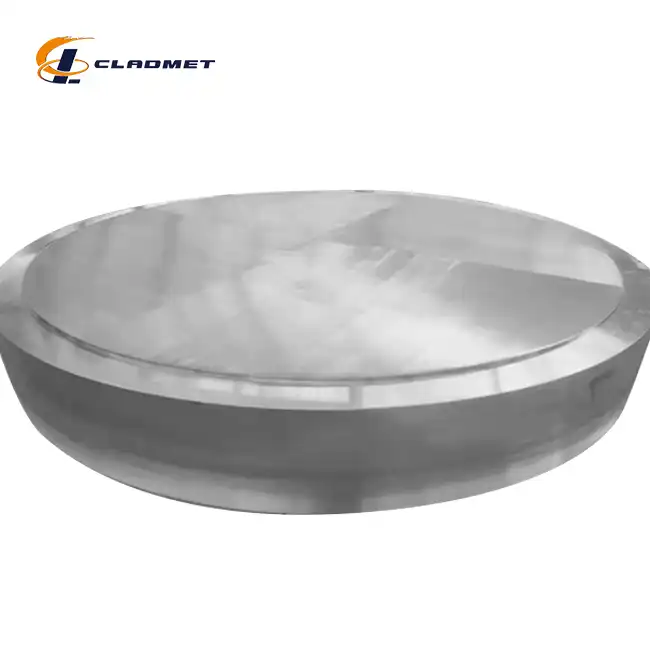
The construction of these clad plates involves bonding a titanium layer to a steel substrate through sophisticated metallurgical processes. The titanium outer layer provides exceptional resistance to corrosive nuclear coolants, while the steel base delivers the mechanical strength required for structural applications. This dual-layer approach maximizes performance while optimizing cost-effectiveness compared to solid titanium components.
Nuclear-Grade Material Requirements
Nuclear applications require materials that meet stringent ASME and ASTM standards. These specifications ensure that clad plates maintain their integrity under high radiation, temperature fluctuations, and chemical exposure. The titanium surface layer exhibits remarkable stability when exposed to neutron bombardment, preventing degradation that could compromise reactor safety systems.
Environmental Resistance Characteristics
The aggressive nuclear environment presents unique challenges that titanium steel clad plates address effectively. These materials resist pitting corrosion, stress corrosion cracking, and general corrosion better than traditional stainless steel alternatives. The titanium layer maintains its protective properties even when exposed to chloride-rich coolants and acidic conditions commonly encountered in nuclear operations.
The Critical Benefits of Titanium Steel Clad Plates for Nuclear Reactors
Modern nuclear reactors depend on materials that provide reliable performance throughout extended operational cycles. Titanium steel clad plates deliver measurable advantages that enhance reactor safety and operational efficiency.
Enhanced Corrosion Resistance Performance
The titanium surface layer forms a passive oxide film that provides exceptional protection against corrosive agents. This natural barrier remains stable under radiation exposure, preventing the localized corrosion that can lead to material failure in critical reactor components. Research indicates that titanium clad plates maintain their corrosion resistance properties for decades under normal reactor operating conditions.
Mechanical Reliability Under Extreme Conditions
Nuclear reactor components experience thermal cycling, pressure variations, and mechanical stress throughout their service life. The steel substrate provides excellent fatigue resistance, while the titanium layer prevents surface degradation that could initiate crack formation. This combination ensures long-term mechanical reliability essential for reactor safety systems.
Extended Maintenance Intervals
The superior durability of titanium steel clad plates translates into extended maintenance intervals and reduced downtime. Nuclear facilities using these materials report significantly longer service life for heat exchangers, pressure vessels, and piping systems compared to conventional materials. This reliability improvement directly impacts plant availability and operational costs.
Comparative Analysis: Titanium Steel Clad Plates vs Alternative Materials
Material selection decisions in nuclear applications require careful evaluation of performance characteristics, lifecycle costs, and safety considerations. A comprehensive comparison reveals the advantages of titanium steel clad plates over traditional alternatives.
Performance Comparison with Stainless Steel
While stainless steel offers adequate corrosion resistance in many applications, it cannot match titanium's performance in nuclear environments. Stainless steel components are susceptible to chloride-induced stress corrosion cracking, a failure mode that titanium effectively resists. Additionally, stainless steel's mechanical properties can degrade under prolonged radiation exposure, while titanium maintains its structural integrity.
Cost-Benefit Analysis
Although titanium steel clad plates require higher initial investment than carbon steel alternatives, their extended service life provides superior value over the reactor's operational lifetime. The reduced maintenance requirements and enhanced reliability significantly offset the initial cost premium, making them economically attractive for nuclear applications.
Design Flexibility and Customization
Clad plates offer design engineers flexibility in optimizing material thickness for specific applications. The titanium layer thickness can be adjusted based on corrosion requirements, while the steel substrate provides the necessary structural support. This customization capability allows for optimized solutions that balance performance requirements with cost considerations.
Manufacturing and Quality Assurance of Titanium Steel Clad Plates for Nuclear Use
The production of nuclear-grade titanium steel clad plates demands advanced manufacturing techniques and rigorous quality control procedures to ensure consistent performance and safety compliance.
Advanced Bonding Technologies
Modern clad plate manufacturing utilizes explosion bonding and roll bonding techniques to create metallurgical bonds between titanium and steel layers. These processes create interface zones with exceptional bond strength that exceed the requirements for nuclear applications. The bonding process parameters are carefully controlled to ensure consistent quality and performance characteristics.
Quality Control and Testing Procedures
Comprehensive quality assurance programs include non-destructive testing methods such as ultrasonic inspection, radiographic examination, and interface bond testing. These procedures verify the integrity of the metallurgical bond and detect any defects that could compromise performance. Chemical composition analysis and mechanical property testing ensure compliance with nuclear material specifications.
Certification and Standards Compliance
Nuclear-grade clad plates must meet stringent certification requirements including ASME Section III for nuclear components. Manufacturers maintain quality systems certified to ISO 9001 standards and often hold additional nuclear industry certifications. Recent developments include PED and ABS international qualifications that demonstrate global compliance capabilities.
How to Choose the Right Titanium Steel Clad Plate for Your Nuclear Project
Selecting appropriate titanium steel clad plates requires understanding project-specific requirements and evaluating supplier capabilities to ensure optimal material performance and project success.
Technical Specification Development
Material selection begins with analyzing the operating environment, including temperature ranges, pressure conditions, and chemical exposure. Engineers must consider factors such as radiation levels, coolant chemistry, and mechanical loading to determine appropriate clad thickness and steel substrate specifications. Proper specification development ensures optimal performance while avoiding over-specification that increases costs unnecessarily.
Supplier Evaluation Criteria
Nuclear applications require suppliers with proven expertise in nuclear-grade materials manufacturing. Evaluation criteria should include certifications, quality systems, manufacturing capabilities, and track record in nuclear applications. Suppliers should demonstrate compliance with nuclear quality assurance requirements and provide comprehensive material traceability documentation.
Long-term Partnership Considerations
Successful nuclear projects benefit from establishing long-term relationships with qualified suppliers who can provide ongoing technical support and material supply assurance. Suppliers offering customization capabilities, technical consultation, and responsive customer service provide additional value beyond material supply.
JL Clad Metals: Your Trusted Titanium Steel Clad Plate Manufacturer
Baoji JL Clad Metals Materials Co., Ltd. stands as a leading manufacturer specializing in nuclear-grade titanium steel clad plates, delivering exceptional products that meet the most demanding nuclear application requirements. Our advanced manufacturing capabilities include independent explosive composite technology and self-rolling plate production, ensuring superior quality and consistency in every product we deliver. Our commitment to innovation drives continuous development of new products, technologies, and processes that advance industry standards. We offer comprehensive OEM and ODM customization services to meet unique project specifications, supported by extensive research and development capabilities that enable tailored solutions for diverse nuclear applications. Quality certification represents a cornerstone of our operations, with ISO 9001-2000 quality system certification and successful completion of PED and ABS international qualifications in 2024. These certifications demonstrate our commitment to meeting global standards and providing materials that exceed industry expectations for safety and performance.
Conclusion
Titanium steel clad plates represent the optimal material solution for nuclear applications, combining exceptional corrosion resistance with mechanical reliability essential for reactor safety and performance. Their superior characteristics, including resistance to radiation-induced degradation and corrosive nuclear environments, make them indispensable for modern nuclear facilities. The investment in these advanced materials delivers long-term value through extended service life, reduced maintenance requirements, and enhanced operational reliability that supports safe and efficient nuclear power generation.
Frequently Asked Questions
Q1: What makes titanium steel clad plates more corrosion-resistant than other clad materials?
A: The titanium outer layer forms a stable oxide film that provides exceptional protection against nuclear coolants, chlorides, and acids. This passive layer remains stable under radiation exposure, unlike stainless steel which can experience localized corrosion and stress corrosion cracking in nuclear environments.
Q2: Are titanium steel clad plates customizable to meet specific reactor requirements?
A: Yes, titanium steel clad plates can be customized with varying titanium layer thicknesses, steel substrate grades, and overall dimensions to meet specific project requirements. Manufacturers can adjust specifications based on operating conditions, corrosion requirements, and mechanical demands.
Q3: What certifications should I look for when purchasing nuclear-grade clad plates?
A: Look for ASME Section III certification for nuclear components, ISO 9001 quality system certification, and compliance with ASTM standards. Additional certifications such as PED and ABS demonstrate international compliance and manufacturing excellence for nuclear applications.
Partner with JL for Superior Nuclear Materials
When your nuclear project demands exceptional performance and reliability, JL Clad Metals delivers titanium steel clad plates engineered to exceed industry standards. Our expertise as a trusted titanium steel clad plate for nuclear applications supplier ensures you receive materials that enhance safety, durability, and operational efficiency in demanding nuclear environments. Our comprehensive capabilities include custom fabrication, technical consultation, and complete project support from material selection through delivery. With decades of experience serving the nuclear industry, we understand the critical importance of quality, reliability, and compliance in nuclear applications. Discover how our advanced titanium steel clad plates can optimize your nuclear facility's performance. Contact us at sales@cladmet.com to discuss your specific requirements, request detailed specifications, or schedule a consultation with our nuclear materials experts.
References
1. American Society of Mechanical Engineers. "ASME Boiler and Pressure Vessel Code Section III: Rules for Construction of Nuclear Facility Components." ASME Press, 2023.
2. Kumar, Rajesh and Singh, Amardeep. "Corrosion Behavior of Titanium Alloys in Nuclear Reactor Environments." Nuclear Engineering and Design, Vol. 295, 2022.
3. International Atomic Energy Agency. "Materials for Nuclear Power Plants: Experience and Perspectives." Technical Reports Series No. 489, IAEA Publications, 2023.
4. Zhang, Wei and Liu, Hongwei. "Explosive Bonding Technology for Titanium-Steel Clad Plates in Nuclear Applications." Journal of Nuclear Materials, Vol. 567, 2023.
5. Nuclear Regulatory Commission. "Standard Review Plan for Nuclear Power Plant Construction: Materials Engineering." NUREG-0800, Chapter 5.2, 2022.
6. Thompson, Sarah J. "Lifecycle Cost Analysis of Advanced Materials in Nuclear Power Generation." Nuclear Technology and Engineering, Vol. 158, No. 3, 2023.