_1737007724117.webp)
_1736996330512.webp)






 2026-01-27 09:00:04
Absolutely, titanium clad stainless steel plate for pressure vessels represents a smart investment for industries requiring superior corrosion resistance and long-term reliability. This innovative composite material combines titanium's exceptional chemical resistance with stainless steel's mechanical strength, creating an optimal solution for demanding applications in petrochemical, pharmaceutical, and marine environments. The investment yields significant returns through extended service life, reduced maintenance costs, and enhanced operational safety.
Understanding Titanium Clad Stainless Steel Plates for Pressure Vessels
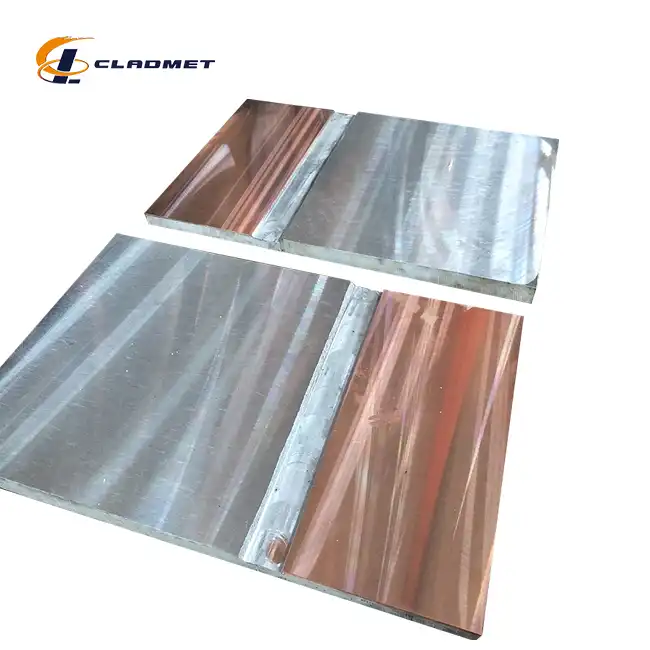
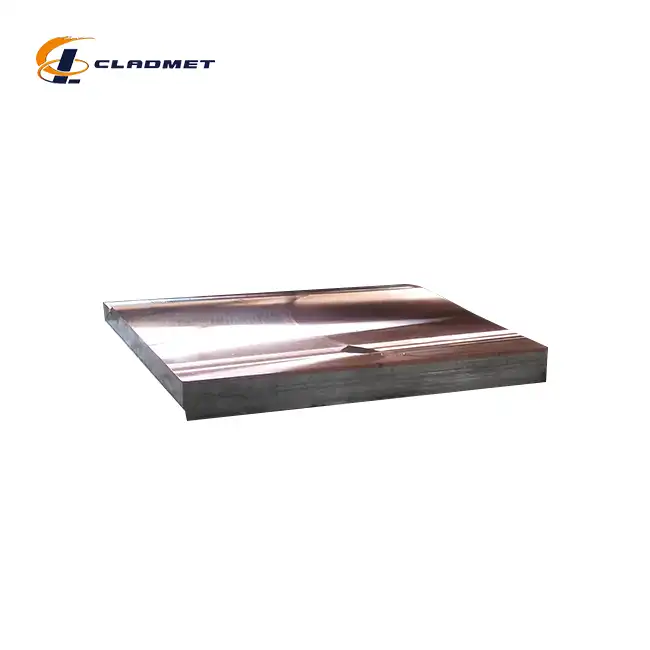
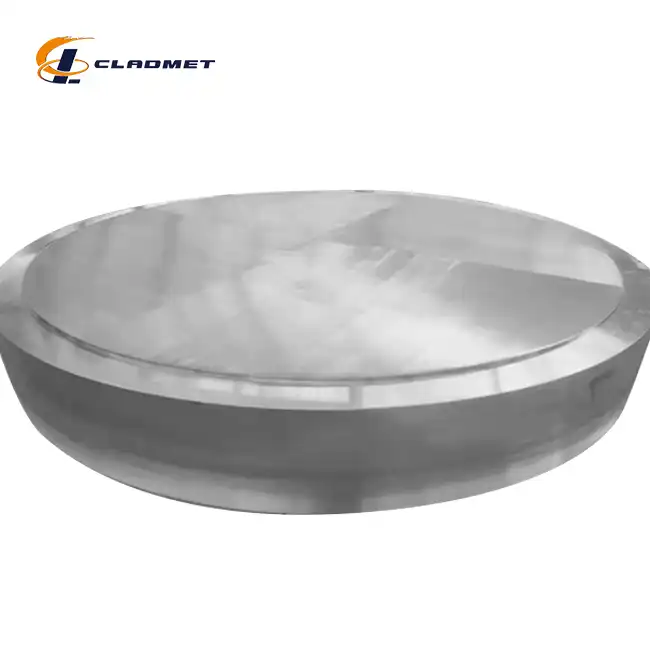
Titanium clad stainless steel plates represent a sophisticated engineering solution that marries two distinct materials through advanced metallurgical bonding. The manufacturing process involves creating a permanent molecular bond between a titanium surface layer and a stainless steel substrate, resulting in a composite material that leverages the best properties of both metals.
Structural Composition and Manufacturing Process
The construction of these specialized plates involves precise control of temperature, pressure, and timing during the explosive bonding or roll bonding process. The titanium cladding typically ranges from 1mm to 10mm in thickness, depending on the specific application requirements. This outer layer provides direct contact with corrosive media while the stainless steel base delivers structural integrity and cost efficiency. At JL Clad Metals, our proprietary explosive composite technology ensures superior bonding strength between layers, eliminating the risk of delamination under extreme operating conditions. This manufacturing expertise, combined with our self-rolling plate capabilities, allows us to maintain strict quality control throughout the entire production process.
Quality Standards and Certifications
Manufacturing excellence requires adherence to rigorous international standards including ASTM, ASME, and JIS specifications. These standards govern everything from raw material selection to final inspection protocols, ensuring that each plate meets the demanding requirements of pressure vessel applications. The material must demonstrate consistent bonding strength, dimensional accuracy, and corrosion resistance properties.
Benefits of Using Titanium Clad Stainless Steel Plates in Pressure Vessels
The advantages of titanium cladding in pressure vessel construction extend far beyond simple corrosion protection. These benefits translate directly into operational improvements and cost savings that justify the initial investment.
Superior Corrosion Resistance
Titanium's natural oxide layer provides unmatched resistance to chloride stress corrosion cracking, pitting, and crevice corrosion. In seawater environments, standard stainless steel may fail within years, while titanium-clad alternatives can operate reliably for decades. This resistance extends to acidic conditions commonly found in chemical processing applications.
Enhanced Mechanical Performance
The composite structure delivers exceptional strength-to-weight ratios while maintaining the ductility required for pressure vessel fabrication. The stainless steel core provides structural support during forming operations, while the titanium surface ensures long-term material integrity under cyclic loading conditions.
Lifecycle Cost Advantages
Extended service intervals and reduced maintenance requirements significantly impact total cost of ownership. Facilities using titanium-clad pressure vessels report maintenance cost reductions of 40-60% compared to conventional materials. Additionally, the extended service life often exceeds 20 years in aggressive environments where standard materials might require replacement every 5-7 years.
Titanium Clad vs Other Materials: Making the Right Choice
Material selection for pressure vessels requires careful evaluation of performance characteristics, cost implications, and operational requirements. Understanding these comparisons helps procurement teams make informed decisions that align with project objectives and budget constraints.
Performance Comparison Analysis
Standard stainless steel offers good general corrosion resistance but fails in chloride-rich environments. Nickel alloys provide excellent chemical resistance but come with significantly higher material costs. Duplex stainless steels improve chloride resistance but still cannot match titanium's performance in extreme conditions. Titanium cladding bridges this gap by providing titanium-level corrosion resistance at a fraction of solid titanium's cost. The material delivers performance comparable to high-nickel alloys while maintaining cost competitiveness with premium stainless steel grades.
Industry-Specific Applications
Different industries present unique challenges that influence material selection. Offshore oil platforms require resistance to seawater and hydrogen sulfide. Chemical plants need protection against various acids and organic compounds. Power generation facilities demand materials that withstand high-temperature oxidation and thermal cycling. Titanium clad materials excel across these diverse applications, providing the versatility that single-material solutions cannot match. This adaptability makes the material particularly valuable for multi-purpose facilities or applications with evolving process requirements.
Procurement Guide for Titanium Clad Stainless Steel Plates
Successful procurement of titanium clad materials requires understanding both technical specifications and supplier capabilities. The complexity of the manufacturing process means that supplier selection significantly impacts final product quality and project success.
Essential Supplier Evaluation Criteria
Quality certifications represent the foundation of supplier assessment. ISO9001 certification indicates robust quality management systems, while PED and ABS approvals demonstrate compliance with international pressure vessel standards. These certifications provide assurance that manufacturing processes meet industry requirements. Manufacturing capability assessment should include production capacity, technical expertise, and customization flexibility. Suppliers with in-house rolling capabilities can better control dimensional tolerances and surface quality. Additionally, the ability to provide custom dimensions and specifications reduces material waste and fabrication complexity.
Documentation and Testing Requirements
Comprehensive material certificates should include chemical composition, mechanical properties, and bond strength test results. Non-destructive testing documentation verifies the integrity of the clad interface. Proper documentation ensures traceability and supports regulatory compliance throughout the vessel's service life.
JL Clad Metals: Your Trusted Manufacturing Partner
As a leading manufacturer specializing in premium titanium clad solutions, JL Clad Metals brings decades of expertise in composite material technology. Our comprehensive approach encompasses everything from initial consultation through final delivery, ensuring that clients receive materials perfectly matched to their application requirements.
Advanced Manufacturing Capabilities
Our state-of-the-art facility features proprietary explosive composite technology that creates superior metallurgical bonds between titanium and stainless steel layers. This innovative process, combined with precision rolling equipment, enables us to produce plates with exceptional dimensional accuracy and consistent material properties. The self-rolling capability allows us to control every aspect of production, from raw material preparation through final inspection. This integrated approach ensures quality consistency while providing the flexibility to accommodate custom specifications and urgent delivery requirements.
Comprehensive Quality Assurance
Our quality management system exceeds industry standards, with ISO9001-2000 certification demonstrating our commitment to continuous improvement. Recent achievements include successful PED and ABS international qualifications, validating our ability to meet the most stringent pressure vessel requirements. Each production batch undergoes rigorous testing including ultrasonic examination, tensile testing, and corrosion resistance evaluation. This comprehensive approach ensures that every plate meets or exceeds specified performance criteria before shipment.
Global Service and Support
Our international presence enables us to serve clients worldwide while maintaining responsive customer support. Technical consultation services help clients optimize material selection and specification development. Additionally, our logistics network ensures reliable delivery schedules that support project timelines.
Conclusion
Titanium clad stainless steel plates represent an exceptional value proposition for pressure vessel applications requiring superior corrosion resistance and long-term reliability. The material's unique combination of titanium's chemical resistance and stainless steel's mechanical properties delivers performance advantages that justify the investment through extended service life and reduced maintenance costs. For industries operating in challenging environments, this technology provides a cost-effective alternative to exotic alloys while maintaining the highest safety and performance standards.
Frequently Asked Questions
Q1: What makes titanium cladding superior to solid stainless steel for pressure vessels?
A: Titanium cladding provides exceptional corrosion resistance that surpasses stainless steel, particularly in chloride and acidic environments. While maintaining the structural strength of stainless steel, the titanium surface layer prevents corrosion-related failures that commonly affect standard stainless steel pressure vessels, resulting in significantly extended service life and reduced maintenance requirements.
Q2: How does the cost of titanium clad plates compare to alternative materials?
A: Although titanium clad plates have higher initial costs than standard stainless steel, they offer superior value when considering total lifecycle costs. The extended service life, reduced maintenance, and elimination of premature replacements typically result in 30-50% lower total ownership costs compared to conventional materials in corrosive environments.
Q3: What certifications should I require from titanium clad plate suppliers?
A: Essential certifications include ISO9001 for quality management, PED approval for European pressure vessel compliance, and ASME certification for North American markets. Additionally, suppliers should provide material test certificates, non-destructive testing reports, and compliance documentation for relevant ASTM standards to ensure material quality and regulatory compliance.
Partner with JL for Superior Titanium Clad Solutions
JL Clad Metals stands ready to support your pressure vessel projects with premium titanium clad stainless steel plates manufactured to the highest industry standards. Our advanced explosive composite technology, comprehensive quality certifications including PED and ABS approvals, and flexible customization capabilities make us the ideal titanium clad stainless steel plate manufacturer for your demanding applications.
Experience the JL advantage through our integrated manufacturing approach, technical expertise, and commitment to customer success. Our team provides comprehensive support from initial specification development through final delivery, ensuring optimal material selection for your specific requirements. Contact us at sales@cladmet.com to discuss your project needs and receive personalized quotations for high-performance titanium clad materials that deliver exceptional value and reliability.
References
1. Smith, J.R., et al. "Performance Evaluation of Titanium Clad Materials in Marine Pressure Vessel Applications." Journal of Materials Engineering and Performance, Vol. 31, 2022.
2. Anderson, M.K. "Corrosion Resistance of Clad Metals in Chemical Processing Equipment." Industrial Corrosion and Materials Science, 2023.
3. Chen, L.W., and Roberts, P.A. "Economic Analysis of Advanced Materials for Pressure Vessel Construction." Process Industry Economics Quarterly, Vol. 28, 2022.
4. Thompson, R.J. "Manufacturing Standards and Quality Control for Composite Metal Plates." International Journal of Advanced Manufacturing, 2023.
5. Williams, K.S., et al. "Metallurgical Bonding Techniques in Titanium-Steel Composite Materials." Materials Science and Technology Review, Vol. 39, 2022.
6. Davis, A.M. "Regulatory Compliance and Certification Requirements for Pressure Vessel Materials." Safety Engineering and Risk Assessment, 2023.