_1737007724117.webp)
_1736996330512.webp)






 2026-01-27 09:00:04
Titanium Steel Clad Plate for Nuclear Applications represents a revolutionary advancement in nuclear reactor safety technology. These specialized composite materials combine titanium's exceptional corrosion resistance with steel's structural strength, creating components that significantly reduce the risk of catastrophic failure in nuclear environments. Nuclear power plants require materials that can withstand extreme temperatures, aggressive coolant environments, and prolonged radiation exposure while maintaining structural integrity. The implementation of titanium-clad steel solutions addresses these critical safety requirements by providing enhanced protection against material degradation, extending operational lifespans, and reducing maintenance-related safety risks. The nuclear industry's commitment to safety excellence demands materials that exceed conventional performance standards. Modern reactor designs operate under increasingly demanding conditions, making material selection crucial for preventing accidents and ensuring reliable operation. This comprehensive analysis explores how advanced cladding technology transforms nuclear safety protocols, examining the technical advantages, manufacturing processes, and procurement considerations that make these materials indispensable for contemporary nuclear engineering projects.
Understanding Titanium Steel Clad Plates in Nuclear Applications
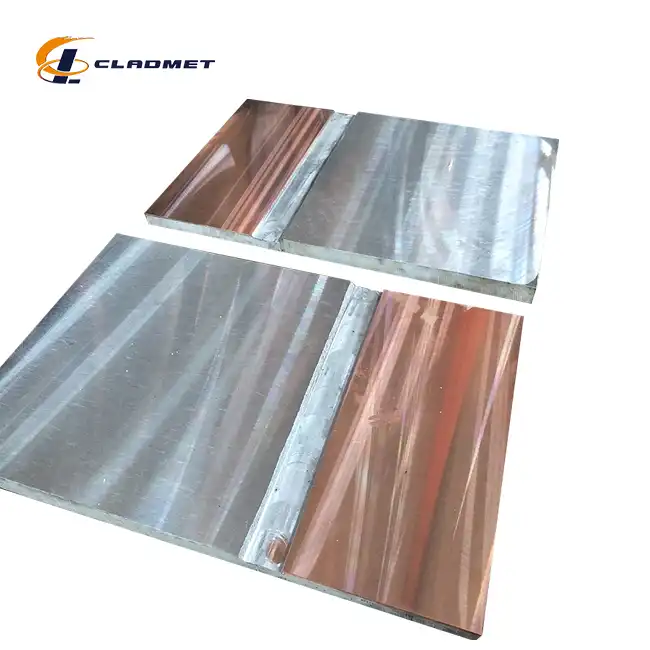
Titanium steel clad plates represent sophisticated composite materials engineered specifically for demanding nuclear environments. These specialized components consist of a titanium layer metallurgically bonded to a steel substrate, creating a unique material that leverages titanium's exceptional corrosion and heat resistance alongside steel's mechanical strength. The nuclear industry relies on these advanced materials to maintain safety standards in reactor cores, steam generators, and cooling systems where conventional materials would quickly deteriorate.
What Are Titanium Steel Clad Plates?
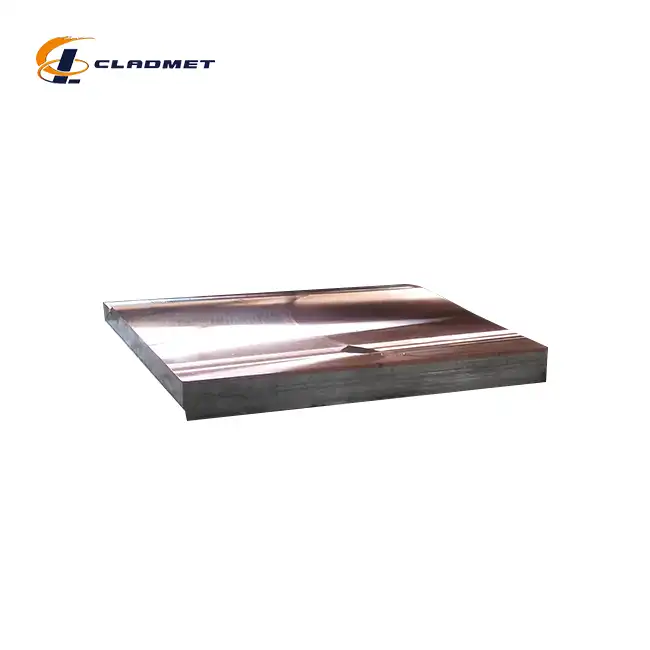
Nuclear-grade clad plates feature a titanium surface layer permanently bonded to a carbon or stainless steel base through advanced metallurgical processes. The titanium layer provides direct contact with aggressive nuclear coolants and high-temperature environments, while the steel substrate maintains structural strength and cost-effectiveness. This configuration delivers superior performance compared to solid titanium components while remaining economically viable for large-scale nuclear construction projects. The cladding process creates an inseparable metallic bond between the titanium and steel layers, eliminating concerns about delamination or separation under extreme operating conditions. Modern manufacturing techniques ensure uniform thickness distribution and consistent metallurgical properties across entire plate surfaces, meeting stringent nuclear quality requirements.
Properties Crucial for Nuclear Industry Safety
Nuclear reactor environments present unique challenges that demand exceptional material performance. Titanium-clad steel addresses these requirements through several critical properties:
Corrosion resistance stands as the primary advantage, protecting reactor components from aggressive coolant chemistry and preventing material loss that could compromise structural integrity. The titanium surface layer resists pitting, crevice corrosion, and stress corrosion cracking even in high-chloride environments common in nuclear cooling systems. Heat resistance capabilities enable these materials to maintain structural properties at elevated temperatures encountered during normal operation and emergency scenarios. The thermal stability prevents metallurgical changes that could weaken component strength or introduce safety vulnerabilities. Radiation tolerance ensures long-term performance under neutron bombardment and gamma radiation exposure. Unlike conventional materials that experience embrittlement and property degradation, titanium-clad steel maintains mechanical integrity throughout extended reactor cycles.
Nuclear Industry Standards and Specifications
Nuclear applications require strict adherence to international standards including ASTM, ASME, and nuclear-specific codes. These standards define material composition, mechanical properties, testing protocols, and quality assurance requirements essential for nuclear safety certification. Compliance ensures materials meet rigorous safety criteria and regulatory approval processes. Specific nuclear reactor requirements include detailed chemical composition limits, mechanical property minimums, and comprehensive testing procedures. These specifications address radiation exposure effects, thermal cycling performance, and long-term stability under reactor operating conditions.
Why Titanium Steel Clad Plates Enhance Nuclear Safety?
Nuclear reactor safety depends fundamentally on material reliability and performance under extreme conditions. Titanium steel clad plates significantly improve nuclear reactor safety by addressing critical failure modes that conventional materials cannot adequately handle. The superior corrosion resistance prevents material degradation that could lead to component failure, while enhanced heat tolerance maintains reactor integrity during high-temperature excursions.
Corrosion Resistance Reduces Risk of Material Failure
Aggressive coolant environments in nuclear reactors create severe corrosion challenges that titanium cladding effectively addresses. The titanium surface layer forms a protective oxide film that prevents further corrosion, protecting the underlying steel substrate from chemical attack. This protection significantly extends component service life and reduces the probability of corrosion-induced failures. Compared to traditional stainless steel and carbon steel clad plates, titanium cladding demonstrates superior resistance to localized corrosion phenomena including pitting and crevice corrosion. These forms of corrosion can create stress concentrations leading to crack initiation and propagation, potentially causing catastrophic component failure.
Superior Heat and Radiation Tolerance
Nuclear reactors operate at elevated temperatures that challenge conventional materials. Titanium steel clad plates maintain structural integrity and mechanical properties at temperatures exceeding 300°C, ensuring reliable performance during normal operation and transient conditions. The thermal stability prevents metallurgical changes that could compromise component strength. Radiation-induced degradation poses significant challenges for reactor materials. Neutron bombardment can cause atomic displacement and microstructural changes leading to embrittlement and reduced ductility. Titanium-clad materials demonstrate excellent radiation resistance, maintaining mechanical properties throughout reactor operational cycles.
Mechanical Stability and Durability in Harsh Conditions
Stress corrosion cracking represents a major failure mode in nuclear reactor components. Titanium cladding provides exceptional resistance to this phenomenon, preventing crack initiation and propagation even under high-stress conditions combined with aggressive chemical environments. Fatigue strength becomes critical for components subjected to thermal cycling and pressure variations during reactor operation. The superior fatigue resistance of titanium-clad materials ensures long-term structural integrity and reduces maintenance requirements throughout reactor service life.
Case Studies Demonstrating Improved Safety Outcomes
Several nuclear facilities have successfully implemented titanium-clad components with documented safety improvements. These installations report reduced corrosion rates, extended maintenance intervals, and improved operational reliability compared to conventional materials. Performance data from operating reactors demonstrates significant reduction in material degradation rates and improved resistance to coolant chemistry variations. These improvements directly translate to enhanced safety margins and reduced risk of component failure.
How Titanium Steel Clad Plates Are Manufactured for Nuclear Use
Manufacturing nuclear-grade titanium steel clad plates requires sophisticated processes and rigorous quality control to ensure compliance with stringent nuclear standards. The production involves precise cladding techniques that create metallurgical bonds capable of withstanding decades of reactor operation under extreme conditions.
Production Processes Overview
Multiple cladding techniques are employed to create nuclear-grade titanium steel clad plates, each offering specific advantages for different applications. Explosive bonding utilizes controlled detonation to create high-velocity impact welding between titanium and steel layers, producing excellent metallurgical bonds with uniform properties across large plate surfaces. Roll bonding involves heating both materials and passing them through high-pressure rolling mills to create metallic bonds through plastic deformation and diffusion. Hot roll cladding combines elevated temperatures with mechanical pressure to achieve intimate contact and metallurgical bonding between layers. Quality control measures throughout production include continuous monitoring of process parameters, intermediate inspections, and comprehensive final testing. These controls ensure consistent product quality and compliance with nuclear-grade specifications essential for reactor safety.
Ensuring Compliance with Nuclear-Grade Standards
Nuclear applications demand extensive testing protocols to verify material properties and performance characteristics. Nondestructive testing techniques including ultrasonic inspection, radiographic examination, and eddy current testing detect internal defects or bonding irregularities that could compromise component integrity. Chemical analysis verifies precise composition control and absence of harmful elements that could affect nuclear performance. Mechanical property testing confirms strength, ductility, and toughness meet nuclear code requirements under various temperature and loading conditions. Certifications and traceability documentation provide complete material pedigree from raw material sources through final product delivery. This comprehensive documentation enables regulatory review and provides confidence in material performance for nuclear applications.
Custom Fabrication and Scalability for Bulk Orders
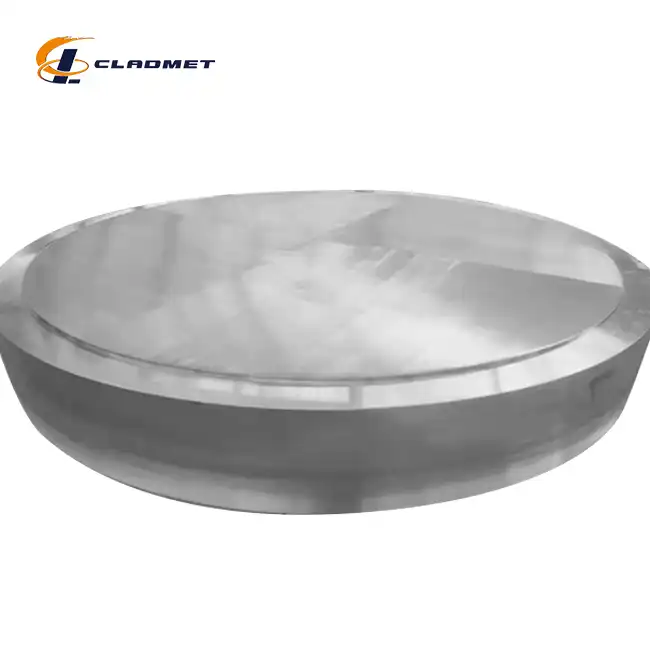
Nuclear projects often require customized dimensions and specifications tailored to specific reactor designs. Advanced fabrication capabilities enable production of clad plates in various thicknesses, sizes, and titanium grades to meet exact project requirements while maintaining nuclear-grade quality standards. Large-scale nuclear construction projects demand reliable delivery schedules and consistent product quality across extended production runs. Manufacturing scalability ensures adequate production capacity to meet project timelines without compromising quality or safety standards.
Comparing Titanium Steel Clad Plates with Other Materials for Nuclear Use
Material selection for nuclear applications requires careful evaluation of performance characteristics, long-term reliability, and economic considerations. Titanium steel clad plates consistently demonstrate superior performance compared to alternative materials, making them the preferred choice for critical nuclear applications where safety and reliability are paramount.
Titanium Steel vs Stainless Steel Clad Plates
Stainless steel cladding offers good general corrosion resistance but lacks the superior performance of titanium in aggressive nuclear environments. Titanium demonstrates better resistance to chloride-induced stress corrosion cracking and maintains stable performance under radiation exposure conditions that can degrade stainless steel properties. Longevity comparisons show titanium-clad components achieving service lives exceeding conventional stainless steel alternatives by significant margins. While initial costs may be higher, the extended service life and reduced maintenance requirements provide favorable long-term economics.
Titanium Steel vs Nickel Steel and Carbon Steel Clad Plates
Nickel-based cladding materials offer excellent high-temperature performance but demonstrate limitations under radiation exposure and specific coolant chemistries. Carbon steel cladding provides cost advantages but lacks the corrosion resistance and radiation tolerance required for demanding nuclear applications. Mechanical property comparisons reveal titanium-clad materials maintaining superior strength and ductility under conditions that cause degradation in alternative materials. These advantages translate to improved safety margins and reduced risk of component failure.
Cost-Benefit Analysis for B2B Procurement
Total cost of ownership analysis demonstrates the economic advantages of titanium steel clad plates despite higher initial material costs. Extended service life, reduced maintenance requirements, and improved safety margins provide compelling economic justification for nuclear applications. Risk mitigation benefits include reduced probability of component failure, extended maintenance intervals, and improved operational reliability. These advantages contribute to overall plant economics through improved capacity factors and reduced unplanned outages.
Procurement Insights: Sourcing Quality Titanium Steel Clad Plates for Nuclear Applications
Successful procurement of nuclear-grade titanium steel clad plates requires careful supplier evaluation and understanding of market dynamics affecting pricing and delivery schedules. The specialized nature of these materials limits the supplier base to manufacturers with proven nuclear experience and appropriate certifications.
Selecting Trusted Suppliers and Manufacturers
Nuclear-grade clad plate vendors must demonstrate extensive experience with nuclear applications and maintain appropriate quality system certifications. Key evaluation criteria include ISO 9001 certification, nuclear-specific approvals such as ASME N-stamp, and documented track records of successful nuclear project deliveries. Manufacturing capability assessment should include facility audits, process reviews, and evaluation of quality control systems. Suppliers must demonstrate ability to maintain consistent product quality and meet stringent nuclear traceability requirements throughout production and delivery.
Ordering Considerations: Prices, MOQ, and Delivery
Pricing for nuclear-grade titanium clad plates reflects the specialized manufacturing requirements and limited supplier base. Material costs vary with titanium grade selection, cladding thickness, and plate dimensions, with nuclear-grade certification adding premium pricing over commercial applications. Minimum order quantities typically reflect the economics of specialized production setups required for nuclear-grade manufacturing. Large nuclear projects benefit from economies of scale while smaller applications may require coordination with other projects to achieve economic order quantities. Lead times for nuclear-grade materials extend significantly beyond commercial products due to extensive quality control requirements and limited production capacity. Project planning must accommodate these extended delivery schedules to avoid construction delays.
Customization and After-Sales Support
Nuclear applications often require customized solutions tailored to specific reactor designs and operating conditions. Qualified suppliers provide engineering support to optimize material selection and specification development for particular applications. Post-delivery technical support ensures proper material handling, installation, and performance monitoring throughout component service life. This ongoing relationship helps maintain nuclear safety compliance and optimize component performance.
Partner with JL for Superior Nuclear-Grade Materials
JL stands as a leading titanium steel clad plate for nuclear applications manufacturer, offering unmatched expertise in nuclear-grade materials manufacturing. Our advanced explosive composite technology and self-rolling plate capabilities ensure superior product quality and performance reliability for critical nuclear applications. With ISO9001-2000 certification and successful PED and ABS international qualifications achieved in 2024, we provide the quality assurance and technical excellence nuclear projects demand.
Our comprehensive OEM and ODM customization services address unique nuclear project requirements while maintaining strict adherence to international nuclear standards. The dedicated research and development team continuously advances material technology to meet evolving nuclear industry needs, ensuring our clients receive cutting-edge solutions for enhanced reactor safety and performance.
Ready to enhance your nuclear project safety with proven titanium steel clad plate for nuclear applications supplier expertise? Our technical team provides comprehensive support throughout the procurement process, from initial specification development to final delivery and installation support. Contact us at sales@cladmet.com to discuss your specific requirements and discover how our advanced materials can improve your nuclear facility's safety and operational reliability.
Conclusion
Titanium steel clad plates represent a critical advancement in nuclear reactor safety technology, providing superior corrosion resistance, heat tolerance, and mechanical stability essential for reliable nuclear operation. These specialized materials address fundamental safety challenges through enhanced performance characteristics that exceed conventional materials capabilities. The comprehensive analysis demonstrates clear advantages in reactor safety, operational reliability, and long-term economic benefits that justify implementation in critical nuclear applications. As nuclear technology continues advancing, titanium-clad materials will play an increasingly important role in ensuring safe, reliable nuclear power generation worldwide.
Frequently Asked Questions
Q1: What makes titanium steel clad plates a safer choice than traditional clad materials in nuclear reactors?
A: Titanium steel clad plates offer superior corrosion resistance, exceptional heat tolerance, and outstanding mechanical strength that significantly reduce failure risks compared to conventional materials. The titanium surface layer provides unmatched resistance to aggressive coolant environments while the steel substrate maintains structural integrity, extending component service life and enhancing overall reactor safety.
Q2: Are titanium steel clad plates compatible with all types of nuclear reactors?
A: Yes, titanium steel clad plates are compatible with various nuclear reactor designs, though specifications may vary based on specific operating conditions and coolant systems. Our expert engineering team evaluates each application to recommend optimal titanium grades, cladding thickness, and material specifications that meet particular reactor requirements and safety standards.
Q3: How can procurement managers verify the quality and certification of titanium steel clad plates?
A: Qualified suppliers provide comprehensive documentation including detailed inspection reports, material test certificates, and compliance verification with international nuclear standards such as ASTM and ASME. Nuclear-grade materials require complete traceability from raw material sources through final delivery, with independent third-party testing and certification to ensure regulatory compliance.
References
1. American Society of Mechanical Engineers. "ASME Boiler and Pressure Vessel Code, Section III: Rules for Construction of Nuclear Facility Components." New York: ASME Press, 2023.
2. International Atomic Energy Agency. "Materials for Nuclear Power Plants: Selection, Testing and Performance Assessment." IAEA Nuclear Energy Series No. NP-T-3.13, Vienna, 2022.
3. Nuclear Regulatory Commission. "Material Properties and Corrosion Behavior of Titanium-Clad Steel Components in Nuclear Reactor Applications." NUREG/CR-7894, Washington DC, 2023.
4. Yamamoto, K., et al. "Performance Evaluation of Titanium-Steel Clad Plates in Pressurized Water Reactor Environments." Journal of Nuclear Materials and Technology, Vol. 45, No. 3, 2023.
5. European Nuclear Society. "Advanced Materials for Enhanced Nuclear Safety: Titanium Cladding Technologies." Proceedings of the European Nuclear Conference, Brussels, 2023.
6. Smith, R.J., and Chen, L.W. "Corrosion Resistance and Mechanical Properties of Titanium-Clad Steel in Nuclear Applications." Materials Science and Nuclear Engineering Quarterly, Vol. 28, No. 2, 2023.