_1737007724117.webp)
_1736996330512.webp)
What is the biggest problem when welding titanium?






 2025-11-21 17:20:27
View:389
2025-11-21 17:20:27
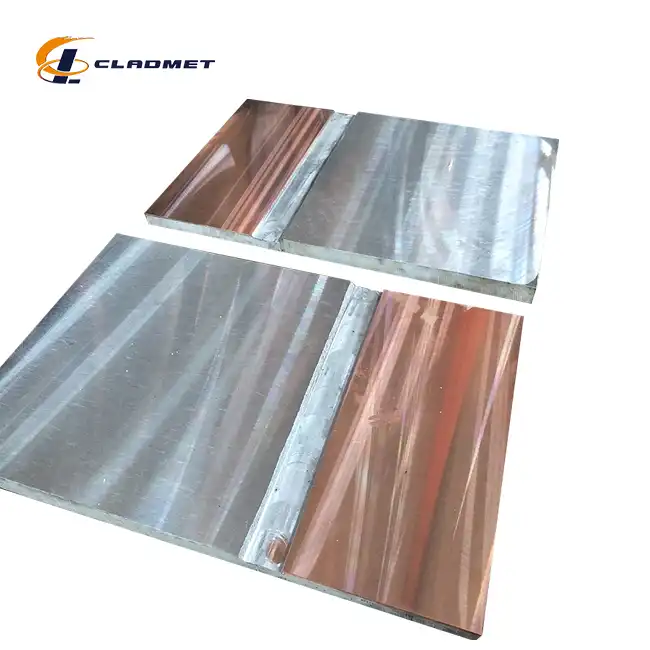
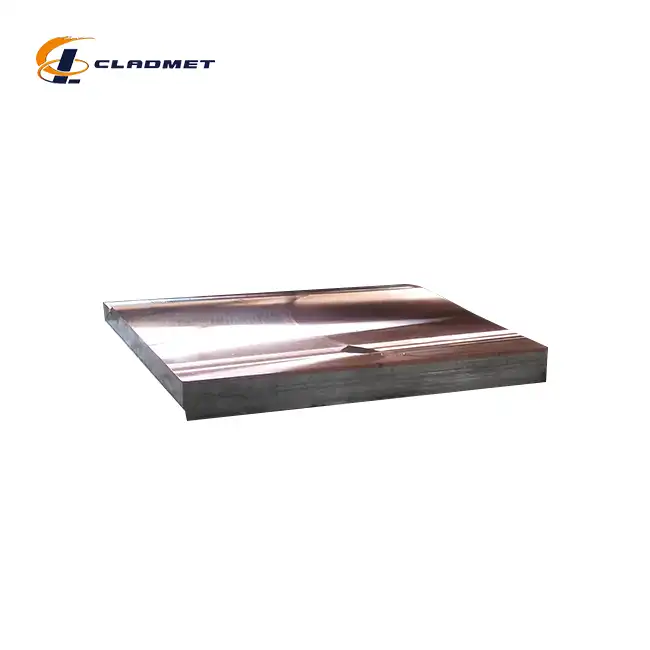
View:389Imagine starting a critical aerospace project, only to discover that your titanium welds are contaminated, brittle, and prone to catastrophic failure. The fundamental problem in welding titanium alloys is the elimination of atmospheric contamination to ensure embrittlement of the weld zone does not take place, as oxygen infiltration can corrupt the weld making the metal brittle and prone to cracking. This scenario highlights the most significant challenge in titanium welding: atmospheric contamination leading to oxygen embrittlement. For manufacturers seeking reliable solutions, Explosion Welding Titanium Clad Stainless Steel Plate technology offers an innovative approach that eliminates many traditional welding complications while maintaining superior bond integrity and performance characteristics.
Understanding Atmospheric Contamination in Titanium Welding
The biggest issue when welding titanium is that it is highly reactive towards oxygen and nitrogen in the air, with titanium having a very high tendency to oxidize at higher temperatures. This reactivity makes titanium fundamentally different from conventional metals like steel, where atmospheric contamination poses minimal concerns during welding operations.
-
The Science Behind Oxygen Embrittlement
Atmospheric contamination occurs when titanium reaches elevated temperatures during welding processes. When the material is heated during welding, oxygen found in ambient air can infiltrate and corrupt the weld, making the metal brittle and prone to cracking or premature fracture in service. This contamination affects not only the weld pool but also the heat-affected zone and adjacent hot areas, creating widespread structural weaknesses. The contamination process involves oxygen and nitrogen atoms dissolving into the titanium matrix at high temperatures. These interstitial elements dramatically alter the mechanical properties of titanium, similar to how carbon affects steel properties. However, unlike controlled carbon addition in steel, atmospheric contamination in titanium is entirely detrimental, causing embrittlement, reduced ductility, and increased susceptibility to stress corrosion cracking. Explosion Welding Titanium Clad Stainless Steel Plate technology addresses this challenge by eliminating the need for high-temperature fusion welding. Instead, controlled explosive energy creates metallurgical bonds at room temperature, completely avoiding atmospheric contamination issues that plague conventional welding methods.
-
Visual Indicators of Contamination
Color is not an issue with steel, but with titanium color can be an indicator of problems with the welding technique, as different welding processes respond differently and create different levels of color on titanium. Experienced welders use color changes as diagnostic tools to identify contamination levels and adjust their techniques accordingly. Proper titanium welds typically exhibit silver or light straw colors, indicating minimal oxidation. As contamination increases, colors progress through darker straw, brown, purple, and blue hues. Dark colors signal significant atmospheric contamination and potential weld failure. This visual feedback system helps quality control personnel identify problematic welds before they enter service.
Precision Requirements and Technical Challenges
Perhaps one of the greatest challenges of titanium welding is simply having a steady hand, as even slight movements or jerks can misalign the weld, cause mistakes, or result in a bad weld and a ruined workpiece. This precision requirement adds another layer of complexity beyond atmospheric contamination concerns.
-
Equipment and Environmental Control
It is extremely important to keep the molten metal away from atmospheric air, requiring shielding with inert gases like Helium or Argon, with only TIG welding with perfect shielding and high purity argon gas to be employed. The equipment requirements for successful titanium welding include sophisticated gas delivery systems, backup shielding arrangements, and contamination-free work environments. Professional titanium welding operations typically require glove boxes or controlled atmosphere chambers for critical applications. These environments maintain inert atmospheres throughout the entire welding process, from preparation through cooling. The complexity and cost of such setups make traditional titanium welding economically challenging for many applications. Explosion Welding Titanium Clad Stainless Steel Plate manufacturing eliminates these environmental control requirements. The explosive bonding process occurs in ambient conditions, creating strong metallurgical bonds without the need for inert atmospheres or specialized welding chambers.
-
Surface Preparation Challenges
You need to remove the titanium oxide layer that formed naturally on the surface, and DON'T use Chlorinated Fluoro Carbon (CFC) or other chlorides to clean titanium as they can lead to stress-corrosion cracking after the welded piece is heated above 430°C (800°F) during welding. Proper surface preparation requires specific cleaning procedures and compatible solvents to avoid introducing contaminants that could compromise weld integrity. Traditional titanium welding demands meticulous surface preparation including mechanical cleaning, chemical etching, and solvent cleaning with approved materials. Any residual contamination, including fingerprints, oils, or improper cleaning agents, can cause weld defects or long-term performance issues.
Material Handling and Processing Difficulties
Titanium can be difficult to weld because there are more things that need attention than with TIG welding stainless steel, and the rod becomes very gummy when welding and wants to stick on the outskirts of the weld. These handling characteristics add operational complexity and increase the skill level required for successful titanium welding.
-
Thermal Management Issues
Welding titanium is difficult because of its high melting point due to its strong chemical bond, requiring manufacturers to generate and maintain enough heat to accomplish proper fusion during welding. The high melting point creates thermal management challenges, as welders must balance sufficient heat input for fusion while minimizing the time at elevated temperatures to reduce contamination risks. Heat input control becomes critical in titanium welding operations. Excessive heat input increases contamination risks and creates larger heat-affected zones with degraded properties. Insufficient heat input results in incomplete fusion and weak joints. This narrow processing window requires exceptional skill and experience to navigate successfully.Explosion Welding Titanium Clad Stainless Steel Plate technology sidesteps thermal management issues entirely. The explosive bonding process generates intense localized heating for microseconds, creating strong bonds without bulk heating that characterizes conventional welding processes. This approach eliminates heat-affected zones and associated property degradation.
Advanced Solutions: Explosion Welding Technology
Modern manufacturing has developed innovative approaches to overcome traditional titanium welding challenges. Explosion Welding Titanium Clad Stainless Steel Plate represents a paradigm shift from conventional welding methods, offering superior performance characteristics without atmospheric contamination risks.
-
Process Advantages
Explosive bonding utilizes controlled explosive energy to create metallurgical bonds between titanium and stainless steel layers. The process involves precise explosive setup, high-velocity collision dynamics, and instantaneous bond formation. This approach eliminates molten metal pools, atmospheric exposure, and extended high-temperature exposure that characterize conventional welding. The explosive bonding process creates wave-like interfaces between materials, resulting in bond strengths often exceeding base material properties. These bonds exhibit excellent resistance to fatigue, thermal cycling, and corrosive environments. The absence of heat-affected zones means parent material properties remain unchanged adjacent to bond lines.
-
Quality and Reliability Benefits
Explosion Welding Titanium Clad Stainless Steel Plate offers consistent quality characteristics impossible to achieve with conventional welding methods. The process eliminates human variability factors such as arc manipulation, travel speed control, and shielding gas management that affect traditional welding quality. Quality control for explosive bonding relies on process parameter verification rather than post-weld inspection techniques. Once process parameters are established and verified, subsequent production maintains consistent quality levels. This predictability makes explosive bonding attractive for critical applications where weld reliability is paramount.
Industry Applications and Performance Requirements
Chemical processing, aerospace, and marine industries demand titanium components with exceptional corrosion resistance and mechanical properties. Traditional welding methods often compromise these characteristics through contamination and heat-affected zone formation. Explosion Welding Titanium Clad Stainless Steel Plate maintains full material properties while providing design flexibility and cost efficiency.
-
Chemical Processing Applications
Chemical processing environments expose materials to aggressive chemicals, elevated temperatures, and corrosive conditions. Titanium's exceptional corrosion resistance makes it ideal for these applications, but welding complications often limit design options. Explosion Welding Titanium Clad Stainless Steel Plate provides titanium corrosion resistance with stainless steel structural properties and weldability. Process equipment fabrication benefits significantly from clad plate technology. Pressure vessels, heat exchangers, and reaction vessels can utilize titanium surfaces for chemical compatibility while maintaining stainless steel structural integrity. This approach reduces material costs while providing superior performance compared to solid titanium construction.
-
Aerospace and Marine Industries
Aerospace applications demand lightweight components with exceptional strength-to-weight ratios and corrosion resistance. Traditional titanium welding creates inspection challenges and potential failure modes that compromise safety margins. Explosion Welding Titanium Clad Stainless Steel Plate eliminates these concerns while providing design flexibility for complex geometries. Marine environments present unique challenges combining saltwater corrosion with mechanical loading and fatigue conditions. Titanium's seawater resistance combined with stainless steel's structural properties creates optimal material combinations for offshore platforms, ship components, and underwater equipment.
Manufacturing Standards and Quality Assurance
Modern Explosion Welding Titanium Clad Stainless Steel Plate manufacturing adheres to rigorous international standards including ASME, ASTM, and JIS specifications. Quality management systems incorporating ISO9001-2000 certification ensure consistent product quality and traceability throughout production processes.
-
Testing and Validation Protocols
Comprehensive testing protocols verify bond integrity, mechanical properties, and corrosion resistance characteristics. Non-destructive testing methods including ultrasonic examination, radiographic inspection, and dye penetrant testing validate bond quality without compromising product integrity. Mechanical testing verifies tensile strength, shear strength, and bend performance exceeding specification requirements. Metallurgical examination confirms proper bonding interfaces and absence of defects that could compromise long-term performance. Corrosion testing validates resistance characteristics in simulated service environments, ensuring products meet application-specific requirements.
Conclusion
The fundamental problem in welding titanium alloys is the elimination of atmospheric contamination to ensure embrittlement of the weld zone does not take place. This challenge, combined with precision requirements and material handling difficulties, makes traditional titanium welding complex and expensive. Explosion Welding Titanium Clad Stainless Steel Plate technology offers innovative solutions that eliminate these problems while providing superior performance characteristics.
Cooperate with Baoji JL Clad Metals Materials Co., Ltd.
Baoji JL Clad Metals Materials Co., Ltd. stands as a key EXW clad metals materials manufacturer in China, supported by the local High-tech Development District. JL CLAD METALS specializes in manufacturing and sales of various titanium materials and clad metals including titanium alloys, nickel alloys, stainless steel, copper, aluminum, tantalum, zirconium, and columbium. Our products serve chemical equipment applications in petroleum, chemical, pharmaceutical, light industry, metallurgy, electric power, and environmental protection sectors with excellent domestic and international market presence.
Our manufacturing processes strictly execute national and international standards including GB/GBT, ASME/ASTM, and JIS codes. We achieved ISO9001-2000 certification ahead of competitors and successfully passed PED and ABS international qualifications in 2024. Our independent explosive composite technology, self-rolling plates, international qualifications, and global sales capabilities with customization options provide unmatched advantages for our clients.
As a leading China Explosion Welding Titanium Clad Stainless Steel Plate factory, we offer comprehensive OEM services meeting specific customer requirements. Whether you need customized sizes, thicknesses, or specialized processing, our expert team delivers precision and efficiency. Our China Explosion Welding Titanium Clad Stainless Steel Plate supplier capabilities include High Quality Explosion Welding Titanium Clad Stainless Steel Plate at competitive prices. Contact us at stephanie@cladmet.com for Explosion Welding Titanium Clad Stainless Steel Plate for sale inquiries and discover why we're the preferred China Explosion Welding Titanium Clad Stainless Steel Plate manufacturer and wholesale supplier.
FAQ
Q: What causes titanium weld contamination?
A: Atmospheric oxygen and nitrogen react with heated titanium during welding, causing embrittlement and reduced mechanical properties.
Q: Why is titanium welding more difficult than steel?
A: Titanium requires inert atmosphere protection, precise temperature control, and specialized cleaning procedures due to its high reactivity with atmospheric gases.
Q: Can explosion welding eliminate titanium welding problems?
A: Yes, explosion welding creates bonds at room temperature, eliminating atmospheric contamination and heat-affected zone issues.
Q: What industries benefit from titanium clad plates?
A: Chemical processing, aerospace, marine, and pharmaceutical industries benefit from titanium's corrosion resistance combined with stainless steel's structural properties.
References
1. "Structural Welding Code—Titanium (AWS D1.9/D1.9M)" - American Welding Society Standards Committee
2. "Titanium Welding Handbook" - Miller, J.E., Aerospace Materials Engineering Institute
3. "Atmospheric Contamination Effects in Titanium Welding" - Thompson, R.K., Journal of Materials Processing Technology
4. "Explosion Welding: Principles and Applications" - Davies, P.M., Institute of Materials Engineering