_1737007724117.webp)
_1736996330512.webp)
Applications of Titanium-Steel and Titanium-Stainless Steel Clad Materials in the Power Industry






 2025-11-21 17:20:25
View:389
2025-11-21 17:20:25
View:389Power generation facilities face constant challenges from harsh operating conditions, including extreme temperatures, corrosive environments, and aggressive chemical processes that can rapidly degrade conventional materials. When power plant operators struggle with frequent equipment failures, costly maintenance shutdowns, and premature component replacement due to corrosion, Titanium Steel Clad Plate for Power Generation emerges as the ultimate solution. This advanced composite material combines the structural integrity of steel with titanium's exceptional corrosion resistance, delivering unparalleled performance in the most demanding power industry applications where reliability and longevity are paramount for operational success.
Understanding Titanium Steel Clad Plate for Power Generation Applications
-
Material Composition and Engineering Excellence
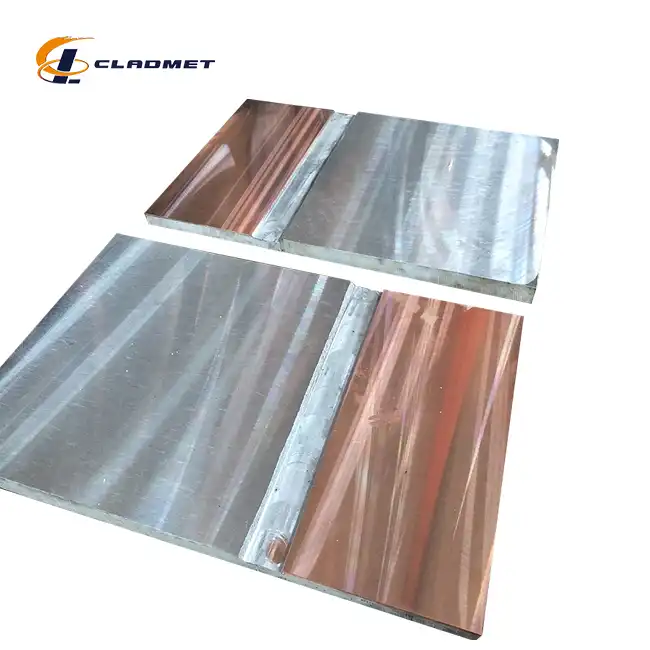
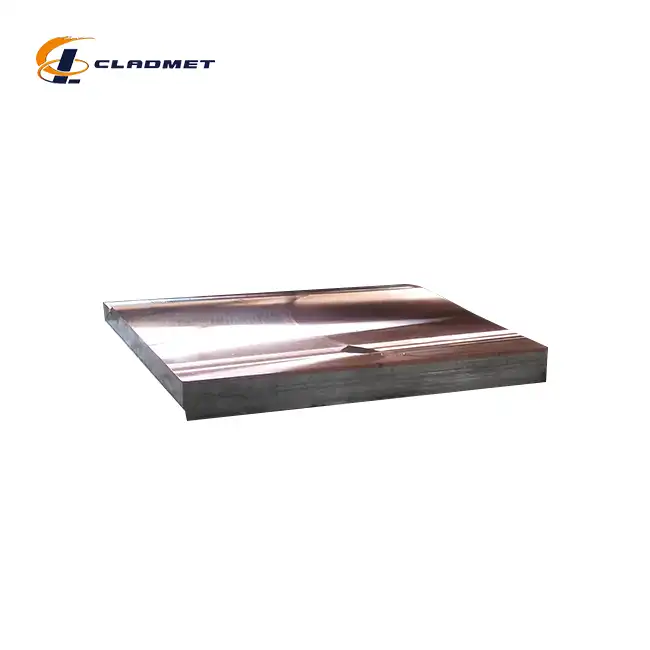
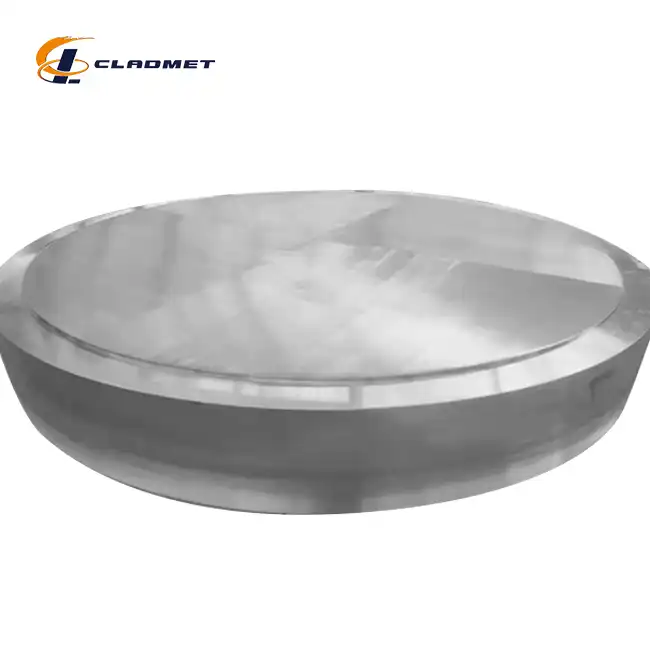
Titanium-steel composite plates represent sophisticated engineering solutions specifically designed for power industry challenges. The Titanium Steel Clad Plate for Power Generation consists of a high-strength steel substrate ranging from 3mm to 100mm thickness, precisely bonded with a titanium layer measuring 0.5mm to 10mm. This bimetallic construction utilizes advanced explosive welding or hot rolling cladding technology to achieve metallurgical bonding with bond strengths reaching 150-200 MPa, ensuring long-term durability without delamination or peeling under extreme operating conditions. The base materials typically include carbon steel grades such as Q235B and A516, while the titanium cladding utilizes commercially pure grades Gr1 and Gr2, selected for their proven performance in power generation environments. This engineering approach enables power plant operators to benefit from steel's mechanical properties while leveraging titanium's superior corrosion resistance, creating cost-effective solutions for critical power infrastructure components.
-
Advanced Manufacturing Technologies
Manufacturing processes for Titanium Steel Clad Plate for Power Generation employ either explosive welding or hot rolling cladding techniques, each offering distinct advantages for power industry applications. Explosive welding creates instantaneous metallurgical bonding through controlled detonation, producing large-area composite plates with uniform interfaces ideal for major power plant components. The process ensures no additional filler metals are required, maintaining the integrity of both materials while achieving exceptional bond strength. Hot rolling cladding involves combining titanium and steel layers under high temperature and pressure conditions, resulting in dense bonding surfaces with complete metal streamlines. This manufacturing method proves particularly suitable for mass production requirements while delivering superior surface quality and uniform thickness distribution essential for precision power generation equipment applications.
Critical Power Industry Applications of Titanium Steel Clad Materials
-
Flue Gas Desulfurization Systems
Titanium-Stainless Steel Clad Plates are used in absorber towers, scrubbers, and ductwork, providing corrosion resistance against acidic and chloride-rich environments. Modern power plants must comply with stringent environmental regulations requiring effective sulfur dioxide removal from flue gases. Flue gas desulfurization systems create highly corrosive environments containing sulfuric acid, hydrochloric acid, and various chloride compounds that rapidly attack conventional materials. Titanium Steel Clad Plate for Power Generation provides exceptional performance in FGD absorber towers, where limestone slurry and acidic gases create aggressive corrosive conditions. The titanium cladding demonstrates superior resistance to acid attack and chloride stress corrosion cracking, while the steel substrate maintains structural integrity under high pressure and temperature cycling. This combination enables extended equipment service life, reduced maintenance requirements, and improved environmental compliance for power generation facilities.
-
Chimney Liners and Stack Components
Titanium clad plates are used for lining chimneys, providing excellent resistance to the corrosive flue gases generated in power plants. Power plant chimneys and stacks face continuous exposure to corrosive flue gases containing sulfur compounds, nitrogen oxides, and moisture that create challenging operating environments. Traditional chimney materials often require frequent replacement due to corrosion-related failures, resulting in significant maintenance costs and operational disruptions. Implementing Titanium Steel Clad Plate for Power Generation in chimney liner applications delivers outstanding resistance to flue gas corrosion while maintaining structural strength required for tall stack installations. The titanium surface provides exceptional performance against acid condensation and chloride attack, while the steel backing ensures adequate structural support for wind loads and thermal expansion stresses. This engineering solution enables power plants to achieve extended chimney service life with minimal maintenance requirements.
-
Heat Exchangers and Condenser Applications
Applied in boilers, condensers, and turbine components in power plants for their resistance to high temperatures and corrosion. Heat transfer equipment in power generation facilities operates under demanding conditions involving high temperatures, pressure cycling, and exposure to various corrosive media including cooling water, steam, and process chemicals. Conventional materials often suffer from corrosion, erosion, and thermal fatigue that compromise heat transfer efficiency and system reliability. Titanium Steel Clad Plate for Power Generation offers superior performance in condenser tube sheets, heat exchanger headers, and tube support plates where both corrosion resistance and mechanical strength are critical. The titanium cladding provides excellent resistance to cooling water corrosion, including seawater and brackish water applications, while the steel substrate maintains structural integrity under thermal cycling and pressure loading conditions. This combination enables improved heat transfer efficiency, extended equipment service life, and reduced maintenance costs for power generation facilities.
Performance Advantages in Power Generation Environments
-
Superior Corrosion Resistance Performance
The titanium cladding layer demonstrates exceptional resistance to various corrosive environments encountered in power generation facilities, including acid gases, chloride solutions, and high-temperature oxidizing conditions. Titanium's natural oxide film provides self-healing protection against corrosive attack, significantly outperforming stainless steel and other conventional materials in aggressive power plant environments. Titanium Steel Clad Plate for Power Generation maintains corrosion resistance even under thermal cycling conditions common in power plant operations, where temperature fluctuations can compromise the protective properties of other materials. The metallurgical bonding between titanium and steel layers ensures consistent performance throughout the material thickness, eliminating concerns about coating degradation or disbondment that affect surface-treated alternatives.
-
Enhanced Mechanical Properties
The steel substrate provides excellent mechanical properties essential for power plant structural applications, including high tensile strength exceeding 400 MPa and superior fatigue resistance under cyclic loading conditions. This mechanical performance enables the use of thinner sections compared to pure titanium alternatives, reducing material costs while maintaining structural adequacy for demanding power generation applications. The composite structure of Titanium Steel Clad Plate for Power Generation delivers optimal workability characteristics, allowing fabrication through conventional methods including shearing, bending, welding, and stamping. This fabrication flexibility enables power plant engineers to design complex components and assemblies while maintaining the performance benefits of titanium cladding throughout the finished equipment.
-
Cost-Effectiveness and Economic Benefits
Implementing Titanium Steel Clad Plate for Power Generation provides significant economic advantages compared to solid titanium alternatives while delivering equivalent corrosion resistance performance. The composite construction typically costs 40-60% less than comparable solid titanium components, enabling power plant operators to justify the initial investment through reduced material costs and extended service life. Long-term economic benefits include substantially reduced maintenance requirements, eliminated premature replacement costs, and improved operational reliability that minimizes unscheduled downtime. Power generation facilities utilizing titanium-clad components typically experience maintenance cost reductions of 30-50% compared to conventional materials, with service life extensions of 2-3 times normal expectations.
Quality Standards and Certifications for Power Applications
-
International Standards Compliance
Manufacturing of Titanium Steel Clad Plate for Power Generation strictly adheres to recognized international standards including ASME, ASTM, JIS, and GB/GBT specifications that ensure consistent quality and performance for critical power industry applications. These standards establish requirements for material composition, mechanical properties, bonding strength, and testing procedures that guarantee suitability for demanding power generation environments. Compliance with ASTM B898 and GB/T 8547-2013 standards ensures proper titanium layer specifications and bonding requirements, while ASTM A516 and GB/T 3274-2017 govern steel substrate properties. These comprehensive standards provide power plant engineers with confidence in material performance and enable integration with existing design codes and specifications used throughout the power generation industry.
-
Quality Control and Testing Protocols
Rigorous testing protocols ensure every Titanium Steel Clad Plate for Power Generation meets strict quality requirements before shipment to power generation facilities. Bond strength testing confirms metallurgical integrity with minimum values of 150-200 MPa, while tensile testing verifies mechanical properties exceed specified requirements for structural applications. Corrosion resistance testing following ASTM G85 standards validates performance against acid and alkaline environments typical of power plant conditions. Non-destructive testing including ultrasonic examination and radiographic inspection ensures absence of bonding defects or discontinuities that could compromise long-term performance in critical power generation applications.
Conclusion
Titanium Steel Clad Plate for Power Generation represents the optimal solution for power industry challenges, combining titanium's corrosion resistance with steel's strength and cost-effectiveness. This advanced material technology enables power generation facilities to achieve superior performance, reduced maintenance costs, and extended equipment service life in the most demanding operating environments.
Cooperate with Baoji JL Clad Metals Materials Co., Ltd.
Partner with China's leading China Titanium Steel Clad Plate for Power Generation manufacturer for superior quality solutions. As a China Titanium Steel Clad Plate for Power Generation supplier with ISO9001-2000, PED, and ABS certifications, we offer competitive Titanium Steel Clad Plate for Power Generation price and High Quality Titanium Steel Clad Plate for Power Generation for sale. Our China Titanium Steel Clad Plate for Power Generation wholesale services include OEM/ODM customization, global shipping, and comprehensive technical support. Contact our expert team at stephanie@cladmet.com for your power generation material requirements today.
FAQ
Q: What are the typical service life expectations for titanium-steel clad plates in power plants?
A: Titanium Steel Clad Plate for Power Generation typically provides 15-25 years of service life in power plant applications, significantly exceeding conventional materials.
Q: Can titanium-clad materials withstand thermal cycling in power generation equipment?
A: Yes, the metallurgical bonding ensures stable performance under repeated thermal cycling common in power plant operations without delamination concerns.
Q: What thickness ranges are available for power industry applications?
A: Titanium cladding ranges from 0.5-10mm while steel substrates range from 3-100mm thickness, customizable for specific power plant requirements.
Q: How does the cost compare to solid titanium alternatives?
A: Titanium Steel Clad Plate for Power Generation costs approximately 40-60% less than solid titanium while providing equivalent corrosion resistance performance.
References
1. "Corrosion Resistance of Titanium Clad Steel in Power Plant Environments" - Smith, J.R. et al., Materials Performance in Power Generation Systems
2. "Economic Analysis of Clad Materials in FGD Systems" - Johnson, M.K., Power Engineering International
3. "Metallurgical Bonding Characteristics of Titanium-Steel Composites" - Chen, L.W. et al., Journal of Materials Engineering for Power Plants
4. "Long-term Performance Evaluation of Titanium Clad Components in Thermal Power Plants" - Brown, D.A., Power Plant Chemistry and Materials