_1737007724117.webp)
_1736996330512.webp)
What is a Titanium Steel Clad Plate and How Is It Used?






 2025-12-01 11:13:20
View:389
2025-12-01 11:13:20
View:389In today's demanding industrial environments, engineers and procurement specialists face a critical challenge: finding materials that deliver both exceptional corrosion resistance and structural strength without breaking the budget. Enter the High Strength Titanium Clad Stainless Steel Plate – a revolutionary composite material that solves this exact dilemma by combining titanium's superior corrosion properties with steel's proven durability. This comprehensive guide explores everything you need to know about these advanced materials and their transformative applications across multiple industries.
Understanding High Strength Titanium Clad Stainless Steel Plates
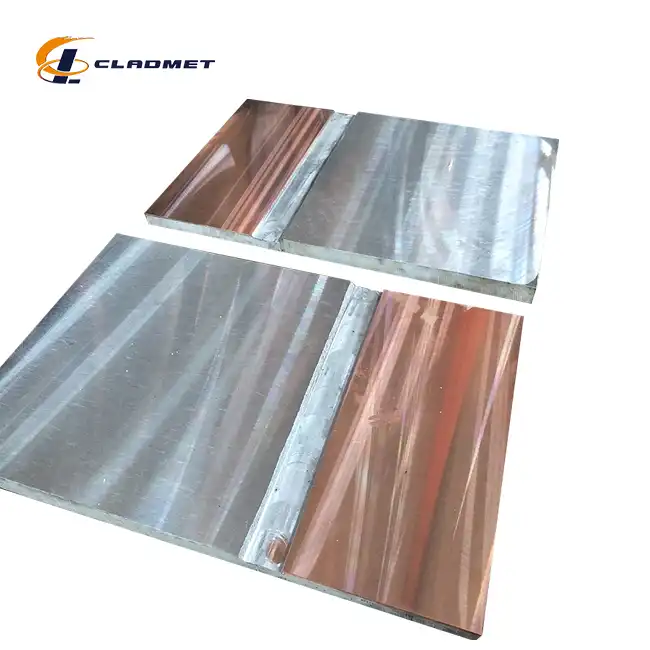
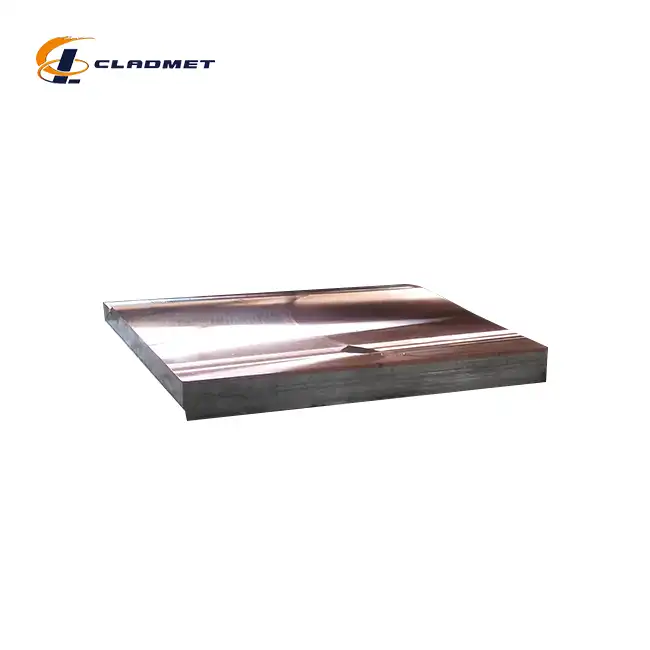
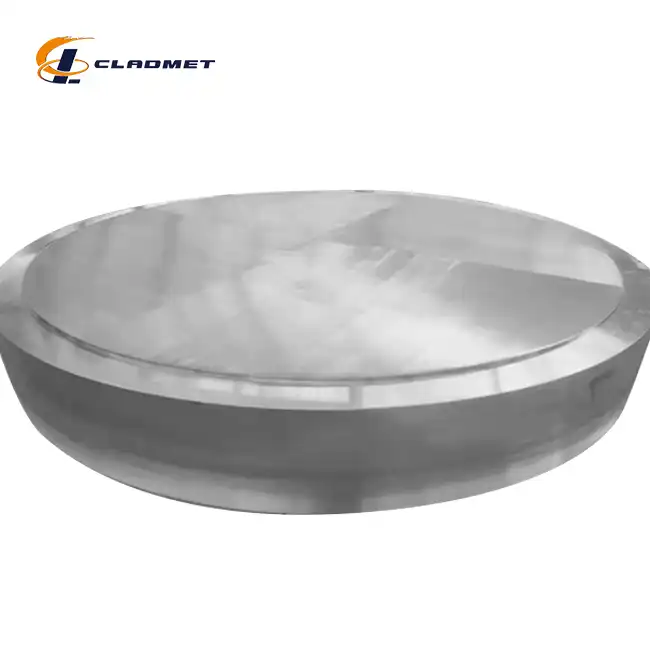
Titanium steel clad plates are advanced composite materials that combine the exceptional properties of titanium with the structural strength and cost-effectiveness of steel. These innovative materials represent a breakthrough in metallurgical engineering, addressing the longstanding challenge of balancing performance with economic viability in corrosive environments. The High Strength Titanium Clad Stainless Steel Plate consists of a robust stainless steel substrate bonded with a thin layer of pure titanium or titanium alloy on one or both surfaces. This unique construction method preserves the mechanical strength characteristics of stainless steel while providing the exceptional corrosion resistance that titanium is renowned for. The bonding process typically involves explosive welding, roll bonding, or hot isostatic pressing techniques, each selected based on specific application requirements and performance criteria.
-
Material Composition and Grade Selection
High Strength Titanium Clad Stainless Steel Plates utilize various titanium grades including Grade 1, Grade 2, and Grade 5, each offering distinct properties suited for different applications. The stainless steel substrate commonly employs 304, 316, or other specialized grades depending on the intended service environment. This strategic material selection ensures optimal performance characteristics while maintaining cost-effectiveness compared to solid titanium construction.
Manufacturing Technologies for High Strength Titanium Clad Stainless Steel Plates
The production of High Strength Titanium Clad Stainless Steel Plates involves sophisticated manufacturing processes that ensure reliable metallurgical bonding between the dissimilar materials. These advanced techniques have been refined over decades to achieve consistent quality and performance standards required for critical industrial applications.
-
Explosive Bonding Process
Explosive bonding represents the most widely adopted method for producing High Strength Titanium Clad Stainless Steel Plates. This process utilizes controlled explosive energy to create a metallurgical bond at the atomic level between titanium and stainless steel surfaces. The procedure begins with meticulous surface preparation of both materials, followed by precise placement of explosive charges designed to generate specific pressure waves upon detonation. The explosive impact creates an intense, high-velocity collision that forces the materials together under extreme pressure and temperature conditions. This results in a wavy interface pattern that significantly enhances bond strength and durability. The explosive bonding method is particularly favored for manufacturing pressure vessels, heat exchangers, and other equipment requiring exceptional bond integrity under demanding operational conditions.
-
Roll Bonding Technology
Roll bonding technology employs mechanical pressure to achieve adhesion between titanium and stainless steel layers in High Strength Titanium Clad Stainless Steel Plates. This process involves passing the prepared materials through specialized rollers under precisely controlled pressure and temperature conditions. Multiple rolling passes may be required to achieve the desired bond strength and thickness uniformity. The roll bonding process offers excellent dimensional control and surface finish quality, making it ideal for applications requiring thin clad plates with precise tolerances. This manufacturing method is particularly suitable for chemical processing equipment, offshore structures, and marine applications where consistent material properties are essential for long-term performance.
-
Hot Isostatic Pressing Applications
Hot Isostatic Pressing represents an advanced manufacturing technique for producing High Strength Titanium Clad Stainless Steel Plates with exceptional bond quality. This process involves placing the materials within a sealed container and subjecting them to uniform high temperature and pressure in a controlled atmosphere. The isostatic pressure ensures consistent bonding across the entire surface area, while the elevated temperature promotes atomic diffusion between the materials. This method is particularly suitable for aerospace applications and other critical industries where superior bonding integrity is paramount. The HIP process produces High Strength Titanium Clad Stainless Steel Plates with minimal defects and outstanding mechanical properties, though it typically requires longer processing times and higher production costs compared to other bonding methods.
Industrial Applications of High Strength Titanium Clad Stainless Steel Plates
In the equipment field, the main applications include chemical equipment for phthalic acid manufacturing equipment, and titanium condenser tube plates for power plants. The versatility of High Strength Titanium Clad Stainless Steel Plates has led to their adoption across numerous industrial sectors, each benefiting from the unique combination of properties these materials provide.
-
Chemical Processing Industry Applications
The chemical processing industry represents one of the largest markets for High Strength Titanium Clad Stainless Steel Plates due to the aggressive nature of many chemical environments. These materials excel in applications involving organic acids, inorganic acids, and chlorinated compounds that would rapidly degrade conventional stainless steel. Typical applications include reaction vessels, distillation columns, heat exchangers, and piping systems handling corrosive media. High Strength Titanium Clad Stainless Steel Plates offer exceptional resistance to pitting, crevice corrosion, and stress corrosion cracking in chloride environments. This makes them ideal for chlor-alkali production facilities, bleaching systems, and other processes involving aggressive chemicals. The cost savings compared to solid titanium construction often justify the investment while maintaining the required corrosion performance.
-
Marine and Offshore Applications
The titanium cladding provides outstanding resistance to seawater corrosion and marine biofouling, while the steel substrate ensures structural requirements are met economically. Marine environments present unique challenges due to the corrosive nature of seawater and the mechanical stresses imposed by waves, currents, and weather conditions. High Strength Titanium Clad Stainless Steel Plates have proven invaluable in desalination plants, offshore platform components, shipbuilding, and marine heat exchangers. The titanium surface resists biofouling and provides long-term corrosion protection, while the stainless steel substrate delivers the structural strength required for marine applications. This combination results in extended service life and reduced maintenance requirements in harsh marine environments.
-
Power Generation Sector
The power generation industry utilizes High Strength Titanium Clad Stainless Steel Plates extensively in condenser tube sheets, heat exchanger components, and cooling water systems. These applications often involve exposure to seawater, brackish water, or other corrosive cooling media that would compromise conventional materials over time. The superior thermal conductivity of the stainless steel substrate combined with titanium's corrosion resistance creates an ideal solution for power plant applications. Nuclear power facilities particularly benefit from High Strength Titanium Clad Stainless Steel Plates in secondary cooling circuits and other systems where material reliability is critical. The proven performance of these materials in power generation applications has led to widespread adoption and numerous successful installations worldwide.
Technical Specifications and Quality Standards
High Strength Titanium Clad Stainless Steel Plates manufactured by leading suppliers adhere to rigorous international standards including GB/GBT, ASME/ASTM, and JIS specifications. These standards ensure consistent material properties, dimensional tolerances, and performance characteristics required for critical applications across various industries.
-
Dimensional Capabilities and Customization Options
Modern manufacturing facilities can produce High Strength Titanium Clad Stainless Steel Plates with thicknesses ranging from 1mm to 100mm, lengths up to 12,000mm, and widths up to 3,000mm. This extensive range of dimensional capabilities allows for customization to meet specific project requirements while maintaining cost-effectiveness through optimized material utilization. The cladding thickness can be precisely controlled based on application requirements, typically ranging from 1mm to 10mm depending on the corrosion environment and expected service life. Custom surface treatments including polishing, sandblasting, and specialized finishes are available to meet specific performance or aesthetic requirements.
-
Quality Control and Certification Requirements
Stringent quality control measures are implemented throughout the manufacturing process for High Strength Titanium Clad Stainless Steel Plates. This includes comprehensive testing for bond strength, corrosion resistance, mechanical properties, and dimensional accuracy. Non-destructive testing methods such as ultrasonic inspection ensure the integrity of the titanium-steel bond throughout the entire plate surface. Leading manufacturers maintain ISO9001-2000 quality management systems and have achieved prestigious certifications including PED and ABS international qualifications. These certifications provide assurance that High Strength Titanium Clad Stainless Steel Plates meet the highest standards for safety, reliability, and performance in demanding applications.
Economic Advantages and Cost-Benefit Analysis
The economic advantages of High Strength Titanium Clad Stainless Steel Plates become particularly evident when considering total lifecycle costs rather than initial material expenses alone. While the upfront cost may be higher than conventional stainless steel, the extended service life, reduced maintenance requirements, and elimination of premature failures often result in significant long-term savings.
-
Comparative Cost Analysis
When compared to solid titanium construction, High Strength Titanium Clad Stainless Steel Plates typically offer cost savings of 30-50% while maintaining equivalent corrosion performance in most applications. This cost reduction stems from the efficient use of expensive titanium material only where it provides the greatest benefit – at the corrosion interface – while utilizing more economical stainless steel for structural support. The reduced weight compared to equivalent thickness solid steel plates can also provide secondary cost benefits through reduced shipping expenses, simplified handling requirements, and potential structural savings in supporting frameworks. These factors contribute to the overall economic attractiveness of High Strength Titanium Clad Stainless Steel Plates across various applications.
-
Return on Investment Considerations
The return on investment for High Strength Titanium Clad Stainless Steel Plates becomes apparent through extended equipment service life, reduced maintenance downtime, and improved process reliability. Many installations report service lives exceeding 20 years in corrosive environments where conventional materials would require replacement within 5-10 years. The elimination of unplanned maintenance shutdowns and emergency repairs provides additional economic benefits that are often difficult to quantify but represent significant value to plant operators. This reliability factor has made High Strength Titanium Clad Stainless Steel Plates increasingly popular in critical process applications where equipment failure could result in substantial production losses.
Conclusion
High Strength Titanium Clad Stainless Steel Plates represent a technological advancement that successfully addresses the conflicting requirements of corrosion resistance, structural integrity, and economic viability. These composite materials have proven their value across diverse industrial applications, from chemical processing to marine environments, consistently delivering superior performance while maintaining cost-effectiveness compared to alternative materials.
Cooperate with Baoji JL Clad Metals Materials Co., Ltd.
As a leading China High Strength Titanium Clad Stainless Steel Plate manufacturer, Baoji JL Clad Metals Materials Co., Ltd. stands at the forefront of clad metal technology. Our company specializes in manufacturing titanium materials and EXW clad metals, serving industries including petroleum, chemical, pharmaceutical, and environmental protection sectors worldwide. With ISO9001-2000 certification and successful PED and ABS qualifications achieved in 2024, we guarantee superior quality High Strength Titanium Clad Stainless Steel Plate solutions.
As your trusted China High Strength Titanium Clad Stainless Steel Plate supplier, we offer competitive High Strength Titanium Clad Stainless Steel Plate prices and comprehensive OEM services. Whether you need High Quality High Strength Titanium Clad Stainless Steel Plate or China High Strength Titanium Clad Stainless Steel Plate wholesale quantities, our expert team delivers customized solutions for your specific requirements. Contact us at stephanie@cladmet.com for High Strength Titanium Clad Stainless Steel Plate for sale inquiries.
FAQ
Q: What is the typical thickness range for titanium cladding on steel plates?
A: Titanium cladding typically ranges from 1mm to 10mm thickness, depending on the corrosion environment and expected service life requirements.
Q: How long do titanium clad steel plates last in marine environments?
A: High-quality titanium clad steel plates can provide 20+ years of service life in marine environments, significantly outperforming conventional stainless steel.
Q: What bonding methods ensure the strongest titanium-steel connection?
A: Explosive bonding typically provides the strongest metallurgical bond, followed by hot isostatic pressing and roll bonding methods.
Q: Can titanium clad steel plates be welded using standard techniques?
A: Special welding procedures are required for titanium clad plates, typically using TIG welding with appropriate filler materials and careful heat management.
References
1. "Explosive Welding of Metal Plates" by Crossland, B., Williams, J.D., and Blazynski, T.Z., Metallurgical and Materials Transactions
2. "Corrosion Resistance of Titanium and Titanium Alloys" by Schutz, R.W., Materials Performance International
3. "Clad Metal Technology and Applications" by American Society of Mechanical Engineers, ASME Standards Committee
4. "Industrial Applications of Composite Metal Plates" by Zhang, L., Chen, M., and Wang, H., Journal of Materials Science and Engineering