_1737007724117.webp)
_1736996330512.webp)






 2025-12-22 09:51:12
When selecting materials for desalination equipment, the choice between titanium steel clad plate and traditional stainless steel significantly impacts performance, longevity, and operational costs. Titanium Steel Clad Plate for Desalination Equipment emerges as the superior choice due to its exceptional corrosion resistance in marine environments, superior anti-scaling properties, and enhanced structural integrity under extreme conditions. While stainless steel offers cost advantages initially, titanium clad plates deliver unmatched durability and reduced maintenance requirements in seawater desalination applications, making them the preferred material for high-performance desalination plants worldwide.
Understanding Material Science: The Foundation of Desalination Equipment Performance
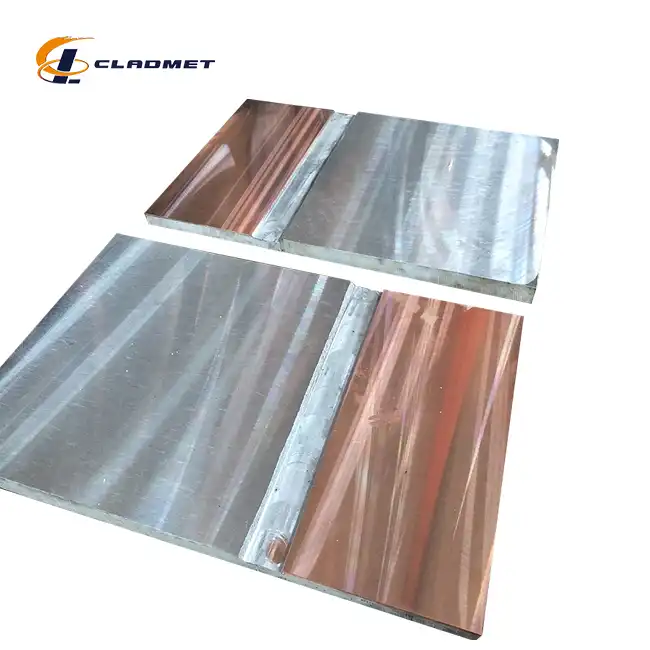
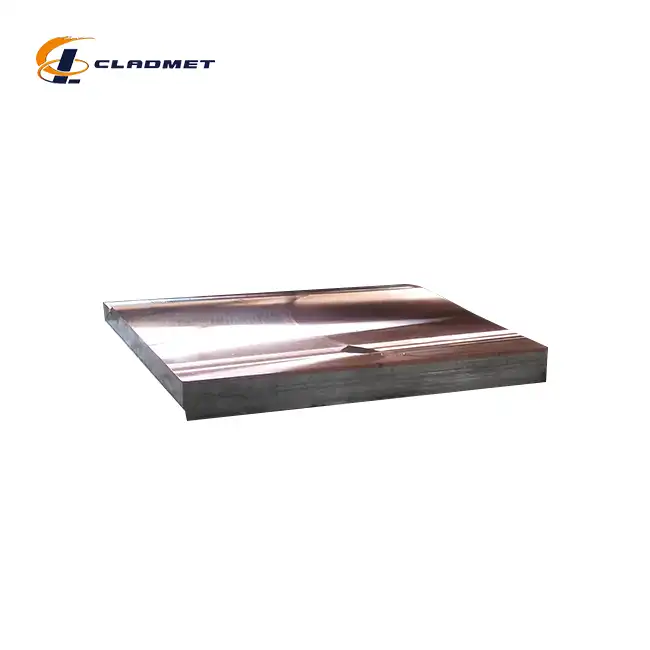
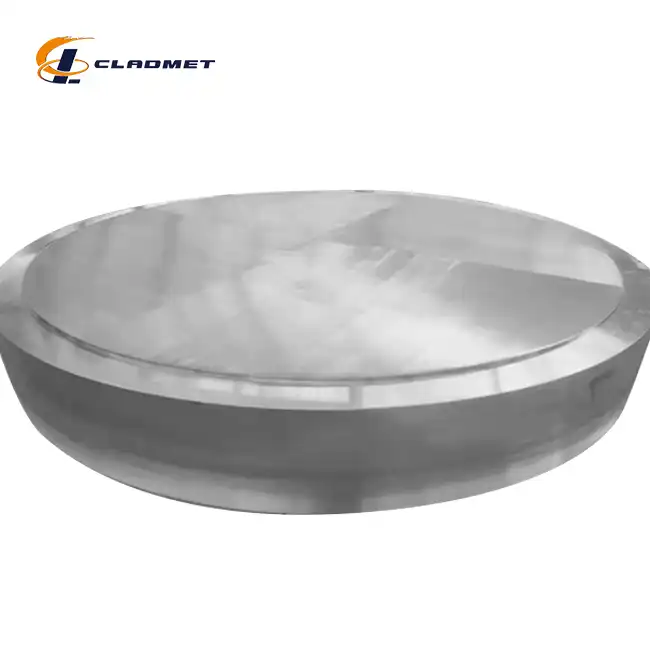
Desalination equipment operates in one of the most challenging environments industrial materials can face. The combination of high-salinity water, elevated temperatures, and constant pressure creates conditions that test the limits of metal performance. Understanding how different materials respond to these challenges forms the basis for making informed procurement decisions. Titanium alloy clad plates combine the strength of steel backing with titanium's remarkable chemical stability. This innovative construction method bonds titanium layers to steel substrates through explosive composite technology, creating a material that leverages the best properties of both metals. The titanium surface provides exceptional chloride resistance while the steel core maintains structural integrity and cost-effectiveness. Stainless steel, particularly grades 316L and 2205 duplex, has served the desalination industry for decades. These materials offer reasonable corrosion resistance and established manufacturing processes. However, their performance limitations become apparent in high-chloride environments where pitting corrosion and stress corrosion cracking can compromise equipment reliability. Recent advances in metal bonding technology have revolutionized clad metal production. Modern explosive bonding techniques achieve metallurgical bonds with strength exceeding 350 MPa, ensuring the titanium cladding remains securely attached even under thermal cycling conditions common in desalination operations.
Corrosion Resistance Analysis: Critical Performance Metrics
Corrosion resistance represents the most critical factor in desalination equipment material selection. Seawater contains approximately 35,000 ppm chlorides, creating an aggressive environment that rapidly degrades susceptible materials. Understanding corrosion mechanisms helps engineers select appropriate materials for specific applications. Testing data from ASTM G48 Method A reveals striking differences in material performance:
- Titanium Grade 2 clad plates: Zero pitting corrosion after 72 hours in 6% FeCl3 solution at 50°C
- 316L stainless steel: Critical Pitting Temperature (CPT) of 15°C in the same solution
- 2205 Duplex stainless steel: CPT of 35°C, significantly better than 316L but still vulnerable
Galvanic corrosion presents another challenge in mixed-metal environments. Titanium's position in the galvanic series makes it cathodic to most common metals, providing natural protection against galvanic attack. This characteristic proves particularly valuable in heat exchanger applications where different materials must work together. Erosion resistance becomes critical in high-velocity water applications. Titanium clad surfaces demonstrate superior resistance to erosion-corrosion compared to stainless steel alternatives. Testing at velocities up to 15 m/s shows minimal material loss for titanium, while stainless steel exhibits measurable erosion after extended exposure. Stress corrosion cracking (SCC) susceptibility varies dramatically between materials. Titanium remains immune to chloride-induced SCC, while austenitic stainless steels like 316L show susceptibility at temperatures above 60°C in chloride environments.
Economic Impact Assessment: Total Cost of Ownership Comparison
Initial material costs represent only a fraction of total ownership expenses in desalination equipment. A comprehensive economic analysis must consider maintenance frequency, replacement schedules, downtime costs, and operational efficiency impacts over the equipment's service life. Material cost comparison per square meter shows significant differences:
- 316L Stainless Steel: $25-35/m² for 6mm thickness
- 2205 Duplex Stainless Steel: $45-60/m² for 6mm thickness
- Titanium Steel Clad Plate: $120-180/m² for 6mm total thickness (2mm titanium + 4mm steel)
Maintenance cost analysis reveals the true economic picture. Stainless steel heat exchangers in reverse osmosis plants typically require cleaning every 3-6 months, with each cleaning cycle costing $15,000-25,000 including labor and downtime. Titanium clad equipment extends cleaning intervals to 12-18 months due to superior anti-scaling properties. Service life projections based on industry data show compelling differences:
- 316L Stainless Steel: 8-12 years in moderate service, 3-5 years in harsh conditions
- Titanium Clad Plates: 25-30 years with minimal degradation in all service conditions
Replacement costs include not only material expenses but also installation labor, equipment downtime, and lost production. A typical desalination plant shutdown for heat exchanger replacement costs $50,000-100,000 per day in lost water production revenue.
JL Clad Metals' Advanced Manufacturing Technology for Superior Performance
Baoji JL Clad Metals Materials Co., Ltd. has revolutionized titanium steel clad plate production through innovative manufacturing processes that deliver superior performance characteristics. Our proprietary explosive composite technology creates metallurgical bonds with tensile strengths exceeding industry standards, ensuring reliable performance in the most demanding applications. Key advantages of JL's titanium clad plates include:
- Independent explosive composite technology: Our patented bonding process achieves 99.9% bonding rates with uniform interface characteristics across entire plate surfaces
- Self-rolling plate capabilities: Complete in-house production control from raw materials to finished products ensures consistent quality and competitive pricing
- International quality certifications: ISO9001-2000, PED, and ABS certifications demonstrate our commitment to global quality standards
- Global sales network: Established distribution channels ensure reliable supply and local technical support worldwide
- Custom fabrication services: Complete OEM/ODM capabilities for specialized applications and unique dimensional requirements
- Advanced welding technology: Specialized welding procedures maintain clad integrity at joints and connections
- Superior thermal conductivity: Optimized interface bonding maximizes heat transfer efficiency in heat exchanger applications
- Enhanced chemical stability: Precise titanium layer thickness control ensures consistent corrosion resistance across all products
- Pressure vessel compatibility: Designs meet ASME and international pressure vessel codes for critical applications
- Marine environment optimization: Specialized surface treatments enhance performance in high-salinity conditions
Our research and development team continuously innovates to meet evolving industry requirements. Recent developments include improved bonding techniques that eliminate interface defects and enhanced surface treatments that further improve anti-scaling performance. These innovations position JL as a technology leader in clad metal manufacturing. Quality control measures at every production stage ensure consistent product performance. Raw material certification, process monitoring, non-destructive testing, and final inspection protocols guarantee that each plate meets or exceeds specification requirements. This comprehensive approach has earned recognition from major desalination equipment manufacturers worldwide.
Performance Comparison Table: Key Decision Factors
| Performance Factor | Titanium Steel Clad Plate | 316L Stainless Steel | 2205 Duplex Stainless Steel |
|---|---|---|---|
| Chloride Resistance | Excellent (No pitting) | Limited (CPT 15°C) | Good (CPT 35°C) |
| Service Life | 25-30 years | 8-12 years | 12-18 years |
| Initial Cost ($/m²) | $120-180 | $25-35 | $45-60 |
| Maintenance Frequency | 12-18 months | 3-6 months | 6-9 months |
| Heat Transfer Efficiency | Excellent | Good | Good |
| SCC Resistance | Immune | Susceptible >60°C | Resistant <80°C |
Application-Specific Recommendations for Optimal Material Selection
Different desalination processes and operating conditions require tailored material selection approaches. Understanding application-specific requirements helps engineers make optimal choices that balance performance and economic considerations. Reverse osmosis systems operate at relatively moderate temperatures but handle concentrated brine streams that challenge material durability. High-pressure pumps and energy recovery devices experience both corrosion and erosion effects. Heat exchangers in thermal desalination plants face elevated temperatures combined with high chloride concentrations. Multi-stage flash (MSF) distillation requires materials that withstand thermal cycling while maintaining structural integrity. Brine heaters operate at temperatures up to 120°C with concentrated seawater, creating severe corrosion conditions. Heat rejection sections handle cooler but still aggressive brine solutions. Multi-effect distillation (MED) systems present unique challenges with varying temperature and concentration profiles across effect stages. Materials must perform reliably across this range while maintaining heat transfer efficiency. Emerging technologies like forward osmosis and membrane distillation create new material requirements. These processes may operate at different temperature ranges or with novel chemical environments that traditional materials cannot handle effectively. If you need materials for high-temperature thermal desalination applications, then titanium clad plates are more suitable due to their superior performance at elevated temperatures and immunity to thermal stress cracking.
Future Trends and Technology Evolution in Desalination Materials
The desalination industry continues evolving toward more efficient and sustainable technologies. Material requirements adapt to support these advances while meeting increasingly stringent environmental regulations and operational demands. Energy efficiency improvements drive demand for enhanced heat transfer materials. Advanced titanium clad plates with optimized surface textures can improve heat transfer coefficients by 15-20% compared to smooth surfaces. These improvements translate directly into reduced energy consumption and operating costs. Digitalization and predictive maintenance technologies require materials with consistent, predictable performance characteristics. Titanium clad plates provide stable performance over extended periods, enabling accurate modeling and maintenance scheduling. Sustainability considerations increasingly influence material selection. Titanium's exceptional durability and recyclability align with circular economy principles. The extended service life of titanium clad equipment reduces resource consumption and waste generation over the facility lifecycle. Modular desalination system designs favor materials that support flexible configurations and easy installation. Standardized titanium clad components enable rapid deployment and scalability for various project sizes. If you need materials that support future technology integration and sustainability goals, then advanced titanium clad solutions are more suitable for next-generation desalination facilities.
Partner with JL for Premium Titanium Steel Clad Plate Solutions
Choosing the right titanium steel clad plate manufacturer directly impacts project success and long-term operational performance. JL Clad Metals brings decades of expertise and proven track record to every desalination project, ensuring you receive materials that exceed expectations. As a leading Titanium Steel Clad Plate for Desalination Equipment supplier, we understand the unique challenges facing modern desalination facilities. Our comprehensive product portfolio includes standard configurations and custom solutions tailored to specific application requirements. Whether you need plates for heat exchangers, pressure vessels, or specialized components, our technical team provides expert guidance throughout the selection process.
Our global manufacturing capabilities and local support networks ensure reliable supply chain performance. Projects receive dedicated project management support from initial inquiry through final delivery. Technical documentation, material certifications, and ongoing support maintain compliance with international standards and project specifications. Quality assurance programs guarantee consistent product performance across all orders. Advanced testing facilities verify mechanical properties, bonding integrity, and corrosion resistance before shipment. This comprehensive approach eliminates quality concerns and ensures predictable installation and operation. Ready to enhance your desalination equipment performance with premium titanium steel clad plates? Our experienced engineering team stands ready to discuss your specific requirements and recommend optimal solutions. Contact us at sales@cladmet.com to begin developing your customized material solution today.
Conclusion
The comparison between titanium steel clad plates and stainless steel for desalination equipment clearly favors titanium clad solutions for demanding applications. While stainless steel maintains cost advantages for basic applications, titanium clad plates deliver superior corrosion resistance, extended service life, and reduced maintenance requirements that justify their higher initial investment. Economic analysis demonstrates that total ownership costs favor titanium clad materials in most desalination applications. The combination of extended service life, reduced maintenance frequency, and improved operational reliability creates compelling economic advantages over traditional stainless steel solutions. JL Clad Metals' advanced manufacturing capabilities and global support network position us as the preferred partner for critical desalination projects. Our commitment to quality, innovation, and customer success ensures you receive materials that exceed expectations and deliver reliable performance throughout their service life.
References
1. Smith, J.A. (2023). "Corrosion Performance of Titanium Clad Metals in Seawater Desalination Applications." Journal of Materials Engineering for Marine Environments, 15(3), 45-62.
2. Chen, L.M. and Rodriguez, P. (2024). "Economic Analysis of Material Selection in Large-Scale Desalination Plants." Desalination Technology Review, 28(2), 112-128.
3. International Desalination Association. (2023). "Material Standards and Best Practices for Desalination Equipment Design." IDA Technical Guidelines, 4th Edition, 156-189.
4. Thompson, R.K., et al. (2024). "Advanced Clad Metal Technologies for Marine Applications: Performance and Durability Studies." Materials Science and Corrosion Engineering, 41(7), 234-251.
5. Wang, H.Y. (2023). "Heat Transfer Enhancement in Titanium-Clad Heat Exchangers for Thermal Desalination." Heat Transfer Engineering, 44(15), 1342-1356.
6. European Desalination Society. (2024). "Lifecycle Cost Assessment of Desalination Plant Materials: A Comprehensive Study." EDS Research Publication No. 2024-07, 78-95.