_1737007724117.webp)
_1736996330512.webp)






 2025-12-22 09:51:17
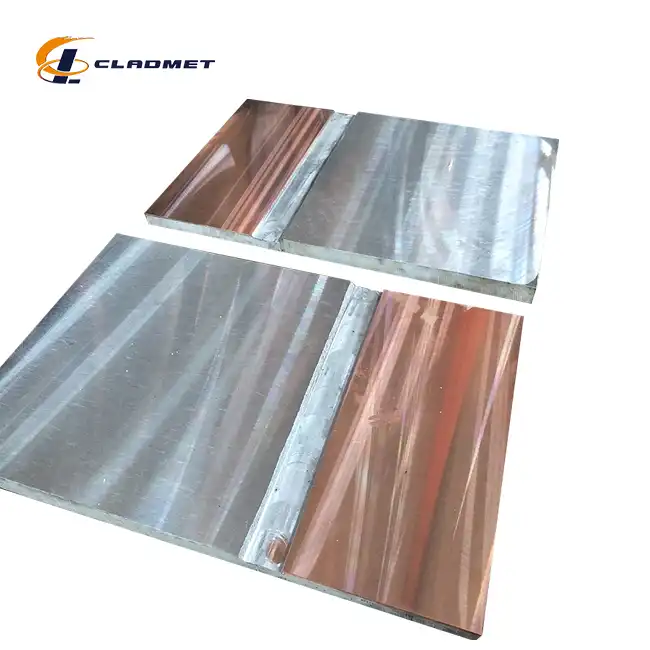
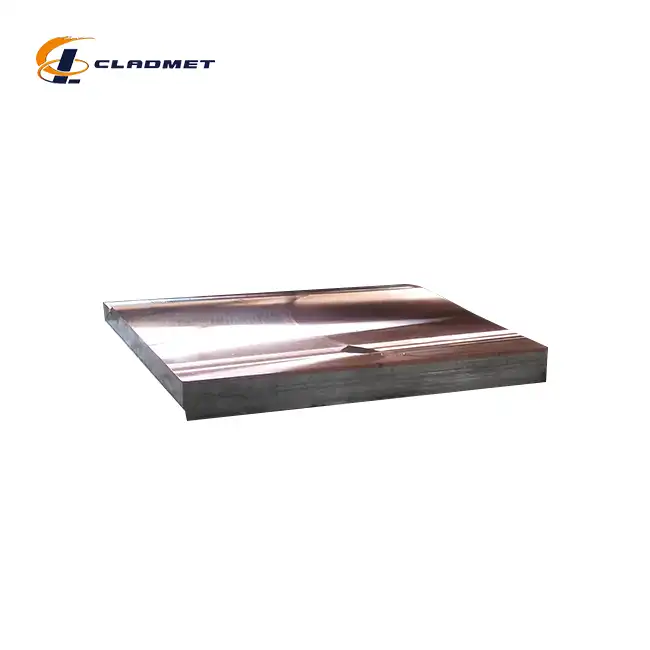
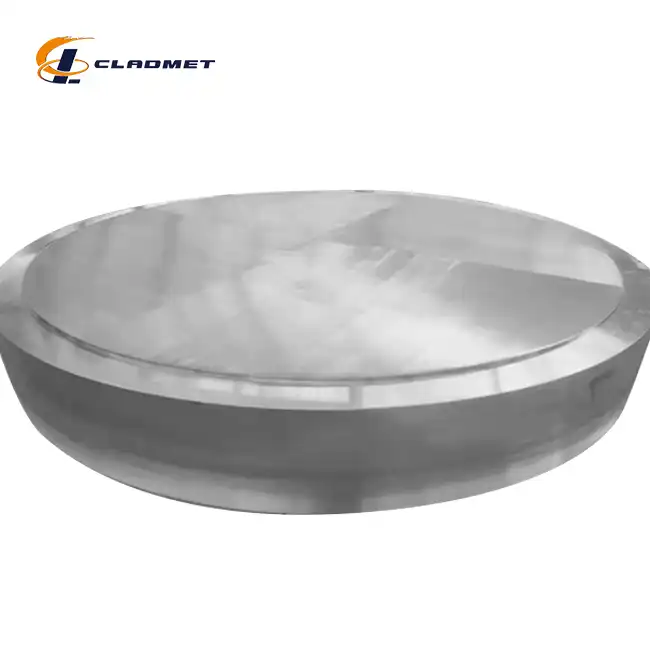
The optimal corrosion resistant titanium steel clad plate solutions for heat exchangers combine titanium's exceptional corrosion resistance with steel's structural strength and cost-effectiveness. These bi-metal plates offer superior performance in harsh chemical environments while maintaining thermal efficiency. JL Clad Metals leads the market with innovative explosive bonding technology, delivering titanium clad plate solutions that exceed industry standards for petroleum, chemical, and power generation applications worldwide.
Why Corrosion Resistant Materials Matter in Heat Exchanger Applications?
Heat exchangers operate in demanding environments where corrosive media constantly threatens equipment integrity. Traditional materials often fail under extreme chemical exposure, leading to costly shutdowns and safety hazards. The financial impact of corrosion in industrial heat exchangers exceeds billions annually across global industries. Corrosion resistant titanium steel clad plate technology addresses these challenges by providing dual-layer protection. The titanium surface layer resists aggressive chemicals while the steel substrate maintains structural integrity and thermal conductivity. This combination delivers exceptional value for critical applications in petrochemical plants, pharmaceutical facilities, and marine environments. Modern heat exchanger designs require materials that withstand temperatures up to 350°C while maintaining corrosion resistance against acids, chlorides, and other aggressive media. Titanium coated steel meets these requirements while offering significant cost advantages over solid titanium construction.
Essential Selection Criteria for Titanium Steel Composite Materials
Selecting the right anti-corrosion metal requires careful evaluation of multiple performance factors. Bond strength between titanium and steel layers determines long-term reliability under thermal cycling conditions. The explosive bonding process creates metallurgical bonds exceeding 300 MPa shear strength, ensuring permanent adhesion without delamination risks. Corrosion resistance ratings vary significantly based on titanium grade and thickness. Grade 1 titanium provides excellent resistance to most chemicals, while Grade 2 offers enhanced mechanical properties. The titanium layer thickness typically ranges from 1-5mm depending on application severity and expected service life. Manufacturing standards compliance ensures consistent quality and performance. International certifications like ASME, ASTM, and PED qualification validate material properties and manufacturing processes. These certifications become crucial for projects requiring regulatory approval or insurance coverage. Thermal properties significantly impact heat transfer efficiency. Titanium alloy plate configurations must balance corrosion protection with thermal conductivity requirements. Proper design optimization maintains heat transfer coefficients while providing adequate corrosion barrier thickness.
JL Premium Grade Titanium Steel Clad Plates
JL's premium titanium steel laminate products represent cutting-edge explosive bonding technology combined with stringent quality control. Our manufacturing process creates uniform metallurgical bonds across entire plate surfaces, eliminating weak spots that compromise performance in critical applications. The titanium layer utilizes commercially pure grades or specialized alloys depending on specific chemical resistance requirements. Steel substrates include carbon steel, stainless steel, and specialized alloys tailored for high-temperature applications. This flexibility allows customization for unique operating conditions. Quality assurance includes ultrasonic testing, metallographic examination, and corrosion testing according to international standards. Each plate undergoes rigorous inspection to verify bond integrity, surface quality, and dimensional accuracy. Our ISO9001-2000 certification ensures consistent manufacturing processes and traceability. Technical specifications include thickness combinations from 3+1mm to 100+10mm, with custom dimensions available for specific projects. Surface finishes range from mill finish to polished surfaces suitable for pharmaceutical and food processing applications. Lead times typically range from 4-8 weeks depending on specifications and quantity. Applications span across petroleum refining, chemical processing, pharmaceutical manufacturing, and marine engineering. Our titanium plated steel solutions have proven successful in sulfuric acid service, chloride environments, and high-temperature applications where traditional materials fail.
High-Performance Titanium Alloy Configurations
Advanced titanium alloy plate combinations offer enhanced properties for specialized applications. Grade 7 titanium provides superior resistance to reducing acids, while Grade 12 offers improved strength characteristics for high-pressure applications. The steel substrate selection depends on operating temperature and mechanical requirements. Carbon steel substrates suit moderate temperature applications, while stainless steel backing provides additional corrosion resistance and elevated temperature capability. Specialized alloys like Inconel or Hastelloy substrates serve extreme environments. Manufacturing precision ensures consistent cladding ratio and surface quality. Our controlled explosive bonding process maintains uniform titanium thickness across large plate surfaces, eliminating the inconsistencies common with alternative cladding methods. This precision translates to predictable performance and extended service life. Testing protocols include bend testing, tensile testing, and corrosion exposure testing according to ASTM standards. Each production lot undergoes comprehensive evaluation to verify mechanical properties and corrosion resistance. Documentation packages include material certificates, test reports, and dimensional inspection records. Economic advantages become apparent when comparing lifecycle costs against alternative materials. The combination of reduced maintenance, extended service life, and lower material costs versus solid titanium construction provides compelling value propositions for industrial applications.
Standard Industrial Grade Options
Industrial grade corrosion resistant coating solutions offer proven performance for general chemical processing applications. These configurations balance cost-effectiveness with reliable corrosion protection for standard industrial environments. Titanium layer thickness typically ranges from 1-3mm for industrial applications, providing adequate protection against most common corrosive media. Steel substrates utilize standard grades like A516 or A537, offering good mechanical properties and weldability characteristics. Manufacturing standards compliance includes ASME Section VIII requirements for pressure vessel construction. Our PED certification enables supply to European markets, while ABS qualification supports marine applications. These certifications demonstrate our commitment to international quality standards. Application versatility spans numerous industries including pulp and paper, water treatment, and general chemical processing. The corrosion resistant sheet products serve as cost-effective alternatives to expensive specialty alloys while providing superior performance compared to standard steel construction. Delivery capabilities include just-in-time supply for construction schedules and inventory programs for maintenance requirements. Our global distribution network ensures reliable supply regardless of project location, with technical support available throughout the project lifecycle.
Global Market Dynamics and Regional Considerations
The international market for metal composite plate technology continues expanding as industries recognize the economic benefits of corrosion-resistant materials. Regional preferences vary based on local regulations, environmental conditions, and industrial focus areas. European markets emphasize PED compliance and environmental sustainability, driving demand for long-life materials that reduce replacement frequency. North American applications focus on petroleum and chemical processing, where corrosion resistant construction material requirements are stringent. Asian markets show rapid growth in pharmaceutical and food processing applications, requiring high-purity surface finishes and FDA-compliant materials. The diverse requirements across regions necessitate flexible manufacturing capabilities and comprehensive certification portfolios. Supply chain considerations include raw material availability, manufacturing capacity, and logistics capabilities. Reliable suppliers maintain strategic inventory positions and backup production capabilities to ensure consistent delivery performance regardless of market conditions.
Purchasing Recommendations and Implementation Strategies
Successful titanium steel sandwich panel procurement requires comprehensive specification development and vendor qualification processes. Technical specifications should address operating conditions, dimensional requirements, and performance expectations clearly to ensure appropriate material selection. Vendor evaluation criteria should include manufacturing capabilities, quality systems, and technical support resources. Suppliers with extensive application experience and proven track records provide valuable engineering support throughout project development and implementation phases. Budget considerations must account for total cost of ownership rather than initial material costs alone. The extended service life and reduced maintenance requirements of quality corrosion resistant alloy products often justify higher initial investments through lifecycle cost savings. Timeline planning should accommodate manufacturing lead times, inspection requirements, and delivery schedules. Early supplier engagement enables optimization of specifications and manufacturing schedules to meet project requirements effectively.
Industry Trends and Future Developments
Advancing manufacturing technologies continue improving metal cladding technology capabilities and cost-effectiveness. New explosive bonding techniques enable larger plate sizes and improved bond quality, expanding application possibilities for anti-rust titanium steel solutions. Environmental considerations drive development of sustainable manufacturing processes and recyclable material combinations. The long service life of quality clad plates supports sustainability goals by reducing material consumption and waste generation over equipment lifecycles. Digital technologies enable better process control and quality assurance, improving consistency and reducing manufacturing variations. These advances translate to more reliable products and reduced project risks for end users across all industries.
Frequently Asked Questions
Q1: What thickness combinations are available for corrosion resistant titanium steel clad plates?
A: Standard thickness combinations range from 3+1mm to 100+10mm (steel+titanium), with custom configurations available for specific applications. The titanium layer thickness depends on corrosion severity and expected service life requirements.
Q2: How do I verify the bond quality between titanium and steel layers?
A: Bond quality verification includes ultrasonic testing for delamination detection, metallographic examination of bond interface, and mechanical testing including shear strength and bend testing according to ASTM standards.
Q3: What certifications are required for pressure vessel applications?
A: Pressure vessel applications typically require ASME Section VIII compliance, PED certification for European markets, and material certifications according to applicable codes. JL maintains all major international certifications for global project support.
Partner with JL for Superior Corrosion Protection Solutions
JL Clad Metals stands as your trusted corrosion resistant titanium steel clad plate manufacturer, delivering innovative solutions that exceed industry expectations. Our explosive bonding technology creates metallurgical bonds that ensure long-term reliability in the most demanding applications. Our comprehensive product portfolio includes standard and custom configurations designed to meet your specific requirements. With ISO9001-2000, PED, and ABS certifications, we guarantee consistent quality and international compliance for projects worldwide. Technical expertise and application support distinguish our service approach. Our engineering team collaborates with clients to optimize material selection and design parameters, ensuring optimal performance and cost-effectiveness for each application. Ready to enhance your heat exchanger performance with premium corrosion protection? Contact us at sales@cladmet.com to discuss your specific requirements and discover how our titanium steel corrosion resistance solutions can improve your operations.
Conclusion
Selecting the best corrosion resistant titanium steel clad plate requires careful consideration of application requirements, manufacturing quality, and supplier capabilities. JL Clad Metals offers comprehensive solutions backed by advanced manufacturing technology and international certifications. Our commitment to innovation and quality ensures that your heat exchanger applications receive materials that deliver exceptional performance and reliability. The combination of titanium's corrosion resistance with steel's structural properties provides optimal value for industrial applications worldwide. Investment in quality clad plate technology pays dividends through extended equipment life, reduced maintenance costs, and improved operational reliability. Choose JL for your next project and experience the difference that superior materials and technical expertise can make.