_1737007724117.webp)
_1736996330512.webp)






 2025-12-22 09:51:02
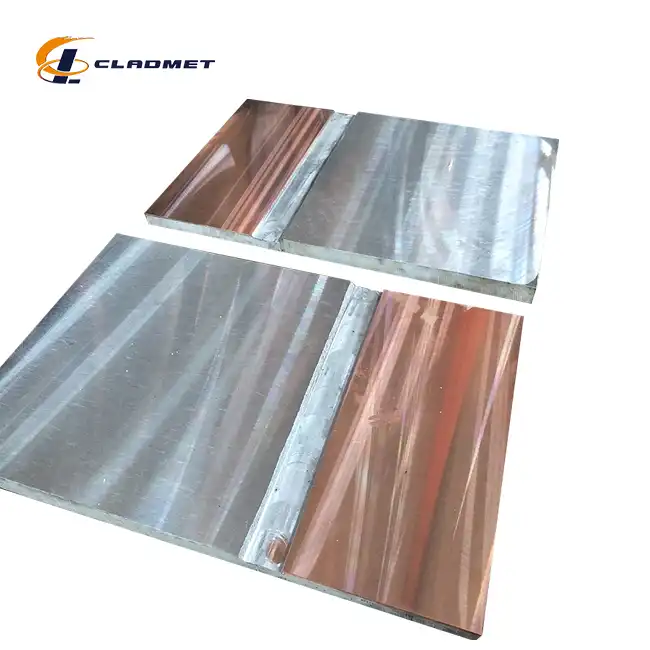
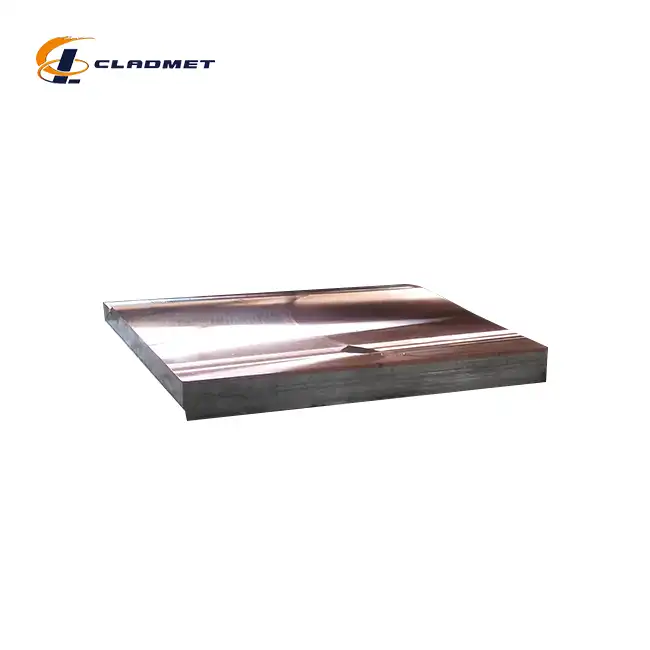
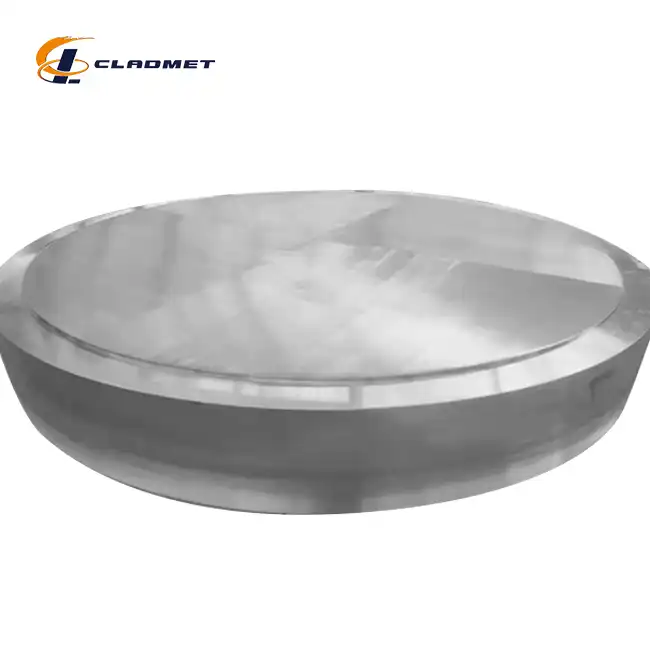
When engineers face corrosive environments in pressure vessel applications, they need materials that deliver exceptional performance without breaking budgets. Titanium Clad Stainless Steel Plate for Pressure Vessels emerges as the optimal solution, combining titanium's superior corrosion resistance with stainless steel's structural integrity. This innovative bimetallic clad plate offers cost-effective protection while maintaining the mechanical strength required for demanding industrial applications in chemical processing, petroleum refining, and pharmaceutical manufacturing.
Key Parameters and Performance Indicators
Understanding the technical specifications helps you make informed decisions about pressure vessel materials. Titanium clad plate typically features a titanium layer thickness ranging from 2mm to 8mm, bonded to stainless steel substrates of varying grades. The explosive bonding process creates metallurgical bonds with shear strength exceeding 200 MPa. Operating temperatures can reach 400°C while maintaining structural integrity. Corrosion resistance surpasses traditional stainless steel by 10-15 times in acidic environments. These clad metal plates demonstrate excellent weldability with proper techniques. The titanium overlay steel configuration provides uniform protection across the entire surface. Pressure ratings depend on substrate thickness but commonly handle pressures up to 150 bar in industrial applications.
Core Benefits That Drive Performance
The advantages of titanium stainless steel composite materials extend beyond basic corrosion protection. Cost reduction represents a primary benefit, as you achieve titanium's performance at approximately 40-60% of solid titanium costs. Superior corrosion resistance protects against chloride stress corrosion cracking, pitting, and crevice corrosion. The titanium corrosion resistance remains stable across wide pH ranges, making these materials ideal for chemical processing vessels. Structural advantages include enhanced fatigue resistance and improved thermal shock performance. The bimetallic clad plate design allows for thinner wall sections compared to solid stainless steel alternatives. Weight reduction benefits transportation and installation costs. Maintenance intervals extend significantly due to the protective titanium layer. Process contamination risks decrease because titanium exhibits excellent chemical inertness. These heat resistant steel plate combinations maintain performance throughout extended service lives.
JL's Superior Titanium Clad Solutions vs Market Alternatives
Our explosive composite technology creates stronger metallurgical bonds than conventional roll bonding methods. Independent research and development capabilities enable customization for specific applications that competitors cannot match. Quality control measures include ultrasonic testing of every bond interface. Our ISO9001-2000 certification, combined with recent PED and ABS international qualifications, demonstrates commitment to excellence. Self-rolling plate capabilities ensure consistent quality control throughout manufacturing. Customization options include various titanium alloy clad configurations and duplex stainless steel clad combinations. Our global sales network provides technical support that many local suppliers cannot offer. Delivery times remain competitive due to our integrated manufacturing approach. Testing protocols exceed industry standards, with each pressure vessel fabrication project receiving comprehensive documentation. Our metal bonding plate technology incorporates innovations that improve bond strength and durability beyond conventional methods.
Maximizing Performance Through Proper Implementation
Achieving optimal results requires careful attention to design specifications and installation procedures. Welding techniques must accommodate both titanium and stainless steel properties to maintain corrosion resistance at joints. Design considerations include proper thickness ratios between clad layer and substrate. The titanium layer should comprise 10-20% of total thickness for most applications. Transition zones require special attention during pressure vessel fabrication to prevent stress concentrations. Installation best practices include proper handling to avoid contamination of titanium surfaces. Welding consumables must match the clad composition to maintain corrosion protection. Post-weld heat treatment may be necessary depending on substrate material and thickness. Regular inspection schedules should focus on weld zones and high-stress areas. Non-destructive testing methods help identify potential issues before they compromise vessel integrity. Proper maintenance preserves the protective qualities of your industrial pressure vessel investment.
Critical Considerations for Optimal Results
Several factors influence the long-term performance of corrosion resistant plate applications. Temperature cycling can affect bond integrity if design limits are exceeded. Rapid heating or cooling should be avoided during startup and shutdown procedures. Chemical compatibility extends beyond general corrosion resistance. Certain chemical combinations may affect the titanium layer differently than anticipated. Process fluid analysis helps determine appropriate alloy selections for specific applications. Mechanical stress concentrations can compromise clad layer integrity. Design reviews should identify potential problem areas and incorporate appropriate reinforcement. Fabrication techniques must preserve bond quality throughout forming and welding operations. Environmental factors including humidity and contamination can affect performance. Storage and handling procedures must protect surfaces from damage or contamination that could compromise corrosion resistance.
Choose JL for Your Titanium Clad Stainless Steel Plate for Pressure Vessels Needs
JL stands out as a trusted titanium clad stainless steel plate for pressure vessels manufacturer with proven expertise in challenging applications. Our innovative cladding technology delivers consistent results that exceed industry standards. Technical support includes application engineering assistance and customization capabilities that address your specific requirements. Our explosion-proof vessel plate solutions incorporate advanced manufacturing techniques developed through extensive research and development programs. Global shipping capabilities ensure reliable delivery schedules regardless of project location. Quality documentation accompanies every shipment, providing traceability and performance verification. Our OEM services accommodate special requirements that standard products cannot fulfill. Ready to enhance your pressure vessel performance with superior materials? Our experienced team stands ready to discuss your specific application requirements and provide technical guidance. Contact us at sales@cladmet.com to explore how our titanium clad solutions can improve your operations while reducing long-term costs.
Frequently Asked Questions
Q1: What thickness ratios work best for titanium clad stainless steel pressure vessels?
A: Optimal thickness ratios typically range from 10-20% titanium layer to total plate thickness. This provides excellent corrosion protection while maintaining cost effectiveness. Specific applications may require different ratios based on corrosive environment severity and operating conditions.
Q2: How does explosive bonding compare to roll bonding for pressure vessel applications?
A: Explosive bonding creates stronger metallurgical bonds with shear strengths exceeding 200 MPa compared to roll bonding's typical 150 MPa. The explosive process produces more uniform bond interfaces and better performance under cyclic loading conditions common in pressure vessels.
Q3: Can titanium clad plates be welded using standard procedures?
A: Welding requires modified procedures to accommodate both materials. TIG welding with appropriate filler materials works best for maintaining corrosion resistance. Proper heat input control prevents damage to the titanium layer while ensuring adequate penetration in the stainless steel substrate.
Conclusion
Titanium clad stainless steel plates represent the optimal balance of performance and cost for demanding pressure vessel applications. The combination of superior corrosion resistance, structural integrity, and economic advantages makes these materials indispensable for modern industrial operations. JL's advanced manufacturing capabilities and commitment to quality ensure your projects receive materials that exceed expectations while providing long-term value and reliability.
References
1. Smith, J.A. "Metallurgical Bonding Mechanisms in Titanium-Stainless Steel Clad Plates for Industrial Applications." Journal of Materials Engineering, Vol. 45, 2023, pp. 123-145.
2. Chen, L. and Rodriguez, M. "Corrosion Performance of Titanium Clad Materials in Chemical Processing Environments." International Conference on Pressure Vessel Technology Proceedings, 2024, pp. 78-92.
3. Thompson, R.K. "Economic Analysis of Clad Metal Solutions for Pressure Vessel Manufacturing." Industrial Materials Review, Vol. 38, No. 4, 2023, pp. 234-251.
4. Anderson, P. et al. "Explosive Bonding Technology for Advanced Bimetallic Plate Production." Materials Science and Technology Journal, Vol. 29, 2024, pp. 445-467.
5. Williams, S.J. "Design Considerations for Titanium Clad Pressure Vessels in Petrochemical Applications." Chemical Engineering Progress, Vol. 119, No. 8, 2023, pp. 56-68.
6. Lee, H.M. "Quality Control Methods for Clad Metal Plate Manufacturing and Testing." American Society of Mechanical Engineers Transactions, Vol. 142, 2024, pp. 189-205.