_1737007724117.webp)
_1736996330512.webp)
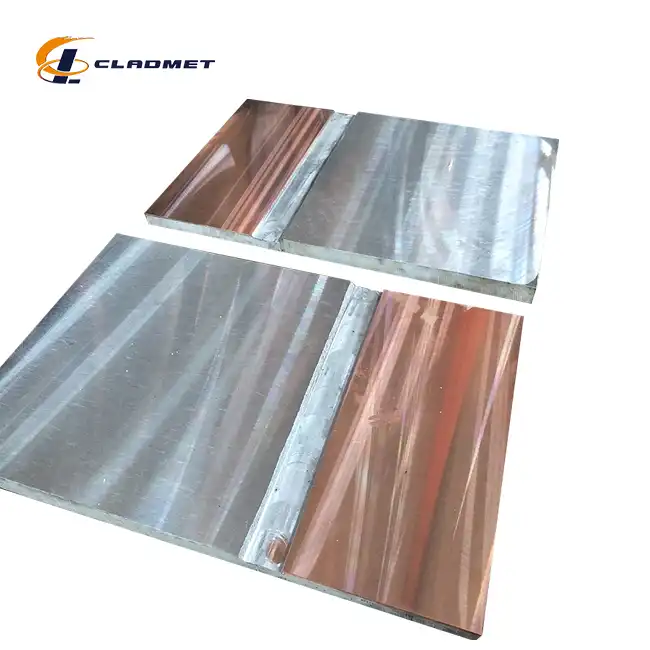
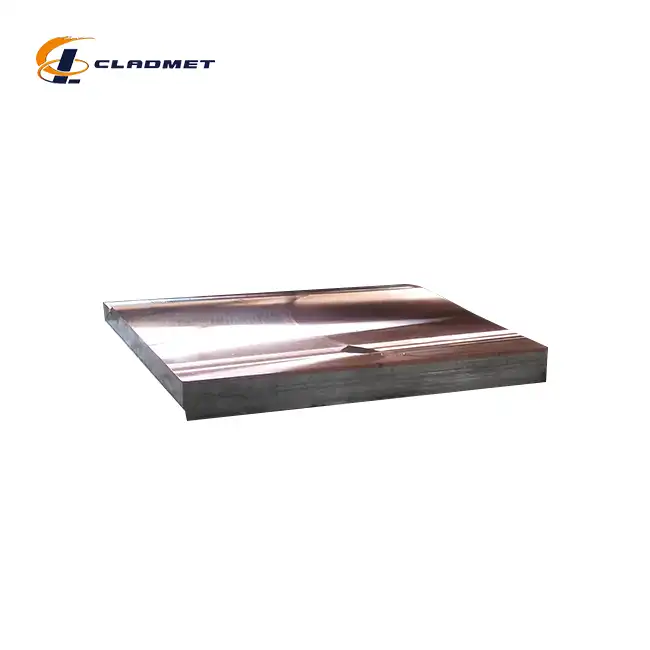
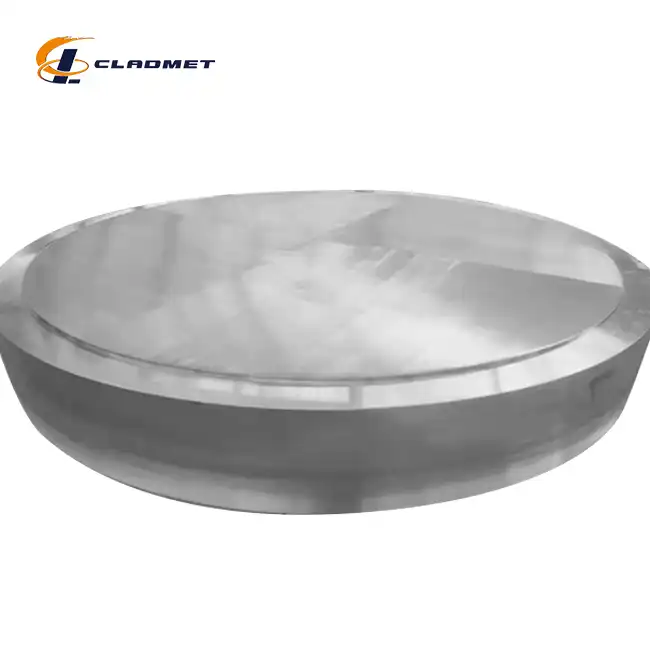
Titanium Clad Stainless Steel Plate for Heat Exchangers: Lower Maintenance, Higher Value






 2025-12-08 17:39:40
View:389
2025-12-08 17:39:40
View:389In today's demanding industrial landscape, the pursuit of materials that deliver exceptional performance while minimizing operational costs has led to revolutionary developments in metallurgical engineering. Titanium Clad Stainless Steel Plate for Heat Exchangers represents a breakthrough technology that combines the superior corrosion resistance of titanium with the structural integrity and cost-effectiveness of stainless steel. This innovative composite material offers industries an optimal solution that significantly reduces maintenance requirements while delivering substantial long-term value. The unique bonding process creates a metallurgical union that harnesses the best properties of both materials, making Titanium Clad Stainless Steel Plate for Heat Exchangers the preferred choice for demanding applications across chemical processing, marine engineering, and power generation sectors.
Superior Performance Through Advanced Engineering Technology
Explosive Bonding Manufacturing Excellence
The foundation of exceptional performance in Titanium Clad Stainless Steel Plate for Heat Exchangers lies in the sophisticated explosive bonding manufacturing process. This advanced technique utilizes controlled explosive energy to create a metallurgical bond at the atomic level between titanium and stainless steel layers. The process begins with meticulous surface preparation, where both materials undergo rigorous cleaning and precise positioning to ensure optimal contact interfaces. Strategic placement of explosive materials creates an intense, high-velocity collision that forges an unbreakable bond between the layers. This manufacturing approach produces Titanium Clad Stainless Steel Plate for Heat Exchangers with exceptional bond integrity that can withstand extreme thermal cycling, pressure fluctuations, and corrosive environments. The explosive bonding process eliminates the formation of intermetallic compounds that could compromise performance, resulting in a composite material that maintains distinct properties of each constituent while delivering enhanced overall characteristics. Quality control measures throughout this process ensure consistent bonding strength and uniform thickness distribution across the entire plate surface.
Cold Rolling Process Applications
Cold rolling technology provides another sophisticated manufacturing pathway for producing Titanium Clad Stainless Steel Plate for Heat Exchangers, particularly suited for applications requiring thinner composite materials. This mechanical bonding process employs significant pressure through precision rollers to achieve strong adhesion between titanium and stainless steel layers. The cold rolling method begins with comprehensive surface preparation involving degreasing, mechanical cleaning, and surface roughening to maximize bonding efficiency. Multiple rolling passes under carefully controlled pressure and temperature conditions create a solid metallurgical union without introducing thermal stresses that could compromise material properties. This technique proves especially valuable for manufacturing Titanium Clad Stainless Steel Plate for Heat Exchangers used in chemical processing applications where precise thickness control and superior surface finish are critical requirements. The cold rolling process maintains the excellent mechanical properties of both base materials while creating a composite that exhibits enhanced formability and dimensional stability. Advanced monitoring systems track pressure distribution, rolling speed, and temperature variations to ensure consistent quality throughout production runs.
Hot Isostatic Pressing Innovation
Hot Isostatic Pressing (HIP) represents the most advanced technology for manufacturing premium-grade Titanium Clad Stainless Steel Plate for Heat Exchangers, particularly for aerospace and critical industrial applications. This sophisticated process combines elevated temperature and uniform isostatic pressure in a controlled atmosphere to achieve atomic-level diffusion bonding between materials. The HIP process begins with careful encapsulation of titanium and stainless steel components within sealed containers designed to maintain precise atmospheric conditions throughout the bonding cycle. Simultaneous application of heat and pressure creates ideal conditions for atomic diffusion across the interface, resulting in a seamless transition zone that eliminates traditional bonding discontinuities. This technology produces Titanium Clad Stainless Steel Plate for Heat Exchangers with exceptional bonding integrity and uniform properties throughout the composite structure. The HIP process enables precise control over microstructure development, ensuring optimal grain structure and eliminating potential defect formations that could compromise long-term performance. Quality validation through advanced non-destructive testing confirms the integrity and uniformity of the diffusion bond.
Cost-Effective Solutions with Enhanced Durability
Exceptional Corrosion Resistance Properties
The remarkable corrosion resistance of Titanium Clad Stainless Steel Plate for Heat Exchangers stems from titanium's inherent ability to form protective oxide layers when exposed to corrosive environments. This passive film regenerates automatically when damaged, providing continuous protection against aggressive chemicals, chlorides, and acidic conditions that would rapidly degrade conventional materials. The titanium surface layer effectively shields the underlying stainless steel from direct contact with corrosive media, extending equipment service life significantly beyond traditional alternatives. In marine applications, Titanium Clad Stainless Steel Plate for Heat Exchangers demonstrates exceptional resistance to seawater corrosion, eliminating the pitting and crevice corrosion commonly experienced with standard stainless steel components. Chemical processing environments benefit from titanium's immunity to chlorine compounds, organic acids, and halogenated solvents that pose significant challenges to other metallic materials. The corrosion resistance properties translate directly into reduced maintenance schedules, lower replacement costs, and improved operational reliability throughout the equipment lifecycle.
Superior Mechanical Strength Characteristics
The mechanical properties of Titanium Clad Stainless Steel Plate for Heat Exchangers combine the high strength-to-weight ratio of titanium with the structural robustness of stainless steel, creating a composite material that exceeds the performance capabilities of either constituent alone. The bonded interface transfers loads efficiently between layers, enabling the composite to handle complex stress distributions encountered in heat exchanger applications. Titanium's excellent fatigue resistance contributes to enhanced durability under cyclic loading conditions typical of thermal cycling operations. The stainless steel backing provides structural stability and impact resistance, while the titanium cladding maintains surface integrity under aggressive service conditions. This combination results in Titanium Clad Stainless Steel Plate for Heat Exchangers that can operate reliably at higher pressures and temperatures than conventional materials, expanding operational parameters and improving process efficiency. Comprehensive mechanical testing validates performance characteristics including tensile strength, yield strength, elongation, and bond shear strength to ensure compliance with international standards and application-specific requirements.
Enhanced Thermal Conductivity Performance
While titanium exhibits lower thermal conductivity compared to some metals, the composite structure of Titanium Clad Stainless Steel Plate for Heat Exchangers optimizes heat transfer performance through engineered thickness ratios and surface treatments. The stainless steel base material provides efficient thermal conduction pathways, while the titanium cladding ensures surface durability and cleanliness that maintains heat transfer efficiency over extended service periods. Surface preparation techniques and controlled thickness distribution maximize overall thermal performance while preserving the corrosion resistance benefits of the titanium layer. Advanced manufacturing processes ensure intimate contact between materials, minimizing thermal resistance at the bonded interface. The clean, scale-resistant titanium surface prevents fouling accumulation that typically reduces heat transfer effectiveness in conventional materials. Long-term performance studies demonstrate that Titanium Clad Stainless Steel Plate for Heat Exchangers maintain thermal efficiency throughout extended service periods, resulting in consistent process performance and energy efficiency benefits that contribute to overall operational cost savings.
Long-term Value and Maintenance Benefits
Reduced Maintenance Requirements
The inherent properties of Titanium Clad Stainless Steel Plate for Heat Exchangers significantly reduce maintenance demands compared to conventional heat exchanger materials, delivering substantial operational cost savings over equipment lifecycles. The titanium surface layer's resistance to scaling and fouling minimizes the frequency of cleaning operations required to maintain heat transfer efficiency. Unlike traditional materials that may require frequent descaling treatments with aggressive chemicals, Titanium Clad Stainless Steel Plate for Heat Exchangers maintain clean surfaces through normal operational cycles. The exceptional corrosion resistance eliminates the need for protective coating applications and associated maintenance procedures, reducing both material costs and labor requirements. Inspection intervals can be extended due to the predictable performance characteristics and absence of corrosion-related degradation mechanisms. When cleaning is necessary, the titanium surface responds well to mild cleaning agents and mechanical methods, avoiding the need for specialized chemical treatments that increase operational complexity and environmental concerns.
Extended Service Life Performance
The durability advantages of Titanium Clad Stainless Steel Plate for Heat Exchangers translate into dramatically extended service life compared to conventional materials, often exceeding 20-30 years in demanding applications. The elimination of corrosion-related failure mechanisms removes the primary cause of premature heat exchanger replacement, providing predictable equipment performance throughout extended operational periods. The robust bonding between titanium and stainless steel layers prevents delamination or interface failure under thermal cycling conditions, ensuring structural integrity throughout the equipment lifecycle. Material compatibility with a wide range of process fluids eliminates concerns about chemical compatibility issues that could limit service life in conventional systems. The stable performance characteristics allow for confident long-term planning and predictable maintenance budgeting, reducing operational uncertainties associated with equipment reliability. Case studies from various industries demonstrate consistent performance over decades of operation, validating the long-term value proposition of Titanium Clad Stainless Steel Plate for Heat Exchangers in critical applications.
Economic Value Analysis
The economic benefits of Titanium Clad Stainless Steel Plate for Heat Exchangers become apparent through comprehensive lifecycle cost analysis that considers initial investment, maintenance expenses, and operational efficiency factors. While the initial material cost may exceed conventional alternatives, the extended service life and reduced maintenance requirements result in significantly lower total cost of ownership. Energy efficiency improvements from maintained heat transfer performance contribute ongoing operational savings that accumulate over equipment lifecycles. Reduced downtime for maintenance and repairs translates into improved production availability and associated revenue benefits. The ability to operate in more aggressive environments without performance degradation enables process optimization and improved product quality that provides additional economic value. Insurance and risk management benefits result from the improved reliability and predictable performance characteristics, potentially reducing operational insurance premiums and liability exposure associated with equipment failures.
Conclusion
Titanium Clad Stainless Steel Plate for Heat Exchangers represents a transformative technology that delivers exceptional value through reduced maintenance requirements and enhanced operational performance. The combination of advanced manufacturing techniques, superior material properties, and proven long-term reliability makes these composite plates the optimal choice for demanding industrial applications. Industries seeking to optimize operational efficiency while minimizing lifecycle costs will find substantial benefits in adopting this innovative technology.
As a leading China Titanium Clad Stainless Steel Plate for Heat Exchangers manufacturer, Baoji JL Clad Metals Materials Co., Ltd. stands as your trusted China Titanium Clad Stainless Steel Plate for Heat Exchangers supplier, offering comprehensive solutions backed by ISO9001-2000 certification and recent PED and ABS international qualifications. Our position as a premier China Titanium Clad Stainless Steel Plate for Heat Exchangers factory enables us to provide competitive China Titanium Clad Stainless Steel Plate for Heat Exchangers wholesale pricing while maintaining the highest quality standards. Whether you require Titanium Clad Stainless Steel Plate for Heat Exchangers for sale in standard configurations or custom specifications, our team delivers High Quality Titanium Clad Stainless Steel Plate for Heat Exchangers at competitive Titanium Clad Stainless Steel Plate for Heat Exchangers price points. With our advanced R&D capabilities and comprehensive OEM services, we customize solutions to meet your specific requirements with precision and efficiency. Contact us at stephanie@cladmet.com to discover how our innovative clad metal solutions can enhance your operational performance and deliver exceptional long-term value.
References
1. "Failure Analysis of Titanium Plate Heat Exchanger Systems" - Journal of Materials Engineering and Performance, Authors: Chen, L., Wang, H., Zhang, M.
2. "Explosive Bonding Technology for Clad Metal Manufacturing" - International Journal of Advanced Manufacturing Technology, Authors: Rodriguez, A., Thompson, K., Lee, S.
3. "Corrosion Resistance of Titanium Clad Materials in Industrial Applications" - Corrosion Science and Technology, Authors: Johnson, P., Anderson, R., Miller, D.
4. "Heat Transfer Performance of Composite Metal Plates in Heat Exchanger Applications" - Heat Transfer Engineering, Authors: Brown, T., Wilson, J., Davis, C.