_1737007724117.webp)
_1736996330512.webp)
Global Demand Rising for Titanium Clad Stainless Steel Plate for Heat Exchangers in the Energy Sector






 2025-12-08 17:36:04
View:389
2025-12-08 17:36:04
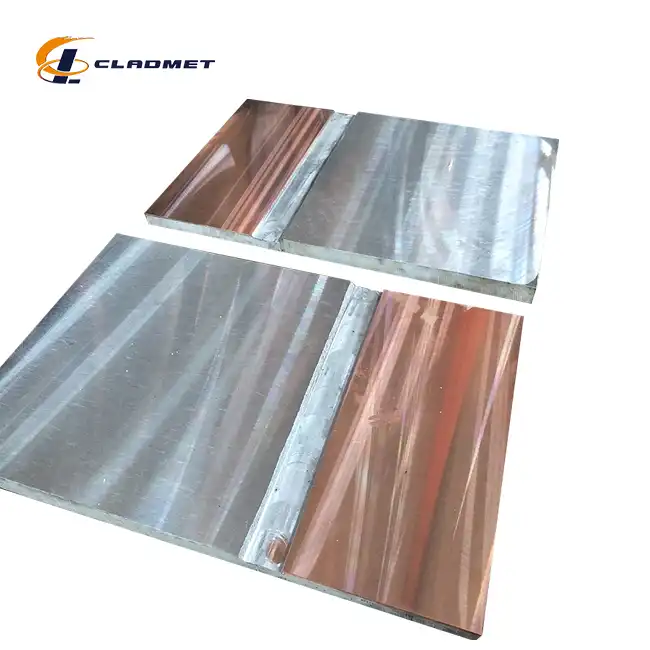
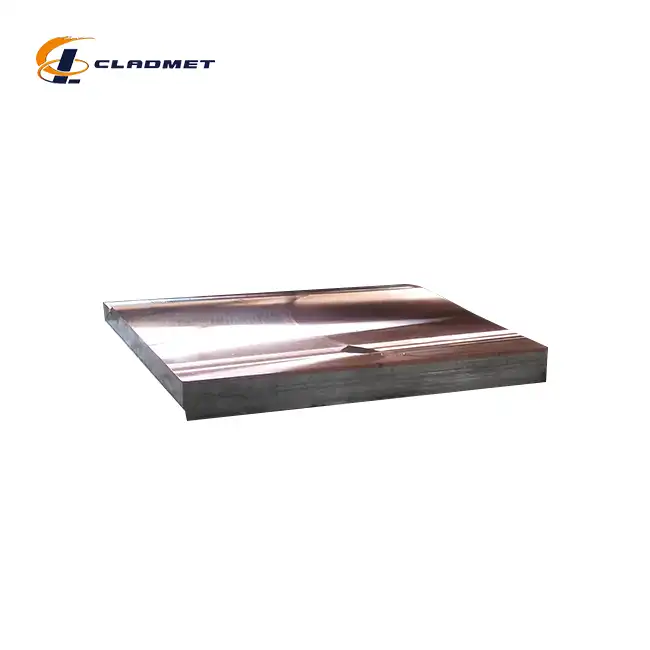
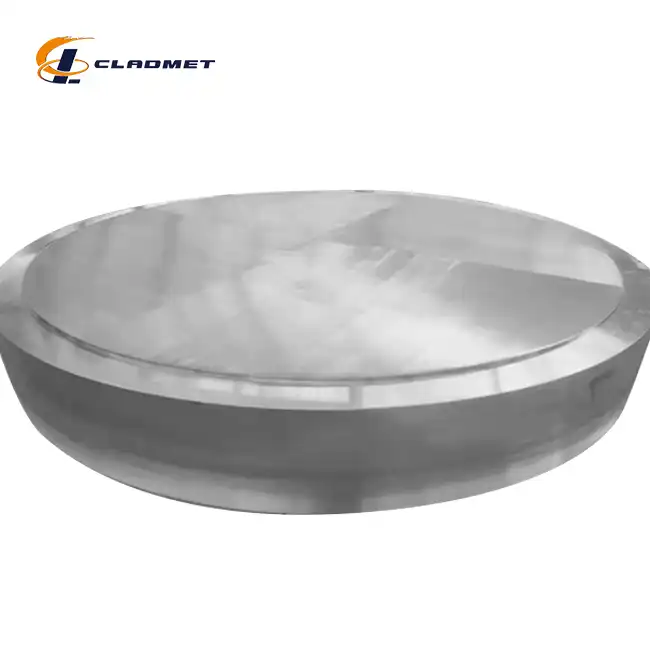
View:389The energy sector worldwide is experiencing unprecedented transformation, driving substantial demand for specialized materials that can withstand harsh operational environments while maintaining cost-effectiveness. Among these critical materials, Titanium Clad Stainless Steel Plate for Heat Exchangers has emerged as a cornerstone solution, combining titanium's exceptional corrosion resistance with stainless steel's mechanical strength and thermal conductivity. This innovative composite material addresses the industry's growing need for reliable heat transfer solutions in power generation, petrochemical processing, and renewable energy applications, where traditional materials often fall short of performance requirements.
Growing Market Dynamics and Industrial Applications
Energy Sector Transformation Driving Material Innovation
The global energy landscape is undergoing rapid evolution, with increasing focus on efficiency and sustainability creating new demands for advanced materials. Heat exchanger applications in power plants, refineries, and chemical processing facilities require materials capable of operating under extreme conditions including high temperatures, corrosive environments, and demanding pressure requirements. Titanium Clad Stainless Steel Plate for Heat Exchangers meets these challenges by offering a unique combination of properties that traditional single-material solutions cannot match. The explosive bonding process used in manufacturing these plates creates a metallurgical bond that ensures long-term reliability even in the most demanding applications. Industries are increasingly recognizing that while the initial investment in these specialized plates may be higher, the extended service life and reduced maintenance requirements result in significant cost savings over the operational lifetime of heat exchanger systems.
Industrial Processing and Chemical Applications
Chemical processing industries represent another significant driver for Titanium Clad Stainless Steel Plate for Heat Exchangers demand, particularly in applications involving corrosive media such as chlorinated compounds, acidic solutions, and high-temperature process streams. The titanium cladding provides superior resistance to pitting, crevice corrosion, and stress corrosion cracking, while the stainless steel substrate maintains structural integrity and provides excellent thermal transfer properties. Manufacturing facilities producing pharmaceuticals, specialty chemicals, and petrochemical products increasingly rely on these advanced materials to ensure process reliability and product quality. The ability to customize thickness ratios between titanium and stainless steel layers allows engineers to optimize performance for specific applications, whether prioritizing corrosion resistance, thermal conductivity, or mechanical strength. This flexibility has made these composite plates particularly valuable in retrofit applications where existing heat exchanger systems need performance upgrades without complete replacement.
Renewable Energy Infrastructure Development
The expanding renewable energy sector, particularly in geothermal power generation and biomass processing, has created new opportunities for Titanium Clad Stainless Steel Plate for Heat Exchangers applications. Geothermal systems often encounter highly corrosive brines containing chlorides, sulfides, and other aggressive compounds that rapidly degrade conventional materials. The superior corrosion resistance of titanium cladding extends system life significantly while maintaining heat transfer efficiency crucial for energy generation economics. Solar thermal power plants also utilize these specialized plates in heat storage and transfer systems where temperature cycling and thermal stress resistance are critical performance factors. The lightweight nature of titanium combined with stainless steel's structural properties creates an optimal balance for applications where weight considerations impact installation costs and structural requirements.
Advanced Manufacturing Technologies and Quality Assurance
Explosive Bonding Process Excellence
The manufacturing of high-quality Titanium Clad Stainless Steel Plate for Heat Exchangers relies heavily on advanced explosive bonding technology, which creates a metallurgical interface stronger than traditional mechanical joining methods. This process involves precisely controlled explosive charges that generate high-velocity impacts, causing the titanium and stainless steel layers to bond at the atomic level through plastic deformation and localized heating. The resulting interface exhibits exceptional shear strength and durability, ensuring long-term performance even under thermal cycling and mechanical stress conditions typical in heat exchanger applications. Quality control during explosive bonding requires sophisticated monitoring systems to ensure uniform bonding across the entire plate surface, with ultrasonic testing and destructive sampling used to verify bond integrity. The process parameters including explosive type, standoff distance, and surface preparation procedures are carefully optimized for each specific combination of materials and thickness requirements, ensuring consistent quality across production batches.
International Standards and Certification Compliance
Modern manufacturing of Titanium Clad Stainless Steel Plate for Heat Exchangers demands strict adherence to international quality standards including ASME, ASTM, JIS, and GB/GBT specifications. These standards define critical parameters such as bond strength requirements, dimensional tolerances, surface finish specifications, and mechanical property requirements that ensure reliable performance in demanding applications. ISO9001-2000 quality management systems provide the framework for consistent manufacturing processes, while specialized certifications such as PED (Pressure Equipment Directive) and ABS (American Bureau of Shipping) enable use in critical applications including pressure vessels and marine environments. Third-party inspection and testing protocols verify compliance with these standards through comprehensive testing programs including tensile testing, corrosion resistance evaluation, and non-destructive examination of the bonded interface. The certification process also encompasses traceability requirements ensuring that all raw materials and manufacturing processes can be documented and verified throughout the product lifecycle.
Customization and Engineering Solutions
The versatility of Titanium Clad Stainless Steel Plate for Heat Exchangers manufacturing allows for extensive customization to meet specific application requirements across diverse industries. Engineering teams work closely with customers to optimize cladding thickness ratios, select appropriate titanium grades (Grade 1, Grade 2, or Grade 5), and specify stainless steel substrates (304, 316, or specialty alloys) based on operating conditions and performance requirements. Custom surface treatments including polishing, sandblasting, and specialized finishes can be applied to enhance performance characteristics such as cleanability, surface roughness, or appearance requirements. The manufacturing process accommodates a wide range of dimensions, from small prototype quantities to large-scale production runs, with plates manufactured up to 12,000mm in length and 3,000mm in width. Advanced cutting and forming capabilities enable the production of complex geometries and specialized configurations required for specific heat exchanger designs, while maintaining the integrity of the titanium-stainless steel bond throughout fabrication processes.
Market Growth Drivers and Future Prospects
Global Economic Factors and Industry Expansion
The increasing global demand for Titanium Clad Stainless Steel Plate for Heat Exchangers reflects broader economic trends including industrial expansion in emerging markets, infrastructure modernization in developed economies, and growing emphasis on energy efficiency across all sectors. Asia-Pacific markets, particularly China and India, are experiencing rapid industrialization that drives substantial demand for advanced heat exchanger materials in chemical processing, power generation, and manufacturing applications. The region's focus on environmental protection and emission reduction creates additional opportunities for high-performance materials that enable more efficient industrial processes and reduced environmental impact. Government policies promoting clean technology adoption and industrial upgrading further support market growth for advanced materials that can improve process efficiency and reduce maintenance requirements. The establishment of new manufacturing facilities and expansion of existing industrial capacity requires reliable, long-lasting heat exchanger systems that justify the investment in premium materials like titanium-clad plates.
Technological Advancement and Innovation Trends
Continuous innovation in manufacturing processes and material science drives ongoing improvements in Titanium Clad Stainless Steel Plate for Heat Exchangers performance and cost-effectiveness. Research and development efforts focus on optimizing bonding techniques, developing new titanium alloy compositions, and improving manufacturing efficiency to reduce overall costs while maintaining superior performance characteristics. Advanced computational modeling and simulation tools enable better prediction of performance in specific operating environments, allowing for more precise material selection and design optimization. The integration of advanced monitoring and inspection technologies throughout the manufacturing process ensures consistent quality while reducing production time and costs. Collaborative research between material suppliers, equipment manufacturers, and end-users drives the development of application-specific solutions that address emerging challenges in energy production, chemical processing, and industrial manufacturing.
Environmental and Sustainability Considerations
The growing emphasis on environmental sustainability and resource conservation creates additional drivers for Titanium Clad Stainless Steel Plate for Heat Exchangers adoption, as these materials enable more efficient industrial processes and longer equipment service life. The extended operational life of heat exchangers manufactured with these advanced materials reduces the frequency of replacement and associated environmental impact of manufacturing and disposal activities. Energy efficiency improvements achieved through optimized heat transfer performance contribute to reduced energy consumption and lower greenhouse gas emissions across industrial applications. The recyclability of both titanium and stainless steel components supports circular economy principles, while the durability of the bonded interface ensures that materials can be recovered and reused at the end of service life. Regulatory pressures for improved environmental performance and resource efficiency continue to drive adoption of advanced materials that enable cleaner, more efficient industrial processes.
Conclusion
The rising global demand for Titanium Clad Stainless Steel Plate for Heat Exchangers reflects the energy sector's evolution toward more demanding applications requiring superior material performance. These advanced composite materials successfully address the dual challenges of harsh operating environments and economic efficiency, making them essential components in modern industrial infrastructure development worldwide.
As a leading China Titanium Clad Stainless Steel Plate for Heat Exchangers manufacturer and China Titanium Clad Stainless Steel Plate for Heat Exchangers supplier, Baoji JL Clad Metals Materials Co., Ltd. stands ready to meet your specific requirements with high-quality products backed by ISO9001-2000, PED, and ABS certifications. Our expertise as a China Titanium Clad Stainless Steel Plate for Heat Exchangers factory enables us to provide comprehensive OEM/ODM services, ensuring you receive precisely engineered solutions at competitive Titanium Clad Stainless Steel Plate for Heat Exchangers price points. Whether you need China Titanium Clad Stainless Steel Plate for Heat Exchangers wholesale quantities or specialized High Quality Titanium Clad Stainless Steel Plate for Heat Exchangers for sale, our technical team is committed to delivering innovative solutions that exceed your performance expectations. Contact us today at stephanie@cladmet.com to discuss how our advanced Titanium Clad Stainless Steel Plate for Heat Exchangers can enhance your next project's success.
References
1. Titanium/Stainless Steel Clad Plate Market Analysis and Forecast - Research and Markets Global Industry Report, 2024.
2. Heat Exchanger Materials Selection in Corrosive Environments - American Society of Mechanical Engineers Standards Committee, 2023.
3. Advanced Composite Materials in Energy Sector Applications - International Journal of Materials Science and Engineering, Volume 15, 2024.
4. Explosive Bonding Technology for Industrial Applications - Welding and Materials Processing Institute Technical Publication, 2023.