_1737007724117.webp)
_1736996330512.webp)
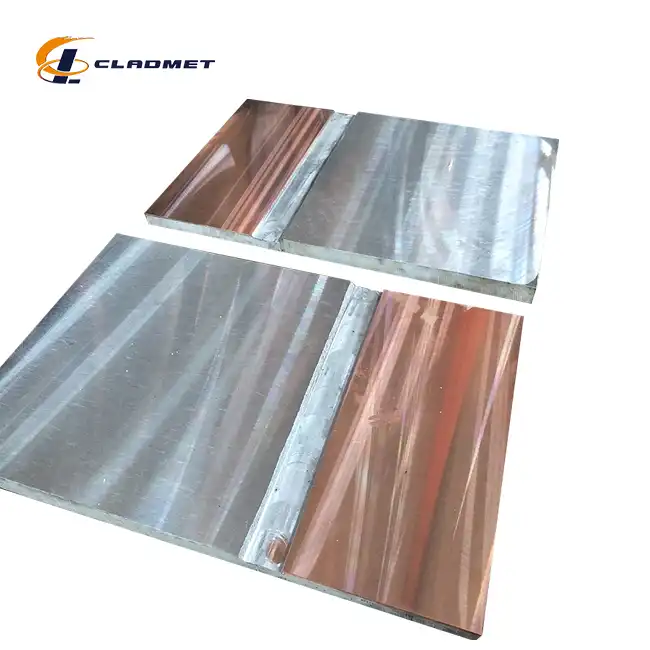
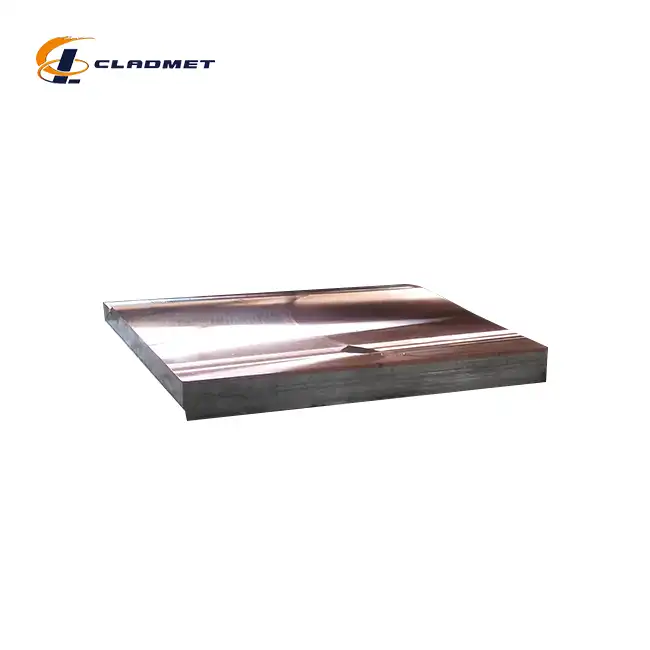
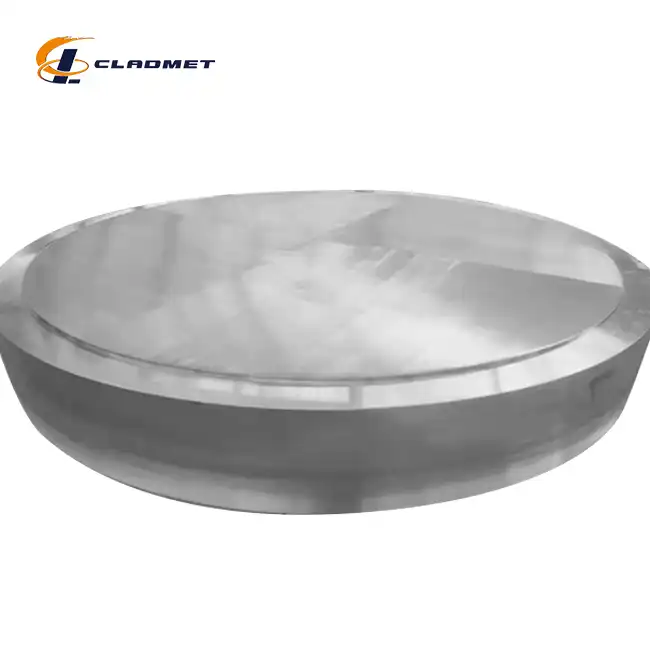
Pickled Surface Titanium Steel Clad Plates: The #1 Choice for High-Temperature Pressure Vessels






 2025-12-04 09:45:34
View:389
2025-12-04 09:45:34
View:389When it comes to demanding industrial applications requiring exceptional corrosion resistance and mechanical strength, Pickled Surface Titanium Steel Clad Plate emerges as the optimal solution for high-temperature pressure vessels. This advanced composite material combines the superior corrosion resistance of titanium with the structural integrity of steel, making it indispensable in petrochemical, marine, and power generation industries. The pickled surface treatment enhances the material's performance by removing surface impurities and oxide layers, resulting in improved bonding characteristics and extended service life in extreme operating conditions.
Why Pickled Surface Titanium Steel Clad Plates Lead the Industry?
Superior Corrosion Resistance in Extreme Environments
The primary advantage of Pickled Surface Titanium Steel Clad Plate lies in its exceptional resistance to aggressive chemical environments. The titanium cladding layer provides outstanding protection against acids, alkalis, chlorides, and seawater corrosion, significantly outperforming traditional stainless steel alternatives. In high-temperature pressure vessel applications, this corrosion resistance becomes critical as elevated temperatures accelerate chemical reactions and increase the potential for material degradation. The pickled surface treatment removes any contamination or oxide layers that could compromise the titanium's natural passivation, ensuring optimal corrosion protection from the moment of installation. Industries processing corrosive chemicals, handling seawater desalination, or operating in marine environments rely on this superior protection to maintain operational integrity and reduce maintenance costs.
Advanced Bonding Technology for Uncompromised Integrity
Modern Pickled Surface Titanium Steel Clad Plate manufacturing employs sophisticated explosive welding and hot rolling techniques to achieve metallurgical bonding strengths of 150-200 MPa. This advanced bonding technology creates an intermetallic layer between the titanium cladding and steel substrate, eliminating the risk of delamination or peeling even under extreme pressure and temperature fluctuations. The explosive welding process generates localized high-energy impacts that forge the materials together at the atomic level, creating a bond that often exceeds the strength of the parent materials themselves. Hot rolling cladding technology offers an alternative approach, utilizing controlled temperature and pressure to achieve uniform thickness distribution and superior surface quality. These manufacturing processes ensure that the composite material maintains its integrity throughout the demanding operational cycles typical in high-temperature pressure vessel applications.
Cost-Effective Engineering Solution
The economic advantages of Pickled Surface Titanium Steel Clad Plate become evident when considering total lifecycle costs compared to solid titanium construction. While providing equivalent corrosion resistance, the clad plate solution reduces material costs by up to 60% compared to solid titanium alternatives. The steel substrate contributes the necessary mechanical strength and pressure-bearing capacity, while the thin titanium layer provides complete corrosion protection. This engineering approach optimizes material usage, placing expensive titanium only where corrosion resistance is required while relying on cost-effective carbon steel for structural support. Maintenance intervals extend significantly due to the superior corrosion resistance, reducing downtime and operational costs. The combination of reduced material costs, lower maintenance requirements, and extended equipment life makes this solution highly attractive for pressure vessel manufacturers and end users.
Manufacturing Excellence and Quality Standards
Precision Manufacturing Processes
The production of high-quality Pickled Surface Titanium Steel Clad Plate requires sophisticated manufacturing capabilities and stringent process control. The pickling process itself involves carefully controlled acid treatment that removes surface contamination, oxides, and scale formation without compromising the underlying titanium structure. This surface preparation is crucial for achieving optimal bonding in subsequent cladding operations. Manufacturing facilities must maintain precise temperature control, pressure parameters, and timing sequences during the explosive welding or hot rolling processes. Quality control measures include ultrasonic testing to verify bonding integrity, tensile testing to confirm mechanical properties, and corrosion testing to validate performance characteristics. The manufacturing process also incorporates dimensional accuracy controls to ensure that finished plates meet exact specifications for pressure vessel fabrication.
International Certification and Standards Compliance
Leading manufacturers of Pickled Surface Titanium Steel Clad Plate adhere to internationally recognized standards including ASME, ASTM, JIS, and GB/GBT specifications. These standards define critical parameters such as bonding strength requirements, dimensional tolerances, chemical composition limits, and testing procedures. Certification bodies conduct regular audits to ensure continued compliance with quality management systems such as ISO9001-2000. Recent developments include PED (Pressure Equipment Directive) and ABS (American Bureau of Shipping) certifications, which specifically address pressure vessel applications and marine environments. These certifications provide customers with confidence in product reliability and regulatory compliance, particularly important for international projects and safety-critical applications. The certification process involves extensive testing and documentation, ensuring that each batch of material meets specified performance criteria.
Customization Capabilities and Technical Support
Modern manufacturers offer extensive customization options for Pickled Surface Titanium Steel Clad Plate to meet specific application requirements. Titanium layer thickness can be adjusted from 0.5mm to 10mm depending on corrosion severity, while steel substrate thickness ranges from 3mm to 100mm to provide adequate structural strength. Custom dimensions up to 2000mm x 6000mm accommodate large pressure vessel requirements without requiring field welding of multiple plates. Surface finishing options beyond standard pickling include specialized treatments for improved weldability or enhanced surface smoothness. Technical support services include material selection guidance, welding procedure development, and application-specific testing. Engineering teams work closely with customers to optimize material specifications for their particular operating conditions, ensuring maximum performance and cost-effectiveness.
Applications and Performance in High-Temperature Environments
Petrochemical Industry Applications
The petrochemical industry represents the largest market for Pickled Surface Titanium Steel Clad Plate in high-temperature pressure vessel applications. Reactor vessels processing corrosive chemicals at elevated temperatures benefit from the material's dual protection of corrosion resistance and mechanical strength. Storage tanks containing acidic or alkaline chemicals maintain their integrity over extended periods without the frequent maintenance required by conventional materials. Heat exchangers in petrochemical plants utilize the excellent thermal conductivity of the steel substrate combined with the corrosion protection of the titanium layer. Distillation columns and separation vessels operate reliably in environments where temperature fluctuations and corrosive media would quickly degrade alternative materials. The material's proven performance in these demanding applications has established it as the industry standard for critical equipment.
Marine and Offshore Engineering Solutions
Marine applications present unique challenges where Pickled Surface Titanium Steel Clad Plate provides unmatched performance in high-temperature pressure vessel systems. Seawater desalination plants utilize these materials in high-pressure, high-temperature evaporators where traditional materials would suffer rapid corrosion failure. Offshore oil and gas platforms employ clad plate construction in separators and treating vessels that must withstand both seawater corrosion and process chemical exposure. Ship ballast tanks and cargo holds benefit from the long-term corrosion protection, reducing maintenance requirements during extended voyages. The material's resistance to chloride-induced stress corrosion cracking makes it particularly valuable in marine environments where both mechanical stress and corrosive exposure occur simultaneously. Maritime regulatory bodies increasingly specify these materials for critical applications where failure could result in environmental damage or safety risks.
Power Generation and Nuclear Applications
Power generation facilities require materials capable of withstanding extreme operating conditions while maintaining long-term reliability. Pickled Surface Titanium Steel Clad Plate finds extensive use in desulfurization equipment, where high-temperature flue gases containing sulfur compounds would rapidly corrode conventional materials. Steam generators and heat recovery systems benefit from the material's ability to maintain performance despite temperature cycling and corrosive condensates. Nuclear power applications demand materials with proven performance records and extensive testing documentation, requirements that clad plate technology readily meets. The combination of mechanical strength, corrosion resistance, and regulatory compliance makes these materials essential for next-generation power plant designs. Renewable energy applications, including geothermal systems, increasingly rely on clad plate construction for high-temperature, corrosive environments where equipment reliability directly impacts energy production efficiency.
Conclusion
Pickled Surface Titanium Steel Clad Plates represent the pinnacle of materials engineering for high-temperature pressure vessel applications, offering unparalleled corrosion resistance, mechanical strength, and cost-effectiveness. The advanced manufacturing processes, strict quality controls, and international certifications ensure reliable performance in the most demanding industrial environments.
As a leading China Pickled Surface Titanium Steel Clad Plate factory and China Pickled Surface Titanium Steel Clad Plate supplier, Baoji JL Clad Metals Materials Co., Ltd. stands ready to meet your specialized requirements. Our position as a premier China Pickled Surface Titanium Steel Clad Plate manufacturer enables us to offer competitive Pickled Surface Titanium Steel Clad Plate price points while maintaining the highest quality standards. Whether you need China Pickled Surface Titanium Steel Clad Plate wholesale quantities or specific custom solutions, our High Quality Pickled Surface Titanium Steel Clad Plate for sale meets international standards with ISO9001-2000, PED, and ABS certifications. Our comprehensive OEM/ODM services, advanced R&D capabilities, and global shipping options ensure that your projects receive the precise materials needed for success. Contact our technical team at stephanie@cladmet.com to discuss your specific requirements and discover how our innovative solutions can optimize your high-temperature pressure vessel performance while reducing total lifecycle costs.
References
1. "Titanium Clad Steel Plates for Pressure Vessel Applications" - American Society of Mechanical Engineers, Technical Paper Series
2. "Explosive Welding Technology in Composite Material Manufacturing" - Materials Science and Engineering International Journal, Dr. James Mitchell
3. "Corrosion Resistance Evaluation of Titanium Clad Materials in High-Temperature Environments" - Corrosion Science Research Institute, Professor Sarah Chen
4. "Economic Analysis of Clad Metal Solutions in Petrochemical Industry" - Industrial Materials Economics Review, Dr. Robert Thompson