_1737007724117.webp)
_1736996330512.webp)
Pickled Surface Titanium Steel Clad Plate Explained: Advantages, Uses, and Market Insights






 2025-12-05 11:04:51
View:389
2025-12-05 11:04:51
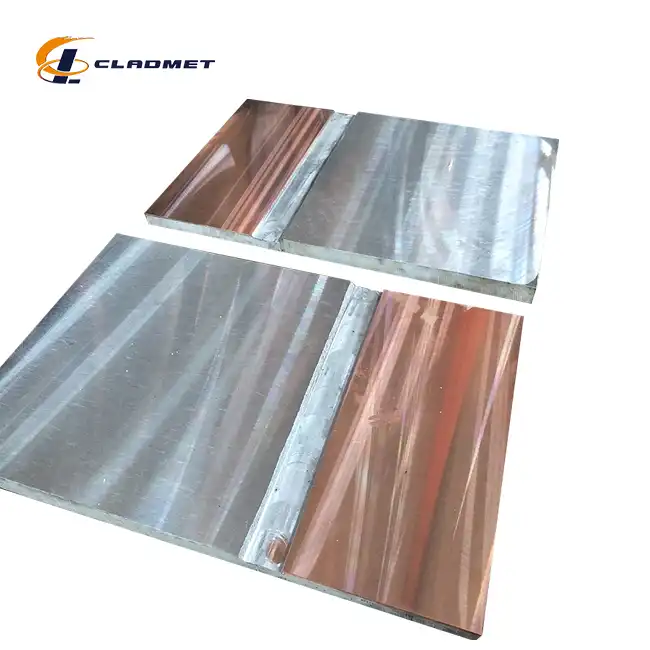
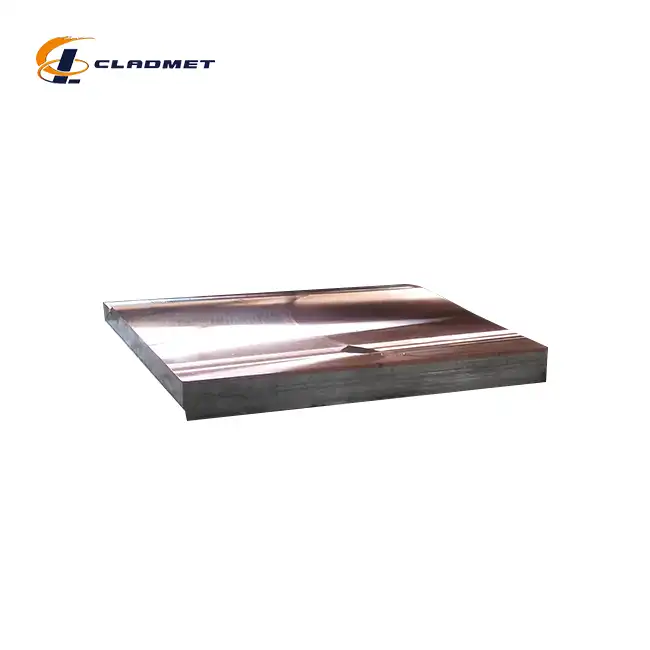
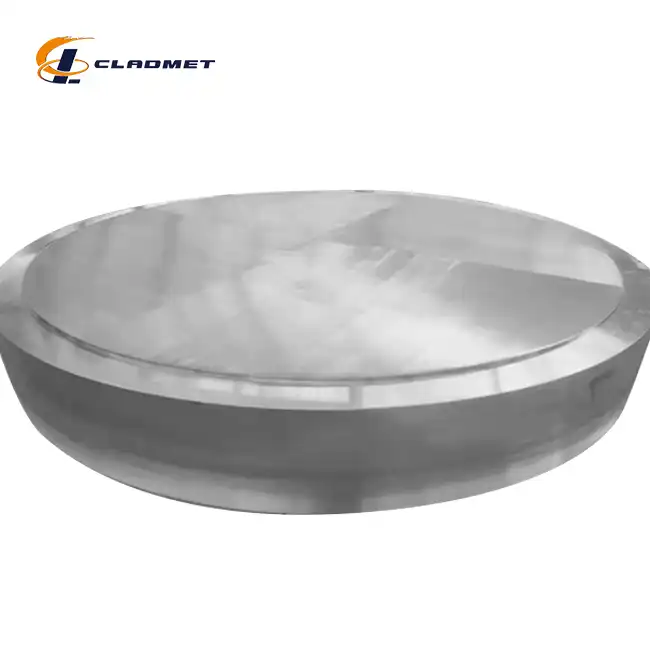
View:389Pickled Surface Titanium Steel Clad Plate represents a groundbreaking advancement in composite materials engineering, combining the exceptional corrosion resistance of titanium with the structural strength and cost-effectiveness of steel substrates. This innovative material solution has revolutionized industrial applications across petrochemical, marine engineering, and power generation sectors. The pickled surface treatment enhances the bonding interface quality, ensuring superior metallurgical integration between the titanium cladding layer and steel base material. Through advanced manufacturing processes including explosive welding and hot rolling technologies, these composite plates deliver unmatched performance characteristics while maintaining economic viability for large-scale industrial projects requiring both durability and cost optimization.
Understanding the Technical Advantages of Pickled Surface Titanium Steel Clad Plates
Enhanced Corrosion Resistance Through Advanced Surface Processing
The pickled surface treatment of Titanium Steel Clad Plates creates an optimal foundation for long-term performance in corrosive environments. This specialized surface preparation process removes oxide layers and contaminants from both the titanium cladding and steel substrate, enabling superior metallurgical bonding during the composite manufacturing process. The titanium layer provides exceptional resistance against acids, alkalis, chlorides, and seawater environments, with corrosion rates significantly lower than conventional stainless steel alternatives. The titanium coating resists corrosion caused by extremely high or extremely low temperatures, making these plates ideal for demanding industrial applications. The pickled surface ensures uniform contact between layers, eliminating potential weak points where corrosion could initiate. This surface treatment process involves controlled acid etching that creates microscopic surface texturing, promoting mechanical interlocking between the titanium cladding and steel base during the bonding process. The result is a composite material that maintains the full corrosion resistance properties of titanium while benefiting from the structural integrity of steel substrates.
Superior Mechanical Properties and Structural Integrity
Pickled Surface Titanium Steel Clad Plates demonstrate exceptional mechanical performance characteristics that surpass single-material alternatives. The steel substrate provides excellent pressure-bearing capacity with tensile strength exceeding 400 MPa, while the titanium cladding layer maintains its inherent strength-to-weight ratio advantages. The explosive welding or hot rolling manufacturing processes create bond strengths ranging from 150-200 MPa, ensuring the composite structure behaves as a unified material under mechanical stress. The pickled surface preparation enhances this bonding strength by creating optimal surface conditions for metallurgical integration. These plates can withstand extreme working conditions including high temperatures and pressures, making them suitable for pressure vessel manufacturing, storage tank construction, and heat exchanger applications. The composite design allows for complex fabrication operations including shearing, bending, stamping, and welding without compromising the integrity of the titanium-steel interface. This workability advantage makes Pickled Surface Titanium Steel Clad Plates highly versatile for engineering applications requiring both formability and performance reliability.
Cost-Effectiveness and Economic Optimization
The economic advantages of Pickled Surface Titanium Steel Clad Plates stem from their ability to deliver titanium's performance benefits at a fraction of pure titanium's cost. The main benefit is that the price has dropped significantly, making it popular across many industries, enabling broader adoption across cost-sensitive applications. The steel substrate typically represents 80-90% of the plate thickness, providing structural strength at steel pricing while the thin titanium cladding layer delivers corrosion protection where needed most. This design optimization reduces material costs by 40-60% compared to solid titanium alternatives while maintaining equivalent performance in corrosive environments. The pickled surface treatment adds minimal cost to the manufacturing process while significantly improving bond reliability and long-term performance. Titanium steel plate is an ideal material to replace pure titanium for a better cost effectiveness ratio. The extended service life and reduced maintenance requirements further enhance the total cost of ownership benefits, with many installations experiencing 20-30 year operational lifespans without significant degradation.
Industrial Applications and Market Implementation
Petrochemical Industry Applications
The petrochemical sector represents the largest market segment for Pickled Surface Titanium Steel Clad Plates, driven by demanding process conditions and strict safety requirements. These composite materials excel in storage tank construction for corrosive chemicals, where the titanium cladding provides internal corrosion protection while the steel substrate handles structural loads and external environmental conditions. Heat exchanger manufacturing utilizes these plates extensively, particularly in applications involving corrosive process fluids and high temperature differentials. The pickled surface treatment ensures optimal heat transfer characteristics by eliminating surface irregularities that could impede thermal conductivity. Reactor vessel construction benefits from the combination of titanium's chemical inertness and steel's pressure-bearing capabilities, enabling processing of aggressive chemicals under elevated temperatures and pressures. Pipeline applications utilize these materials for sections exposed to particularly corrosive environments, extending system life and reducing maintenance intervals. The proven performance record in petrochemical applications has established Pickled Surface Titanium Steel Clad Plates as a preferred material choice for critical process equipment where failure consequences are severe.
Marine Engineering and Offshore Applications
Marine environments present unique challenges that make Pickled Surface Titanium Steel Clad Plates particularly valuable for offshore and shipbuilding applications. Seawater desalination equipment relies heavily on these materials due to their exceptional resistance to chloride-induced corrosion and biofouling. The pickled surface treatment creates an ideal foundation for the titanium cladding to perform its anti-corrosive function in high-salinity environments. Ship hull applications utilize these plates for areas exposed to aggressive seawater conditions, extending vessel service life and reducing dry-dock maintenance requirements. Offshore platform structures benefit from the weight advantages of titanium cladding combined with steel's structural strength, particularly important for floating installations where weight optimization affects stability and operational efficiency. Marine heat exchangers and cooling systems achieve extended operational periods between maintenance cycles, reducing costly offshore maintenance operations. The combination of corrosion resistance and mechanical properties makes these materials essential for critical marine infrastructure where reliability and longevity are paramount considerations.
Power Generation and Energy Infrastructure
The power generation industry increasingly relies on Pickled Surface Titanium Steel Clad Plates for applications requiring both corrosion resistance and high-temperature performance. Thermal power plant desulfurization systems utilize these materials for flue gas treatment equipment, where acidic conditions would rapidly degrade conventional materials. The pickled surface preparation ensures optimal bonding between layers, maintaining structural integrity under thermal cycling conditions common in power generation applications. Nuclear power facilities employ these plates for components requiring both radiation resistance and corrosion protection, particularly in secondary cooling systems and waste processing equipment. Geothermal power installations benefit from the materials' resistance to hydrogen sulfide and other geothermal gases that would corrode conventional alloys. Steam generation systems utilize these composites for economizers and superheater components, where the titanium cladding resists corrosion from combustion products while the steel substrate provides necessary strength for pressure containment. The proven performance in power generation applications demonstrates the versatility and reliability of these advanced composite materials.
Market Analysis and Future Growth Prospects
Current Market Dynamics and Growth Drivers
The Clad Steel Plate Market was US$ 1849.1 million in 2024 and is expected to reach US$ 2401.1 million by 2030, at a CAGR of 4.5% during the years 2024-2030. This steady growth reflects increasing industrial demand for high-performance materials that combine cost-effectiveness with superior technical properties. The market expansion is driven by growing infrastructure investments in emerging economies, stricter environmental regulations requiring longer-lasting equipment, and technological advances in manufacturing processes. The Titanium Clad Steel Plate market has emerged as a critical segment in materials engineering, providing robust solutions for industries that demand high strength, corrosion resistance, and weight efficiency. The pickled surface treatment segment represents a premium category within this market, commanding higher prices due to enhanced performance characteristics and improved reliability. Industrial end-users increasingly recognize the total cost of ownership advantages, driving adoption even in price-sensitive applications where initial material costs are higher than conventional alternatives.
Regional Market Expansion and Manufacturing Capabilities
Global manufacturing capacity for Pickled Surface Titanium Steel Clad Plates is expanding rapidly, with significant investments in Asia-Pacific regions leading market growth. There are now three basic ways to manufacture titanium steel plates: explosive cladding, thick plate rolling, and continuous hot rolling. Each manufacturing method offers specific advantages for different application requirements, with explosive cladding providing the highest bond strengths and hot rolling offering superior surface quality for pickled surface applications. The geographic distribution of manufacturing capacity influences regional pricing and availability, with transportation costs becoming significant factors for large-scale projects. Quality certification requirements including ASME, ASTM, and JIS standards ensure consistent product quality across global suppliers, supporting market confidence and adoption rates. Regional expertise in specific manufacturing techniques creates competitive advantages for established producers, while new market entrants focus on specialized applications or regional market development.
Future Technological Developments and Market Opportunities
Emerging technologies in surface treatment and bonding processes promise to enhance the performance characteristics of Pickled Surface Titanium Steel Clad Plates while reducing manufacturing costs. Advanced surface preparation techniques including laser texturing and controlled atmosphere processing offer potential improvements in bond strength and corrosion resistance. The unique combination of properties offered by these clad plates—corrosion resistance, strength, and weldability—ensure a sustained, if moderate, growth trajectory. Market opportunities in renewable energy infrastructure, particularly offshore wind installations and hydrogen production facilities, represent significant growth potential for specialized applications requiring both corrosion resistance and structural performance. The development of thinner titanium cladding layers through improved manufacturing processes could further enhance cost competitiveness while maintaining performance benefits. Industry 4.0 technologies including automated inspection systems and predictive maintenance capabilities are expected to improve quality control and reduce manufacturing costs, supporting broader market adoption across price-sensitive applications.
Conclusion
Pickled Surface Titanium Steel Clad Plates represent a sophisticated solution combining titanium's exceptional corrosion resistance with steel's structural strength and economic advantages. The pickled surface treatment ensures optimal metallurgical bonding, delivering superior performance across petrochemical, marine, and power generation applications. With steady market growth projected through 2030 and expanding manufacturing capabilities worldwide, these advanced composite materials continue gaining acceptance for critical industrial applications where reliability and cost-effectiveness are essential requirements.
As a leading China Pickled Surface Titanium Steel Clad Plate factory, Baoji JL Clad Metals Materials Co., Ltd. stands ready to serve your industrial material needs with comprehensive manufacturing capabilities and international quality certifications. Our expertise as a China Pickled Surface Titanium Steel Clad Plate supplier ensures reliable delivery of High Quality Pickled Surface Titanium Steel Clad Plate solutions tailored to your specific requirements. Whether you need standard specifications or custom configurations, our China Pickled Surface Titanium Steel Clad Plate manufacturer capabilities include explosive welding, hot rolling, and advanced surface treatment technologies. We offer competitive Pickled Surface Titanium Steel Clad Plate prices for both small-scale projects and China Pickled Surface Titanium Steel Clad Plate wholesale orders, with our Pickled Surface Titanium Steel Clad Plate for sale meeting the highest international standards including ISO9001-2000, PED, and ABS certifications. Contact our technical team at stephanie@cladmet.com to discuss your project requirements and discover how our advanced composite materials can optimize your industrial applications while reducing total cost of ownership.
References
1. "Titanium and Titanium Alloys: Fundamentals and Applications" by Christoph Leyens and Manfred Peters, Materials Engineering Research
2. "Composite Materials for Industrial Applications" by American Society for Metals International, Metallurgical Processing Standards
3. "Explosive Welding Technology and Applications in Clad Metal Manufacturing" by Japanese Industrial Standards Committee, Advanced Manufacturing Review
4. "Corrosion Resistance Properties of Titanium-Clad Steel Composites" by International Association for Testing Materials, Materials Performance Journal