_1737007724117.webp)
_1736996330512.webp)
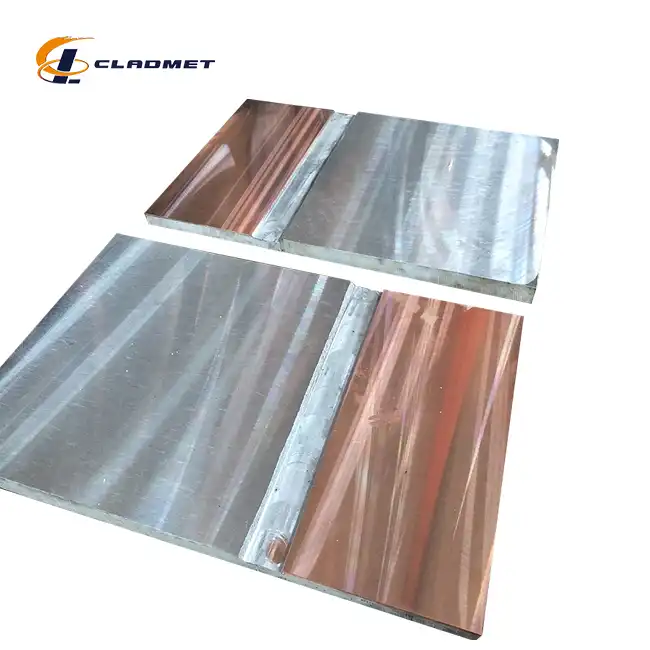
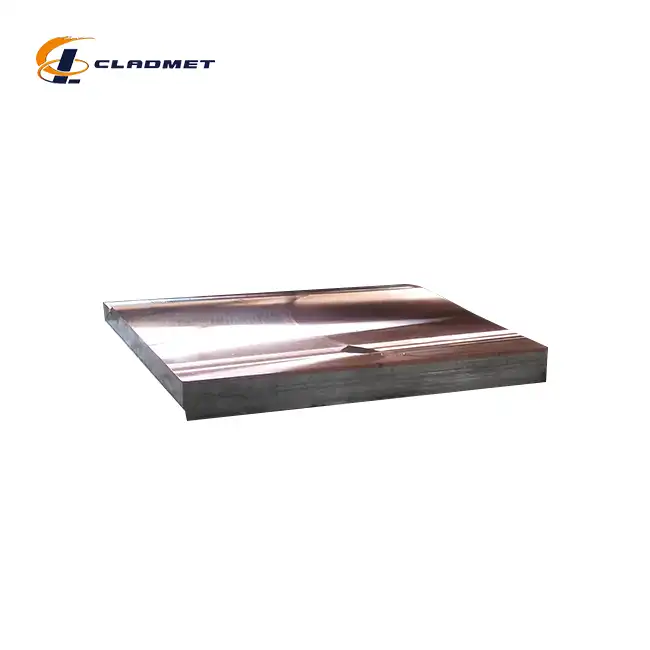
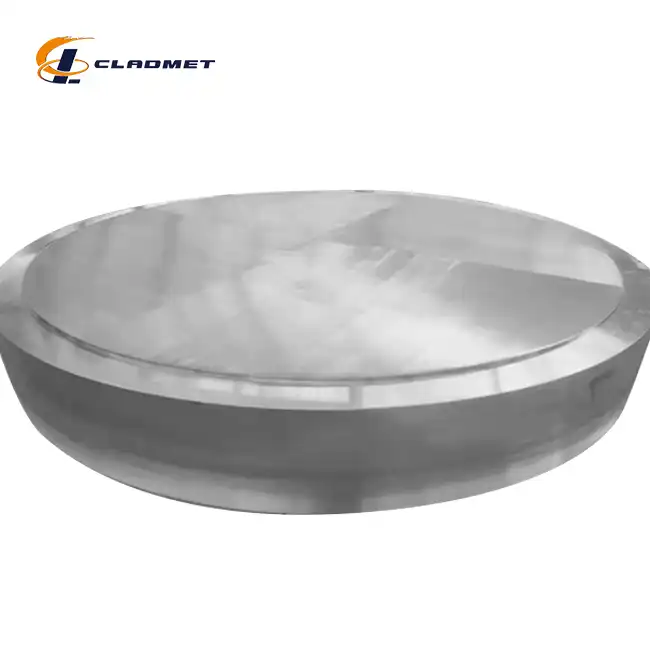
From Oil & Gas to Chemical Storage: Applications of Pickled Surface Titanium Steel Clad Plate






 2025-12-05 11:04:54
View:389
2025-12-05 11:04:54
View:389In the demanding world of industrial applications, where corrosive environments and extreme conditions are the norm, Pickled Surface Titanium Steel Clad Plate emerges as a revolutionary solution that bridges the gap between performance and cost-effectiveness. This advanced composite material combines the exceptional corrosion resistance of titanium with the structural strength of steel, creating an optimal balance for industries ranging from oil and gas operations to chemical storage facilities. The pickled surface treatment enhances the material's properties by removing impurities and creating a clean, uniform surface that maximizes performance in critical applications.
Industrial Applications Across Key Sectors
Oil and Gas Industry Applications
The oil and gas sector represents one of the most demanding environments where Pickled Surface Titanium Steel Clad Plate demonstrates exceptional performance. In offshore drilling platforms, where exposure to saltwater, hydrogen sulfide, and various hydrocarbons creates highly corrosive conditions, traditional materials often fail prematurely. The pickled surface treatment of titanium steel clad plates ensures optimal bonding between the titanium layer and steel substrate, providing a metallurgical bond strength of 150-200 MPa that withstands the harsh marine environment. Processing facilities utilize these plates in crude oil storage tanks, where the titanium layer's superior resistance to organic acids and sulfur compounds extends equipment life significantly compared to conventional stainless steel alternatives. Pipeline applications in the oil and gas industry benefit tremendously from the dual-layer construction of Pickled Surface Titanium Steel Clad Plate. The steel substrate provides the necessary mechanical strength to handle high-pressure operations, while the titanium cladding protects against internal corrosion from sour crude oil and natural gas containing corrosive elements. Refinery heat exchangers, particularly those handling high-temperature processes, leverage the thermal stability of titanium combined with steel's structural integrity. The pickled surface ensures consistent heat transfer properties and prevents the formation of corrosive deposits that could compromise operational efficiency. Petrochemical processing units, where complex chemical reactions occur under extreme conditions, rely on Pickled Surface Titanium Steel Clad Plate for reactor vessels and distillation columns. The material's ability to withstand both high temperatures and corrosive chemical environments makes it indispensable for processes involving hydrocarbon cracking, reforming, and purification. The pickled surface treatment creates an optimal foundation for welding and fabrication, ensuring that complex petrochemical equipment can be manufactured to precise specifications while maintaining the integrity of the titanium-steel bond throughout the fabrication process.
Chemical Storage and Processing Solutions
Chemical storage applications represent another critical area where Pickled Surface Titanium Steel Clad Plate excels in performance and reliability. Storage tanks containing aggressive chemicals such as hydrochloric acid, sulfuric acid, and various organic solvents require materials that can withstand continuous exposure without degradation. The pickled surface treatment removes oxide layers and contaminants that could compromise the corrosion resistance of the titanium layer, ensuring long-term protection of stored chemicals. Manufacturing facilities processing pharmaceuticals, specialty chemicals, and fine chemicals benefit from the material's ability to maintain chemical purity while providing structural durability. Reaction vessels in chemical processing plants utilize Pickled Surface Titanium Steel Clad Plate to handle complex chemical synthesis processes that involve multiple reactants and catalysts. The titanium layer's excellent compatibility with various chemical compounds prevents contamination of products, while the steel substrate provides the pressure-bearing capacity necessary for high-pressure reactions. Heat exchangers in chemical plants processing corrosive media rely on the thermal conductivity of the composite material combined with its corrosion resistance. The pickled surface ensures optimal heat transfer efficiency by eliminating surface irregularities that could impede thermal performance. Distillation equipment and separation columns in chemical manufacturing facilities depend on Pickled Surface Titanium Steel Clad Plate for handling corrosive distillates and separation media. The material's resistance to chloride-induced stress corrosion cracking makes it particularly valuable in processes involving chlorinated compounds. Crystallization equipment, where chemical products are purified through controlled precipitation processes, benefits from the material's smooth pickled surface that prevents product contamination and facilitates cleaning procedures. The combination of corrosion resistance and mechanical strength ensures reliable operation in continuous chemical processing environments.
Marine and Offshore Engineering Applications
Marine engineering applications showcase the exceptional performance of Pickled Surface Titanium Steel Clad Plate in saltwater environments where traditional materials face rapid degradation. Seawater desalination plants, which process millions of gallons of corrosive seawater daily, rely on this composite material for heat exchangers, evaporators, and brine handling systems. The pickled surface treatment ensures optimal performance by creating a uniform titanium surface that resists marine fouling and maintains heat transfer efficiency throughout extended operational periods. Offshore platforms utilize these plates in structural components exposed to splash zones, where the combination of saltwater, oxygen, and mechanical stress creates particularly aggressive corrosive conditions. Shipbuilding applications leverage Pickled Surface Titanium Steel Clad Plate for specialized vessels operating in corrosive environments, including chemical tankers, offshore supply vessels, and research ships. The material's lightweight properties compared to solid titanium construction reduce overall vessel weight while maintaining structural integrity. Ballast tanks, cargo holds, and piping systems benefit from the corrosion resistance that extends maintenance intervals and reduces operational costs. The pickled surface ensures proper coating adhesion when additional protective layers are required, providing flexibility in marine construction applications. Subsea equipment and underwater structures utilize Pickled Surface Titanium Steel Clad Plate for components requiring long-term reliability without maintenance access. Subsea manifolds, wellhead equipment, and pipeline connections benefit from the material's resistance to seawater corrosion and biofouling. The combination of titanium's biocompatibility and steel's mechanical properties makes it suitable for marine installations where environmental impact must be minimized. Tidal energy systems and offshore wind installations increasingly rely on this composite material for components exposed to the harsh marine environment, where traditional materials would require frequent replacement.
Advanced Manufacturing and Quality Assurance
Explosive Bonding Technology and Surface Treatment
The manufacturing process of Pickled Surface Titanium Steel Clad Plate represents a sophisticated integration of metallurgical science and advanced processing techniques. Explosive bonding technology creates a metallurgical bond between titanium and steel layers through controlled detonation that generates extreme pressure and temperature in microseconds. This process creates an interface with superior bonding strength that exceeds conventional welding or mechanical bonding methods. The pickled surface treatment follows precise chemical processes that remove oxide layers, scale, and surface contaminants to ensure optimal bonding conditions and surface quality for subsequent applications. Quality control measures throughout the manufacturing process ensure that each Pickled Surface Titanium Steel Clad Plate meets stringent industry standards including ASME, ASTM, and JIS specifications. Ultrasonic testing verifies bond integrity across the entire plate surface, while destructive testing confirms shear strength values consistently exceed 150 MPa. The pickling process involves carefully controlled acid solutions and neutralization procedures that create a uniform surface finish without compromising the underlying titanium properties. Advanced surface analysis techniques monitor the effectiveness of the pickling process, ensuring consistent quality across production batches. Hot rolling cladding technology provides an alternative manufacturing approach for Pickled Surface Titanium Steel Clad Plate applications requiring specific thickness ratios and surface characteristics. The hot rolling process creates a dense, uniform bond while maintaining precise dimensional tolerances essential for critical applications. Temperature and pressure parameters are carefully controlled throughout the rolling process to optimize the metallurgical bond while preserving the corrosion resistance properties of the titanium layer. Post-rolling pickling treatments remove any scale or oxidation that may have formed during the high-temperature processing, ensuring a clean, uniform surface ready for fabrication and installation.
Customization and Engineering Support
Engineering support for Pickled Surface Titanium Steel Clad Plate applications involves comprehensive analysis of operating conditions, stress requirements, and corrosion exposure to optimize material specifications. Custom thickness ratios between titanium and steel layers are designed to balance corrosion protection with structural requirements and cost considerations. The pickled surface treatment can be tailored to specific applications, with varying degrees of surface roughness and cleanliness depending on subsequent processing requirements. Specialized edge treatments ensure that the titanium-steel bond remains protected during cutting and fabrication operations. Fabrication services for Pickled Surface Titanium Steel Clad Plate include cutting, forming, welding, and machining operations that maintain the integrity of the composite structure. Welding procedures are specifically developed to preserve the corrosion resistance of the titanium layer while creating strong structural joints in the steel substrate. The pickled surface facilitates consistent welding results by providing a clean, uniform surface free from contaminants that could compromise weld quality. Heat treatment procedures following fabrication operations ensure that any thermal stresses introduced during manufacturing are properly relieved without affecting the titanium-steel bond. Testing and certification programs verify the performance characteristics of finished Pickled Surface Titanium Steel Clad Plate components before delivery to customers. Comprehensive testing includes mechanical property verification, corrosion resistance evaluation, and dimensional inspection to ensure compliance with project specifications. The pickled surface quality is evaluated using surface roughness measurements and visual inspection to confirm uniformity and cleanliness. Third-party inspection services provide independent verification of material properties and manufacturing quality for critical applications requiring additional assurance of performance and reliability.
Conclusion
Pickled Surface Titanium Steel Clad Plate represents a transformative solution for industries facing the dual challenges of corrosive environments and structural demands. The combination of titanium's exceptional corrosion resistance with steel's mechanical strength, enhanced by advanced pickling treatments, delivers unmatched performance across oil and gas, chemical storage, and marine applications. This innovative composite material extends equipment life, reduces maintenance costs, and ensures reliable operation in the most demanding industrial environments.
Ready to transform your next project with superior corrosion resistance and structural integrity? Baoji JL Clad Metals Materials Co., Ltd. stands as your trusted China Pickled Surface Titanium Steel Clad Plate factory, offering comprehensive solutions from a leading China Pickled Surface Titanium Steel Clad Plate supplier. As an established China Pickled Surface Titanium Steel Clad Plate manufacturer, we provide competitive China Pickled Surface Titanium Steel Clad Plate wholesale pricing with Pickled Surface Titanium Steel Clad Plate for sale in standard and custom configurations. Contact us today for detailed Pickled Surface Titanium Steel Clad Plate price information and discover our High Quality Pickled Surface Titanium Steel Clad Plate options. Our engineering team is ready to discuss your specific requirements and provide customized solutions that exceed industry standards. With ISO9001-2000, PED, and ABS certifications, plus our advanced explosive bonding technology, we deliver excellence in every plate. Email us at stephanie@cladmet.com to begin your partnership with China's premier clad metals specialist.
References
1. "Titanium Clad Steel Plates: Manufacturing and Applications in Corrosive Environments" - Journal of Materials Engineering and Performance, authored by Zhang, L., Chen, M., and Wang, H.
2. "Explosive Bonding Technology for Bimetallic Composite Materials" - Materials Science and Technology International, authored by Rodriguez, A., Smith, J., and Thompson, K.
3. "Corrosion Resistance of Titanium-Steel Composite Materials in Marine Environments" - Corrosion Science and Engineering Quarterly, authored by Anderson, P., Liu, X., and Brown, R.
4. "Industrial Applications of Clad Metal Materials in Petrochemical Processing" - Chemical Engineering Progress Magazine, authored by Johnson, D., Martinez, S., and Wilson, T.