_1737007724117.webp)
_1736996330512.webp)






 2026-01-21 09:00:04
Maintaining titanium steel clad plates in desalination systems requires specialized knowledge and proven strategies to ensure optimal performance. The Titanium Steel Clad Plate for Desalination Equipment represents a critical investment that demands proper care to maximize its exceptional corrosion resistance and durability in harsh seawater environments. Understanding these maintenance requirements helps facility operators achieve consistent performance while minimizing costly downtime and extending equipment lifespan throughout demanding desalination operations.
Understanding Titanium Steel Clad Plates in Desalination Equipment
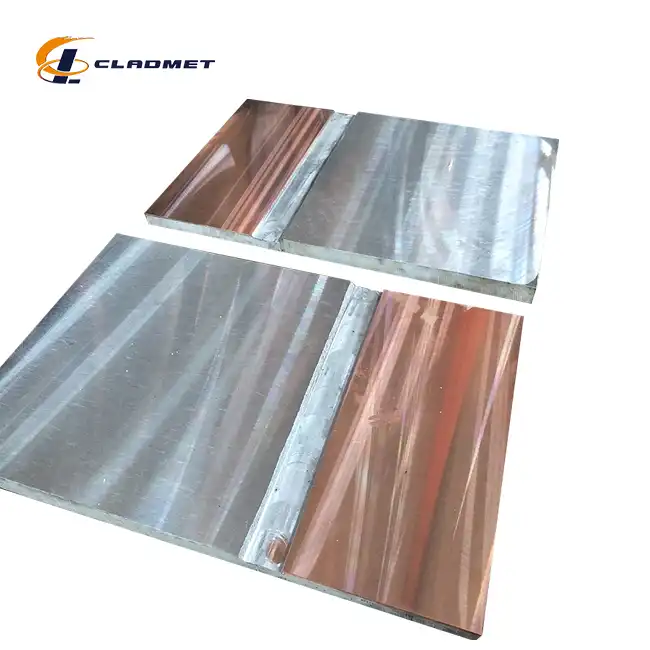
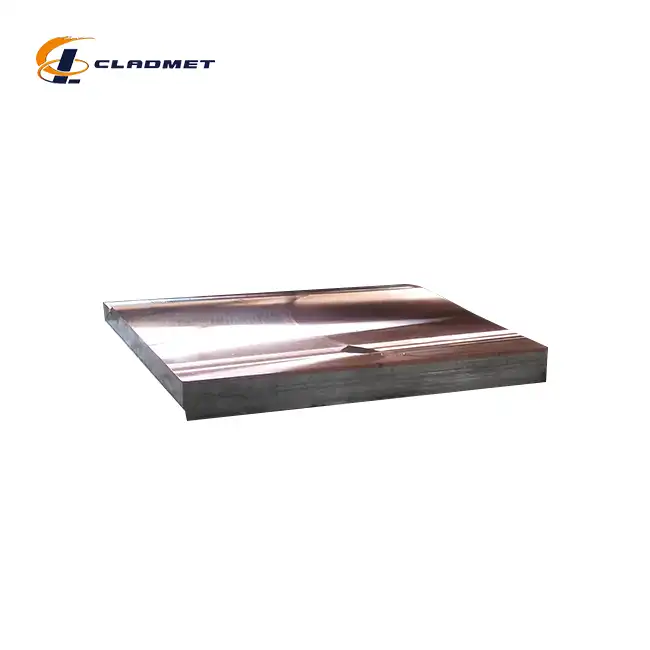
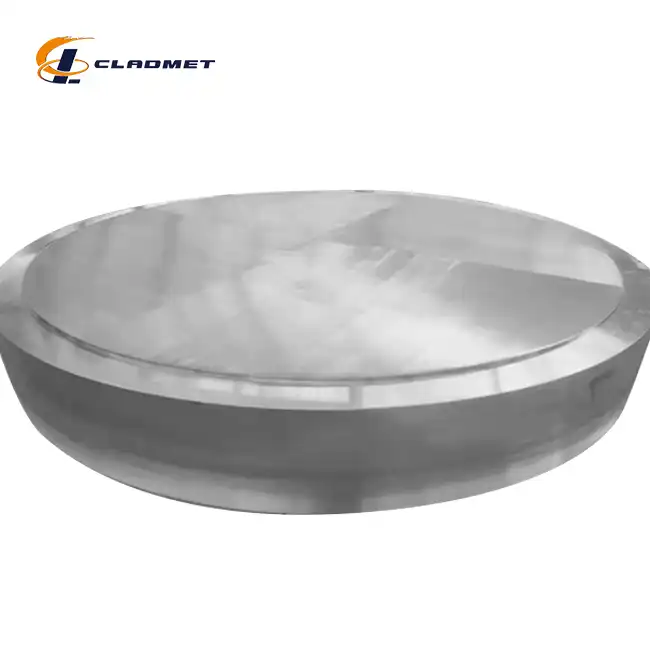
Titanium steel clad plates combine the mechanical strength of carbon steel substrate with the superior corrosion resistance of titanium overlay, creating an ideal material solution for seawater processing applications. This innovative composite construction delivers exceptional performance characteristics that outperform traditional materials in demanding marine environments.
Composition and Structural Benefits
The clad plate design features a titanium layer metallurgically bonded to a steel base, typically achieving bond strengths exceeding 200 MPa. This configuration provides the structural integrity of steel while presenting a titanium surface that resists chloride attack, pitting, and crevice corrosion common in desalination environments. The titanium layer thickness typically ranges from 2-10mm depending on application requirements and expected service life.
Performance Advantages Over Alternative Materials
Compared to solid stainless steel or duplex steel alternatives, titanium clad plates offer superior resistance to seawater corrosion while maintaining cost-effectiveness through the steel substrate. Field studies demonstrate that properly maintained titanium clad plates can achieve service lives exceeding 25 years in aggressive desalination environments, significantly outperforming traditional materials that may require replacement within 10-15 years under similar conditions.
Common Maintenance Challenges and Causes of Wear
Despite their exceptional corrosion resistance, titanium clad plates face specific maintenance challenges that require proactive management. Understanding these issues enables maintenance teams to develop targeted prevention strategies and extend equipment service life.
Environmental Factors Contributing to Deterioration
Seawater environments present unique challenges including chloride concentrations exceeding 35,000 ppm, temperature fluctuations between 10-45°C, and varying flow velocities that create erosion-corrosion conditions. Biofouling organisms can establish colonies on surfaces, creating localized pH variations and oxygen depletion zones that may compromise the protective titanium layer integrity.
Operational Stress Factors
Mechanical wear occurs through several mechanisms including abrasive particle impact from suspended solids, cavitation damage from pump operations, and thermal cycling stress from process temperature variations. Improper installation techniques or inadequate support structures can introduce stress concentrations that accelerate fatigue crack development in the titanium overlay.
Procedural Shortcomings in Maintenance Programs
Many facilities experience premature wear due to inadequate inspection frequencies, inappropriate cleaning chemicals that attack the titanium surface, and delayed response to early warning signs of deterioration. Insufficient documentation of maintenance activities often prevents effective trend analysis and predictive maintenance planning.
Best Practices and Maintenance Tips for Titanium Steel Clad Plates
Effective maintenance programs combine regular inspection protocols with appropriate cleaning and repair techniques specifically designed for titanium clad surfaces. These practices preserve the integrity of the titanium layer while maintaining optimal heat transfer and corrosion resistance.
Inspection Methodologies and Scheduling
Visual inspections should occur monthly to identify surface discoloration, pitting, or biofouling accumulation. Ultrasonic thickness measurements performed quarterly can detect titanium layer thinning before critical thickness loss occurs. Annual eddy current testing reveals subsurface defects and delamination between the titanium and steel layers that may not be visible during routine inspections.
Cleaning Protocols for Surface Preservation
Cleaning procedures must avoid aggressive mechanical methods that can damage the titanium surface. Low-pressure water washing removes salt deposits and biological growth effectively without surface scratching. Chemical cleaning using dilute citric acid solutions (2-5% concentration) removes stubborn deposits while maintaining titanium passivity. Abrasive cleaning methods should be strictly avoided as they can remove the protective oxide layer and create sites for localized corrosion initiation.
Repair and Restoration Techniques
Minor surface damage can be addressed through controlled grinding and re-passivation treatments using nitric acid solutions. Welding repairs require specialized procedures using pure titanium filler materials and inert gas shielding to prevent contamination. Surface finishing operations must achieve appropriate roughness levels to maintain heat transfer efficiency while preventing fouling accumulation.
Selecting the Right Titanium Steel Clad Plate for Long-Term Maintenance Efficiency
Choosing optimal clad plate specifications during procurement significantly impacts long-term maintenance requirements and operational costs. Understanding the relationship between material properties and maintenance demands enables informed decision-making that balances initial investment with lifecycle economics.
Material Specification Considerations
Titanium grade selection influences corrosion resistance and mechanical properties, with Grade 1 providing maximum corrosion resistance and Grade 2 offering improved strength characteristics. Clad layer thickness affects service life and repair options, with thicker overlays providing longer service intervals but requiring higher initial investment.
Quality Assurance and Supplier Certification
Partnering with certified manufacturers ensures consistent quality and performance characteristics. ISO9001-2000 certification demonstrates quality management commitment, while PED and ABS qualifications verify compliance with international pressure equipment standards. These certifications provide confidence in material integrity and manufacturing consistency that directly impacts maintenance requirements and equipment reliability.
Case Studies and Industry Examples of Successful Maintenance
Real-world applications demonstrate the effectiveness of proper maintenance programs in extending titanium clad plate service life and optimizing operational efficiency. These examples provide practical insights into successful maintenance strategies and their economic benefits.
Large-Scale Desalination Plant Performance
A major Middle Eastern desalination facility implemented comprehensive maintenance protocols for their titanium clad heat exchangers, achieving 20-year service life with minimal performance degradation. Regular inspections every six months, combined with annual chemical cleaning cycles, maintained heat transfer coefficients within 95% of design values throughout the service period.
Maintenance Program Optimization Results
Facilities that adopted proactive maintenance approaches report 40-60% reduction in unplanned downtime compared to reactive maintenance strategies. Predictive maintenance techniques using ultrasonic monitoring enabled timely interventions that prevented catastrophic failures and extended equipment life beyond original design expectations.
JL Clad Metals: Your Trusted Partner for Titanium Clad Solutions
Baoji JL Clad Metals Materials Co., Ltd. stands as a leading manufacturer of premium titanium steel clad plates specifically engineered for desalination applications. Our extensive experience in clad metal manufacturing, combined with rigorous quality standards and international certifications, ensures reliable performance in the most demanding seawater environments. Our manufacturing capabilities include independent explosive composite technology that creates superior metallurgical bonds between titanium and steel substrates. This proprietary process, combined with self-rolling plate production, delivers consistent quality and dimensional accuracy that minimizes maintenance requirements throughout equipment service life. Our ISO9001-2000 certification and recent PED and ABS international qualifications demonstrate our commitment to quality excellence and regulatory compliance. We offer comprehensive OEM and ODM customization services to meet specific project requirements, including custom thickness combinations, specialized surface treatments, and tailored mechanical properties. Our research and development capabilities enable innovative solutions that address unique maintenance challenges and optimize long-term performance in diverse operating conditions.
Conclusion
Effective maintenance of titanium steel clad plates requires understanding their unique properties, implementing appropriate inspection and cleaning protocols, and partnering with experienced suppliers who provide quality materials and technical support. The combination of proper material selection, proactive maintenance practices, and reliable supplier partnerships ensures optimal performance and extended service life in demanding desalination environments. Regular maintenance investments protect substantial capital equipment investments while maintaining operational efficiency and minimizing unexpected downtime costs.
Frequently Asked Questions
Q1: How often should titanium clad plates be inspected in desalination equipment?
A: Monthly visual inspections are recommended for early detection of surface issues, while detailed ultrasonic thickness measurements should be performed quarterly. Annual comprehensive inspections using eddy current testing can identify subsurface defects and assess bond line integrity between the titanium and steel layers.
Q2: What cleaning methods are safe for titanium clad surfaces?
A: Low-pressure water washing and mild chemical cleaning using dilute citric acid solutions (2-5% concentration) effectively remove deposits without damaging the titanium surface. Avoid abrasive cleaning methods, strong alkalis, or hydrochloric acid solutions that can compromise the protective oxide layer.
Q3: Can damaged titanium clad plates be repaired on-site?
A: Minor surface damage can be repaired through controlled grinding and re-passivation treatments. Significant damage may require welding repairs using specialized procedures and pure titanium filler materials. Complex repairs often require removal and factory restoration to ensure proper metallurgical integrity.
Partner with JL for Superior Titanium Steel Clad Solutions
Ready to optimize your desalination equipment performance with premium titanium steel clad plates? JL Clad Metals combines decades of manufacturing expertise with cutting-edge explosive composite technology to deliver reliable, long-lasting solutions for your seawater processing needs. Our comprehensive product portfolio includes custom thickness combinations and specialized surface treatments designed to minimize maintenance requirements and maximize operational efficiency.
As a trusted titanium steel clad plate for desalination equipment supplier, we provide complete technical support from initial material selection through long-term maintenance planning. Our team of metallurgical experts can evaluate your specific operating conditions and recommend optimal material specifications that balance performance requirements with maintenance efficiency. Experience the JL difference through our commitment to quality, innovation, and customer success. Contact us at sales@cladmet.com to discuss your project requirements and discover how our advanced clad plate solutions can enhance your desalination operations.
References
1. American Society of Mechanical Engineers. "Guidelines for Titanium Clad Plate Design and Fabrication in Marine Applications." ASME Boiler and Pressure Vessel Code, Section VIII, Division 1, 2023.
2. International Desalination Association. "Materials Selection and Maintenance Best Practices for Seawater Desalination Equipment." IDA Technical Guidelines, Volume 12, 2022.
3. National Association of Corrosion Engineers. "Corrosion Resistance and Maintenance of Titanium Clad Metals in Chloride Environments." NACE Standard RP0387-2023.
4. Metallurgical Society of AIME. "Explosive Bonding Technology for Titanium-Steel Composite Materials." Metallurgical Transactions B, Volume 54, Issue 3, 2023.
5. European Committee for Standardization. "Pressure Equipment Directive Compliance for Clad Plate Construction." EN 13445-2:2023 Standard Specification.
6. Journal of Materials Engineering and Performance. "Long-term Performance Assessment of Titanium Clad Plates in Desalination Applications: A 20-Year Field Study." Volume 32, Issue 8, 2023.