_1737007724117.webp)
_1736996330512.webp)






 2026-01-21 09:00:04
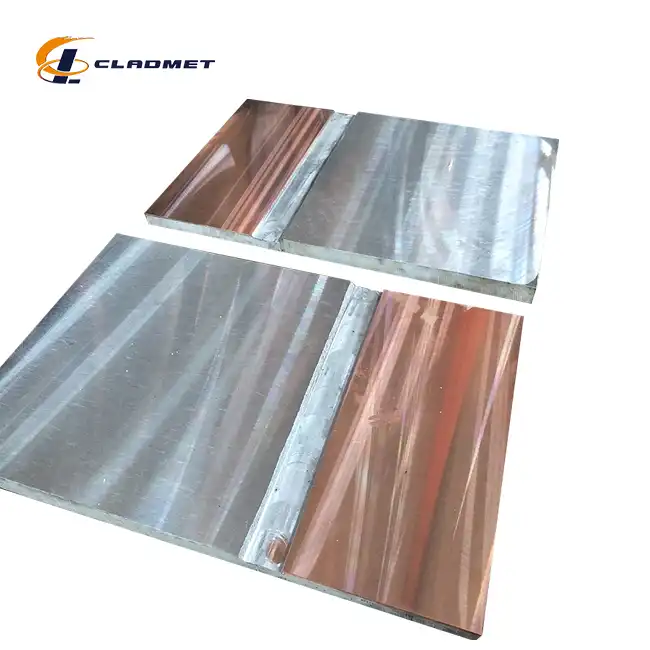
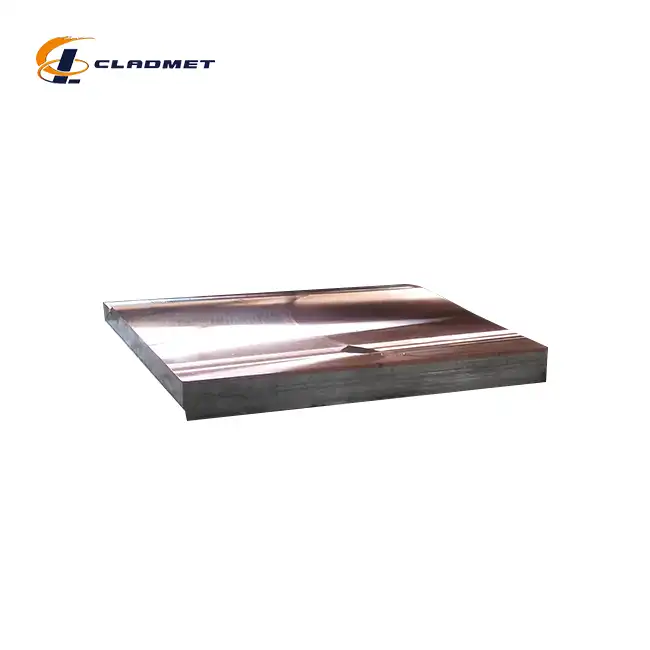
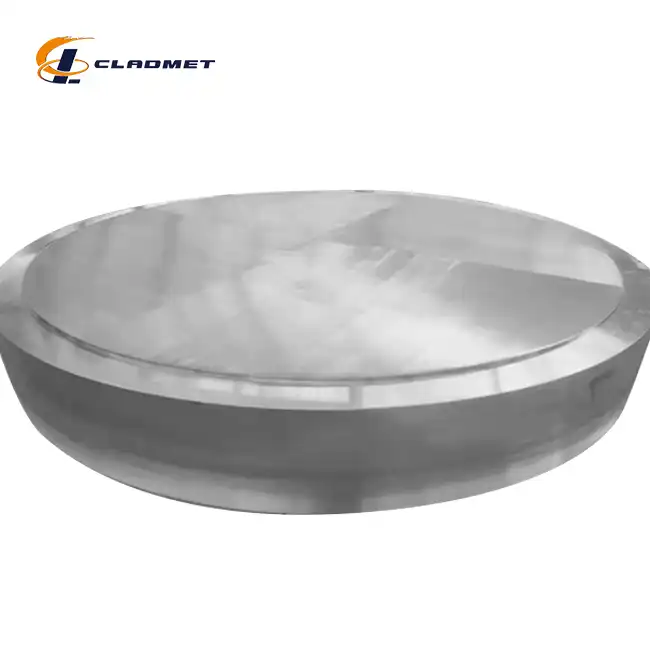
Explosion Bonded Gr2 Titanium Clad S31603 Stainless Steel Plate represents a revolutionary composite material that combines the exceptional corrosion resistance of Grade 2 titanium with the structural strength of S31603 stainless steel through an explosive bonding process. This advanced metallurgical technique creates a molecular-level bond between the two materials, resulting in superior performance characteristics that exceed those of traditional welded or overlay cladding methods. These plates typically feature titanium cladding thicknesses ranging from 1.5mm to 10mm bonded to stainless steel substrates, offering engineers and procurement professionals an optimal solution for demanding industrial environments where both corrosion resistance and mechanical strength are paramount.
Understanding Explosion Bonded Gr2 Titanium Clad S31603 Stainless Steel Plate
What is Explosion Bonding Technology
Explosion bonding represents a solid-state welding process that uses controlled detonation to create metallurgical bonds between dissimilar metals. The process involves placing the titanium cladding material parallel to the stainless steel base, with a precise standoff distance maintained between them. When the explosive charge detonates, it accelerates the titanium plate at extremely high velocity toward the stainless steel substrate, creating collision conditions that generate sufficient pressure and temperature to form atomic-level bonding without melting either material.
Material Properties and Composition
Grade 2 titanium offers exceptional corrosion resistance in aggressive chemical environments while maintaining excellent ductility and formability. This commercially pure titanium contains minimal alloying elements, typically less than 0.25% oxygen and 0.03% nitrogen, making it ideal for chemical processing applications. S31603 stainless steel, also known as 316L, provides superior mechanical strength with its austenitic structure containing 16-18% chromium, 10-14% nickel, and 2-3% molybdenum. The combination of these materials through explosion bonding creates a composite that leverages the best properties of both metals.
Benefits of Explosion Bonded Composite Materials
The explosion bonding process creates several distinct advantages over traditional cladding methods. The resulting metallurgical bond exhibits superior strength compared to welded overlays, with typical bond strengths exceeding 200 MPa in shear testing. This creates exceptional resistance to delamination under thermal cycling and mechanical stress conditions common in industrial applications. Additionally, the process eliminates heat-affected zones that can compromise material properties in welded constructions, ensuring consistent performance throughout the composite structure.
Technical Specifications and Standards for Explosion Bonded Titanium Clad Plates
Dimensional Requirements and Tolerances
Standard explosion bonded plates are available in thicknesses ranging from 6mm to 100mm total thickness, with titanium cladding typically representing 10-20% of the total plate thickness. Dimensional tolerances conform to ASTM B898 specifications, with typical thickness tolerance of ±10% for the cladding layer and ±5% for overall plate thickness. Surface finish requirements typically specify Ra values not exceeding 6.3 micrometers for the titanium surface, ensuring optimal performance in chemical process environments.
International Standards and Certifications
Quality assurance for these composite materials follows multiple international standards including ASTM B898 for explosion bonded metals, ASME Section II for pressure vessel applications, and ISO 14994 for explosion welding processes. These standards establish requirements for material composition, mechanical properties, bond strength testing, and quality control procedures. Certification typically includes ultrasonic testing to verify bond integrity, tensile testing to confirm mechanical properties, and chemical analysis to validate material composition.
Manufacturing Process Control
The explosion bonding manufacturing process requires precise control of multiple variables including explosive type and quantity, standoff distance, collision angle, and surface preparation conditions. Quality control measures include pre-bonding surface inspection, explosive placement verification, post-bonding ultrasonic examination, and mechanical testing of sample coupons. This comprehensive approach ensures consistent bond quality and mechanical properties across production batches, meeting the demanding requirements of industrial applications.
Comparing Explosion Bonded Titanium Clad Plates with Other Cladding Methods
Bonding Strength and Structural Integrity
Explosion bonded interfaces demonstrate superior bond strength compared to alternative cladding methods such as roll bonding or overlay welding. Testing data shows that explosion bonded titanium-stainless steel interfaces typically achieve bond strengths of 200-400 MPa, significantly exceeding the 100-150 MPa range common with overlay welding. This enhanced bonding strength translates to improved resistance to delamination under thermal cycling and mechanical loading conditions encountered in chemical processing environments.
Corrosion Performance Advantages
The absence of heat-affected zones in explosion bonded materials provides distinct corrosion performance benefits. Unlike welded overlay constructions where heat input can alter material microstructure and create preferential corrosion sites, explosion bonding preserves the original material properties of both the titanium cladding and stainless steel substrate. This results in uniform corrosion resistance across the entire surface area, particularly important in applications involving aggressive chemicals or elevated temperatures.
Cost-Effectiveness Analysis
While explosion bonded plates typically command higher initial material costs compared to overlay welded alternatives, the total lifecycle cost often proves more favorable. The superior bond integrity reduces maintenance requirements and extends service life, while the elimination of post-weld heat treatment requirements reduces fabrication costs. Additionally, the consistent material properties throughout the plate reduce the risk of premature failure, providing better value for critical applications where reliability is paramount.
Applications and Industry Use Cases of Explosion Bonded Titanium Clad Plates
Chemical Processing Industry Applications
Chemical processing facilities utilize these composite plates extensively in reactor vessels, heat exchangers, and storage tanks handling corrosive media. The titanium cladding provides excellent resistance to organic acids, chlorides, and oxidizing environments while the stainless steel substrate maintains structural integrity under pressure and temperature cycling. Typical applications include chlor-alkali production equipment, pharmaceutical manufacturing vessels, and petrochemical processing units where both corrosion resistance and mechanical strength are essential.
Marine and Offshore Engineering
Marine applications leverage the exceptional seawater corrosion resistance of titanium cladding combined with the structural properties of stainless steel substrates. These materials find application in seawater desalination plants, offshore platform components, and marine heat exchanger systems. The galvanic compatibility between titanium and stainless steel eliminates concerns about accelerated corrosion at the interface, a common problem with dissimilar metal combinations in seawater environments.
Pulp and Paper Industry Solutions
The pulp and paper industry employs explosion bonded titanium clad plates in bleaching equipment, digesters, and chemical recovery systems where resistance to chlorine compounds and alkaline solutions is required. The titanium surface provides superior resistance to chlorine dioxide bleaching environments while maintaining excellent mechanical properties under the high temperatures and pressures typical of these processes. This application demonstrates the versatility of explosion bonded materials in addressing complex corrosion challenges.
Procurement Considerations for Explosion Bonded Titanium Clad Plates
Supplier Qualification and Certification
Sourcing high-quality explosion bonded materials requires careful supplier evaluation focusing on manufacturing capabilities, quality systems, and industry certifications. Qualified suppliers should maintain ISO 9001 certification, demonstrate experience with explosion bonding processes, and provide comprehensive test documentation including ultrasonic bond integrity verification and mechanical property testing. Additionally, suppliers should offer technical support for material selection and application engineering to ensure optimal performance in specific service conditions.
Cost Factors and Pricing Considerations
Pricing for explosion bonded plates depends on several factors including material grade, cladding thickness ratio, plate dimensions, and order quantity. Titanium raw material costs significantly influence pricing, making market timing an important consideration for large procurements. Volume discounts typically become available for orders exceeding 10 metric tons, while custom specifications or special certifications may add 15-25% to standard pricing. Procurement professionals should also consider total cost of ownership including fabrication, installation, and lifecycle maintenance costs when evaluating alternatives.
International Logistics and Compliance
International procurement requires attention to export control regulations, particularly for titanium materials that may be subject to strategic material controls. Proper documentation including material certificates, country of origin declarations, and compliance statements ensures smooth customs clearance. Shipping considerations include proper packaging to prevent damage during transit and coordination with specialized handling equipment due to the weight and dimensions of industrial-scale plates.
JL Clad Metals: Your Trusted Manufacturing Partner
Advanced Manufacturing Capabilities
Baoji JL Clad Metals Materials Co., Ltd. operates state-of-the-art explosion bonding facilities equipped with precision explosive handling systems and comprehensive quality control instrumentation. Our manufacturing capabilities include custom plate sizing up to 3000mm width and 12000mm length, with cladding thickness ratios tailored to specific application requirements. The company maintains independent explosive composite technology, enabling us to optimize bonding parameters for superior interface quality and mechanical properties. Our technological leadership extends to innovative process development and continuous improvement initiatives. We have successfully developed new bonding techniques for challenging material combinations and maintain active research programs to expand our capabilities. This commitment to innovation ensures our clients benefit from the latest advances in explosion bonding technology while receiving proven, reliable products.
Quality Assurance and Certifications
JL Clad Metals maintains comprehensive quality systems certified to ISO 9001-2000 standards, with recent achievements including PED and ABS international qualifications in 2024. Our quality control procedures encompass incoming material inspection, process monitoring during bonding operations, and extensive testing of finished products. Each plate undergoes ultrasonic examination to verify bond integrity, mechanical testing to confirm strength properties, and dimensional inspection to ensure specification compliance. The company's commitment to quality extends beyond manufacturing to include comprehensive documentation and traceability. We provide detailed material certificates, test reports, and compliance documentation to support our clients' quality requirements and regulatory obligations. This systematic approach to quality assurance has established JL Clad Metals as a trusted supplier to demanding industries worldwide.
Comprehensive Customer Support Services
JL Clad Metals offers extensive technical support including material selection guidance, application engineering consultation, and custom product development services. Our engineering team works closely with clients to understand specific service conditions and recommend optimal material combinations and specifications. This collaborative approach ensures successful project outcomes while minimizing technical risks and optimizing performance. Our global distribution network supports international clients with local technical support, expedited shipping options, and comprehensive after-sales service. We maintain strategic inventory positions to reduce lead times for standard products while offering flexible manufacturing scheduling to accommodate urgent project requirements. This customer-focused approach has established long-term partnerships with major engineering contractors and end-users across multiple industries.
Conclusion
Explosion Bonded Gr2 Titanium Clad S31603 Stainless Steel Plate offers superior performance characteristics that address the most demanding industrial applications requiring both exceptional corrosion resistance and structural integrity. The explosion bonding process creates metallurgical bonds that exceed the strength and reliability of traditional cladding methods while eliminating heat-affected zones that can compromise material properties. With applications spanning chemical processing, marine engineering, and pulp and paper industries, these composite materials provide cost-effective solutions for critical service environments. Successful procurement requires careful consideration of supplier qualifications, technical specifications, and total lifecycle costs to ensure optimal value and performance.
Frequently Asked Questions
Q1: What are the typical lead times for explosion bonded titanium clad plates?
A: Standard lead times range from 8-12 weeks for common specifications, while custom sizes or special requirements may require 12-16 weeks. Lead times depend on material availability, production scheduling, and specific certification requirements. We recommend early engagement with our technical team to optimize delivery schedules for project requirements.
Q2: How does explosion bonding provide superior corrosion resistance compared to traditional cladding?
A: Explosion bonding creates metallurgical bonds without introducing heat-affected zones that can alter material microstructure and create preferential corrosion sites. This preservation of original material properties ensures uniform corrosion resistance across the entire surface area, particularly important in aggressive chemical environments.
Q3: What are the minimum order quantities and customization options available?
A: Minimum order quantities typically start at 1 metric ton for standard specifications, while custom sizes may require higher minimums depending on complexity. We offer extensive customization including specific dimensions, cladding thickness ratios, and special certifications to meet project requirements. Our engineering team works closely with clients to optimize specifications for their applications.
Partner with JL for Premium Explosion Bonded Solutions
Baoji JL Clad Metals stands ready to support your explosion bonded titanium clad stainless steel requirements with our advanced manufacturing capabilities and comprehensive technical expertise. As a leading manufacturer with independent explosive composite technology and international certifications including PED and ABS qualifications, we deliver superior quality products that meet the most demanding industrial specifications. Our experienced engineering team provides complete support from material selection through delivery, ensuring optimal performance for your specific applications. Whether you require standard plates or custom configurations, JL offers competitive pricing, reliable delivery schedules, and exceptional customer service. Discover how our explosion bonded Gr2 titanium clad S31603 stainless steel plates can enhance your project performance and contact us at sales@cladmet.com for detailed specifications and tailored quotes from your trusted supplier.
References
1. Crossland, B. "Explosive Welding of Metals and its Application." Oxford University Press, 1982.
2. Banker, J.G. and Reinhard, W.H. "Explosion-Clad Materials: Fabrication and Interface Properties." American Society for Metals, 1976.
3. Findik, F. "Recent Developments in Explosive Welding." Materials & Design Journal, Vol. 32, 2011.
4. ASTM International. "ASTM B898-11 Standard Specification for Reactive and Refractory Metal Clad Plate." ASTM International, 2016.
5. Kahraman, N. and Gulenc, B. "Microstructural and Mechanical Properties of Cu-Ti Plates Bonded through Explosive Welding Process." Journal of Materials Processing Technology, 2005.
6. Acarer, M. and Demir, B. "An Investigation of Mechanical and Metallurgical Properties of Explosive Welded Aluminum-Dual Phase Steel." Materials Letters, Vol. 62, 2008.