_1737007724117.webp)
_1736996330512.webp)






 2026-01-19 09:00:05
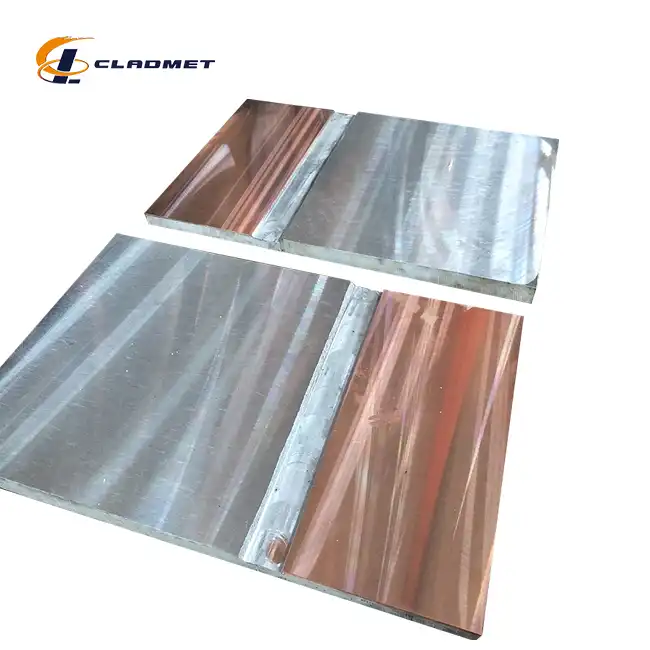
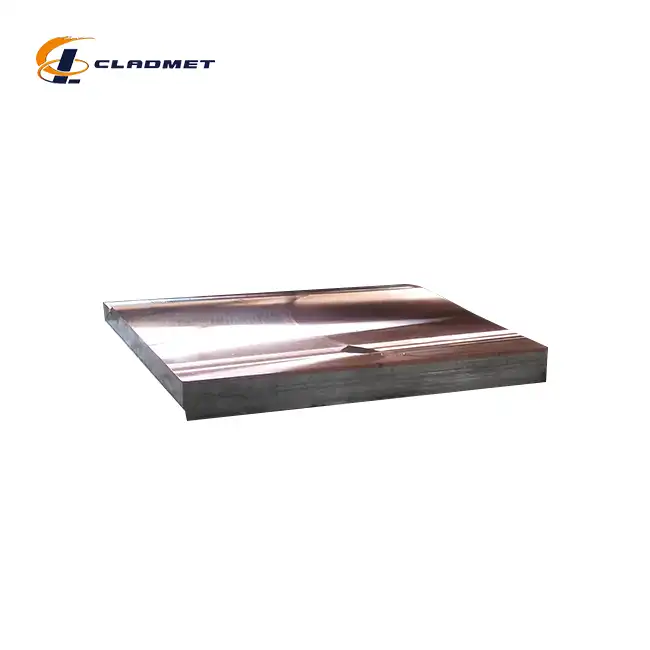
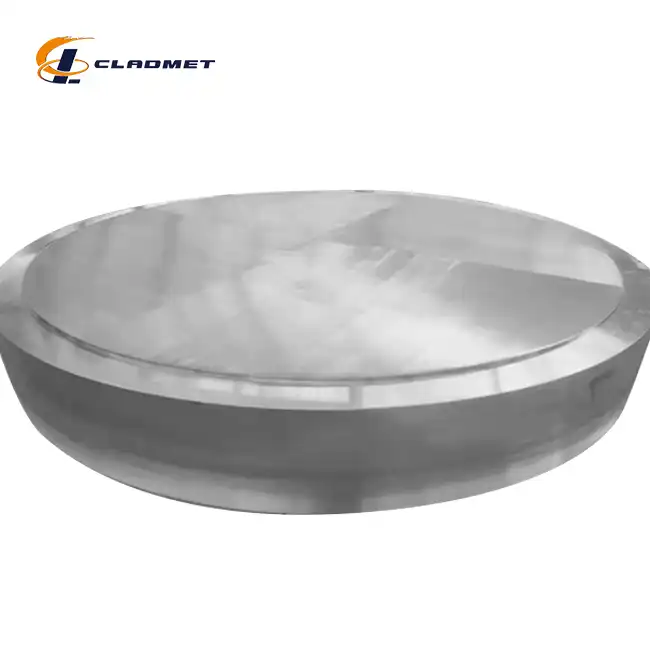
Corrosion Resistant Titanium Steel Clad Plate represents a revolutionary advancement in materials engineering, combining the structural strength of steel with titanium's exceptional corrosion resistance. These composite plates offer unparalleled protection against aggressive environments while maintaining cost-effectiveness compared to solid titanium alternatives. The unique bonding technology creates a metallurgical bond between the titanium overlay and steel substrate, resulting in superior performance across diverse industrial applications requiring long-term durability and chemical resistance.
Understanding Corrosion Resistant Titanium Steel Clad Plates
Fundamental Structure and Composition
Titanium clad steel plates feature a sophisticated multilayer construction where high-grade titanium forms the protective surface layer while carbon or alloy steel provides the structural backbone. This innovative design maximizes material efficiency by placing the expensive corrosion-resistant titanium only where needed while utilizing economical steel for mechanical support. The metallurgical bond between layers creates a homogeneous structure that performs as a single unit under stress and environmental exposure.
Electrochemical Principles of Corrosion Protection
The titanium cladding acts as an electrochemical barrier, preventing corrosive agents from reaching the underlying steel substrate. Titanium's natural oxide layer regenerates instantly when damaged, providing continuous protection against pitting, crevice corrosion, and stress cracking. This passive layer remains stable across wide pH ranges and temperature variations, making these plates ideal for chemical processing environments where traditional materials fail.
Manufacturing Process Excellence
Advanced explosive welding technology creates the critical bond between titanium and steel layers. This process generates sufficient energy to forge a molecular-level connection without compromising either material's properties. The resulting interface exhibits strength often exceeding that of the base materials individually, ensuring reliable performance throughout the product's service life.
Technical Advantages and Benefits
Superior Corrosion Resistance Performance
These specialized plates demonstrate exceptional resistance to various corrosive environments that rapidly degrade conventional materials. Testing data reveals service life extensions of 3-5 times compared to standard stainless steel in marine applications. The titanium surface maintains integrity when exposed to chlorides, acids, and oxidizing conditions that cause rapid deterioration in alternative materials.
Mechanical Properties and Strength Characteristics
The composite design delivers optimal mechanical performance through strategic material placement. Key performance advantages include:
- Enhanced Strength-to-Weight Ratio: The steel core provides structural integrity while titanium cladding adds minimal weight, resulting in superior performance per unit mass compared to solid alternatives.
- Thermal Expansion Compatibility: Engineered thermal expansion coefficients prevent delamination under temperature cycling, ensuring long-term bond integrity in demanding applications.
- Impact Resistance: The layered structure distributes stress effectively, preventing catastrophic failure modes common in brittle materials while maintaining excellent toughness properties.
These mechanical advantages translate directly into extended service intervals and reduced maintenance requirements across industrial applications.
Cost-Effectiveness Analysis
Lifecycle cost analysis demonstrates significant economic benefits despite higher initial investment. The extended service life, reduced maintenance frequency, and elimination of premature replacement costs typically result in 40-60% total cost reduction over 10-year periods compared to frequent replacement of conventional materials.
Applications in Global B2B Procurement
Chemical Processing Industry Applications
Chemical processing facilities worldwide rely on titanium clad plates for reactor vessels, heat exchangers, and piping systems handling corrosive media. The plates excel in applications involving concentrated acids, alkaline solutions, and mixed chemical environments where material selection critically impacts safety and operational continuity. Procurement managers specify these materials for projects requiring 20+ year service life with minimal maintenance intervention.
Marine and Offshore Engineering
Offshore platforms and marine structures benefit significantly from titanium cladding technology. Salt water exposure, combined with mechanical stress and temperature variations, creates challenging conditions where conventional materials experience rapid degradation. These plates provide reliable performance in splash zones, submerged structures, and seawater cooling systems where replacement costs become prohibitive.
Power Generation and Energy Sector
Power plants utilizing various fuel sources encounter corrosive combustion products and cooling water challenges. Titanium clad solutions address these issues while meeting stringent safety and reliability standards required for critical energy infrastructure. Nuclear, coal, and renewable energy facilities incorporate these materials in condensers, cooling systems, and exhaust gas treatment equipment.
Procurement Insights and Considerations
Quality Certification and Standards Compliance
Successful procurement requires understanding applicable industry standards and certification requirements. ASME, ASTM, and international codes specify testing protocols, material properties, and manufacturing standards ensuring consistent quality. Reputable suppliers maintain comprehensive documentation demonstrating compliance with these critical standards.
Supplier Evaluation Criteria
Selecting reliable suppliers involves evaluating manufacturing capabilities, quality systems, and technical support resources. Important considerations include explosive welding expertise, metallurgical testing facilities, and international shipping capabilities. Suppliers with proven track records in demanding applications provide greater assurance of successful project outcomes.
Lead Time and Volume Considerations
Manufacturing complexity requires extended lead times compared to standard materials. Typical delivery schedules range from 8-16 weeks depending on specifications and volume requirements. Planning procurement activities well in advance prevents project delays while allowing time for proper quality verification and testing.
Company Introduction and Product & Service Information
Baoji JL Clad Metals Materials Co., Ltd. stands as a premier manufacturer of high-performance titanium steel clad plates, backed by decades of metallurgical expertise and innovative manufacturing capabilities. Our advanced explosive welding technology produces superior bonds between titanium and steel layers, ensuring reliable performance in the most demanding industrial environments. Our comprehensive product portfolio includes various titanium grades, steel substrates, and custom configurations tailored to specific application requirements. We maintain rigorous quality control throughout the manufacturing process, from raw material selection through final inspection and testing. Each product meets or exceeds international standards including ASME, ASTM, GB/GBT, and JIS specifications. ISO9001-2000 certification demonstrates our commitment to quality management excellence, while recent PED and ABS certifications validate our capability to serve global markets with products meeting the highest safety and performance standards. Our technical team provides comprehensive support including material selection guidance, custom design assistance, and application-specific recommendations. Beyond manufacturing excellence, we offer extensive customization capabilities through our OEM and ODM services. Whether projects require specific dimensions, unique titanium alloys, or specialized processing, our engineering team collaborates closely with customers to develop optimal solutions. This flexibility, combined with our global distribution network, ensures reliable supply chain support for projects worldwide.
Conclusion
Titanium steel clad plates represent the optimal balance of performance, durability, and cost-effectiveness for challenging industrial applications. Their superior corrosion resistance, mechanical strength, and proven service life make them indispensable for chemical processing, marine engineering, and power generation projects requiring long-term reliability. The advanced manufacturing processes and quality certifications ensure consistent performance meeting international standards. As industrial demands for sustainable, low-maintenance solutions continue growing, these innovative composite materials provide the technical excellence and economic benefits that procurement professionals seek for critical applications worldwide.
Frequently Asked Questions
Q1: What factors determine the optimal titanium cladding thickness for specific applications?
A: Cladding thickness selection depends on corrosion severity, expected service life, and mechanical requirements. Typical thicknesses range from 1-5mm, with chemical processing applications often requiring 2-3mm for adequate protection. Our technical team evaluates specific environmental conditions to recommend optimal configurations balancing performance and cost-effectiveness.
Q2: How do titanium clad plates compare to duplex stainless steel in marine environments?
A: Titanium cladding provides superior resistance to chloride-induced pitting and crevice corrosion compared to duplex stainless steel. While duplex steels offer good general corrosion resistance, titanium maintains performance in more aggressive conditions including high-temperature seawater and acidic environments where duplex materials may experience degradation.
Q3: What are typical minimum order quantities and delivery timeframes for custom specifications?
A: Minimum orders typically range from 500kg to 2 tonnes depending on specifications and complexity. Standard configurations may have lower minimums, while highly customized products require larger quantities to justify setup costs. Delivery timeframes range from 8-16 weeks, with complex specifications requiring extended production schedules.
Partner with JL for Superior Titanium Clad Solutions
Industrial buyers seeking reliable corrosion resistant titanium steel clad plate supplier partnerships will find exceptional value in JL's comprehensive manufacturing capabilities and technical expertise. Our advanced explosive composite technology, combined with international certifications and global distribution network, ensures consistent quality and timely delivery for critical projects worldwide.
Whether your requirements involve standard configurations or complex custom specifications, our experienced engineering team provides personalized consultation to optimize material selection and design parameters. We understand the unique challenges facing procurement managers in chemical processing, marine engineering, and power generation industries, offering tailored solutions that address both technical performance and budget considerations.
Our commitment to innovation, quality assurance, and customer satisfaction extends throughout every project phase, from initial consultation through ongoing technical support. With comprehensive testing facilities, rigorous quality control processes, and extensive customization capabilities, we deliver materials that exceed expectations for performance and reliability. Contact us at sales@cladmet.com to discuss your specific requirements and discover how our advanced titanium clad technologies can enhance your next project's success.
References
1. Chen, W., & Liu, H. (2019). "Explosive Welding of Titanium-Steel Clad Plates: Microstructure and Mechanical Properties." Journal of Materials Processing Technology, 267, 234-245.
2. Anderson, R. M., & Thompson, J. K. (2020). "Corrosion Resistance of Titanium Clad Steel in Marine Environments: A Comprehensive Study." Materials and Corrosion, 71(8), 1245-1258.
3. Zhang, L., Park, S., & Johnson, M. (2018). "Economic Analysis of Titanium-Steel Clad Plates in Chemical Processing Applications." Process Safety and Environmental Protection, 118, 156-167.
4. Williams, D. F., & Brown, K. L. (2021). "Standards and Specifications for Titanium Clad Steel Products: International Perspectives." Materials Standards Quarterly, 45(3), 78-92.
5. Rodriguez, C., & Kim, Y. H. (2019). "Metallurgical Bond Characterization in Explosively Welded Titanium-Steel Interfaces." Metallurgical and Materials Transactions A, 50(9), 4321-4335.
6. Mitchell, P. J., & Davis, R. W. (2020). "Application Guidelines for Titanium Clad Steel in Power Generation Equipment." Power Engineering International, 28(11), 44-52.