_1737007724117.webp)
_1736996330512.webp)






 2026-01-19 09:00:05
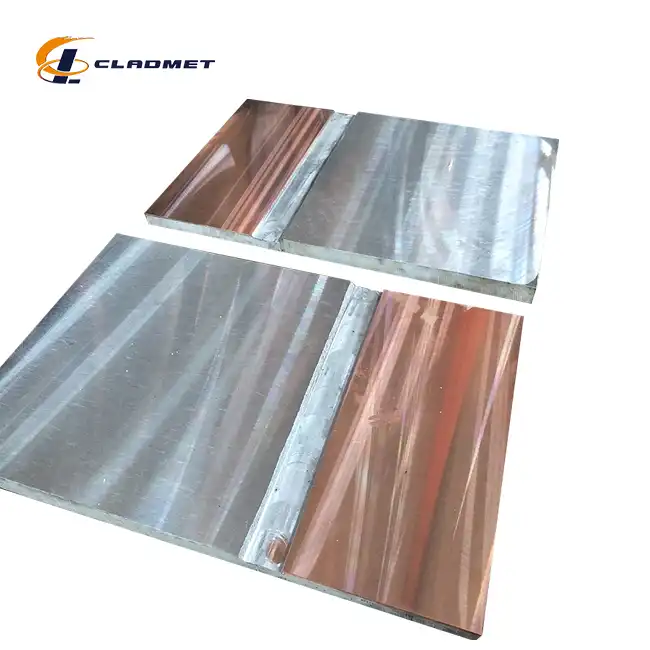
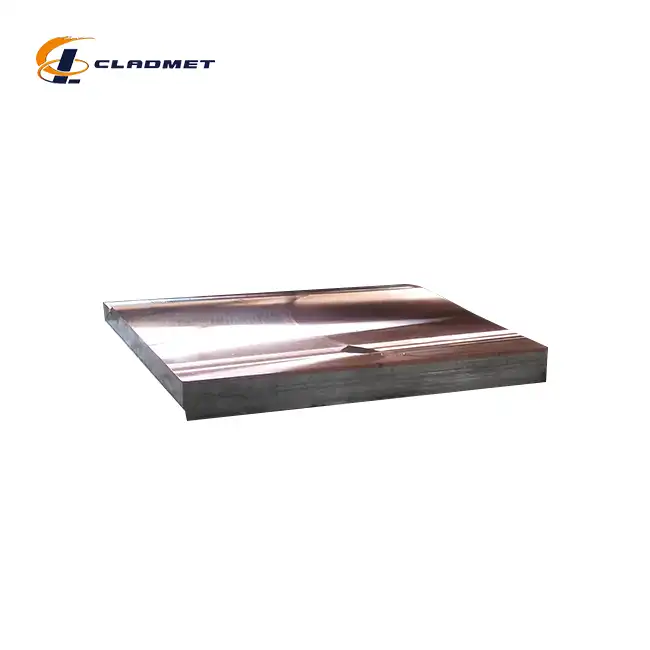
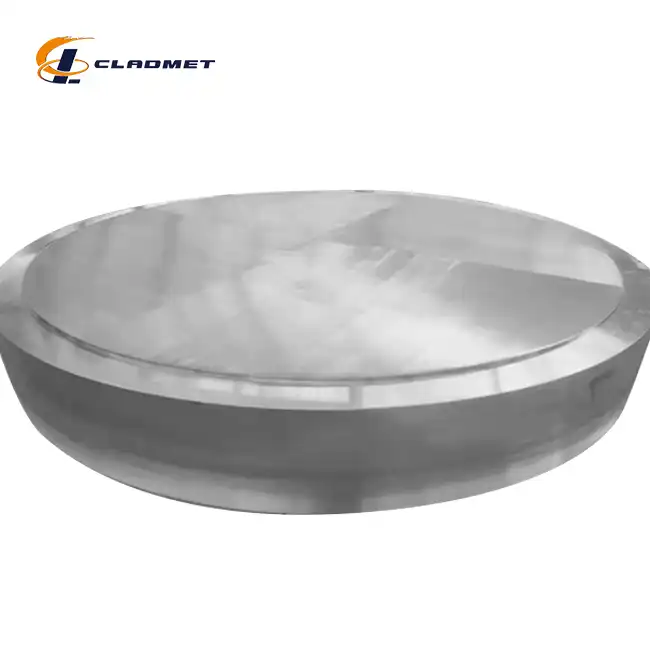
The Gr2 Titanium Clad S30400 Stainless Steel Plate with Pickled Surface represents a revolutionary composite material engineered specifically for chemical plant operations where exceptional corrosion resistance meets structural integrity. This advanced material combines the superior chemical resistance of Grade 2 titanium with the mechanical strength of S30400 stainless steel, creating an optimal solution for harsh industrial environments. The pickled surface treatment ensures enhanced cleanliness and chemical resistance, making it indispensable for demanding chemical processing applications.
Understanding Gr2 Titanium Clad S30400 Stainless Steel Plate
The metallurgical composition of titanium clad stainless steel plates creates a unique synergy between two exceptional materials. Grade 2 titanium forms the protective surface layer, offering outstanding resistance to corrosive chemicals, acids, and oxidizing environments commonly found in chemical plants. The S30400 stainless steel substrate provides structural support and cost-effectiveness while maintaining excellent mechanical properties.
Metallurgical Composition and Bonding Technology
The bonding process between titanium and stainless steel involves explosive welding or roll bonding techniques that create a metallurgical bond at the interface. This bond ensures seamless performance under thermal cycling and mechanical stress. The Grade 2 titanium layer typically ranges from 1-5mm thickness, while the S30400 base provides the required structural thickness for specific applications.
Pickled Surface Treatment Benefits
The pickling process removes mill scale, oxides, and surface contaminants through controlled acid treatment. This surface preparation enhances corrosion resistance by eliminating potential initiation sites for chemical attack. The resulting clean, uniform surface improves adhesion for subsequent coatings and ensures optimal performance in chemical processing environments.
Why Choose Pickled Surface Titanium Clad Steel for Chemical Plants?
Chemical plants demand materials that can withstand aggressive environments while maintaining operational reliability. The combination of titanium cladding with pickled surface treatment addresses these critical requirements through multiple performance advantages.
Superior Chemical Resistance
Titanium's natural oxide layer provides exceptional resistance to chlorides, organic acids, and oxidizing chemicals. The pickled surface enhances this protection by ensuring uniform surface conditions and eliminating potential weak points. This resistance translates to extended equipment life and reduced maintenance costs in chemical processing applications.
Reduced Maintenance Requirements
The robust nature of titanium cladding combined with pickled surface treatment significantly reduces fouling and corrosion-related maintenance. Chemical plants benefit from extended operational periods between shutdowns, improved equipment reliability, and reduced total cost of ownership. The smooth, clean surface resists buildup of chemical deposits that can compromise heat transfer and flow characteristics.
Operational Safety and Contamination Control
The inert nature of titanium prevents metal ion contamination in sensitive chemical processes. This characteristic is particularly valuable in pharmaceutical and food-grade chemical manufacturing where product purity is paramount. The pickled surface further enhances cleanliness standards required in these critical applications.
Comparative Analysis for Informed Procurement Decisions
Selecting appropriate materials for chemical plant applications requires careful evaluation of performance characteristics, cost implications, and long-term reliability. Understanding how titanium clad plates compare to alternative solutions enables informed procurement decisions.
Titanium Clad vs. Pure Titanium Performance
While pure titanium offers excellent corrosion resistance, the cost can be prohibitive for large-scale applications. Titanium clad stainless steel provides equivalent corrosion protection at the surface while utilizing economical stainless steel for structural support. This approach reduces material costs by 40-60% compared to solid titanium construction while maintaining performance requirements.
Advantages Over Conventional Stainless Steel
Standard stainless steel grades, while cost-effective, may suffer from localized corrosion in aggressive chemical environments. The titanium cladding eliminates these vulnerabilities while preserving the mechanical properties and weldability of the stainless steel base. This combination provides superior long-term performance in challenging chemical processing conditions.
Fabrication and Welding Considerations
Titanium clad plates require specialized welding techniques to maintain the integrity of both the titanium surface and stainless steel substrate. Proper welding procedures ensure that the corrosion resistance of the titanium layer extends through weld zones, maintaining uniform protection across fabricated components.
Guide to Procuring Gr2 Titanium Clad S30400 Stainless Steel Plates
Successful procurement of titanium clad materials requires understanding supplier capabilities, quality standards, and delivery logistics. These factors significantly impact project timelines and overall success in chemical plant construction and maintenance projects.
Supplier Qualification and Certification Requirements
Qualified suppliers must demonstrate compliance with international standards including ASTM B898 for titanium clad steel and relevant ASME Boiler and Pressure Vessel Code requirements. ISO 9001 certification ensures consistent quality management systems, while PED and ABS qualifications validate suitability for pressure vessel applications.
Technical Specifications and Testing Protocols
Procurement specifications should include bond strength requirements, typically exceeding 140 MPa for explosive-bonded materials. Ultrasonic testing verifies bond integrity, while corrosion testing confirms the performance of the titanium layer. Chemical composition verification ensures compliance with Grade 2 titanium and S30400 stainless steel specifications.
Lead Times and Logistics Considerations
Titanium clad plates typically require 8-12 weeks for production, depending on thickness and size requirements. International shipping considerations include proper packaging to prevent damage during transit and documentation for customs clearance. Establishing relationships with reliable suppliers ensures consistent availability for ongoing maintenance and expansion projects.
Baoji JL Clad Metals: Your Trusted Partner for Titanium Clad Solutions
At Baoji JL Clad Metals Materials Co., Ltd., we specialize in manufacturing high-quality titanium clad plates that meet the demanding requirements of chemical plant applications. Our expertise in explosive composite technology and self-rolling plate production ensures superior bond quality and consistent material properties.
Advanced Manufacturing Capabilities
Our independent explosive composite technology enables precise control over the bonding process, resulting in superior metallurgical bonds between titanium and stainless steel. The self-rolling capability allows us to produce plates with exact thickness specifications while maintaining uniform bond strength throughout the material. This technological advantage ensures optimal performance in critical chemical processing applications.
Quality Assurance and International Certifications
Every product manufactured by Baoji JL undergoes rigorous quality control processes aligned with ISO9001-2000 certification standards. Our recent achievements include successful PED and ABS international qualifications in 2024, demonstrating our commitment to meeting global industry standards. These certifications validate our capability to supply materials for pressure vessel applications in international markets.
Customization and OEM Services
We understand that chemical plant applications often require specific material configurations. Our OEM services provide customized sizing, thickness variations, and specialized surface treatments to meet unique project requirements. This flexibility ensures that our titanium clad plates integrate seamlessly into existing equipment designs and new construction projects.
Conclusion
Gr2 Titanium Clad S30400 Stainless Steel Plate with Pickled Surface represents an optimal solution for chemical plant applications requiring exceptional corrosion resistance and structural integrity. The combination of Grade 2 titanium's chemical resistance with S30400 stainless steel's mechanical properties creates a cost-effective alternative to solid titanium construction. The pickled surface treatment enhances performance by ensuring clean, uniform surface conditions that resist chemical attack and contamination. Proper supplier selection and adherence to international standards ensure reliable performance in critical chemical processing applications.
Frequently Asked Questions
Q1: How does the bond strength of explosive-welded titanium clad plates compare to other bonding methods?
A: Explosive welding typically achieves bond strengths exceeding 140 MPa, significantly higher than roll-bonded alternatives which typically achieve 70-100 MPa. This superior bond strength ensures reliable performance under thermal cycling and mechanical stress conditions common in chemical plant operations.
Q2: What thickness options are available for the titanium cladding layer?
A: Standard titanium cladding thickness ranges from 1mm to 5mm, with custom thicknesses available based on specific corrosion requirements. Thicker cladding provides extended service life in highly aggressive chemical environments, while thinner options offer cost optimization for moderate corrosion conditions.
Q3: Can titanium clad plates be welded using standard stainless steel procedures?
A: Welding titanium clad plates requires specialized procedures to maintain the integrity of both materials. The stainless steel substrate can be welded using standard austenitic stainless steel procedures, while the titanium surface requires inert gas shielding and specific filler materials to preserve corrosion resistance.
Contact JL for Premium Titanium Clad Solutions
Ready to enhance your chemical plant operations with superior Gr2 Titanium Clad S30400 Stainless Steel Plate with Pickled Surface? JL's expertise in explosive composite technology and international certifications make us the ideal Gr2 Titanium Clad S30400 Stainless Steel Plate with Pickled Surface supplier for your critical applications. Our technical team provides comprehensive support from material selection through fabrication guidance, ensuring optimal performance in your specific chemical processing environment. We offer customized solutions, competitive pricing, and reliable delivery schedules to meet your project requirements. Contact us at sales@cladmet.com to discuss your titanium clad plate requirements and receive a detailed quotation. Visit our website at https://www.jlcladmet.com/ to explore our complete range of clad metal solutions and technical resources.
References
1. American Society for Testing and Materials. "Standard Specification for Titanium and Titanium Alloy Clad Plates." ASTM B898-11, 2018.
2. Findlay, S.J., and Harrison, N.D. "Why Aircraft Fail: Titanium and Its Alloys in Aerospace Applications." Materials Today, Vol. 5, No. 9, 2002.
3. Banker, J.G., and Reinhart, F.M. "Explosive Welding of Titanium to Steel for Chemical Processing Equipment." Welding Journal, Vol. 62, No. 11, 1983.
4. Mousavi, A.A., and Al-Hassani, S.T.S. "Numerical and Experimental Studies of the Mechanism of the Wavy Interface Formations in Explosive Bonding." Journal of the Mechanics and Physics of Solids, Vol. 53, No. 12, 2005.
5. Mahajan, S.K., and Kumar, R. "Performance Evaluation of Titanium Clad Steel in Chemical Process Industries." Materials and Corrosion, Vol. 68, No. 8, 2017.
6. International Association of Classification Societies. "Requirements for Titanium and Titanium Alloy Clad Steel Plates for Pressure Vessels." IACS Recommendation No. 87, 2019.