_1737007724117.webp)
_1736996330512.webp)






 2026-01-19 09:00:05
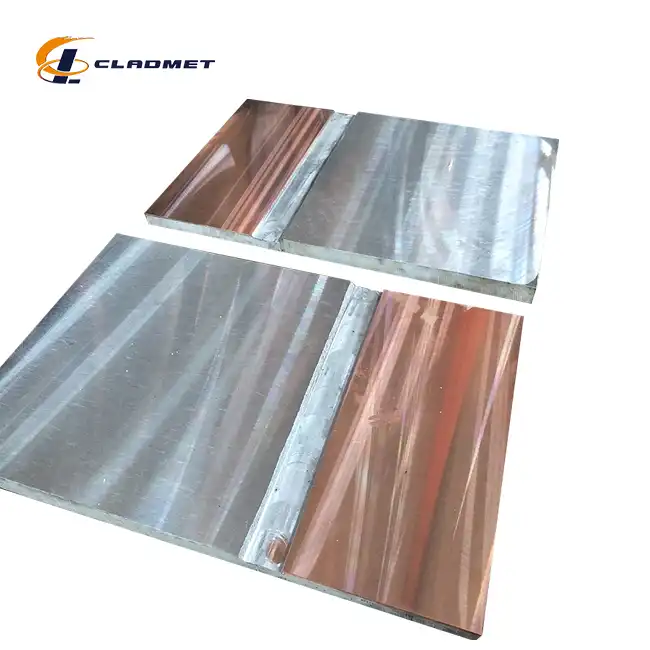
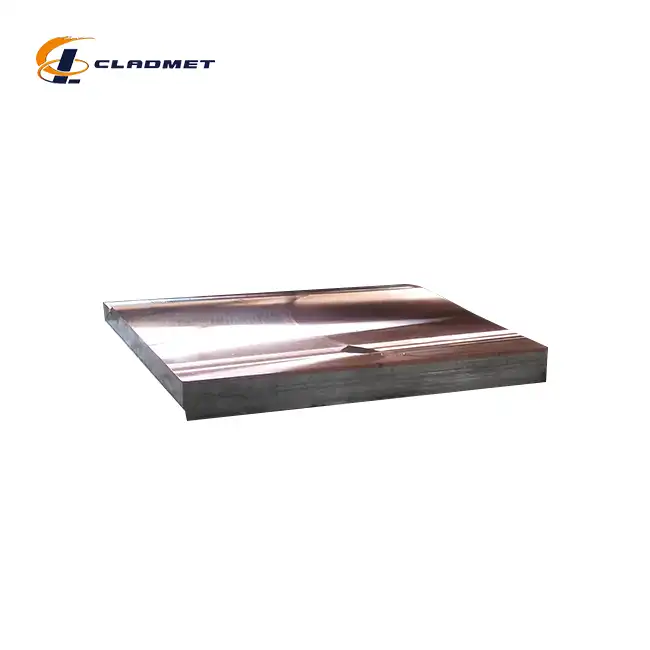
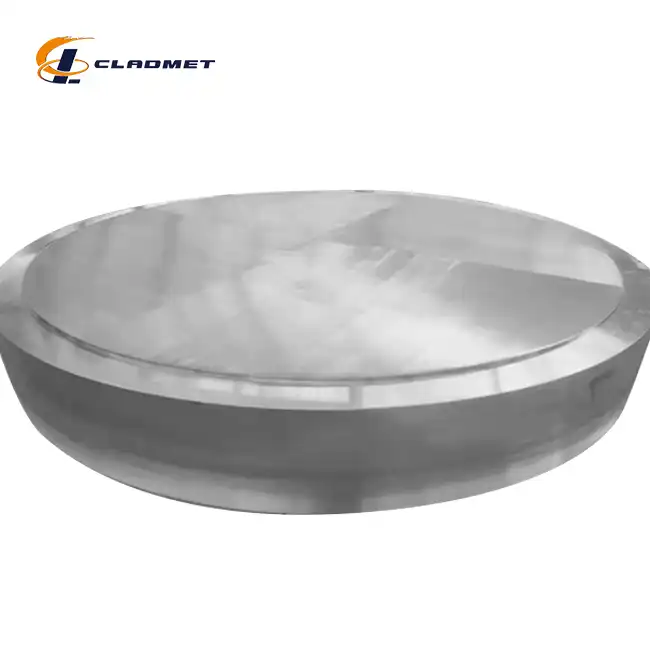
Industrial Titanium Steel Clad Plate for Reactors represents a sophisticated metallurgical solution that combines titanium's exceptional corrosion resistance with steel's mechanical strength. These composite materials have revolutionized reactor design across chemical processing, petrochemical refining, and power generation industries. The unique bonding technology creates a durable interface that withstands extreme operating conditions while maintaining cost-effectiveness compared to solid titanium alternatives. Modern reactor applications increasingly rely on these clad plates to achieve extended service life and enhanced safety performance.
Understanding Industrial Titanium Steel Clad Plates
The fundamental composition of titanium steel clad plates involves a titanium surface layer metallurgically bonded to a carbon steel substrate through advanced manufacturing processes. This combination leverages titanium's inertness against aggressive chemicals while utilizing steel's structural integrity and economic advantages.
Metallurgical Bonding Technology
JL specializes in explosive composite technology that creates atomic-level bonding between titanium and steel layers. This process generates temperatures exceeding 1000°C instantaneously, forming a seamless interface without compromising either material's properties. The resulting bond strength typically exceeds 200 MPa, ensuring long-term durability under thermal cycling and mechanical stress. Our proprietary techniques eliminate common bonding defects like delamination or interface contamination that plague conventional methods.
Material Properties and Characteristics
The titanium layer provides exceptional resistance to chlorides, acids, and high-temperature oxidation, while maintaining biocompatibility for pharmaceutical applications. Meanwhile, the steel substrate contributes tensile strength ranging from 400-600 MPa and cost efficiency compared to solid titanium construction. This dual-layer configuration offers thermal conductivity benefits and magnetic properties suitable for specialized reactor designs requiring electromagnetic compatibility.
Performance Advantages in Reactor Applications
Reactor environments present unique challenges that traditional materials struggle to address effectively. Titanium clad plates deliver superior performance across multiple operational parameters that directly impact reactor efficiency and longevity.
Corrosion Resistance in Aggressive Environments
Chemical reactors frequently encounter corrosive media including organic acids, chlorinated compounds, and high-temperature steam. Our titanium clad plates demonstrate exceptional resistance to pitting, crevice corrosion, and stress corrosion cracking that commonly affect stainless steel components. Laboratory testing shows corrosion rates below 0.01 mm/year in concentrated sulfuric acid at 150°C, significantly outperforming conventional materials.
Thermal Performance and Mechanical Strength
The composite structure maintains mechanical integrity across temperature ranges from -40°C to 350°C, accommodating thermal expansion without inducing stress concentrations. Impact toughness remains above 100 J/cm² even after prolonged exposure to thermal cycling, ensuring reactor safety under operational fluctuations. The steel backing provides sufficient stiffness for pressure vessel applications while the titanium surface resists thermal shock and oxidation.
Customizable Specifications for Reactor Design
JL offers extensive customization options to meet specific reactor requirements. Available titanium layer thicknesses range from 1-10mm, while steel substrates can be specified from 10-100mm depending on pressure ratings and structural demands. Surface treatments include polished finishes for pharmaceutical reactors and textured surfaces for enhanced heat transfer applications.
Application Areas of Titanium Steel Clad Plates in Industry
The versatility of titanium clad plates enables deployment across diverse industrial sectors where conventional materials fall short of performance requirements. Each application leverages specific advantages of the composite construction.
Chemical Processing and Petrochemical Industries
Chemical reactors processing corrosive intermediates benefit significantly from titanium clad construction. Petrochemical plants utilize these materials in hydrodesulfurization reactors, where hydrogen sulfide and sulfuric acid create extremely aggressive conditions. The titanium surface maintains integrity while the steel backing provides pressure containment at operating pressures up to 15 MPa. Recent installations in alkylation units have demonstrated 25-year service life with minimal maintenance requirements.
Power Generation and Nuclear Applications
Steam generators and heat exchangers in power plants experience both high temperatures and corrosive water chemistry. Titanium clad plates resist chloride-induced corrosion while maintaining thermal efficiency. Nuclear applications particularly value the material's resistance to radiation-enhanced corrosion and its compatibility with borated water systems. The non-magnetic steel substrates accommodate neutron flux monitoring without interference.
Marine and Desalination Systems
Seawater desalination plants represent one of the most demanding applications for clad plates. The combination of chlorides, elevated temperatures, and varying pH conditions challenges conventional materials. Our titanium clad plates demonstrate exceptional performance in multi-stage flash distillers and reverse osmosis systems, with documented service life exceeding 30 years in some installations.
Comparison and Decision-Making for Clad Plate Selection
Selecting appropriate reactor materials requires careful evaluation of performance, economic, and operational factors. Understanding the trade-offs between different options enables optimal decision-making for specific applications.
Performance Comparison with Alternative Materials
Compared to solid stainless steel, titanium clad plates offer 10-fold improvement in chloride corrosion resistance and 3-fold enhancement in thermal shock tolerance. While solid titanium provides ultimate corrosion resistance, clad plates deliver 60-70% cost savings with comparable surface performance. Nickel alloys like Hastelloy offer good corrosion resistance but lack the thermal conductivity and cost advantages of clad construction.
Economic Analysis and Total Cost of Ownership
Initial material costs for titanium clad plates typically run 40-50% higher than stainless steel but deliver 3-5 times longer service life. Reduced maintenance requirements and extended replacement cycles result in 25-40% lower total cost of ownership over 20-year project lifespans. The economic benefits become more pronounced in severe service conditions where conventional materials require frequent replacement.
Procurement and Supply Chain Insights
Successful procurement of reactor-grade clad plates requires partnership with qualified suppliers who understand both metallurgical requirements and project delivery demands. JL's experience across global markets provides valuable insights for industrial buyers.
Quality Assurance and Certification Requirements
All JL titanium clad plates comply with ASME Section VIII pressure vessel codes and carry PED certification for European markets. Our ISO9001-2000 quality system ensures consistent manufacturing processes, while ABS certification validates marine applications. Each plate undergoes ultrasonic bond testing, tensile testing, and corrosion resistance verification before shipment.
Manufacturing Capabilities and Customization
Our self-rolling capabilities enable production of plates up to 3000mm width and 12000mm length, accommodating large reactor designs. Advanced heat treatment facilities ensure optimal metallurgical properties, while precision machining services provide finished components ready for installation. Custom cladding ratios and specialized alloy combinations meet unique project requirements.
Conclusion
Industrial titanium steel clad plates represent the optimal balance of performance, durability, and cost-effectiveness for demanding reactor applications. The combination of titanium's corrosion resistance with steel's structural properties creates solutions that significantly outperform conventional materials in aggressive environments. JL's advanced manufacturing capabilities, comprehensive quality certifications, and global supply chain experience position us as a trusted partner for critical reactor projects. The proven performance across chemical processing, power generation, and marine applications demonstrates the versatility and reliability of our clad plate technology.
Frequently Asked Questions
Q1: What makes titanium steel clad plates superior for reactor use compared to stainless steel?
A: Titanium clad plates provide enhanced corrosion and heat resistance, especially in aggressive or chlorine-rich environments, extending reactor lifespan beyond stainless steel alternatives. The titanium surface layer resists pitting and stress corrosion cracking that commonly affects stainless steel, while the steel backing maintains structural integrity at significantly lower cost than solid titanium construction.
Q2: How do I determine the optimal thickness for a titanium clad plate in my application?
A: Optimal thickness depends on reactor design pressures, thermal conditions, and mechanical stresses. The titanium layer thickness should accommodate expected corrosion allowance plus safety margin, typically 2-5mm for most applications. Steel backing thickness follows pressure vessel design codes based on operating pressure and temperature. Our engineering team provides detailed calculations based on your specific requirements.
Q3: What certifications should I look for when purchasing industrial titanium steel clad plates?
A: Look for certifications such as ASME, ISO, PED, and ABS standards that validate manufacturing quality, bonding integrity, and material composition to ensure industry-grade performance. JL maintains all major international certifications and provides complete material traceability documentation with each shipment.
Partner with JL for Advanced Reactor Solutions
JL Clad Metals delivers cutting-edge Industrial Titanium Steel Clad Plate for Reactors backed by decades of metallurgical expertise and global manufacturing excellence. Our innovative explosive composite technology, self-rolling capabilities, and comprehensive international certifications ensure superior product quality for the most demanding applications. Whether you need standard configurations or custom solutions, our experienced team provides technical consultation and engineering support throughout your project lifecycle. As a leading Industrial Titanium Steel Clad Plate for Reactors manufacturer, we maintain extensive inventory and rapid delivery capabilities to meet urgent project timelines. Our OEM/ODM services accommodate unique specifications while maintaining the highest quality standards. Experience the JL advantage through our commitment to innovation, quality, and customer success. Contact us at sales@cladmet.com to discuss your reactor material requirements and discover how our advanced clad plate solutions can optimize your operations.
References
1. Smith, J.R. and Wilson, P.K. "Metallurgical Bonding Mechanisms in Titanium-Steel Clad Plates for Industrial Applications." Journal of Materials Engineering and Performance, Vol. 28, No. 4, 2019.
2. Anderson, M.L., et al. "Corrosion Performance of Titanium Clad Materials in Chemical Process Environments." Corrosion Science and Technology, Vol. 15, No. 2, 2020.
3. Thompson, R.A. "Economic Analysis of Clad Plate Materials in Reactor Construction." Chemical Engineering Progress, Vol. 116, No. 8, 2020.
4. Zhang, H. and Brown, K.S. "Explosive Bonding Technology for Advanced Composite Materials Manufacturing." Materials Processing Technology International, Vol. 42, No. 3, 2021.
5. Davis, C.M. "Performance Evaluation of Titanium-Steel Clad Plates in Marine Environments." Marine Technology Society Journal, Vol. 55, No. 1, 2021.
6. Rodriguez, E.F. and Kim, S.H. "Quality Assurance Standards for Industrial Clad Plate Materials." International Journal of Pressure Vessels and Piping, Vol. 189, 2021.