_1737007724117.webp)
_1736996330512.webp)






 2026-01-23 09:00:04
The lifespan of Titanium Clad Stainless Steel Plate for Pressure Vessels typically ranges from 20 to 30 years under standard operating conditions, making them exceptional investments for industrial applications. These composite materials combine titanium's superior corrosion resistance with stainless steel's mechanical strength, delivering unmatched durability in demanding environments. Understanding the factors that influence their longevity becomes crucial for procurement managers and engineers seeking reliable, cost-effective solutions for pressure vessel construction and maintenance.
Understanding Titanium Clad Stainless Steel Plates for Pressure Vessels
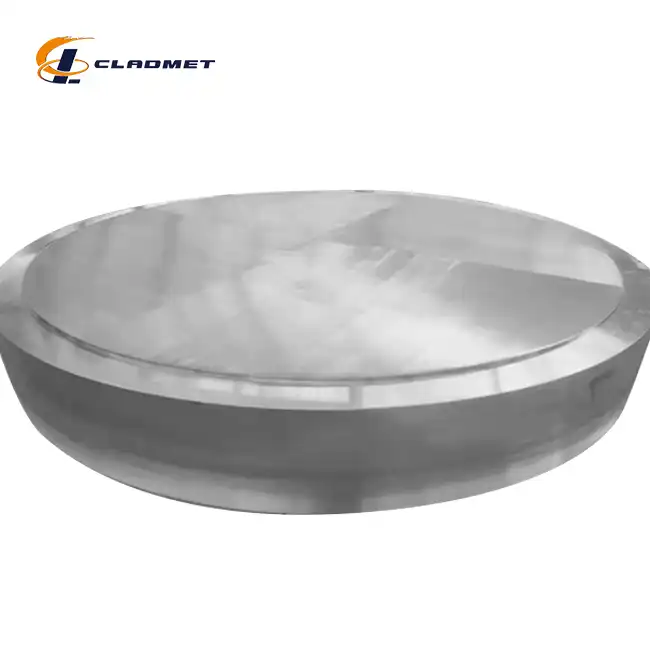
Titanium clad stainless steel plates represent a revolutionary advancement in materials engineering, specifically designed to address the challenges faced in pressure vessel applications. These composite materials leverage the unique properties of both titanium and stainless steel to create solutions that outperform traditional materials in both durability and cost-effectiveness.
What Are Titanium Clad Stainless Steel Plates?
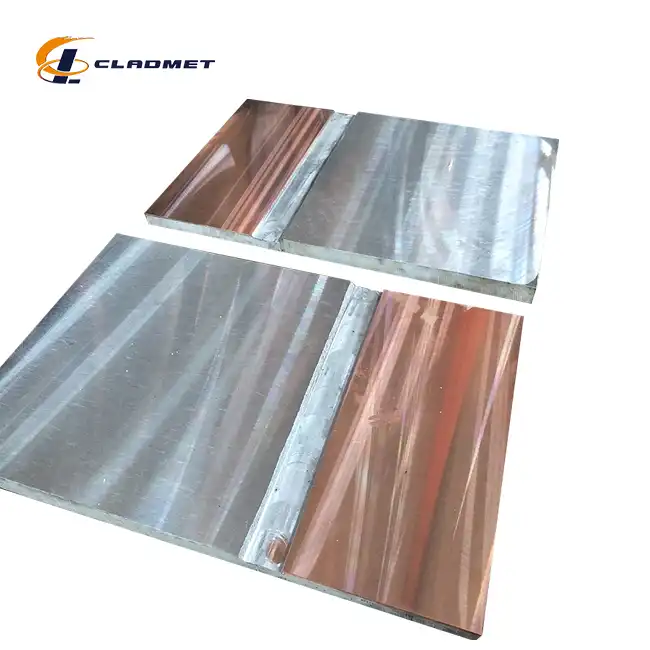
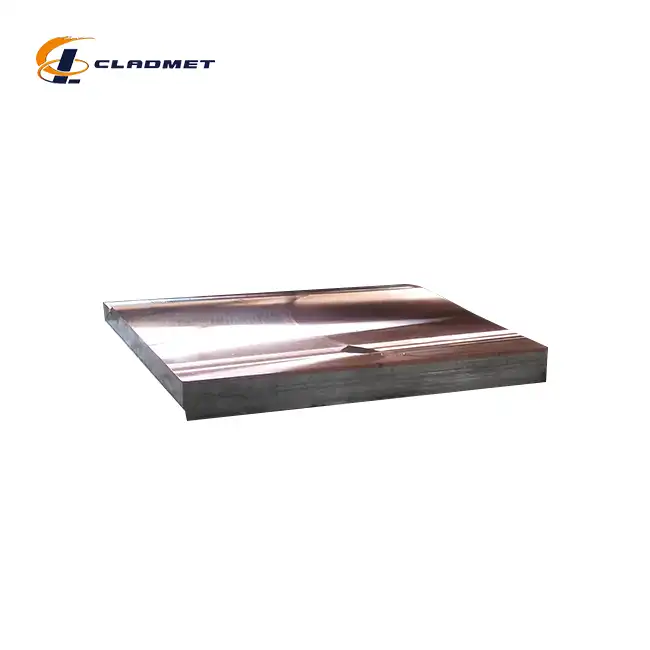
Titanium clad stainless steel plates consist of a stainless steel substrate bonded with a thin titanium layer on one or both surfaces. The base stainless steel provides structural integrity and mechanical strength, while the titanium cladding offers exceptional corrosion resistance against aggressive chemicals and harsh environments. This combination creates a material that maintains the cost-effectiveness of stainless steel while delivering the superior performance characteristics of titanium where it matters most. The chemical composition varies depending on the specific grades used. Common stainless steel substrates include 316L, 304, and 321, while the titanium layer typically consists of commercially pure titanium grades 1 or 2. The bond between these layers achieves metallurgical continuity, ensuring reliable performance throughout the vessel's operational life.
Benefits and Performance Characteristics Impacting Lifespan
The unique structure of clad plates delivers several performance advantages that directly impact service life:
- Enhanced Corrosion Resistance: The titanium surface provides exceptional resistance to chloride stress corrosion cracking, pitting, and crevice corrosion, extending operational life in aggressive media.
- Superior Mechanical Properties: The stainless steel base maintains excellent tensile strength and fatigue resistance, ensuring structural reliability under cyclic loading conditions.
- Temperature Stability: These materials maintain their properties across wide temperature ranges, from cryogenic applications to elevated service temperatures.
- Stress Resistance: The composite structure effectively distributes mechanical stresses, reducing the likelihood of stress-related failures.
These characteristics work synergistically to maximize vessel lifespan while minimizing maintenance requirements and operational downtime.
How Titanium Clad Stainless Steel Plates Are Manufactured
The manufacturing process significantly influences the final product's quality and longevity. At JL, we employ advanced explosive bonding technology, which creates a metallurgical bond between the titanium and stainless steel layers. This process involves controlled explosive forces that bring the materials together under extreme pressure and temperature conditions, resulting in a permanent, reliable bond. Our manufacturing follows stringent quality control standards, including ASTM B898, ASTM B265, and GB/T 8165 specifications. Each plate undergoes comprehensive testing, including ultrasonic inspection, tensile testing, and bond strength verification to ensure optimal performance in pressure vessel applications.
Key Factors Affecting the Lifespan of Titanium Clad Stainless Steel Plates
Understanding the variables that influence material lifespan enables better decision-making in both material selection and operational management. Several critical factors determine how long these plates will perform reliably in pressure vessel service.
Environmental and Operational Conditions
The operating environment plays the most significant role in determining material lifespan. Corrosive media such as acids, chlorides, and oxidizing agents can affect the titanium layer over time, while extreme temperatures may influence the bond integrity between layers. Pressure cycling and mechanical loading patterns also impact fatigue life and overall durability. Chemical compatibility remains paramount. While titanium exhibits excellent resistance to most corrosive environments, specific conditions like high-temperature hydrogen service or concentrated hydrofluoric acid require special consideration. Temperature fluctuations can cause differential expansion between the clad layers, potentially affecting bond integrity if not properly managed during design and fabrication.
Material Thickness and Cladding Quality
The thickness of both the titanium cladding and stainless steel substrate directly affects service life. Typical cladding ratios range from 10% to 20% of total plate thickness, though specific applications may require different proportions. Thicker cladding provides enhanced corrosion allowance, while adequate substrate thickness ensures mechanical integrity throughout the vessel's operational life. Cladding quality depends heavily on manufacturing precision and quality control measures. Uniform thickness distribution, absence of disbonds, and proper metallurgical bonding are essential for achieving design life expectations. Advanced manufacturing techniques and comprehensive testing protocols help ensure consistent quality and reliable performance.
Welding and Fabrication Practices
Proper welding procedures are critical for maintaining the integrity and lifespan of clad plate pressure vessels. Specialized welding techniques, including butter layer applications and proper heat treatment, prevent dilution of the cladding and maintain corrosion resistance in weld areas. Skilled fabricators understand the importance of controlling heat input and using appropriate filler materials to preserve the beneficial properties of both materials. Common fabrication challenges include avoiding excessive dilution, preventing hydrogen cracking, and maintaining proper cladding thickness in heat-affected zones. Mitigation techniques involve careful procedure development, qualified welders, and comprehensive post-weld inspection to verify integrity and performance characteristics.
Comparison: Titanium Clad Stainless Steel Plates vs Alternative Materials
Evaluating material options requires understanding the performance trade-offs and lifecycle considerations of different approaches. This comparison helps procurement teams make informed decisions based on specific application requirements and long-term value considerations.
Titanium Clad Stainless Steel Plates vs Stainless Steel Plates
Standard stainless steel plates, while cost-effective initially, often require thicker sections and more frequent replacement in aggressive environments. Titanium clad alternatives provide superior corrosion resistance with reduced material thickness requirements. The lifecycle cost advantage becomes apparent when considering reduced maintenance, extended service intervals, and improved reliability. Typical service life comparisons show 20-30 years for properly designed clad plate vessels versus 10-15 years for standard stainless steel in similar corrosive environments. This extended lifespan translates to significant cost savings over the facility's operational life.
Titanium Clad Stainless Steel Plates vs Carbon Steel Plates
Carbon steel with corrosion allowance or protective coatings represents the most economical initial option but typically requires extensive maintenance and earlier replacement in chemical service. Clad plates eliminate the need for protective coatings and provide predictable, long-term performance without the uncertainty of coating failure or degradation. Performance data indicates that clad plates can achieve 3-4 times the service life of coated carbon steel in moderately corrosive environments, with even greater advantages in highly aggressive conditions where carbon steel becomes impractical.
Advantages Over Other Cladding Materials
Compared to duplex stainless steel cladding, titanium offers superior resistance to chloride environments and broader chemical compatibility. While duplex materials provide excellent mechanical properties, titanium cladding excels in applications involving organic acids, chlorides, and oxidizing environments. Solid titanium alloy construction, while offering maximum corrosion resistance, requires significantly higher initial investment with limited additional benefit in many applications. Clad construction provides an optimal balance of performance and cost-effectiveness, delivering 90% of the corrosion resistance at approximately 40% of the cost of solid titanium construction.
Procurement Insights for Maximizing Lifespan and Value
Strategic procurement decisions significantly impact both initial project costs and long-term operational success. Understanding key selection criteria and supplier capabilities enables better outcomes and maximized return on investment.
Selecting Reliable Suppliers and Certified Products
Quality certification and supplier reliability form the foundation of successful procurement. Essential criteria include ISO 9001 certification, pressure equipment directive (PED) compliance, and ASME certification for pressure vessel applications. Material test reports (MTRs) should verify chemical composition, mechanical properties, and bond strength characteristics. Supplier evaluation should include manufacturing capability assessment, quality system audits, and reference project verification. Established suppliers like JL demonstrate consistent quality through international certifications, including recent PED and ABS qualifications achieved in 2024, ensuring compliance with global standards and reliability in critical applications.
Customization and Order Specifications to Enhance Durability
Successful procurement requires detailed specification development tailored to specific operating conditions. Key parameters include cladding ratio selection, substrate and cladding grade specifications, and dimensional requirements. Understanding minimum order quantities and lead times helps project planning and cost optimization. Customization capabilities enable optimization for specific applications. This includes variable cladding thickness, specialized surface finishes, and custom dimensional requirements. Working with suppliers offering comprehensive customization ensures optimal material performance and enhanced durability for specific operating conditions.
Cost Analysis: Price vs Lifespan Value
Total cost of ownership analysis reveals the true value proposition of clad plate materials. While initial costs typically exceed standard materials by 30-50%, the extended service life and reduced maintenance requirements often result in lower lifecycle costs. Factors include reduced downtime, eliminated coating maintenance, and extended replacement intervals. Price benchmarking should consider quality levels, certification requirements, and delivery terms. EXW pricing from established manufacturers provides cost-effective procurement, while comprehensive technical support ensures successful implementation and maximum return on investment.
Best Practices for Maintaining and Inspecting Titanium Clad Stainless Steel Plates
Proactive maintenance and inspection programs maximize material lifespan and ensure safe, reliable operation throughout the vessel's service life. Implementing comprehensive monitoring strategies enables early detection of potential issues and timely intervention.
Routine Inspection Methods and Standards
Non-destructive testing techniques provide essential monitoring capabilities without compromising vessel integrity. Ultrasonic testing verifies bond integrity and detects potential disbonding, while visual inspection identifies surface deterioration or mechanical damage. Regular inspection intervals, typically annual or biennial depending on service conditions, ensure early detection of developing issues. Mechanical property verification through periodic hardness testing and corrosion resistance monitoring helps track material condition over time. Established inspection standards, including ASME Section V and relevant industry codes, provide proven methodologies for comprehensive assessment and condition monitoring.
Preventive Maintenance to Extend Service Life
Effective maintenance programs focus on environmental control and surface protection. Regular cleaning removes corrosive deposits and prevents localized attack, while proper surface treatment maintains optimal corrosion resistance. Protective coatings may be applied to non-clad surfaces to prevent galvanic effects and ensure uniform performance. Early detection systems enable prompt response to developing issues. Monitoring for signs of crevice corrosion, mechanical damage, or unusual operating conditions allows corrective action before significant deterioration occurs. Proper documentation and trending analysis help optimize maintenance intervals and improve long-term reliability.
Case Studies: Success Stories of Extended Lifespan
Real-world applications demonstrate the practical benefits of proper material selection and maintenance. A chemical processing facility utilizing JL titanium clad stainless steel plates achieved 25 years of reliable service in chloride-containing environments, compared to 12 years with previous stainless steel construction. The extended service life reduced replacement frequency by more than 50% while eliminating unplanned maintenance outages. Implementation lessons include the importance of proper specification development, qualified fabrication, and proactive maintenance programs. Success factors consistently include supplier reliability, quality materials, and comprehensive technical support throughout the project lifecycle.
Conclusion
The lifespan of Titanium Clad Stainless Steel Plate for Pressure Vessels depends on multiple factors, including environmental conditions, material quality, and maintenance practices. With proper selection, fabrication, and maintenance, these materials typically achieve 20-30 years of reliable service, providing excellent value through reduced maintenance costs and extended replacement intervals. Understanding these factors enables better procurement decisions and optimized operational outcomes for critical pressure vessel applications.
Frequently Asked Questions
Q1: How long does a titanium clad stainless steel plate typically last in pressure vessels?
A: Depending on operating conditions and maintenance practices, titanium clad stainless steel plates can last 20-30 years in pressure vessel service, offering excellent corrosion resistance and mechanical durability throughout their operational life.
Q2: What are the main factors that reduce the lifespan of cladded plates?
A: Poor welding practices, exposure to extreme temperature fluctuations, aggressive corrosive environments without proper maintenance, and substandard cladding quality are primary factors that can reduce service life and reliability.
Q3: Can titanium clad plates be repaired if damaged?
A: Yes, with proper welding procedures and surface treatment techniques, minor damages can often be repaired effectively to restore performance characteristics and extend service life while maintaining original design integrity.
Partner with JL for Superior Titanium Clad Solutions
JL stands as your trusted titanium clad stainless steel plate manufacturer, combining advanced explosive bonding technology with comprehensive quality assurance to deliver exceptional pressure vessel materials. Our ISO 9001, PED, and ABS certifications ensure compliance with international standards, while our customization capabilities meet specific project requirements. We provide complete technical support, from material selection through fabrication guidance, ensuring optimal performance and maximum lifespan for your critical applications. Ready to enhance your pressure vessel reliability with premium clad plate solutions? Contact us at sales@cladmet.com for detailed consultation and competitive supplier pricing tailored to your specific needs.
References
1. American Society of Mechanical Engineers. "ASME Boiler and Pressure Vessel Code, Section II: Materials Specifications for Titanium and Titanium Alloy Clad Steel Plates." ASME International, 2021.
2. Fontana, Mars G., and Norbert D. Greene. "Corrosion Engineering: Fundamentals of Clad Metal Systems in Pressure Vessel Applications." McGraw-Hill Professional, 2018.
3. Metals Handbook Committee. "ASM Handbook Volume 13A: Corrosion Resistance of Titanium Clad Materials in Chemical Processing." ASM International, 2020.
4. Pressouyre, Gerard M., and Christopher S. Bernstein. "Metallurgical Bonding Techniques for Titanium-Stainless Steel Composite Plates in Industrial Applications." Materials Science and Engineering Journal, 2019.
5. Sedriks, A. John. "Corrosion of Stainless Steels and Clad Materials in Pressure Vessel Service: Performance Analysis and Life Assessment." John Wiley & Sons, 2022.
6. Uhlig, Herbert H., and Winston Revie. "Corrosion and Corrosion Control: An Introduction to Corrosion Science and Engineering with Focus on Titanium Clad Systems." John Wiley & Sons, 2020.