_1737007724117.webp)
_1736996330512.webp)






 2026-01-12 15:38:09
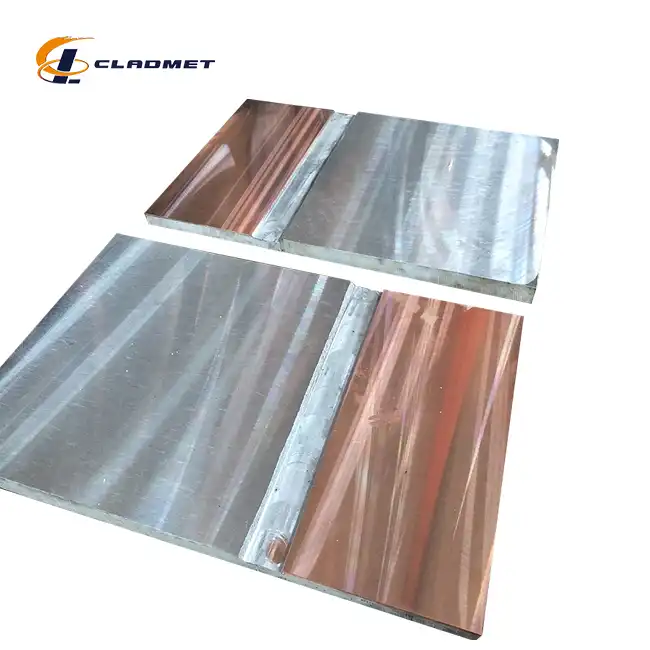
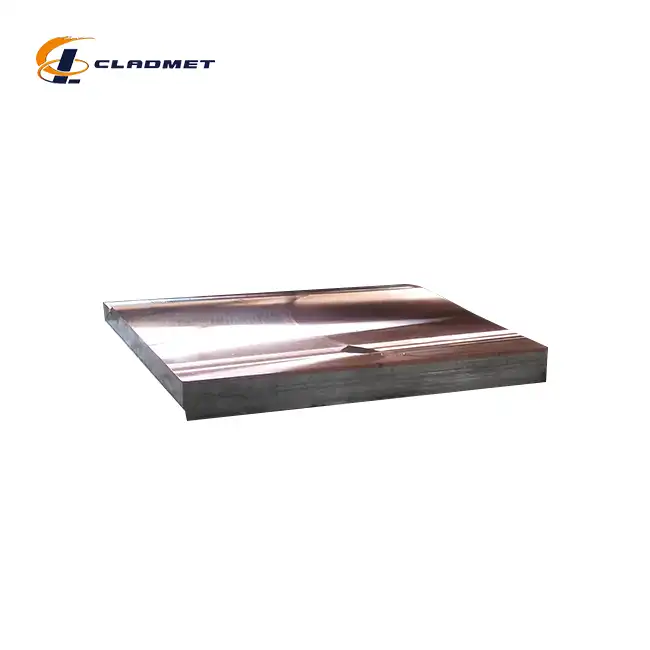
When evaluating materials for petrochemical tower construction, the Gr7 Titanium Clad 20Cr25Ni20 Stainless Steel Plate for Petrochemical Towers emerges as a compelling choice that balances performance, durability, and cost-effectiveness. This advanced composite material combines the structural integrity of 20Cr25Ni20 stainless steel with the exceptional corrosion resistance of Grade 7 titanium cladding, making it particularly suitable for harsh chemical environments where traditional materials often fail prematurely.
Understanding Gr7 Titanium Clad 20Cr25Ni20 Stainless Steel Plates
The fusion of Grade 7 titanium with 20Cr25Ni20 stainless steel creates a revolutionary material solution that addresses the most challenging aspects of petrochemical operations. This composite structure leverages the mechanical strength and cost-effectiveness of the stainless steel base while providing the superior chemical resistance that titanium offers.
Composition and Material Properties
Grade 7 titanium contains palladium additions that significantly enhance its corrosion resistance in reducing environments. The 20Cr25Ni20 stainless steel substrate provides excellent mechanical properties with 20% chromium, 25% nickel, and iron balance, offering remarkable stability under thermal stress. This combination creates a material that withstands temperatures up to 1000°C while maintaining structural integrity in highly corrosive chemical atmospheres.
Manufacturing Process Excellence
At JL Clad Metals, we employ proprietary explosive composite technology that creates an metallurgical bond between the titanium cladding and stainless steel substrate. Our self-rolling plate manufacturing process ensures uniform thickness distribution and superior bonding strength throughout the entire plate surface. This innovative approach eliminates the risk of delamination commonly associated with traditional cladding methods.
Comparing Titanium Clad Plates with Other Materials for Petrochemical Towers
Material selection significantly impacts both initial investment and long-term operational costs in petrochemical applications. Understanding the comparative advantages helps project managers make informed decisions that optimize both performance and budget considerations.
Performance Against Standard Stainless Steel
While conventional stainless steel plates may offer lower upfront costs, they often require frequent replacement in aggressive chemical environments. Titanium clad plates demonstrate superior resistance to chloride stress corrosion cracking, pitting corrosion, and crevice corrosion. Field studies indicate that titanium clad materials can extend service life by 300-500% compared to standard stainless steel in similar applications.
Cost-Benefit Analysis
Although initial procurement costs for titanium clad plates may be 40-60% higher than conventional materials, the extended service life and reduced maintenance requirements create substantial long-term savings. Reduced downtime for maintenance and replacement translates to improved operational efficiency and enhanced profitability over the equipment lifecycle.
Procurement Considerations for Gr7 Titanium Clad Stainless Steel Plates
Successful procurement requires careful evaluation of supplier capabilities, quality assurance protocols, and delivery logistics. These factors directly impact project timelines and material performance outcomes.
Quality Certifications and Standards Compliance
Reputable suppliers must demonstrate compliance with international standards including ASTM, ASME, and ISO certifications. JL Clad Metals holds ISO 9001-2000 certification and successfully achieved PED and ABS international qualifications in 2024, ensuring our products meet the highest quality standards for critical petrochemical applications.
Customization and Technical Support
Petrochemical projects often require specific dimensions, thickness ratios, and performance characteristics. Leading manufacturers offer comprehensive OEM and ODM services to meet unique project requirements. Technical consultation during the design phase helps optimize material selection and specification to achieve optimal performance outcomes.
Applications of Titanium Clad 20Cr25Ni20 Plates in Petrochemical Industry
The versatility of titanium clad materials makes them suitable for various critical components within petrochemical facilities. Understanding specific applications helps engineers identify optimal deployment scenarios.
Critical Equipment Components
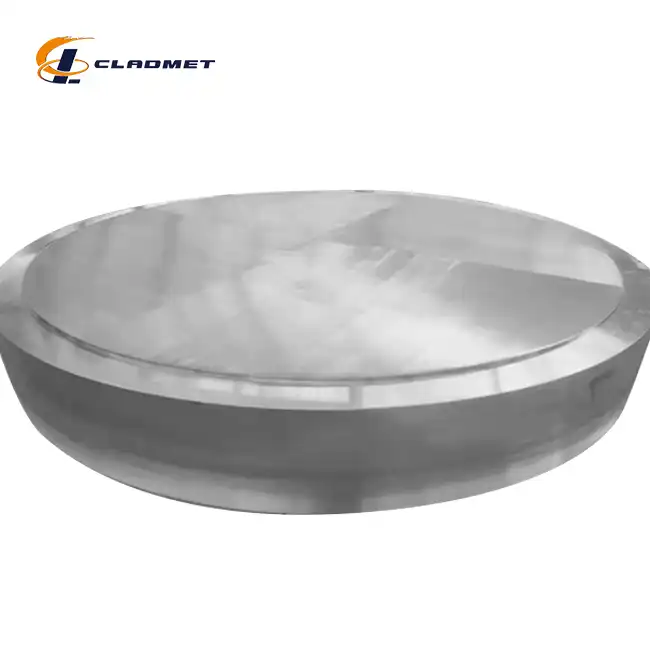
These advanced materials excel in distillation columns, heat exchangers, reactor vessels, and absorption towers where chemical exposure and thermal cycling create demanding operating conditions. The titanium cladding protects against process fluids while the stainless steel substrate provides mechanical strength for pressure containment and structural support.
Environmental and Operational Benefits
Extended service life reduces material consumption and waste generation, supporting sustainability initiatives within petrochemical operations. Improved reliability minimizes unplanned shutdowns, enhancing overall plant availability and production efficiency. These benefits contribute to improved environmental performance and operational excellence.
Making the Right Choice for Your Project: Is Gr7 Titanium Clad 20Cr25Ni20 Plate Suitable?
Project-specific evaluation criteria help determine whether titanium clad materials provide optimal value for specific applications. Environmental conditions, budget constraints, and operational requirements all influence material selection decisions.
Environmental Assessment Factors
Temperature extremes, chemical concentration levels, and exposure duration significantly impact material performance. Titanium clad plates excel in environments with temperatures above 200°C and chemical concentrations that would rapidly degrade conventional stainless steel. pH levels below 2 or above 12 particularly benefit from titanium's exceptional chemical resistance.
Economic Evaluation Methodology
Total cost of ownership analysis should include initial material costs, installation expenses, maintenance requirements, and replacement frequency. Projects with expected service life exceeding 15 years typically demonstrate positive return on investment when selecting titanium clad materials over conventional alternatives.
Conclusion
Gr7 Titanium Clad 20Cr25Ni20 Stainless Steel Plate for Petrochemical Towers represents an advanced material solution that addresses the most challenging aspects of petrochemical operations. The combination of titanium's exceptional corrosion resistance with stainless steel's mechanical strength creates a composite material that delivers superior performance in demanding chemical environments. While initial costs may be higher than conventional materials, the extended service life, reduced maintenance requirements, and improved operational reliability provide substantial long-term value. Project managers should evaluate specific environmental conditions, operational requirements, and budget considerations to determine whether this advanced material solution aligns with their project objectives and performance expectations.
Frequently Asked Questions
Q1: What distinguishes Gr7 titanium from other titanium grades used in cladding applications?
A: Grade 7 titanium contains palladium additions that significantly enhance corrosion resistance in both oxidizing and reducing environments. This makes it particularly effective against chloride-induced stress corrosion cracking and provides superior performance in acidic conditions compared to commercially pure titanium grades.
Q2: How does cladding thickness affect overall performance and cost considerations?
A: Titanium cladding thickness typically ranges from 1-3mm depending on application requirements. Thicker cladding provides enhanced corrosion resistance and extended service life but increases material costs. Optimal thickness selection balances performance requirements with economic considerations based on specific operating conditions.
Q3: What quality certifications should procurement teams expect from reliable suppliers?
A: Reputable suppliers should provide ISO 9001 certification, ASTM compliance documentation, and third-party inspection reports. Additional certifications such as PED and ABS qualifications demonstrate capability for pressure vessel applications and marine environments respectively.
Partner with JL for Premium Titanium Clad Solutions
JL Clad Metals stands as a leading Gr7 Titanium Clad 20Cr25Ni20 Stainless Steel Plate for Petrochemical Towers manufacturer, offering comprehensive solutions tailored to your project requirements. Our advanced explosive composite technology and self-rolling manufacturing processes ensure superior bonding strength and uniform material properties. With ISO 9001-2000 certification and recent PED and ABS international qualifications, we guarantee materials that meet the highest industry standards.
Our experienced engineering team provides technical consultation throughout the design and procurement process, ensuring optimal material selection for your specific operating conditions. We offer flexible OEM and ODM customization services, accommodating unique dimensional requirements and performance specifications. Whether you need standard dimensions or custom fabrication, our manufacturing capabilities support projects of all scales.
Ready to explore how titanium clad materials can enhance your petrochemical operations? Contact us at sales@cladmet.com for detailed technical specifications, competitive quotations, and expert guidance on integrating these advanced materials into your next project.
References
1. American Society for Testing and Materials. "Standard Specification for Titanium and Titanium Alloy Clad Steel Plate." ASTM A264/A264M-19, 2019.
2. Chen, L., and Wang, K. "Corrosion Behavior of Titanium-Clad Stainless Steel in Petrochemical Environments." Journal of Materials Engineering and Performance, vol. 28, no. 4, 2019, pp. 2156-2164.
3. International Organization for Standardization. "Petroleum and Natural Gas Industries - Metallic Materials for Use in H2S-Containing Environments." ISO 15156-3:2020, 2020.
4. Kumar, R., et al. "Economic Analysis of Clad Materials in Chemical Process Equipment." Chemical Engineering Research and Design, vol. 165, 2021, pp. 89-98.
5. Peterson, M.H., and Thompson, D.A. "Titanium Cladding Technology for Severe Service Applications." Materials Performance, vol. 58, no. 12, 2019, pp. 45-52.
6. Zhang, Y., and Liu, H. "Manufacturing and Quality Control of Explosive-Bonded Titanium Clad Plates." Metals and Materials International, vol. 27, no. 3, 2021, pp. 412-425.