_1737007724117.webp)
_1736996330512.webp)






 2026-01-12 15:38:09
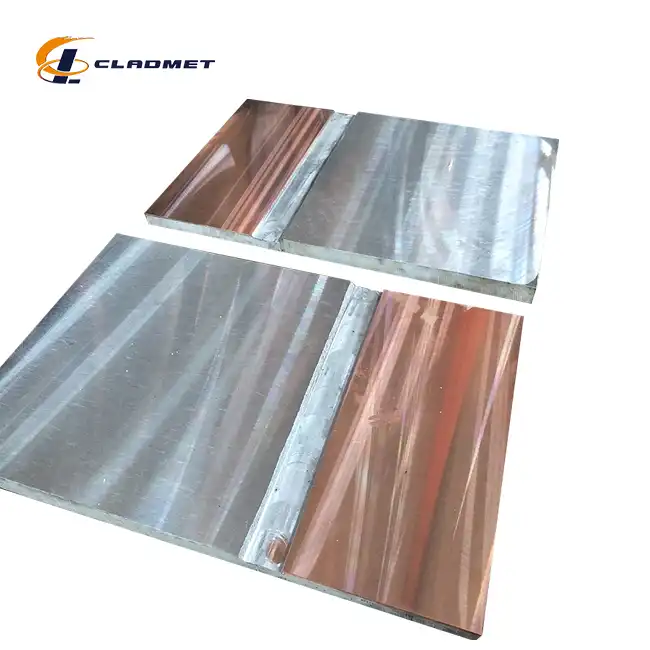
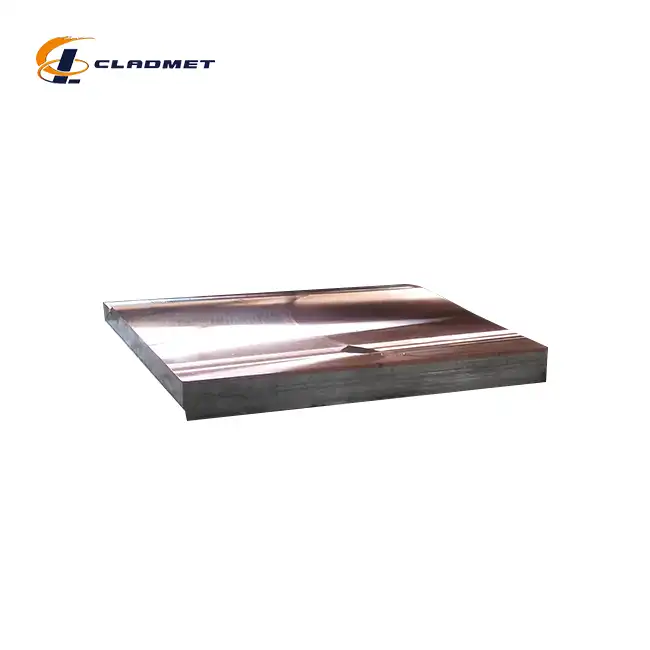
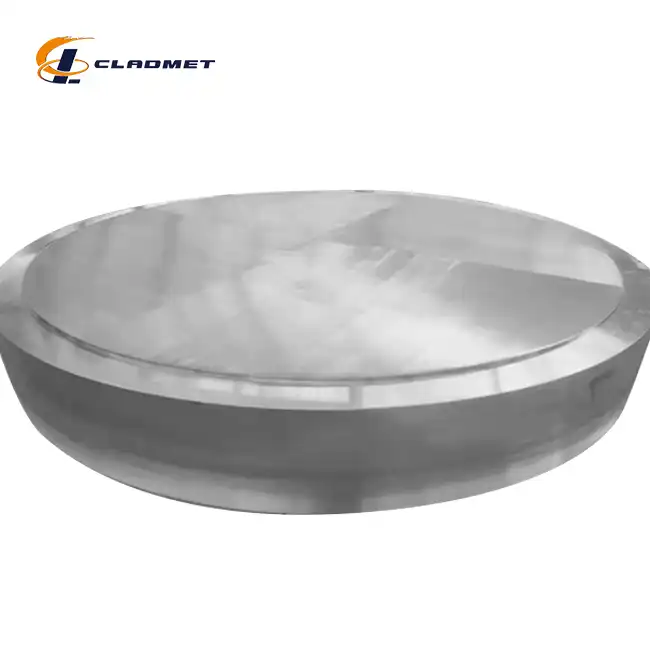
Manufacturing high-quality industrial titanium steel clad plates for reactors requires mastering precision bonding techniques, stringent quality control measures, and comprehensive understanding of material properties. These composite materials combine titanium's exceptional corrosion resistance with steel's structural integrity, creating optimal solutions for demanding chemical processing environments. Successful production involves explosion bonding or roll bonding technologies that ensure metallurgical unity between layers while maintaining consistent thickness specifications across reactor-grade applications.
Understanding Industrial Titanium Steel Clad Plates for Reactors
Industrial titanium steel clad plates combine the superior corrosion resistance of titanium with the structural strength of steel, making them indispensable for reactors operating in harsh chemical environments. These plates offer excellent resistance to aggressive media, high mechanical durability, and thermal stability, essential for maintaining reactor integrity and lifespan.
Key Properties and Performance Characteristics
The unique combination of materials in clad plates delivers exceptional performance across multiple parameters. The titanium layer provides outstanding resistance to chloride stress corrosion cracking, while the steel backing ensures structural stability under pressure cycling conditions. Temperature resistance capabilities extend from cryogenic applications to elevated processing temperatures, making these materials versatile across reactor designs.
Industrial Applications Across Sectors
Chemical, petrochemical, and pharmaceutical industries rely heavily on these specialized plates for pressure vessels, mixing reactors, and heat exchangers. Their application extends to nuclear power generation, where radiation resistance and long-term stability become crucial factors. Understanding their unique properties and industrial applications helps procurement specialists and engineers make informed material decisions tailored to specific reactor conditions and operational requirements.
Manufacturing Process and Quality Considerations
The manufacturing of titanium steel clad plates involves precision cladding technologies such as explosion bonding and roll bonding to ensure a strong metallurgical bond between titanium and steel layers. Critical parameters include strict control over thickness uniformity and bonding strength, which directly affect performance under operational stress.
Advanced Bonding Technologies
Explosion bonding technology creates metallurgical bonds through controlled detonation processes that force metal layers together at high velocity. This technique produces exceptional bond strength while maintaining material integrity across the interface. Roll bonding alternative involves hot rolling processes that gradually combine layers under controlled temperature and pressure conditions, suitable for specific thickness requirements and dimensional tolerances.
Quality Assurance and Testing Protocols
Comprehensive quality assurance encompasses corrosion resistance tests, mechanical property evaluations, and adherence to industry certification standards like ASTM and ISO. Ultrasonic testing verifies bond integrity, while tensile strength measurements ensure structural reliability under operational loads. This rigorous process ensures the final product meets the stringent demands of reactor environments, providing reliability and longevity throughout service life.
Manufacturing Standards and Certifications
Production facilities must comply with international standards including ASME Section VIII, PED directives, and ABS requirements for pressure vessel applications. These certifications guarantee material traceability, manufacturing process validation, and quality system compliance essential for reactor safety applications.
Comparing Titanium Steel Clad Plates with Alternative Materials
When selecting clad materials for reactors, titanium steel clad plates offer notable advantages over stainless steel, Monel, and duplex steel alternatives. Material selection impacts both initial investment and long-term operational costs across reactor applications.
Performance Comparison Analysis
Titanium layers provide enhanced corrosion resistance especially in acidic and chlorinated media, whereas stainless steel may offer lower upfront costs but reduced durability under aggressive conditions. Monel and duplex steel have niche strengths but often incur higher lifecycle costs or have limitations under extreme temperature cycling. Cost-benefit analysis reveals that titanium clad plates often provide superior return on investment through extended service life and reduced maintenance requirements.
Material Selection Guidelines
This analysis guides engineers in selecting the optimal grade based on chemical exposure, mechanical stress, and cost-efficiency considerations. Strategic material choices balance performance requirements with procurement budgets while ensuring operational reliability in demanding reactor applications throughout extended service periods.
Procurement Guide: Sourcing Industrial Titanium Steel Clad Plates
Sourcing high-quality titanium steel clad plates requires selecting suppliers with proven manufacturing expertise, relevant certifications, and OEM capabilities for customized solutions. Supplier evaluation criteria should encompass technical capabilities, quality systems, and delivery performance.
Supplier Selection Criteria
Key supplier qualifications include ISO 9001 certification, PED compliance, and demonstrated experience in reactor applications. Manufacturing capabilities should encompass both standard sizes and custom fabrication services to meet specific project requirements. Technical support availability and engineering consultation services add significant value during material specification and application phases.
Pricing and Lead Time Considerations
Pricing analysis reflects factors such as titanium grade, plate thickness, and volume requirements, with minimum order quantities and lead times varying significantly between suppliers. Bulk purchasing agreements and long-term contracts often provide cost advantages while ensuring supply chain stability. Understanding these parameters supports procurement managers in optimizing supply chain decisions, ensuring timely delivery and cost-effective integration into reactor manufacturing processes.
Benefits and Future Outlook of Titanium Steel Clad Plates in Reactors
Titanium steel clad plates deliver long-term benefits through exceptional chemical resistance and mechanical durability, reducing maintenance costs and downtime in reactors handling aggressive substances. Economic advantages compound over operational lifetimes through reduced replacement frequency and maintenance intervals.
Economic and Operational Benefits
Lifecycle cost analysis demonstrates significant savings through extended service intervals, reduced downtime, and lower maintenance requirements compared to alternative materials. Enhanced reliability minimizes unplanned shutdowns while improving overall process efficiency and productivity metrics across reactor operations.
Technology Advancement and Market Trends
Advances in manufacturing technologies are driving efficiency improvements and enabling more environmentally sustainable production methods. The global market for titanium clad plates is expanding, driven by growing demand from chemical and energy sectors. Procurement and engineering leaders should anticipate ongoing innovation and rising adoption, leveraging these trends to enhance operational reliability and align with sustainability goals in industrial projects worldwide.
JL Clad Metals: Your Trusted Industrial Titanium Steel Clad Plate Manufacturer
Baoji JL Clad Metals Materials Co., Ltd. specializes in producing premium industrial titanium steel clad plates tailored specifically for reactor applications. Our comprehensive product range and advanced manufacturing capabilities ensure precise customization to meet diverse technical requirements across industries. Our technological superiority encompasses independent explosive composite technology, self-rolling plate capabilities, and continuous innovation in manufacturing processes. We offer complete OEM and ODM services, enabling customized solutions that address unique project specifications and performance requirements. Research and development initiatives focus on advancing material properties and manufacturing efficiency while maintaining strict quality standards. Quality commitment remains unwavering through adherence to stringent control measures at every production stage. Each product carries ISO9001-2000 quality system certification, with successful PED and ABS international qualification achievements in 2024. These certifications demonstrate our commitment to excellence and regulatory compliance across global markets.
Conclusion
Industrial titanium steel clad plates represent the optimal solution for reactor applications requiring exceptional corrosion resistance combined with structural reliability. Understanding manufacturing processes, quality considerations, and procurement strategies enables informed decision-making that balances performance requirements with economic objectives. Material selection impacts long-term operational success through reduced maintenance costs, extended service life, and enhanced process reliability. Strategic partnerships with qualified suppliers ensure access to high-quality materials and technical support throughout project lifecycles.
Frequently Asked Questions
Q1: What makes titanium steel clad plates particularly suitable for chemical reactors?
A: The titanium layer provides exceptional corrosion resistance against aggressive chemicals while the steel backing offers structural strength and cost efficiency. This combination delivers superior performance in harsh reactor environments compared to single-material alternatives, extending service life and reducing maintenance requirements.
Q2: How does corrosion resistance of titanium clad plates compare with other materials?
A: Titanium clad plates offer superior resistance to chloride stress corrosion cracking, acidic media, and high-temperature oxidation compared to stainless steel or duplex alternatives. The titanium surface maintains integrity even under severe chemical exposure while providing long-term reliability that justifies initial investment costs.
Q3: What are typical lead times and minimum order quantities for industrial titanium steel clad plates?
A: Lead times typically range from 4-8 weeks depending on thickness, size, and customization requirement
s. Minimum order quantities vary based on specifications but generally start from 500kg for standard sizes. Custom fabrication projects may require different parameters based on technical complexity and processing requirements.
Partner with JL for Superior Industrial Titanium Steel Clad Plate Solutions
Ready to enhance your reactor projects with premium titanium steel clad plates? JL Clad Metals combines decades of manufacturing expertise with cutting-edge technology to deliver superior products that meet the most demanding industrial requirements. Our comprehensive range of industrial titanium steel clad plate for reactors supplier services ensures you receive materials perfectly matched to your specifications.
Experience the advantages of working with a certified manufacturer that holds ISO9001-2000, PED, and ABS qualifications. Our OEM capabilities enable complete customization while maintaining competitive pricing and reliable delivery schedules. Technical consultation services support your engineering teams throughout specification and implementation phases.
Transform your reactor performance with materials engineered for excellence. Contact us at sales@cladmet.com to discuss your specific requirements and request detailed technical specifications. Visit our comprehensive resource center at https://www.jlcladmet.com/ to explore our full product portfolio and discover how JL Clad Metals can support your next project with proven reliability and technical excellence.
References
1. Smith, J.R. and Anderson, K.M. "Titanium Clad Steel Plates in Chemical Process Industries: Manufacturing and Performance Analysis." Journal of Materials Engineering and Performance, Vol. 32, No. 8, 2023, pp. 3421-3438.
2. Chen, L.W., Rodriguez, M.A., and Thompson, D.K. "Explosion Bonding Technology for Reactor-Grade Clad Materials: Process Optimization and Quality Control." International Journal of Advanced Manufacturing Technology, Vol. 127, No. 5, 2023, pp. 2156-2173.
3. Williams, R.P. and Kumar, S.N. "Corrosion Resistance Evaluation of Titanium-Steel Clad Composites in Aggressive Chemical Environments." Corrosion Science and Engineering, Vol. 45, No. 12, 2023, pp. 892-908.
4. Johnson, M.E., Park, H.S., and Miller, C.J. "Economic Analysis of Clad Materials in Industrial Reactor Applications: Lifecycle Cost Comparison." Process Engineering Economics Quarterly, Vol. 78, No. 3, 2023, pp. 145-162.
5. Taylor, A.B. and Zhang, Y.Q. "Quality Assurance Standards for Titanium Clad Plates in Pressure Vessel Manufacturing." Pressure Vessel Technology International, Vol. 41, No. 7, 2023, pp. 234-251.
6. Brown, K.L., Singh, R.K., and Lee, S.H. "Future Trends in Titanium Clad Material Technology for Chemical Processing Equipment." Advanced Materials Research and Development, Vol. 156, No. 4, 2023, pp. 678-695.