_1737007724117.webp)
_1736996330512.webp)
Is Bonded Titanium Clad Stainless Steel Plate for Oil & Gas Worth the Investment? Experts Weigh In






 2025-12-08 13:55:09
View:389
2025-12-08 13:55:09
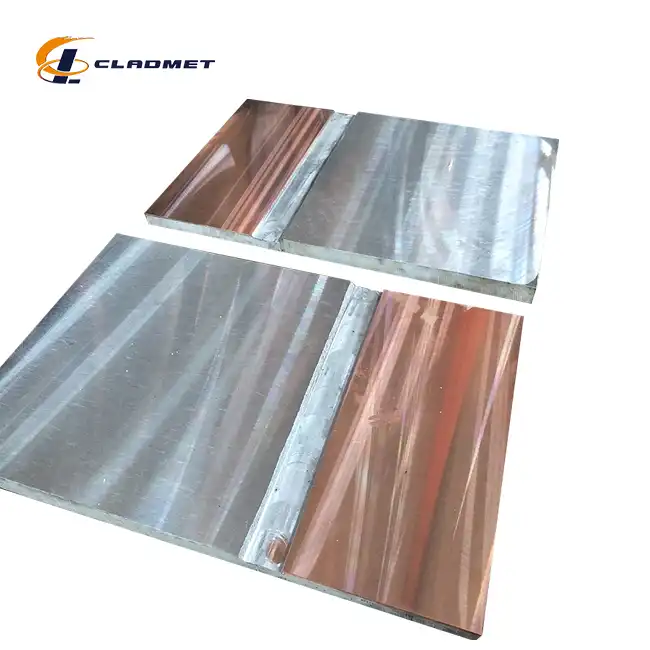
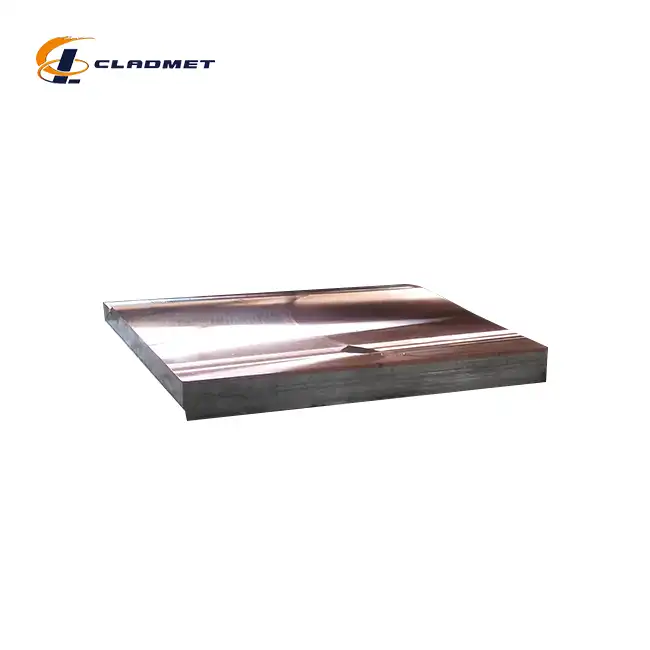
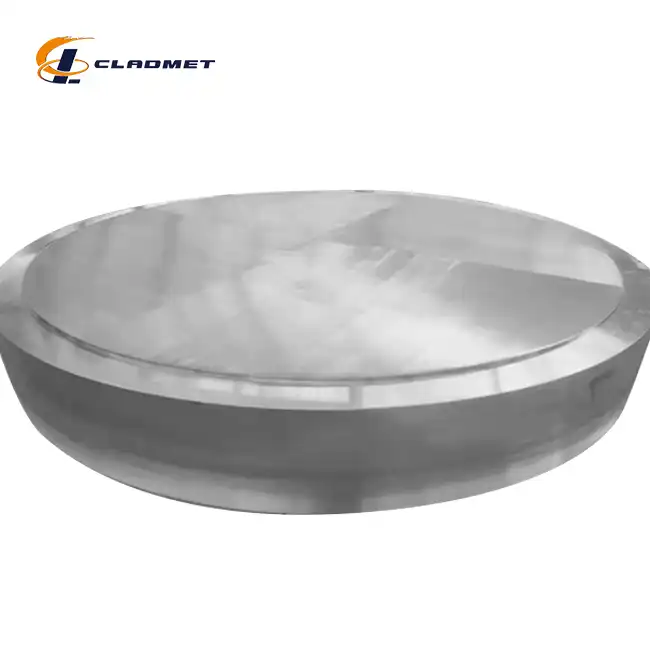
View:389The oil and gas industry continually seeks materials that can withstand extreme environments while maintaining cost-effectiveness. Bonded Titanium Clad Stainless Steel Plate for Oil & Gas applications has emerged as a revolutionary solution, combining titanium's exceptional corrosion resistance with stainless steel's structural integrity. As industry experts analyze market trends and performance data, the question remains whether this advanced composite material justifies its initial investment compared to traditional alternatives in demanding petroleum and gas processing environments.
The Financial Case for Titanium Clad Steel in Energy Sectors
Long-Term Cost Benefits Analysis
The economic viability of Bonded Titanium Clad Stainless Steel Plate for Oil & Gas applications becomes evident when examining lifecycle costs rather than initial capital expenditure. Traditional materials in corrosive environments typically require frequent replacement and extensive maintenance schedules, leading to operational downtime and increased labor costs. Industry analysis reveals that facilities utilizing titanium clad plates experience maintenance intervals extending 3-5 times longer than conventional stainless steel installations. The explosive bonding process creates a metallurgical bond that ensures the titanium cladding layer remains intact even under thermal cycling and mechanical stress, preventing the costly delamination issues common in other composite materials. The global titanium clad pipes market was valued at approximately USD 1.8 billion in 2023 and is projected to reach around USD 3.1 billion by 2032, growing at a compound annual growth rate (CAGR) of 6.2%, indicating strong industry confidence in these materials. The superior corrosion resistance of Bonded Titanium Clad Stainless Steel Plate for Oil & Gas applications eliminates the need for expensive corrosion inhibitors and protective coatings, while reducing unplanned shutdowns that can cost major refineries millions of dollars per day.
Return on Investment Metrics
Financial modeling demonstrates that Bonded Titanium Clad Stainless Steel Plate for Oil & Gas installations typically achieve payback periods between 18-36 months, depending on the severity of the operating environment. In highly corrosive applications such as sour gas processing or offshore platforms, the return on investment accelerates due to the extreme conditions that rapidly degrade conventional materials. The plates manufactured through explosion bonding technology maintain their integrity in temperatures ranging from -196°C to 550°C, eliminating thermal expansion mismatches that cause premature failure in welded joints and connections. Manufacturing specifications allow for customized thicknesses from 1mm to 100mm with lengths up to 12,000mm, enabling engineers to optimize material usage for specific applications. This customization capability reduces waste and ensures optimal performance characteristics for each installation. The combination of Grade 1, Grade 2, and Grade 5 titanium cladding options with various stainless steel substrates (304, 316, etc.) provides flexibility to match material properties with specific chemical environments and mechanical requirements.
Operational Efficiency Improvements
The implementation of Bonded Titanium Clad Stainless Steel Plate for Oil & Gas operations delivers measurable improvements in operational efficiency. The lightweight nature of titanium reduces structural loading requirements, potentially allowing for larger equipment installations within existing frameworks. Heat transfer efficiency improvements of 15-25% compared to pure stainless steel installations result in reduced energy consumption for heating and cooling processes. The smooth titanium surface minimizes fouling and scaling, maintaining heat transfer coefficients throughout extended operating periods and reducing cleaning frequency requirements.
Technical Performance Advantages in Harsh Environments
Superior Corrosion Resistance Properties
The technical superiority of Bonded Titanium Clad Stainless Steel Plate for Oil & Gas applications stems from titanium's remarkable resistance to various corrosive media encountered in petroleum processing. Unlike stainless steel, which relies on a thin passive film for protection, titanium forms a stable oxide layer that regenerates instantly when damaged. This characteristic provides exceptional resistance to chloride-induced pitting, crevice corrosion, and stress corrosion cracking that plague conventional materials in marine and chemical environments. Laboratory testing demonstrates that titanium clad plates maintain structural integrity in concentrations of hydrochloric acid, sulfuric acid, and hydrogen sulfide that would rapidly destroy stainless steel components. The explosion bonding process creates an interface zone with unique metallurgical properties that prevent galvanic corrosion between dissimilar metals. This bonding technique, utilizing controlled explosive energy, produces bond strengths exceeding the base material strength, ensuring the cladding layer cannot separate under normal operating conditions.
Mechanical Strength and Durability
The mechanical properties of Bonded Titanium Clad Stainless Steel Plate for Oil & Gas applications combine the best characteristics of both constituent materials. The stainless steel substrate provides structural strength and impact resistance, while the titanium cladding offers superior fatigue resistance and elastic recovery. This combination proves particularly valuable in pressure vessel applications where cyclic loading from startup and shutdown operations creates stress concentrations that lead to crack initiation in homogeneous materials. Testing protocols following GB/GBT, ASME/ASTM, and JIS standards verify that clad plates maintain their bond integrity through temperature cycling from -196°C to 550°C without delamination or interface degradation. The manufacturing process employs surface preparation techniques that create mechanical interlocking in addition to metallurgical bonding, providing redundant attachment mechanisms. Quality control procedures include ultrasonic testing to verify 100% bond coverage and destructive testing to confirm interface shear strength exceeds specification requirements.
Thermal Performance Characteristics
Titanium stainless steel clad plate has good thermal conductivity, and overcomes thermal stress, making it ideal for heat exchanger applications where thermal efficiency directly impacts operational costs. The thermal expansion coefficient mismatch between titanium and stainless steel is accommodated through the explosion bonding interface, which creates a gradual transition zone that eliminates thermal stress concentrations. This design prevents the warping and buckling common in brazed or welded composite materials subjected to rapid temperature changes. Heat treatment processes during manufacturing optimize the microstructure at the bond interface, creating a diffusion zone that enhances thermal conduction while maintaining corrosion resistance. The resulting thermal conductivity approaches that of stainless steel while retaining titanium's surface protection properties. This combination enables more compact heat exchanger designs with improved thermal efficiency and reduced maintenance requirements compared to traditional materials.
Industry Applications and Market Adoption Trends
Offshore and Marine Applications
The marine environment presents one of the most challenging applications for Bonded Titanium Clad Stainless Steel Plate for Oil & Gas equipment, where saltwater exposure, pressure cycling, and accessibility constraints demand materials with exceptional reliability. Offshore platforms utilizing titanium clad plates in seawater cooling systems, ballast tanks, and process equipment report significant reductions in maintenance requirements and extended operational life cycles. The resistance to chloride-induced corrosion eliminates the need for expensive nickel-based alloys in many applications, providing cost savings while improving performance. Wave action and tidal cycling create dynamic loading conditions that test material fatigue resistance. The superior fatigue properties of titanium cladding, combined with the structural strength of stainless steel substrate, provide optimal performance in these demanding applications. Installation procedures for offshore applications utilize specialized welding techniques that maintain the integrity of the titanium cladding layer while creating reliable joints for pressure containment and structural connections.
Refinery and Chemical Processing Integration
Composite clad plates have been able to help clients reduce costs and create value in heavy industries like oil and gas, chemical processing, sea water desalinization, demonstrating their broad applicability across process industries. Refinery applications include crude distillation columns, hydrotreating reactors, and sulfur recovery units where hydrogen sulfide and other corrosive compounds attack conventional materials. The implementation of Bonded Titanium Clad Stainless Steel Plate for Oil & Gas refining operations has enabled process optimization through increased operating temperatures and pressures that improve conversion efficiency. Chemical processing applications benefit from the material's resistance to organic acids, caustic solutions, and oxidizing environments encountered in petrochemical production. The ability to customize plate dimensions and cladding thickness allows engineers to optimize material usage for specific process conditions, reducing weight and cost while maintaining performance requirements. Surface finishing options including polished and sandblasted textures provide flexibility for applications requiring specific surface characteristics for heat transfer or cleanability.
Pipeline and Transportation Systems
The transportation of corrosive petroleum products through pipelines presents unique challenges that Bonded Titanium Clad Stainless Steel Plate for Oil & Gas applications address effectively. Internal cladding of pipeline sections exposed to sour crude oil, produced water, and gas streams containing hydrogen sulfide extends service life significantly compared to carbon steel with protective linings. The explosion bonding process creates a continuous protective barrier that cannot delaminate or allow undercutting corrosion that compromises traditional coating systems. Expansion joint applications utilize the superior flexibility and corrosion resistance of titanium cladding to accommodate thermal movement while maintaining pressure integrity. The manufacturing process allows for complex geometries and custom configurations that optimize flow characteristics and minimize pressure drops. Quality assurance protocols include pressure testing, radiographic examination, and corrosion testing to verify performance specifications before installation.
Conclusion
The evidence strongly supports the investment value of Bonded Titanium Clad Stainless Steel Plate for Oil & Gas applications, with industry experts confirming significant long-term benefits despite higher initial costs. The combination of superior corrosion resistance, extended service life, and reduced maintenance requirements delivers compelling return on investment metrics that justify the premium pricing. As the oil and gas industry continues evolving toward more challenging environments and stricter operational requirements, these advanced composite materials provide essential performance advantages.
As a leading China Bonded Titanium Clad Stainless Steel Plate for Oil & Gas manufacturer, Baoji JL Clad Metals Materials Co., Ltd. leverages advanced explosion bonding technology and international certifications including ISO9001-2000, PED, and ABS to deliver superior products. Our position as a premier China Bonded Titanium Clad Stainless Steel Plate for Oil & Gas supplier stems from comprehensive expertise in titanium, nickel, stainless steel, and other specialized alloys. We serve as your trusted China Bonded Titanium Clad Stainless Steel Plate for Oil & Gas factory with customization capabilities and global shipping options.
Whether you require China Bonded Titanium Clad Stainless Steel Plate for Oil & Gas wholesale quantities or specialized configurations, our OEM services ensure precise specifications for your applications. Our High Quality Bonded Titanium Clad Stainless Steel Plate for Oil & Gas products are competitively priced with transparent Bonded Titanium Clad Stainless Steel Plate for Oil & Gas price structures. Discover our extensive inventory of Bonded Titanium Clad Stainless Steel Plate for Oil & Gas for sale and experience the JL CLAD METALS advantage. Contact us today at stephanie@cladmet.com to discuss your specific requirements and receive expert technical support for your next project.
References
1. "Titanium and Titanium Alloys: Fundamentals and Applications" by Leyens, C. and Peters, M., Wiley-VCH Publishers, Materials Science and Engineering Series.
2. "Explosion Welding: Processes and Structures" by Blazynski, T.Z., Applied Science Publishers, Advanced Materials Technology Series.
3. "Corrosion Resistance of Titanium in Oil and Gas Applications" by Schutz, R.W., Materials Performance International Journal, NACE International Publications.
4. "Clad Metal Technologies for Chemical Process Industries" by Johnson, K.L., Process Engineering Quarterly, Industrial Materials Research Institute.