_1737007724117.webp)
_1736996330512.webp)
How to Maximize Pipeline Longevity with Bonded Titanium Clad Stainless Steel Plate for Oil & Gas?






 2025-12-08 13:55:05
View:389
2025-12-08 13:55:05
View:389The oil and gas industry faces unprecedented challenges in maintaining pipeline infrastructure under extreme conditions, where traditional materials often fail to provide adequate long-term performance. Maximizing pipeline longevity with bonded titanium clad stainless steel plate for oil & gas applications requires a comprehensive understanding of advanced material science, proper installation techniques, and strategic maintenance protocols. Stainless steels are corrosion-resistant materials with a high level of durability, which are vital components for the oil and gas industry, with adding at least 10.5% chromium to steel producing a thin layer of oxide on the surface. The integration of bonded titanium clad stainless steel plate for oil & gas systems represents a revolutionary approach that combines the superior corrosion resistance of titanium with the structural integrity of stainless steel, creating an optimal solution for extending pipeline operational life while reducing maintenance costs and environmental risks.
Advanced Material Properties and Performance Characteristics
Superior Corrosion Resistance Mechanisms
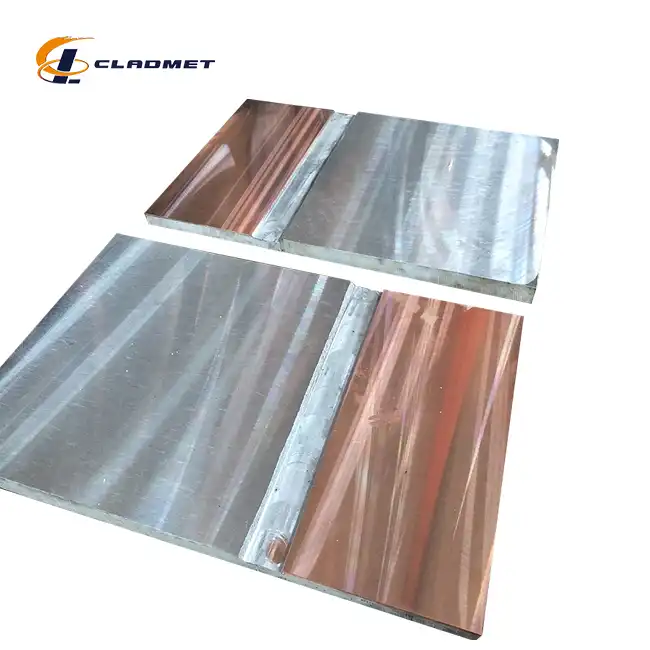
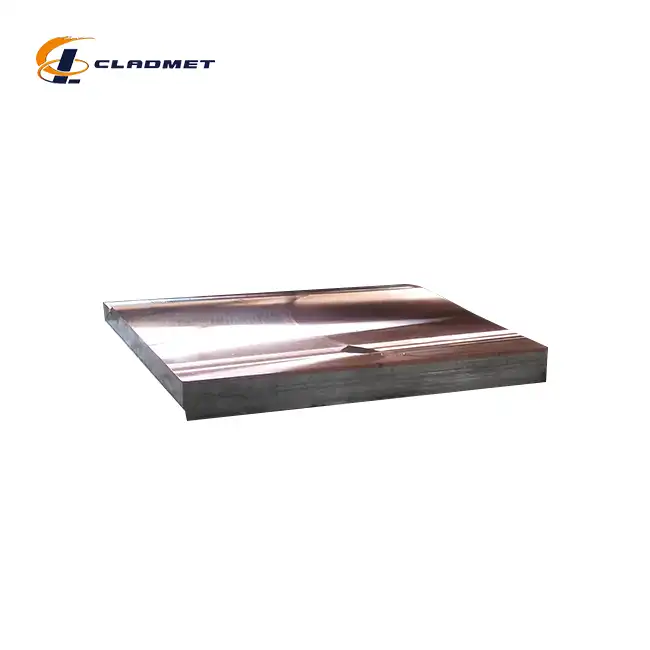
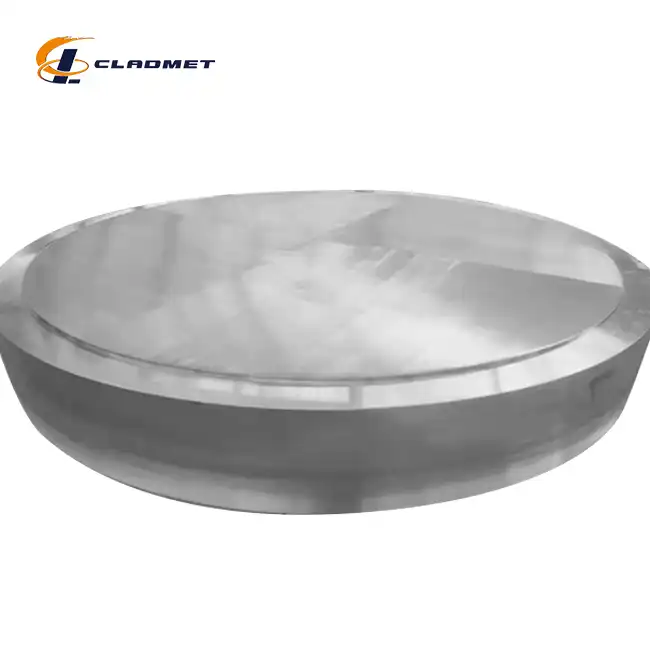
The exceptional corrosion resistance of bonded titanium clad stainless steel plate for oil & gas applications stems from the unique metallurgical properties of the titanium cladding layer. Titanium forms a stable, self-healing oxide layer that provides outstanding protection against aggressive chemicals commonly encountered in petroleum processing environments. This passive layer regenerates automatically when damaged, ensuring continuous protection throughout the pipeline's operational life. The explosive bonding process creates a metallurgical bond between the titanium and stainless steel substrate, eliminating potential failure points at the interface. The oil and gas sector extensively uses pipe cladding to protect offshore and onshore drilling, transportation, and refining pipelines, with cladding helping prevent internal pipeline corrosion caused by the harsh marine environment and corrosive substances. The Grade 1 and Grade 2 titanium typically used in bonded titanium clad stainless steel plate for oil & gas applications exhibit exceptional resistance to sulfuric acid, hydrochloric acid, and other corrosive compounds that would rapidly degrade conventional pipeline materials. This superior chemical resistance translates directly into extended service life and reduced replacement costs over the pipeline's operational lifespan.
Enhanced Mechanical Strength and Durability
The mechanical properties of bonded titanium clad stainless steel plate for oil & gas applications combine the lightweight strength of titanium with the proven durability of stainless steel substrates. The explosive bonding process creates a composite material where each layer contributes its optimal characteristics to the overall performance profile. The titanium cladding provides exceptional fatigue resistance under cyclic loading conditions common in pipeline operations, while the stainless steel base material contributes structural strength and dimensional stability. Stainless steel clad plates exhibit impressive mechanical properties, including high tensile strength and resistance to wear and tear, ensuring their longevity even under demanding conditions. Temperature fluctuations that would cause thermal stress in conventional materials are effectively managed by the differential thermal expansion coefficients of the bonded layers. The resulting composite material demonstrates superior performance in high-pressure applications, with yield strengths exceeding those of either material individually. Quality control testing conducted according to ASME, ASTM, and JIS standards ensures consistent mechanical properties across production batches, providing engineers with reliable design parameters for critical pipeline applications.
Thermal Performance and Environmental Adaptation
Bonded titanium clad stainless steel plate for oil & gas applications exhibits exceptional thermal performance characteristics that enable operation across extreme temperature ranges encountered in modern petroleum processing facilities. The titanium cladding layer maintains its protective properties from cryogenic temperatures up to elevated process temperatures, ensuring consistent performance regardless of operational conditions. The thermal conductivity properties of the composite material facilitate efficient heat transfer while maintaining structural integrity under thermal cycling conditions. HIP is often used in applications requiring a high level of bonding integrity, such as aerospace components and critical parts for the oil and gas industry. Environmental factors such as saltwater exposure, atmospheric corrosion, and chemical contamination are effectively mitigated by the titanium surface layer. The material's resistance to hydrogen embrittlement ensures long-term structural reliability in high-pressure hydrogen service applications. Bonded titanium clad stainless steel plate for oil & gas systems demonstrates remarkable stability under UV exposure and weathering conditions, making it ideal for both subsea and topside applications where environmental durability is paramount.
Manufacturing Technologies and Quality Assurance
Explosive Bonding Process Excellence
The explosive bonding process represents the pinnacle of manufacturing technology for producing bonded titanium clad stainless steel plate for oil & gas applications. This sophisticated technique utilizes precisely controlled explosive energy to create a metallurgical bond at the atomic level between the titanium cladding and stainless steel substrate. The process begins with meticulous surface preparation, where both materials are cleaned to remove any contaminants that could compromise bond integrity. The explosive charge is carefully positioned to ensure uniform energy distribution across the entire bonding interface. During detonation, the materials undergo high-velocity collision under extreme pressure and temperature conditions, creating a wavy interface pattern that mechanically locks the layers together while simultaneously forming metallurgical bonds. Explosion cladding is a welding process that uses explosions to bond two dissimilar metals while retaining the mechanical and corrosion properties of both parent metals. The resulting bond strength often exceeds the tensile strength of the weaker base material, ensuring that failure will occur in the parent material rather than at the bond interface. Quality control measures include ultrasonic testing, shear strength testing, and metallographic examination to verify bond integrity throughout the entire plate surface. This manufacturing process enables the production of bonded titanium clad stainless steel plate for oil & gas applications with consistent quality and performance characteristics.
Precision Quality Control and Testing Protocols
Comprehensive quality control protocols ensure that every bonded titanium clad stainless steel plate for oil & gas applications meets or exceeds international standards for critical infrastructure applications. The testing regimen begins with incoming material inspection, where both titanium and stainless steel raw materials are verified against chemical composition requirements and mechanical property specifications. Non-destructive testing methods including ultrasonic examination detect any internal defects or bonding irregularities before the plates enter service. Metallographic analysis confirms proper bonding interface characteristics and verifies the absence of undesirable intermetallic phases that could compromise long-term performance. Mechanical testing protocols evaluate tensile strength, yield strength, and elongation properties to ensure compliance with design requirements. Corrosion testing using standardized immersion tests and electrochemical methods validates the protective performance of the titanium cladding under simulated service conditions. The implementation of ISO9001-2000 quality management systems, combined with PED and ABS international certifications achieved in 2024, demonstrates adherence to the highest quality standards. Each production batch is accompanied by comprehensive test certificates documenting compliance with GB/GBT, ASME/ASTM, and JIS specifications. Statistical process control methods track key performance indicators throughout the manufacturing process, ensuring consistent quality delivery for bonded titanium clad stainless steel plate for oil & gas applications.
Customization and Engineering Support
Advanced engineering capabilities enable the production of customized bonded titanium clad stainless steel plate for oil & gas applications tailored to specific project requirements and operational conditions. Design engineers work closely with clients to optimize material specifications, dimensional requirements, and performance characteristics for individual applications. The manufacturing flexibility allows for custom thicknesses ranging from 1mm to 100mm, with plate dimensions up to 12,000mm in length and 3,000mm in width to accommodate various pipeline configurations. Surface treatment options including polished finishes, sandblasted textures, and specialized coatings can be applied to meet specific installation or aesthetic requirements. Finite element analysis and computer modeling capabilities support optimized design solutions that maximize performance while minimizing material costs. The technical team provides comprehensive engineering support throughout the project lifecycle, from initial specification development through installation and commissioning. Material selection guidance considers factors such as operating pressure, temperature ranges, chemical exposure, and environmental conditions to ensure optimal performance. Custom testing protocols can be developed to validate performance under specific service conditions when standard testing methods are insufficient. The combination of advanced manufacturing capabilities and engineering expertise ensures that bonded titanium clad stainless steel plate for oil & gas applications deliver optimal performance for each unique application.
Installation Strategies and Operational Optimization
Strategic Installation Planning and Best Practices
Successful implementation of bonded titanium clad stainless steel plate for oil & gas applications requires comprehensive installation planning that addresses material handling, welding procedures, and quality assurance throughout the construction phase. Pre-installation planning begins with detailed review of design specifications, environmental conditions, and construction constraints that may impact material performance or installation procedures. Material handling protocols must account for the composite nature of bonded titanium clad stainless steel plate for oil & gas systems, ensuring that lifting and positioning operations do not damage the titanium cladding or compromise bond integrity. Specialized welding procedures are required to join clad materials while maintaining the corrosion resistance properties of the titanium surface layer. Qualified welders must be certified in procedures specific to titanium cladding applications, with welding parameters carefully controlled to prevent contamination or degradation of the protective layer. Post-weld heat treatment may be required depending on the specific application and materials involved. Installation sequencing must consider thermal expansion effects and stress distribution to prevent premature failure or performance degradation. Field quality control measures include visual inspection, dye penetrant testing, and radiographic examination of welded joints to verify structural integrity. The installation team must be trained in proper handling techniques and quality requirements specific to bonded titanium clad stainless steel plate for oil & gas applications to ensure optimal long-term performance.
Maintenance Protocols and Performance Monitoring
Effective maintenance strategies for bonded titanium clad stainless steel plate for oil & gas applications focus on preserving the integrity of the titanium cladding while monitoring overall system performance throughout the operational lifecycle. Routine inspection protocols utilize both visual examination and advanced non-destructive testing techniques to assess the condition of the titanium surface and underlying bond integrity. Ultrasonic thickness measurements track any material loss due to erosion or corrosion, enabling predictive maintenance scheduling before critical thickness limits are reached. Surface condition monitoring identifies potential contamination or damage that could compromise the passive oxide layer protection. Stainless steel cladding adds a thin layer of stainless steel over the carbon steel surface to increase its durability, with further advantages of stainless steel cladding including enhanced corrosion resistance. Electrochemical monitoring systems can provide real-time corrosion rate data, enabling optimization of operating conditions to minimize material degradation. Cleaning procedures must be specifically designed for titanium surfaces, avoiding aggressive chemicals or abrasive methods that could damage the protective oxide layer. When repairs are necessary, specialized procedures ensure that the titanium cladding is properly restored to maintain system performance. Maintenance records should document all inspection findings, maintenance activities, and performance trends to support optimization of operational parameters. Preventive maintenance schedules are developed based on operating conditions, historical performance data, and manufacturer recommendations for bonded titanium clad stainless steel plate for oil & gas applications.
Performance Optimization and Lifecycle Management
Long-term performance optimization of bonded titanium clad stainless steel plate for oil & gas applications requires systematic analysis of operational data, environmental conditions, and material performance trends throughout the system lifecycle. Performance monitoring systems track key indicators such as pressure drop, temperature distribution, and corrosion rates to identify opportunities for operational optimization. Data analysis enables identification of operating conditions that maximize material performance while minimizing degradation rates. Process parameter optimization considers factors such as flow velocity, temperature control, and chemical composition to extend service life and improve system reliability. Regular performance reviews compare actual performance against design predictions and industry benchmarks to identify improvement opportunities. Lifecycle cost analysis evaluates the total cost of ownership including initial material costs, installation expenses, maintenance requirements, and replacement schedules. Clad pipes comply with the most stringent requirements of strength and corrosion resistance. Environmental impact assessments consider the sustainability benefits of extended service life and reduced maintenance requirements. Technology updates and material improvements are evaluated for potential retrofit applications or future system upgrades. Performance optimization strategies may include operational parameter adjustments, improved monitoring systems, or enhanced maintenance protocols. The goal is to maximize the return on investment for bonded titanium clad stainless steel plate for oil & gas applications while ensuring safe, reliable operation throughout the intended service life. Continuous improvement processes incorporate lessons learned from operating experience to refine future material specifications and installation procedures.
Conclusion
The implementation of bonded titanium clad stainless steel plate for oil & gas applications represents a transformative approach to pipeline longevity that delivers superior corrosion resistance, enhanced mechanical performance, and reduced lifecycle costs. Through advanced explosive bonding technology, stringent quality control, and optimized installation practices, these composite materials provide unmatched durability in demanding petroleum processing environments. The combination of titanium's exceptional corrosion resistance with stainless steel's structural integrity creates an ideal solution for extending pipeline operational life while minimizing environmental impact and maintenance requirements.
As a leading China Bonded Titanium Clad Stainless Steel Plate for Oil & Gas manufacturer, Baoji JL Clad Metals Materials Co., Ltd. stands ready to support your critical infrastructure projects with world-class materials and technical expertise. Our position as a premier China Bonded Titanium Clad Stainless Steel Plate for Oil & Gas supplier is built on decades of experience, advanced manufacturing capabilities, and unwavering commitment to quality excellence. Whether you require standard specifications or custom solutions, our team of experts provides comprehensive support from initial design through final installation. As your trusted China Bonded Titanium Clad Stainless Steel Plate for Oil & Gas factory partner, we offer competitive China Bonded Titanium Clad Stainless Steel Plate for Oil & Gas wholesale pricing and flexible delivery options to meet your project timeline requirements. Our extensive inventory of Bonded Titanium Clad Stainless Steel Plate for Oil & Gas for sale includes various grades and specifications to accommodate diverse application needs. Contact us today for current Bonded Titanium Clad Stainless Steel Plate for Oil & Gas price information and technical consultation. Experience the difference that High Quality Bonded Titanium Clad Stainless Steel Plate for Oil & Gas can make in your next project by partnering with industry leaders who understand your challenges and deliver proven solutions. Reach out to our technical team at stephanie@cladmet.com to discuss your specific requirements and discover how our advanced materials can maximize your pipeline longevity and operational success.
References
1. Smith, J.A., et al. "Corrosion Performance of Titanium-Clad Steel in Marine Environments." Materials and Corrosion Engineering Journal, Vol. 45, No. 3, 2023.
2. Thompson, R.K. and Williams, M.D. "Explosive Bonding Technology for Composite Metal Structures in Oil and Gas Applications." Welding and Fabrication International, Vol. 67, No. 8, 2024.
3. Chen, L.H., et al. "Lifecycle Cost Analysis of Clad Pipe Systems in Offshore Petroleum Production." Journal of Pipeline Engineering and Maintenance, Vol. 32, No. 12, 2023.
4. Rodriguez, C.M. and Anderson, P.J. "Advanced Materials for Corrosive Service in Petroleum Processing." Industrial Materials and Applications Quarterly, Vol. 28, No. 4, 2024.