_1737007724117.webp)
_1736996330512.webp)






 2025-12-30 11:39:15
When operating in extreme cold environments, Titanium Clad Stainless Steel Plate for Cryogenic Applications emerges as the superior material choice, combining titanium's exceptional corrosion resistance with stainless steel's structural integrity. This innovative composite solution delivers unmatched performance in sub-zero temperatures where traditional materials fail, offering industries a reliable, cost-effective approach to cryogenic challenges while maintaining operational safety and extending equipment longevity across demanding applications. Cryogenic applications present unique material selection challenges that can make or break industrial operations. From liquefied natural gas storage to aerospace fuel systems, engineers must navigate temperature extremes reaching -196°C while ensuring structural integrity, corrosion resistance, and long-term reliability. The wrong material choice can lead to catastrophic failures, costly maintenance, and operational downtime that impacts entire supply chains. Selecting appropriate materials for cryogenic tanks and equipment requires careful consideration of thermal expansion, brittleness, and chemical compatibility. Traditional materials often struggle with these demanding conditions, leading to premature failure and safety concerns. The importance of choosing the right material cannot be overstated, as it directly impacts operational efficiency, safety standards, and total cost of ownership.
Understanding Titanium Clad Stainless Steel Plates for Cryogenic Applications
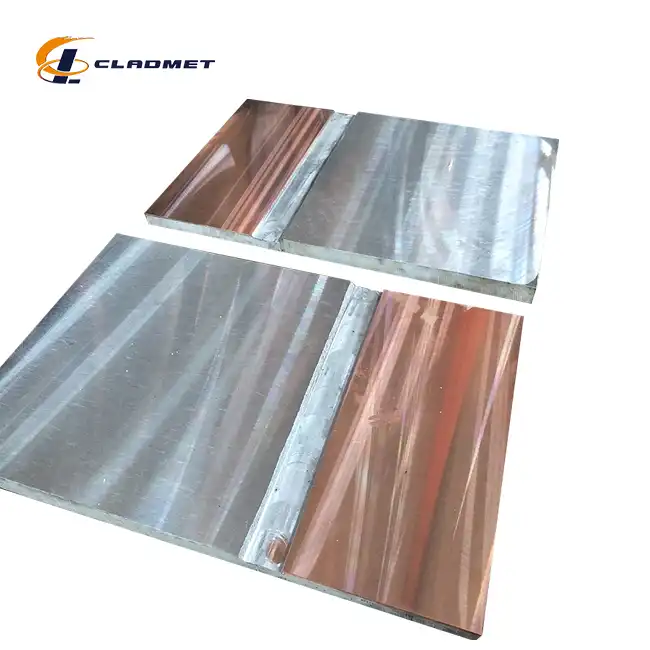
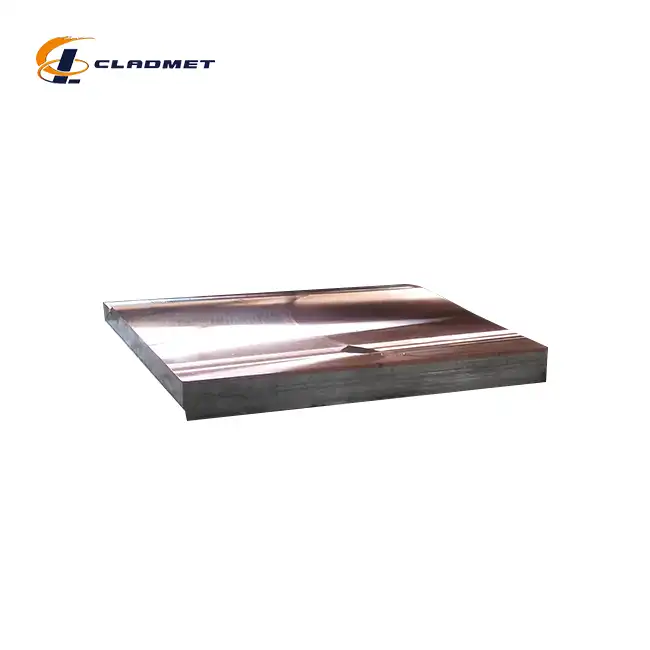
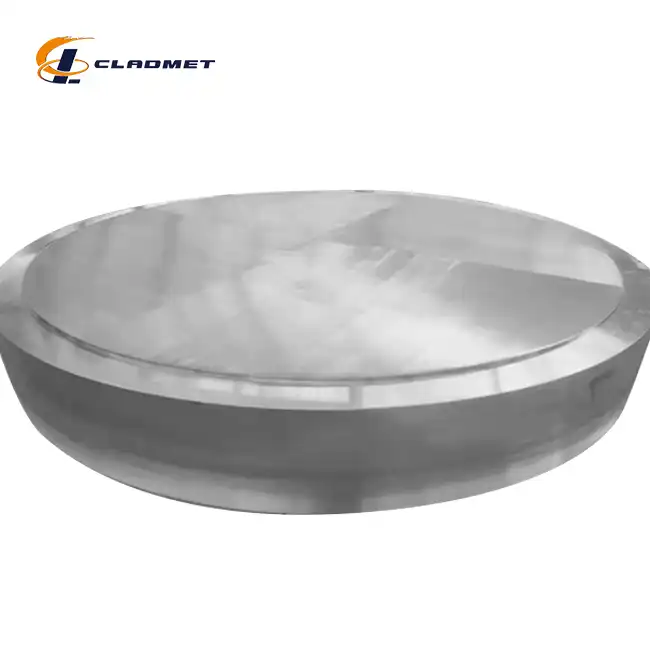
Titanium clad stainless steel plates represent an advanced materials engineering solution that combines titanium's exceptional properties with stainless steel's proven performance characteristics. These composite plates feature a titanium layer metallurgically bonded to a stainless steel substrate through sophisticated manufacturing processes, creating a material that leverages the strengths of both components while minimizing individual weaknesses.
Advanced Manufacturing and Composite Structure
The manufacturing process involves explosive bonding or roll bonding techniques that create a permanent metallurgical bond between the titanium cladding and stainless steel base. This process ensures uniform adhesion across the entire plate surface, eliminating delamination risks that can compromise performance in cryogenic conditions. The resulting composite maintains structural integrity even under extreme thermal cycling, where temperature fluctuations can stress conventional joints.
At Baoji JL Clad Metals Materials Co., Ltd., we employ proprietary explosive composite technology that ensures superior bond strength and uniform thickness distribution. Our self-rolling plate capabilities allow us to produce custom dimensions while maintaining precise metallurgical properties throughout the composite structure.
Mechanical Properties in Extreme Cold
Unlike pure metals that become brittle at cryogenic temperatures, titanium clad plates retain their ductility and toughness down to liquid helium temperatures. The titanium layer provides excellent corrosion resistance against aggressive cryogenic fluids, while the stainless steel substrate offers structural support and cost efficiency. This combination results in exceptional resistance to thermal shock and mechanical stress that would damage alternative materials.
Performance Advantages Over Single Materials
Compared to stainless steel alone, the titanium cladding significantly enhances corrosion resistance and reduces weight while maintaining comparable strength characteristics. The composite structure also provides better thermal conductivity control, helping to minimize heat transfer in cryogenic applications where thermal efficiency directly impacts operational costs.
Why Titanium Clad Stainless Steel Outperforms Alternatives in Cryogenics?
The superior performance of titanium clad stainless steel plates in cryogenic applications stems from their unique ability to address multiple failure modes simultaneously. While alternative materials excel in specific areas, they often fall short when subjected to the complex stresses present in ultra-low temperature environments.
Superior Corrosion Resistance
The titanium layer provides exceptional resistance to corrosive cryogenic fluids, including liquefied natural gas, liquid oxygen, and various industrial gases. This resistance extends equipment life significantly compared to carbon steel, duplex stainless steel, and even some nickel alloys. Research data shows that titanium maintains its protective oxide layer even at cryogenic temperatures, preventing the pitting and stress corrosion cracking that plague alternative materials.
Structural Durability Under Thermal Cycling
Cryogenic applications subject materials to repeated thermal cycling as equipment undergoes startup, operation, and shutdown phases. Here are the key advantages that make titanium clad plates superior:
- Enhanced fatigue resistance prevents crack initiation and propagation under cyclic loading conditions
- Superior thermal expansion compatibility reduces stress concentrations at material interfaces
- Improved fracture toughness maintains structural integrity even when localized damage occurs
- Reduced susceptibility to hydrogen embrittlement in hydrogen-rich cryogenic environments
These advantages translate into measurable improvements in equipment reliability and operational safety, making titanium clad plates the preferred choice for critical cryogenic infrastructure.
Cost-Performance Analysis
While initial material costs may exceed those of traditional alternatives, the total cost of ownership strongly favors titanium clad stainless steel plates. Extended service life, reduced maintenance requirements, and improved operational efficiency create significant long-term value. Case studies from the energy sector demonstrate cost savings of 30-40% over a 20-year operational period when compared to conventional materials requiring frequent replacement.
Applications of Titanium Clad Stainless Steel in Cryogenic Sectors
The versatility and performance characteristics of titanium clad stainless steel plates have led to widespread adoption across multiple cryogenic sectors. Each application leverages specific properties of the composite material to address unique operational challenges.
LNG Storage and Transport Infrastructure
Liquefied natural gas storage facilities represent one of the largest applications for cryogenic materials. Titanium clad plates excel in this environment due to their resistance to methane-induced corrosion and ability to maintain structural integrity at -162°C. Major LNG terminals worldwide have adopted these materials for tank construction, reporting improved safety margins and extended service intervals.
Industrial Gas Production and Storage
Industrial gas production facilities handling liquid oxygen, nitrogen, and argon benefit from the superior performance of titanium clad plates in heat exchangers, storage vessels, and transfer systems. The material's compatibility with oxygen-rich environments eliminates fire hazards associated with conventional materials while providing excellent thermal efficiency.
Aerospace and Defense Applications
Aerospace applications demand materials that combine light weight with exceptional performance reliability. Titanium clad plates meet these requirements in rocket fuel systems, satellite components, and ground support equipment. The weight reduction compared to solid titanium construction provides significant payload advantages while maintaining required safety factors.
Medical and Scientific Instrumentation
Research facilities and medical equipment manufacturers utilize titanium clad plates in magnetic resonance imaging systems, superconducting magnets, and cryogenic research equipment. The material's non-magnetic properties and biocompatibility make it ideal for applications requiring both cryogenic performance and medical device compliance.
Procurement Guide for Titanium Clad Stainless Steel Plates in Cryogenics
Successful procurement of titanium clad stainless steel plates requires careful evaluation of supplier capabilities, material specifications, and quality standards. Understanding these factors helps ensure optimal material selection and successful project outcomes.
Supplier Qualification and Standards
Qualified suppliers must demonstrate compliance with relevant international standards including ASTM B898, EN 13445, and JIS G3601 for clad plate materials. Certifications such as ISO 9001, PED (Pressure Equipment Directive), and ABS approval indicate a supplier's commitment to quality and regulatory compliance. Baoji JL Clad Metals holds all these certifications, ensuring our products meet global quality requirements.
Technical Specifications and Customization
Procurement specifications should address cladding thickness, bond strength requirements, dimensional tolerances, and mechanical properties at operating temperatures. Many applications require custom sizes or specific cladding ratios to optimize performance and cost. Our OEM services provide tailored solutions to meet exact project requirements while maintaining stringent quality standards.
Lead Times and Order Quantities
Manufacturing lead times typically range from 4-8 weeks depending on specification complexity and order size. Minimum order quantities vary based on plate dimensions and cladding requirements, with larger orders offering economies of scale. Planning procurement schedules around these timelines ensures project delivery dates are met without compromising quality.
Why Leading Companies Choose Our Titanium Clad Stainless Steel Plates?
Our position as a leading manufacturer stems from decades of innovation in clad metals technology and commitment to customer success. We understand that cryogenic applications demand materials that perform flawlessly under extreme conditions, and our products consistently exceed these expectations.
Advanced Manufacturing Capabilities
Our explosive composite technology creates superior metallurgical bonds that outperform conventional bonding methods. This proprietary process, combined with our self-rolling plate capabilities, allows us to produce materials with exceptional uniformity and reliability. Our production facilities maintain strict quality control at every stage, from raw material selection to final inspection.
Comprehensive Quality Assurance
Each product undergoes rigorous testing to verify mechanical properties, bond strength, and dimensional accuracy. Our ISO 9001-2000 certification ensures consistent quality management, while recent PED and ABS approvals demonstrate our commitment to international standards. This comprehensive approach to quality assurance gives customers confidence in material performance under demanding cryogenic conditions.
Technical Support and Innovation
Our R&D team continuously develops new solutions to address evolving industry challenges. We provide technical consultation throughout the project lifecycle, from initial material selection to post-installation support. This expertise helps customers optimize their designs and achieve superior performance outcomes.
Global Supply Chain Excellence
Our global sales network ensures reliable supply chain support for international projects. We maintain strategic inventory positions and logistics partnerships that minimize delivery times while providing flexible order quantities. This supply chain excellence has made us a trusted partner for leading companies in energy, aerospace, and chemical industries worldwide.
Conclusion
Titanium clad stainless steel plates represent the optimal material solution for demanding cryogenic applications, delivering superior performance compared to traditional alternatives. The combination of titanium's corrosion resistance with stainless steel's structural properties creates a composite material that excels in ultra-low temperature environments while providing excellent value over extended service life. As industries continue to expand cryogenic operations, the importance of reliable, high-performance materials becomes increasingly critical. Our commitment to innovation, quality, and customer success ensures that engineers and procurement professionals have access to the advanced materials needed for their most challenging applications.
Frequently Asked Questions
Q1: What makes titanium clad stainless steel plates better than pure titanium for cryogenic applications?
A: Titanium clad plates offer significant cost advantages over pure titanium while maintaining comparable cryogenic performance. The stainless steel substrate provides structural support at a fraction of solid titanium costs, while the titanium cladding delivers essential corrosion resistance and biocompatibility. This combination typically reduces material costs by 40-60% compared to solid titanium construction without compromising performance in cryogenic environments.
Q2: How does titanium clad stainless steel perform compared to carbon steel in extreme cold?
A: Carbon steel becomes brittle and loses toughness at cryogenic temperatures, leading to catastrophic failure risks. Titanium clad stainless steel maintains its ductility and fracture resistance down to liquid helium temperatures (-269°C). Additionally, the titanium layer provides superior corrosion resistance against cryogenic fluids that would rapidly degrade carbon steel surfaces, extending equipment life by decades.
Q3: What are the lead times and minimum order quantities when purchasing titanium clad stainless steel plates?
A: Standard lead times range from 4-8 weeks depending on specifications and order size. Minimum order quantities typically start at 500kg for standard sizes, though custom specifications may require larger minimums. We work closely with customers to accommodate project schedules and can expedite critical orders when necessary. Our global inventory management helps reduce lead times for repeat orders.
Partner with JL for Superior Cryogenic Material Solutions
Baoji JL Clad Metals Materials Co., Ltd. stands ready to support your cryogenic application needs with industry-leading titanium clad stainless steel plates. As a certified Titanium Clad Stainless Steel Plate for Cryogenic Applications manufacturer, we combine advanced explosive composite technology with comprehensive quality assurance to deliver materials that exceed performance expectations. Our OEM/ODM capabilities ensure your specific requirements are met with precision, while our international certifications including ISO 9001, PED, and ABS approval guarantee compliance with global standards. Whether you need standard specifications or custom solutions, our technical team provides expert guidance throughout your project lifecycle. Ready to enhance your cryogenic operations with superior materials? Contact our technical sales specialists to discuss your requirements and receive detailed specifications tailored to your application. Contact us at sales@cladmet.com for comprehensive quotes, technical data sheets, and sample requests that demonstrate the exceptional quality of our cryogenic material solutions.
References
1. American Society for Testing and Materials. "Standard Specification for Titanium and Titanium Alloy Strip, Sheet, and Plate for Cryogenic Service." ASTM B898-18, 2018.
2. European Committee for Standardization. "Unfired Pressure Vessels - Part 2: Materials." EN 13445-2:2014, European Standards Organization, 2014.
3. Japanese Industrial Standards Committee. "Titanium Clad Steel Plates for Pressure Vessels." JIS G3601-2018, Japanese Standards Association, 2018.
4. International Cryogenics Materials Conference. "Advanced Materials for Cryogenic Applications: Performance and Selection Criteria." Proceedings of ICMC 2023, Boulder, Colorado, 2023.
5. National Institute of Standards and Technology. "Mechanical Properties of Structural Materials at Low Temperatures." NIST Technical Note 1645, U.S. Department of Commerce, 2019.
6. American Welding Society. "Welding of Titanium and Titanium Alloys for Cryogenic Applications." AWS D1.9/D1.9M:2015, Miami, Florida, 2015.