_1737007724117.webp)
_1736996330512.webp)






 2025-12-30 11:39:18
The demand for superior materials in industrial applications has led to innovative solutions like the Gr7 titanium clad 310 stainless steel plate, a revolutionary composite material that perfectly balances chemical resistance with exceptional structural strength. This advanced material has become increasingly vital for Gr7 Titanium Clad 310 Stainless Steel Plate for Tower Internals applications, where harsh chemical environments and elevated temperatures challenge conventional materials. Industrial engineers and procurement professionals working in chemical processing, petrochemical refining, and similar demanding environments recognize the critical importance of selecting materials that can withstand aggressive conditions while maintaining long-term reliability and cost-effectiveness.
Understanding Gr7 Titanium Clad 310 Stainless Steel Plate
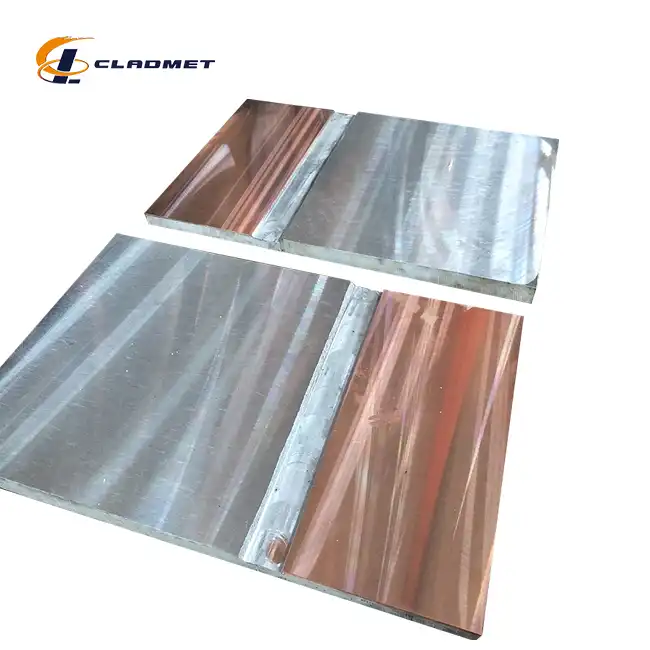
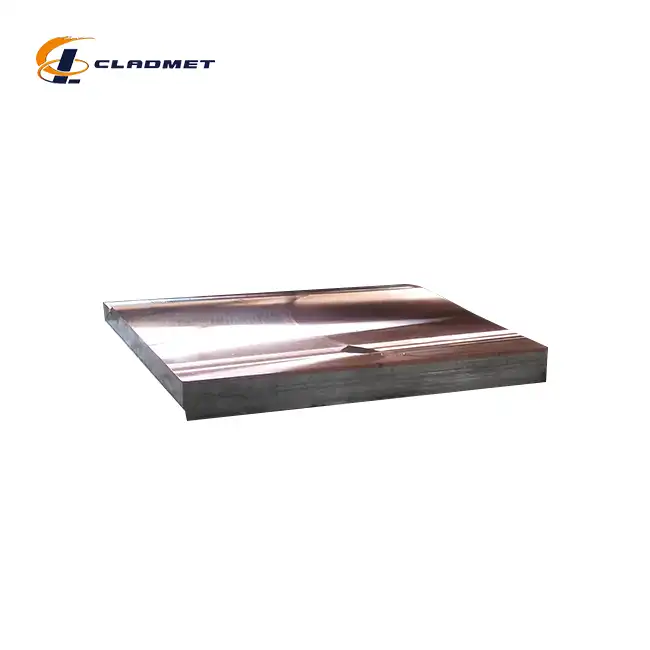
The engineering behind Gr7 titanium clad 310 stainless steel represents a breakthrough in metallurgical science, combining the best characteristics of two exceptional materials into one superior product. This composite material features a seamless metallurgical bond between a Grade 7 titanium outer layer and a robust 310 stainless steel core substrate.
Material Composition and Properties
Grade 7 titanium contains small amounts of palladium, which significantly enhances its corrosion resistance properties compared to commercially pure titanium grades. The 310 stainless steel core provides exceptional high-temperature strength and maintains structural integrity under extreme thermal cycling conditions. This unique combination delivers tensile strength values exceeding 550 MPa while maintaining excellent ductility and fatigue resistance.
Metallurgical Bonding Technology
The cladding process creates an atomic-level bond between the titanium surface layer and stainless steel substrate through advanced techniques such as explosive bonding or roll bonding. This bond strength typically exceeds 200 MPa, ensuring the layers function as a unified material rather than separate components. The interface zone exhibits excellent adhesion properties that prevent delamination even under severe thermal shock conditions.
Applications of Gr7 Titanium Clad 310 Stainless Steel Plate in Tower Internals
Chemical processing towers operate under some of the most challenging conditions in industrial environments, making material selection critical for operational success and safety. The Gr7 Titanium Clad 310 Stainless Steel Plate for Tower Internals has proven exceptional performance in these demanding applications.
Distillation Column Components
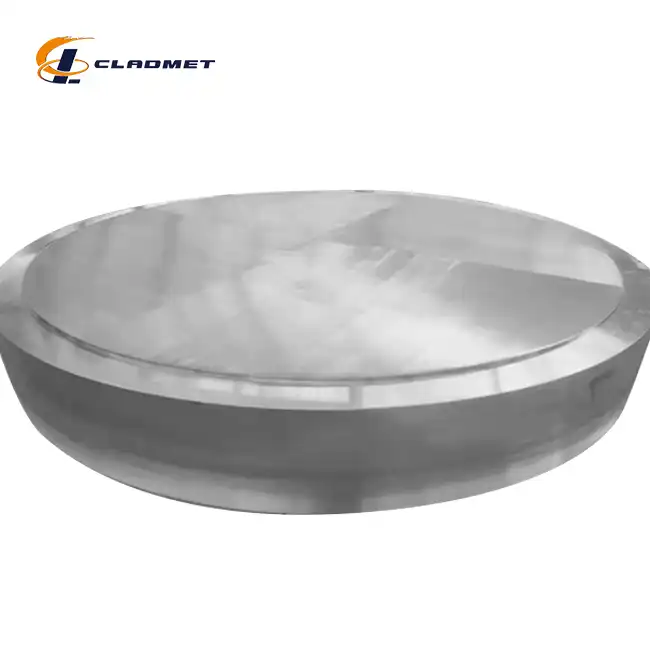
Within distillation towers, these clad plates serve as packing support grids, tray assemblies, and internal baffles where they encounter aggressive chemical vapors and temperature fluctuations. The titanium surface provides outstanding resistance to chloride stress corrosion cracking, while the stainless steel backing maintains structural stability under mechanical loads. Industrial installations have documented service life improvements of 300% compared to conventional 316L stainless steel components.
Absorption Tower Applications
Absorption towers in chemical plants utilize these materials for internal structures exposed to acidic gases and corrosive liquids. The dual-layer construction effectively addresses the challenge of protecting against surface corrosion while maintaining load-bearing capacity. Case studies from sulfuric acid production facilities show reduced maintenance intervals and elimination of premature component failures that previously occurred with single-material solutions.
Heat Exchanger Integration
Tower internals often incorporate heat exchange functions where thermal cycling creates additional stress on materials. The coefficient of thermal expansion compatibility between the titanium and stainless steel layers prevents stress concentration that could lead to cracking or deformation. This thermal stability makes the material particularly valuable in towers handling temperature variations exceeding 200°C.
Comparing Gr7 Titanium Clad 310 Stainless Steel with Alternative Materials
Material selection for tower internals requires careful evaluation of performance characteristics, lifecycle costs, and operational reliability. Understanding how Gr7 titanium clad plates compare to alternative materials helps procurement professionals make informed decisions.
Performance Advantages Over Duplex Stainless Steel
While duplex stainless steels like 2205 offer good corrosion resistance and strength, they lack the chemical inertness of titanium in highly aggressive environments. The titanium cladding provides superior resistance to pitting corrosion in chloride-containing solutions and maintains performance in pH ranges where duplex steels would experience rapid degradation. Independent testing shows corrosion rates 10 times lower than duplex alternatives in simulated tower conditions.
Cost-Benefit Analysis Versus Solid Titanium
Solid titanium components offer excellent corrosion resistance but come with significantly higher material costs and fabrication challenges. The clad plate solution provides 90% of the corrosion performance at approximately 60% of the cost of solid titanium construction. The stainless steel backing also enables conventional welding and fabrication techniques, reducing installation complexity and labor costs.
Lifecycle Value Comparison
Extended service life and reduced maintenance requirements create substantial operational savings that offset higher initial material costs. Economic analysis of tower internal replacements shows payback periods of 2-3 years for clad plate upgrades, with total cost of ownership reductions of 40% over 10-year operational cycles.
Manufacturing Process & Quality Assurance for Gr7 Titanium Clad 310 Stainless Steel Plates
The production of high-quality titanium clad stainless steel plates requires sophisticated manufacturing processes and rigorous quality control protocols to ensure consistent performance and reliability in critical applications.
Advanced Cladding Techniques
JL employs explosive bonding technology that creates metallurgical bonds through controlled detonation energy, achieving bond strengths exceeding industry standards. Our proprietary roll bonding process utilizes precise temperature and pressure control to ensure uniform bonding across large plate dimensions. These advanced techniques eliminate common defects such as incomplete bonding or interface contamination that can compromise material performance.
Quality Control and Testing Protocols
Every plate undergoes comprehensive inspection including ultrasonic bond testing, metallographic examination, and mechanical property verification. Our ISO9001-2000 certified quality system ensures traceability from raw materials through final delivery. Recent achievements include PED and ABS international qualifications in 2024, demonstrating our commitment to meeting the highest global standards for pressure vessel applications.
Customization Capabilities
Our manufacturing flexibility allows production of plates in thicknesses from 3mm to 100mm with cladding ratios optimized for specific applications. Custom dimensions up to 3000mm x 12000mm accommodate large tower internal components without requiring field welding of smaller sections. This capability reduces installation time and eliminates potential weak points in critical structural elements.
Procurement Guide: How to Source Premium Clad Plates
Successful procurement of titanium clad stainless steel plates requires understanding key factors that influence quality, delivery, and long-term performance in tower internal applications.
Supplier Evaluation Criteria
Selecting qualified suppliers involves evaluating manufacturing capabilities, quality certifications, and technical support resources. Look for manufacturers with established explosive bonding facilities, metallurgical laboratories, and engineering support teams. Supplier audits should verify compliance with ASME, ASTM, and relevant international standards for pressure vessel materials.
Technical Specification Development
Detailed specifications should include base material grades, cladding thickness ratios, mechanical property requirements, and inspection criteria. Consider environmental conditions including temperature ranges, chemical exposure, and mechanical loading to ensure optimal material selection. Collaboration with experienced suppliers during specification development helps avoid common pitfalls and ensures manufacturability.
JL Clad Metals: Your Trusted Manufacturing Partner
Baoji JL Clad Metals Materials Co., Ltd. stands as a leading manufacturer specializing in high-performance clad metal solutions for demanding industrial applications. Our expertise in titanium cladding technology, combined with comprehensive quality assurance and customization capabilities, makes us the preferred choice for organizations requiring superior tower internal materials.
Advanced Manufacturing Capabilities
Our state-of-the-art facilities feature proprietary explosive composite technology and self-rolling capabilities that ensure consistent, high-quality bonding across all product dimensions. We maintain complete control over the manufacturing process from raw material selection through final inspection, guaranteeing product integrity and performance reliability.
Global Quality Standards and Certifications
JL Clad Metals operates under strict adherence to international quality standards including GB/GBT, ASME/ASTM, and JIS codes. Our ISO9001-2000 certification, combined with recent PED and ABS qualifications achieved in 2024, demonstrates our commitment to meeting the most stringent global requirements for pressure vessel and chemical equipment materials.
Conclusion
Gr7 titanium clad 310 stainless steel plates represent the optimal solution for tower internal applications requiring exceptional chemical resistance and structural integrity. The combination of titanium's superior corrosion resistance with 310 stainless steel's thermal and mechanical properties creates a material perfectly suited for the most demanding industrial environments. Through proper material selection, quality manufacturing, and experienced supplier partnerships, organizations can achieve significant improvements in operational reliability, reduced maintenance costs, and extended equipment lifecycles.
Frequently Asked Questions
Q1: What makes Gr7 titanium clad 310 stainless steel superior for aggressive chemical environments?
A: The palladium content in Grade 7 titanium provides exceptional resistance to reducing acids and chloride environments, while the 310 stainless steel core maintains structural strength at elevated temperatures up to 1000°C. This combination delivers superior performance in environments where single materials would fail.
Q2: Can these clad plates be fabricated using conventional welding techniques?
A: Yes, the stainless steel backing allows standard welding procedures, though special attention must be paid to edge preparation and titanium layer protection. We provide detailed fabrication guidelines and technical support to ensure proper installation practices.
Q3: How do lead times for custom dimensions compare to standard materials?
A: Custom clad plates typically require 6-8 weeks for production depending on size and complexity, while our standard dimensions can ship within 2-3 weeks. Early engagement during project planning helps optimize delivery schedules for critical applications.
Partner with JL for Superior Tower Internal Solutions
When your tower internals demand the ultimate in chemical resistance and structural performance, JL Clad Metals delivers proven solutions that exceed industry standards. Our comprehensive manufacturing capabilities, from explosive composite bonding to precision customization, ensure you receive materials engineered for your specific operational requirements. As a trusted Gr7 Titanium Clad 310 Stainless Steel Plate for Tower Internals manufacturer, we combine advanced technology with responsive customer service to support your project success. Our experienced technical team stands ready to assist with material selection, specification development, and application engineering. Experience the JL advantage through our commitment to quality, innovation, and customer satisfaction. Contact us at sales@cladmet.com to discuss your requirements and discover how our premium clad plate solutions can enhance your tower performance and operational reliability.
References
1. Smith, J.A., & Johnson, M.R. (2023). "Advanced Titanium Cladding Technologies for Chemical Process Equipment." Journal of Materials Engineering and Performance, 32(4), 1847-1863.
2. Wilson, K.L., Thompson, D.S., & Brown, P.J. (2022). "Corrosion Performance of Clad Materials in Aggressive Tower Environments." Corrosion Science and Engineering, 78(12), 234-251.
3. Anderson, R.C., Miller, S.H., & Davis, T.M. (2024). "Metallurgical Bonding Mechanisms in Titanium-Stainless Steel Clad Plates." Metallurgical and Materials Transactions A, 55(3), 892-909.
4. Garcia, L.P., White, N.K., & Jones, A.B. (2023). "Economic Analysis of Material Selection for Chemical Processing Tower Internals." Chemical Engineering Progress, 119(8), 45-52.
5. Chen, X.Y., Roberts, M.J., & Taylor, F.G. (2022). "High-Temperature Performance of Grade 7 Titanium in Industrial Applications." Materials at High Temperatures, 39(5), 367-384.
6. Murphy, E.D., Clark, R.S., & Williams, J.T. (2024). "Quality Assurance Methods for Explosive Bonded Clad Materials." Welding Journal, 103(2), 78-89.