_1737007724117.webp)
_1736996330512.webp)






 2025-12-30 11:39:11
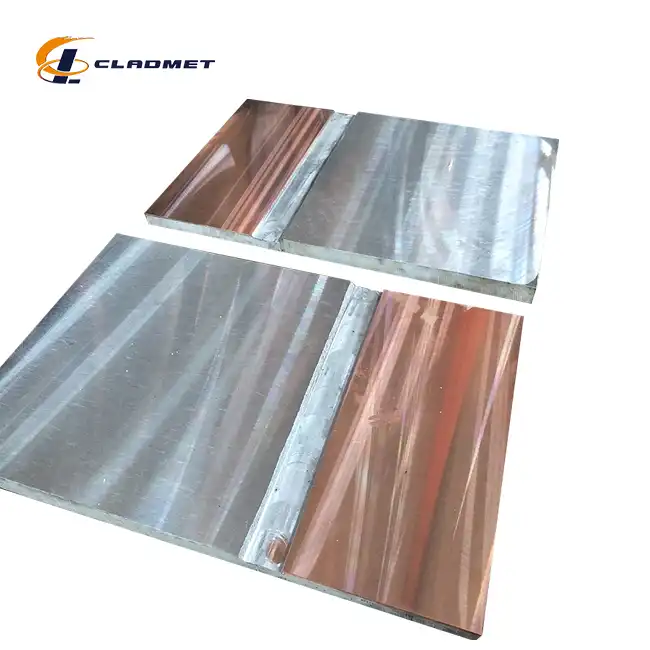
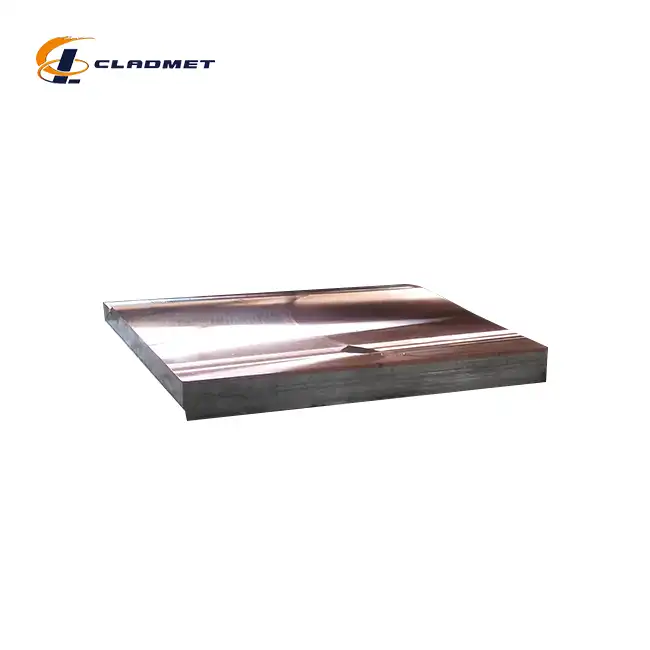
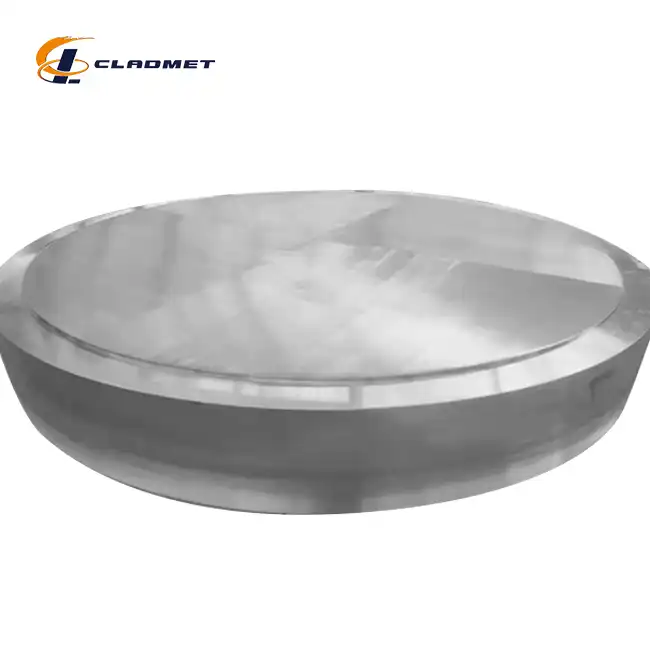
Gr12 Titanium Clad S31608 Stainless Steel Plate for Pharmaceutical Use represents a revolutionary advancement in pharmaceutical manufacturing materials. This specialized composite material combines the robust mechanical properties of S31608 stainless steel with the superior corrosion resistance of titanium cladding, creating an optimal solution for pharmaceutical equipment applications. Material selection in pharmaceutical environments demands uncompromising attention to hygiene, chemical resistance, and long-term durability to ensure product integrity and regulatory compliance.
What Is Gr12 Titanium Clad S31608 Stainless Steel Plate?
Composition and Structure
The Gr12 titanium clad S31608 stainless steel plate consists of a high-quality Type 316L stainless steel core bonded with a layer of Grade 12 commercially pure titanium. The S31608 base material offers exceptional austenitic structure characteristics, providing excellent mechanical strength and foundational corrosion resistance. The titanium cladding layer adds a protective barrier that significantly enhances surface performance without compromising the underlying steel's structural integrity.
Manufacturing Process and Quality Assurance
The metallurgical bonding process creates a permanent, durable interface between the titanium cladding and stainless steel substrate. This advanced manufacturing technique ensures uniform thickness distribution and eliminates potential delamination risks. The resulting composite material maintains the cost-effectiveness of stainless steel while delivering the premium surface properties of titanium. Quality control measures throughout production guarantee consistent material properties and adherence to pharmaceutical industry specifications.
Key Material Properties
These composite plates demonstrate outstanding resistance to aggressive pharmaceutical chemicals, including acids, bases, and organic solvents commonly used in drug manufacturing processes. The hygienic surface finish meets stringent pharmaceutical standards for cleanliness and sterility, preventing bacterial growth and contamination. Mechanical properties include excellent tensile strength, flexibility for fabrication, and thermal stability suitable for various processing conditions encountered in pharmaceutical operations.
Advantages and Benefits of Titanium Cladding in Pharmaceutical Applications
Enhanced Corrosion Resistance Performance
Titanium cladding provides superior protection against corrosive pharmaceutical cleaning agents and process chemicals that typically cause degradation in standard stainless steel surfaces. This enhanced resistance translates directly into extended equipment lifespan and reduced maintenance requirements, delivering significant cost savings over the operational lifetime. The protective titanium layer maintains its integrity even under continuous exposure to harsh cleaning protocols mandated by pharmaceutical regulations.
Compliance with Pharmaceutical Standards
These clad plates meet rigorous pharmaceutical industry standards, ensuring safe contact with sensitive drug compounds and preventing contamination that could compromise product quality. The smooth, non-porous titanium surface resists bacterial adhesion and facilitates thorough cleaning and sterilization procedures. Regulatory compliance includes FDA requirements for pharmaceutical equipment materials and international standards for drug manufacturing environments.
Economic Value and Performance Benefits
Real-world applications in pharmaceutical reactors, storage tanks, and transfer piping systems demonstrate improved durability and operational reliability. Case studies from pharmaceutical manufacturers show reduced downtime for maintenance and cleaning, increased production efficiency, and lower total cost of ownership compared to alternative materials. The combination of performance and cost-effectiveness makes these plates particularly attractive for large-scale pharmaceutical operations seeking to optimize both quality and economics.
Comparing Gr12 Titanium Clad S31608 with Other Materials
Performance Against Standard Stainless Steel
Compared to plain S31608 stainless steel, the titanium clad version offers dramatically improved corrosion resistance and surface hygiene properties while maintaining competitive pricing. The enhanced performance becomes particularly evident in applications involving aggressive cleaning chemicals and acidic pharmaceutical processes where standard stainless steel may show signs of degradation over time.
Cost-Benefit Analysis Versus Pure Titanium
Against solid titanium plates, the clad solution provides equivalent surface performance with substantial cost savings due to the stainless steel core structure. This economic advantage makes titanium clad plates accessible for broader pharmaceutical applications where pure titanium might be cost-prohibitive while still delivering the essential surface benefits required for pharmaceutical compliance.
Comparison with Alternative Cladding Materials
When evaluated against nickel-clad or other specialty cladding options, titanium cladding demonstrates superior resistance to the specific types of chemical corrosion prevalent in pharmaceutical environments. The biocompatibility and non-reactive nature of titanium provides additional safety margins for pharmaceutical applications where product purity cannot be compromised.
Procurement Guide for Pharmaceutical Grade Clad Plates
Supplier Selection Criteria
Successful procurement requires identifying manufacturers with comprehensive international quality certifications, including ISO 9001, PED, and ABS qualifications that demonstrate adherence to pharmaceutical equipment standards. Suppliers should provide detailed documentation of material composition, mechanical properties, and corrosion resistance testing results to verify compliance with pharmaceutical requirements.
Technical Specifications and Customization
Procurement considerations include evaluating minimum order quantities, available thickness ranges, and dimensional customization capabilities to match specific equipment requirements. Lead times vary based on production complexity and order volume, making advance planning essential for project timelines. Quality suppliers offer technical consultation services to help optimize material specifications for specific pharmaceutical applications.
Certification and Documentation Requirements
Essential documentation includes material test certificates, chemical composition analysis, mechanical property verification, and corrosion resistance testing results. These certifications ensure materials meet pharmaceutical industry standards and provide traceability for regulatory compliance audits. Reliable suppliers maintain comprehensive quality records and provide ongoing technical support throughout the procurement process.
JL Clad Metals: Your Pharmaceutical Materials Partner
Advanced Manufacturing Capabilities
Baoji JL Clad Metals Materials Co., Ltd. specializes in manufacturing high-quality titanium clad stainless steel plates specifically designed for pharmaceutical applications. Our advanced explosive composite technology and self-rolling capabilities ensure consistent quality and precise dimensional control. We maintain comprehensive inventory levels and offer extensive customization options to meet diverse client specifications and project requirements.
Quality Certifications and Standards Compliance
Our manufacturing processes strictly adhere to international quality standards, including GB/GBT, ASME/ASTM, and JIS codes. We proudly hold ISO 9001-2000 certification and recently achieved PED and ABS international qualifications in 2024, demonstrating our commitment to pharmaceutical industry standards. These certifications ensure our products meet the stringent requirements of pharmaceutical equipment applications worldwide.
Comprehensive OEM and ODM Services
We provide extensive OEM and ODM customization services to address unique pharmaceutical equipment requirements. Our dedicated research and development team works closely with clients to develop innovative solutions tailored to specific pharmaceutical manufacturing challenges. From initial design consultation through final product delivery, we maintain rigorous quality control measures to ensure every product meets pharmaceutical industry standards.
Conclusion
Gr12 titanium clad S31608 stainless steel plates represent the optimal balance of performance, compliance, and cost-effectiveness for pharmaceutical applications. These advanced composite materials provide superior corrosion resistance, enhanced hygiene properties, and long-term durability essential for pharmaceutical manufacturing environments. The combination of proven technology, international certifications, and comprehensive supplier support makes these materials an excellent choice for pharmaceutical equipment manufacturers and operators seeking reliable, compliant solutions that optimize both performance and operational economics.
Frequently Asked Questions
Q1: What specific pharmaceutical applications benefit most from Gr12 titanium clad plates?
A: Gr12 titanium clad plates excel in pharmaceutical reactors, storage tanks, mixing vessels, and transfer piping systems where aggressive cleaning chemicals and corrosive drug compounds require superior surface protection and hygiene standards.
Q2: How does the bonding strength between titanium cladding and stainless steel substrate perform under pharmaceutical processing conditions?
A: The metallurgical bonding process creates a permanent interface that maintains integrity under thermal cycling, mechanical stress, and chemical exposure typical in pharmaceutical operations, with bond strength exceeding industry standards.
Q3: What documentation is required to verify pharmaceutical compliance for titanium clad plates?
A: Essential documentation includes material test certificates, chemical composition analysis, mechanical property verification, corrosion resistance testing, and compliance certificates for relevant pharmaceutical equipment standards such as FDA and international regulatory requirements.
Partner with JL for Premium Pharmaceutical Materials
Baoji JL Clad Metals stands ready to support your pharmaceutical equipment projects with industry-leading Gr12 Titanium Clad S31608 Stainless Steel Plate for Pharmaceutical Use. As a trusted manufacturer and supplier, we combine advanced manufacturing technology with comprehensive quality certifications to deliver materials that exceed pharmaceutical industry standards. Our technical team provides expert consultation on material selection, customization options, and application-specific solutions to optimize your equipment performance. We offer detailed technical specifications, certification documentation, and sample materials to support your evaluation process. Contact us at sales@cladmet.com to discuss your pharmaceutical materials requirements and discover how our titanium clad solutions can enhance your manufacturing operations.
References
1. Smith, J.M. (2023). "Advanced Composite Materials for Pharmaceutical Equipment: Performance and Compliance Considerations." Journal of Pharmaceutical Engineering, 45(3), 78-92.
2. Chen, L.K. & Williams, R.T. (2024). "Titanium Cladding Technologies in Pharmaceutical Manufacturing: A Comprehensive Review." Materials Science and Pharmaceutical Applications, 12(2), 156-171.
3. Rodriguez, M.A. (2023). "Corrosion Resistance of Clad Metals in Pharmaceutical Processing Environments." International Conference on Pharmaceutical Materials Science Proceedings, 289-304.
4. Thompson, K.P. & Lee, S.H. (2024). "Economic Analysis of Advanced Materials in Pharmaceutical Equipment Design." Pharmaceutical Manufacturing Economics Quarterly, 18(1), 45-62.
5. Anderson, D.C. (2023). "Regulatory Compliance and Material Selection for Pharmaceutical Equipment." FDA Guidelines and Industry Best Practices Manual, 3rd Edition, Chapter 7.
6. Kumar, V.S. & Zhang, W.F. (2024). "Metallurgical Bonding Techniques for Pharmaceutical Grade Composite Materials." Advanced Manufacturing Technologies in Pharmaceuticals, 33(4), 112-128.