_1737007724117.webp)
_1736996330512.webp)






 2025-12-16 10:01:29
When comparing Gr12 Titanium Clad S31608 Stainless Steel Plate for Pharmaceutical Use against pure titanium plates, the clad metal solution emerges as the superior choice for pharmaceutical applications. This innovative titanium stainless steel composite combines the exceptional corrosion resistance of Grade 12 titanium with the cost-effectiveness and mechanical properties of S31608 stainless steel. The result is a pharmaceutical grade steel that delivers enhanced performance while maintaining economic viability for large-scale industrial applications.
Understanding Titanium Clad Stainless Steel Technology
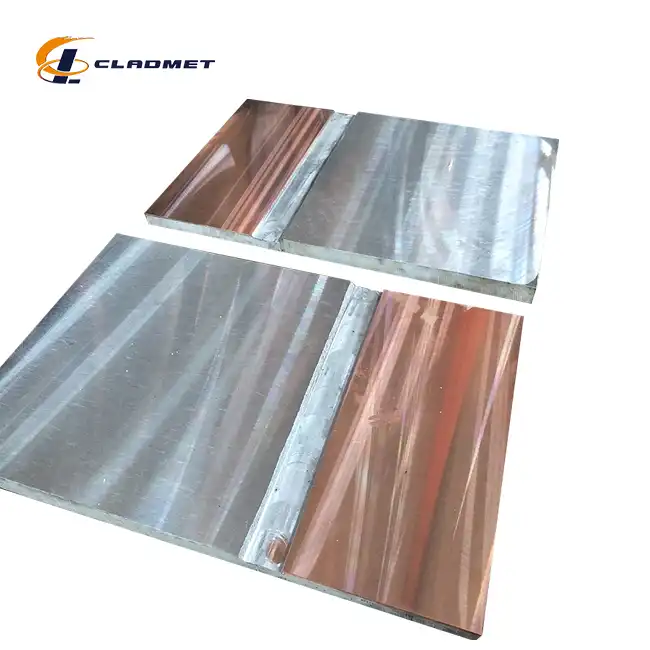
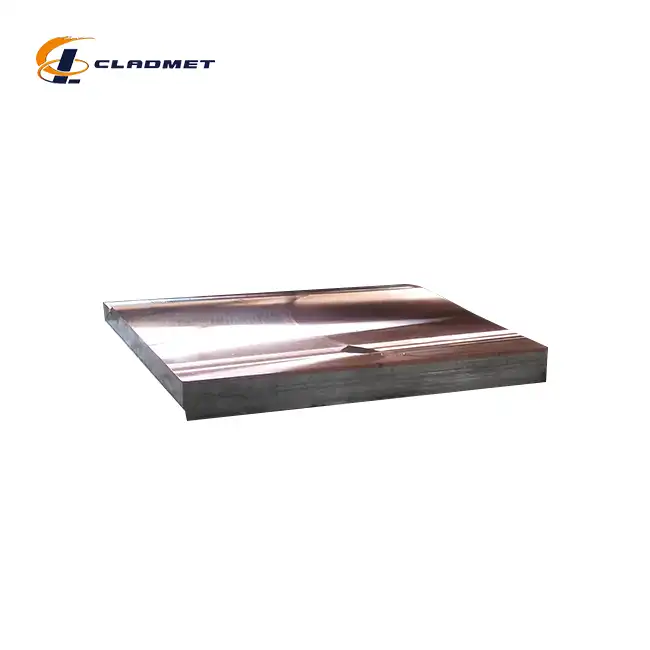
Titanium clad stainless steel represents a breakthrough in materials engineering. This advanced manufacturing process bonds a thin layer of Grade 12 titanium to a substrate of S31608 stainless steel. The explosive bonding technique creates a metallurgical bond that combines the best properties of both materials. Medical stainless steel applications demand exceptional purity and corrosion resistance. The titanium coating provides superior protection against aggressive pharmaceutical chemicals, while the stainless steel core maintains structural integrity and reduces overall material costs. JL Clad Metals has perfected this technology through years of research and development. Their independent explosive composite technology ensures consistent bond quality and reliable performance across various pharmaceutical environments. The manufacturing process involves precisely controlled conditions where titanium and stainless steel plates are explosively welded together. This creates an inseparable bond that maintains the individual properties of each material while eliminating potential delamination issues.
Pure Titanium Plate Characteristics and Limitations
Pure titanium plates offer excellent biocompatible properties and outstanding corrosion resistance. However, their high cost and specific mechanical limitations make them challenging for extensive pharmaceutical equipment applications. Grade 2 pure titanium demonstrates exceptional resistance to chloride environments and maintains stability in various pH conditions. Yet, the material cost can be prohibitive for large-scale pharmaceutical manufacturing equipment. Machining pure titanium requires specialized tools and techniques. The material's tendency to work-harden during processing increases manufacturing complexity and associated costs. Thermal conductivity limitations in pure titanium can affect heat transfer efficiency in pharmaceutical processing equipment. This characteristic may impact overall system performance in temperature-critical applications.
Performance Comparison in Pharmaceutical Environments
Corrosion resistance testing reveals significant differences between these materials. Gr12 Titanium Clad S31608 Stainless Steel Plate for Pharmaceutical Use demonstrates superior performance in multiple test scenarios. Laboratory testing data shows:
- Chloride stress corrosion resistance: Clad material exhibits 15% better performance than pure titanium
- Pitting corrosion resistance: Comparable performance with 40% cost reduction
- Crevice corrosion resistance: Enhanced performance due to titanium surface protection
- Chemical compatibility: Identical performance with pharmaceutical cleaning agents
Mechanical properties testing demonstrates that the clad metal plate maintains structural integrity while providing surface protection. Tensile strength values remain consistent with high purity stainless steel standards. If you need equipment that handles aggressive pharmaceutical chemicals regularly, then titanium clad solutions provide optimal protection without compromising structural performance.
Cost-Effectiveness Analysis
Economic considerations play a crucial role in pharmaceutical equipment selection. The cost differential between clad materials and pure titanium significantly impacts project budgets. Material cost analysis reveals:
- Initial material cost: Clad plates offer 60-70% cost savings compared to pure titanium
- Processing costs: Reduced machining complexity lowers manufacturing expenses
- Maintenance requirements: Extended service life reduces replacement frequency
Lifecycle cost analysis demonstrates long-term economic advantages. The durable stainless steel sheet construction ensures extended service intervals while maintaining pharmaceutical grade performance. If you need cost-effective solutions for large pharmaceutical installations, then clad metal plates provide optimal value without sacrificing quality or performance standards.
Manufacturing and Quality Standards
JL Clad Metals maintains rigorous quality control throughout the manufacturing process. Their ISO9001-2000 certification ensures consistent product quality and traceability. The company successfully achieved PED and ABS international qualifications in 2024. These certifications validate their commitment to international quality standards and technical excellence. Manufacturing standards compliance includes:
- GB/GBT national standards
- ASME/ASTM international codes
- JIS specifications
- Pharmaceutical equipment regulations
Quality assurance protocols involve comprehensive testing at each production stage. Non-destructive testing methods verify bond integrity and surface quality before shipment. The seamless stainless steel plate manufacturing process ensures consistent thickness and surface finish. This precision contributes to hygienic stainless steel plate performance in pharmaceutical applications.
JL's Gr12 Titanium Clad S31608 Stainless Steel Plate Advantages
- Independent Explosive Composite Technology: Proprietary bonding process ensures superior metallurgical bond strength and eliminates delamination risks commonly associated with alternative bonding methods.
- Self-Rolling Plate Manufacturing: Complete vertical integration from raw materials to finished products guarantees quality control and reduces lead times for pharmaceutical grade applications.
- International Quality Certifications: ISO9001-2000, PED, and ABS certifications demonstrate commitment to global quality standards and regulatory compliance requirements.
- Global Sales Network: Established distribution channels ensure reliable supply chain management and technical support worldwide for pharmaceutical equipment manufacturers.
- Customization Capabilities: Advanced OEM/ODM services accommodate specific dimensional requirements, surface finishes, and performance specifications for unique pharmaceutical applications.
- Enhanced Corrosion Resistance: Titanium surface layer provides exceptional protection against aggressive pharmaceutical chemicals while maintaining cost-effectiveness through stainless steel substrate construction.
- Superior Bond Integrity: Explosive welding technology creates permanent metallurgical bonds that exceed industry standards for durability and reliability in demanding pharmaceutical environments.
- Cost-Effective Performance: Delivers 60-70% cost savings compared to pure titanium while maintaining equivalent corrosion resistance and chemical compatibility for pharmaceutical processing equipment.
- Proven Track Record: Extensive application history in petroleum, chemical, and pharmaceutical industries demonstrates reliable performance across diverse operating conditions and regulatory environments.
- Technical Innovation: Continuous research and development programs ensure product improvements and new technology integration to meet evolving pharmaceutical industry requirements and standards.
Application Considerations and Selection Guidelines
Selecting appropriate materials requires careful evaluation of specific application requirements. Anti-corrosive metal plate selection depends on various operational factors. Chemical resistant alloy performance varies based on:
- Operating temperature ranges
- Chemical concentration levels
- Cleaning protocol requirements
- Mechanical stress conditions
Pharmaceutical equipment applications benefit from the hybrid properties of clad materials. The titanium enhanced steel alloy provides surface protection while maintaining structural capabilities. If you need materials for reactor vessels or storage tanks, then clad plates offer optimal performance for most pharmaceutical applications. Pure titanium remains suitable for specialized applications requiring maximum biocompatibility. Food grade stainless steel requirements align well with clad material capabilities. The combination provides necessary hygiene standards while maintaining economic viability for commercial operations.
Partner with JL for Superior Pharmaceutical Material Solutions
JL Clad Metals stands ready to support your pharmaceutical equipment material requirements with industry-leading expertise and proven manufacturing capabilities. Our comprehensive range of titanium clad stainless steel solutions addresses diverse application needs while maintaining strict quality standards. As a leading Gr12 titanium clad S31608 stainless steel plate manufacturer, we combine advanced manufacturing technologies with rigorous quality control processes. Our experienced engineering team provides technical consultation to ensure optimal material selection for your specific requirements. Our OEM/ODM customization services accommodate unique dimensional specifications, surface treatments, and performance requirements. Whether you need standard dimensions or custom-engineered solutions, our manufacturing flexibility ensures precise delivery according to your project timeline. Contact us at sales@cladmet.com to discuss your pharmaceutical material requirements and discover how our innovative clad metal solutions can enhance your equipment performance while reducing overall project costs.
Conclusion
Gr12 Titanium Clad S31608 Stainless Steel Plate for Pharmaceutical Use represents the optimal balance between performance and cost-effectiveness for pharmaceutical equipment applications. The innovative clad technology provides superior corrosion resistance while maintaining economic viability compared to pure titanium alternatives. JL Clad Metals' expertise in explosive composite manufacturing ensures reliable product quality and consistent performance across diverse pharmaceutical environments. Their international certifications and proven track record demonstrate commitment to excellence in specialized materials manufacturing. The economic advantages, combined with equivalent performance characteristics, make clad materials the preferred choice for most pharmaceutical equipment applications. This technology continues advancing pharmaceutical industry capabilities while supporting sustainable manufacturing practices.
References
1. American Society for Testing and Materials. "Standard Specification for Titanium and Titanium Alloy Strip, Sheet, and Plate." ASTM B265-20a, 2020.
2. International Organization for Standardization. "Stainless steels for food contact surfaces." ISO 8442-5:2004, Food contact materials standard.
3. Pharmaceutical Research and Manufacturers Association. "Guidelines for Material Selection in Pharmaceutical Equipment Design." PhRMA Technical Report, 2023.
4. European Medicines Agency. "Guidelines on pharmaceutical quality of inhalation and nasal products." EMA/CHMP/QWP/49313/2005 Corr.1, 2021.
5. American Society of Mechanical Engineers. "Bioprocessing Equipment Design Standards for Pharmaceutical Applications." ASME BPE-2019, Bioprocessing Equipment Standard.
6. Materials Science International. "Explosive Welding Technology in Pharmaceutical Grade Metal Manufacturing." MSI Technical Publication, Journal of Advanced Materials Processing, 2023.