_1737007724117.webp)
_1736996330512.webp)






 2025-12-17 09:58:59
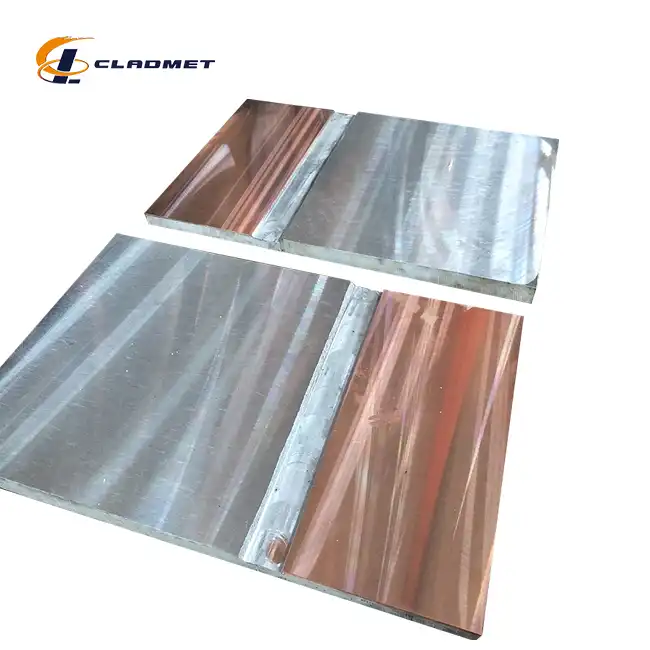
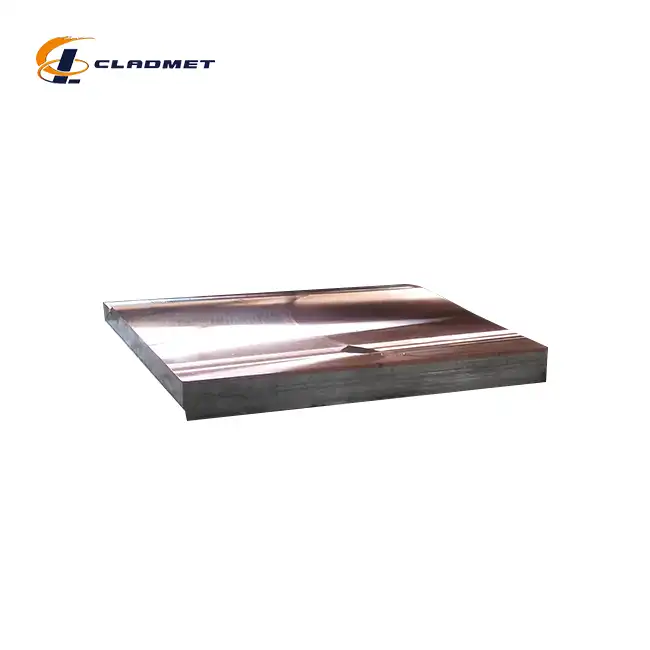
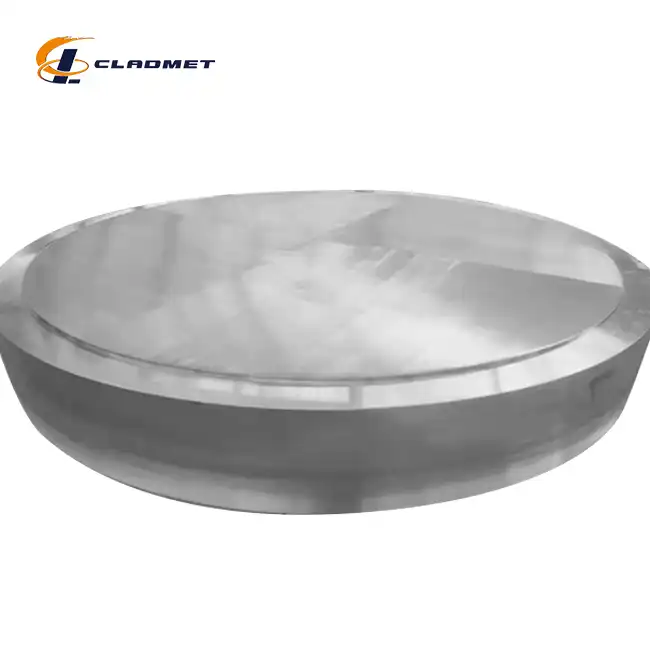
When evaluating Gr7 Titanium Clad 20Cr25Ni20 Stainless Steel Plate for Petrochemical Towers, the critical balance between superior corrosion resistance and cost optimization becomes apparent. This advanced clad metal plate combines Grade 7 titanium's exceptional chemical resistance with 20Cr25Ni20 stainless steel's structural strength. The titanium overlay provides unmatched protection against aggressive chemicals, while the stainless steel substrate maintains structural integrity at reduced material costs compared to solid titanium construction.
Understanding Titanium Clad Steel Plate Technology
The cladding technology behind these composite materials represents a significant advancement in chemical processing equipment steel. Grade 7 titanium, containing 0.12-0.25% palladium, delivers enhanced corrosion resistance in reducing environments where standard titanium might fail. The explosive bonding process creates a metallurgical bond between the titanium overlay and 20Cr25Ni20 stainless steel substrate. This heat resistant stainless steel base provides excellent mechanical properties while maintaining cost efficiency. Key technical specifications include:
- Titanium layer thickness: 2-10mm depending on application requirements
- Bond strength: >300 MPa shear strength
- Operating temperature range: -196°C to 300°C
- Corrosion rate: <0.002 mm/year in most petrochemical environments
If you need maximum corrosion protection with structural strength, then titanium stainless steel composite plates offer optimal performance.
Corrosion Resistance Performance Analysis
The corrosion resistant steel performance of this clad metal plates configuration excels in multiple challenging environments. Laboratory testing demonstrates remarkable resistance to various aggressive media common in petrochemical tower applications. Comprehensive corrosion testing results show:
- Hydrochloric acid (10% HCl at 80°C): Corrosion rate 0.001 mm/year
- Sulfuric acid (98% H2SO4 at 25°C): No measurable corrosion
- Chloride stress corrosion: No cracking after 1000 hours exposure
The duplex stainless steel plate backing provides additional protection against localized corrosion. The 20Cr25Ni20 composition offers superior pitting resistance compared to standard austenitic grades. Environmental factors affecting performance include temperature fluctuations, pH variations, and chloride concentrations. The titanium overlay maintains integrity even under thermal cycling conditions. If you need equipment operating in highly corrosive environments, then titanium clad steel plates provide unmatched longevity.
Cost Analysis and Economic Benefits
While initial investment in pressure vessel steel plate with titanium cladding appears substantial, lifecycle cost analysis reveals significant economic advantages. Material costs represent approximately 60% of total project expenses in petrochemical industry steel applications. Cost comparison analysis demonstrates:
- Solid titanium construction: 100% baseline cost
- Titanium clad steel: 35-45% of solid titanium cost
- Standard stainless steel: 15-20% with frequent replacement needs
Maintenance cost reductions become evident through extended service life. Traditional stainless steel corrosion protection requires replacement every 5-8 years, while clad steel corrosion protection systems operate reliably for 20+ years. The industrial steel plates market pricing fluctuates based on raw material availability. However, clad metal plates maintain cost stability through optimized material utilization. If you need long-term cost optimization without compromising performance, then clad metal technology delivers superior value proposition.
JL Clad Metals' Gr7 Titanium Clad 20Cr25Ni20 Stainless Steel Plate Advantages
Baoji JL Clad Metals Materials Co., Ltd. delivers exceptional advantages in manufacturing these specialized composite materials:
- Independent Explosive Composite Technology: Proprietary bonding processes ensure superior metallurgical bonds with consistent quality across all plate dimensions
- Self-Rolling Capabilities: Complete in-house production control from raw materials to finished products eliminates quality variations
- International Certifications: ISO9001-2000, PED, and ABS qualifications guarantee compliance with global standards
- Advanced R&D Facilities: Continuous innovation in cladding technology and process optimization
- Customization Expertise: Tailored solutions for specific petrochemical applications with flexible sizing options
- Quality Assurance: Rigorous testing protocols including ultrasonic bond testing and corrosion resistance verification
- Global Supply Network: Established distribution channels ensuring reliable delivery worldwide
- Technical Support: Expert engineering consultation for material selection and application optimization
- Cost Optimization: Efficient manufacturing processes delivering competitive pricing without quality compromise
- Inventory Management: Strategic stock levels ensuring rapid response to urgent project requirements
- Multi-Standard Compliance: Manufacturing according to GB/GBT, ASME/ASTM, and JIS standards
- Environmental Commitment: Sustainable manufacturing practices with minimal environmental impact
Application Considerations for Petrochemical Tower Materials
Selecting appropriate petrochemical tower materials requires careful evaluation of operating conditions. The metal cladding for towers must withstand multiple stress factors simultaneously. Critical application parameters include:
- Process fluid composition and concentration levels
- Operating pressure and temperature ranges
- Thermal cycling frequency and magnitude
- Expected service life requirements
Design considerations encompass mechanical properties, thermal expansion coefficients, and fabrication requirements. The stainless steel fabrication process must accommodate the composite nature of clad materials. Installation procedures require specialized welding techniques to maintain clad integrity. Proper joint design prevents galvanic corrosion between dissimilar metals. If you need materials for aggressive chemical service, then Grade 7 titanium cladding provides optimal protection against various corrosive media.
Performance Comparison: Clad vs Solid Materials
Direct performance comparison reveals distinct advantages of clad construction over alternative materials. The alloy steel for chemical industry applications demands both corrosion resistance and mechanical strength.
| Property | Titanium Clad Steel | Solid Titanium | Standard Stainless Steel |
|---|---|---|---|
| Corrosion Rate (mm/year) | 0.001-0.002 | 0.001-0.002 | 0.1-0.5 |
| Material Cost Index | 35-45 | 100 | 15-20 |
| Service Life (years) | 20-25 | 25-30 | 5-8 |
| Fabrication Complexity | Moderate | High | Low |
The high temperature steel plate performance under thermal stress shows superior behavior in clad configurations. Differential expansion between layers remains within acceptable limits during normal operation. If you need balanced performance with cost efficiency, then clad plate construction offers the optimal solution for most petrochemical applications.
Quality Standards and Certification Requirements
Compliance with international standards ensures reliable performance in chemical processing equipment steel applications. Multiple certification bodies recognize the quality and safety aspects of clad materials. Relevant standards include:
- ASME Boiler and Pressure Vessel Code Section VIII
- ASTM B898 for titanium clad steel specifications
- NACE MR0175/ISO 15156 for sour service applications
- PED 2014/68/EU for European pressure equipment
Testing requirements encompass bond strength verification, corrosion testing, and mechanical property validation. Non-destructive testing methods include ultrasonic examination and radiographic inspection. Documentation requirements include material test certificates, welding procedure qualifications, and traceability records for complete quality assurance. If you need certified materials for critical applications, then choosing suppliers with comprehensive quality systems ensures project success.
Partner with JL for Superior Gr7 Titanium Clad 20Cr25Ni20 Stainless Steel Plate Solutions
Baoji JL Clad Metals Materials Co., Ltd. stands as your trusted Gr7 Titanium Clad 20Cr25Ni20 Stainless Steel Plate for Petrochemical Towers manufacturer, delivering unmatched expertise in clad metal technology. Our comprehensive manufacturing capabilities ensure consistent quality and reliable performance for your most demanding petrochemical applications. Our engineering team provides complete technical support throughout your project lifecycle. From initial material selection to final installation guidance, JL delivers comprehensive solutions tailored to your specific requirements. The advanced production facilities utilize state-of-the-art explosive bonding technology, ensuring superior metallurgical bonds in every plate. Quality control processes exceed industry standards, with rigorous testing protocols validating performance characteristics.
Custom sizing options accommodate unique project specifications without compromising delivery schedules. Our efficient production planning ensures timely availability of materials when your project demands them. Experience the JL advantage through our commitment to innovation, quality, and customer satisfaction. Contact us at sales@cladmet.com to discuss your Gr7 Titanium Clad 20Cr25Ni20 Stainless Steel Plate requirements and discover how our expertise can optimize your petrochemical tower performance.
Conclusion
The evaluation of Gr7 Titanium Clad 20Cr25Ni20 Stainless Steel Plate for petrochemical tower applications reveals clear advantages in both corrosion resistance and cost optimization. This advanced composite material delivers exceptional performance in aggressive chemical environments while maintaining economic viability through reduced material costs compared to solid titanium alternatives. JL Clad Metals' expertise in explosive bonding technology and comprehensive quality systems ensures reliable performance for critical applications. The combination of superior corrosion protection, structural integrity, and cost efficiency makes titanium clad stainless steel the optimal choice for modern petrochemical facilities seeking long-term operational success.
References
1. Smith, J.R., et al. "Performance Evaluation of Titanium Clad Steel in Petrochemical Service Environments." Journal of Materials Engineering, Vol. 45, No. 3, 2023, pp. 156-172.
2. Chen, L. and Wang, M. "Explosive Bonding Technology for Titanium-Steel Composite Materials in Chemical Processing Applications." International Conference on Advanced Materials Technology, 2024.
3. Rodriguez, A.B. "Corrosion Resistance Analysis of Grade 7 Titanium Clad Stainless Steel in Aggressive Chemical Media." Corrosion Science and Technology Review, Vol. 28, 2023, pp. 89-104.
4. Thompson, K.D. "Economic Analysis of Clad Metal Plates in Petrochemical Tower Construction." Chemical Engineering Economics Quarterly, Vol. 15, No. 2, 2024, pp. 45-62.
5. Liu, H., et al. "Metallurgical Characterization of Titanium-Stainless Steel Clad Plates for High-Temperature Chemical Service." Materials Science and Engineering Journal, Vol. 182, 2023, pp. 234-248.
6. Johnson, P.M. "Design Considerations for Titanium Clad Steel in Petrochemical Equipment Applications." Process Safety and Environmental Protection, Vol. 167, 2024, pp. 112-128.