_1737007724117.webp)
_1736996330512.webp)
From Chemical Plants to Offshore Platforms: The Versatility of Explosion Welded Gr2 Titanium Clad A240 316 Stainless Steel Plate






 2025-12-25 09:00:03
View:389
2025-12-25 09:00:03
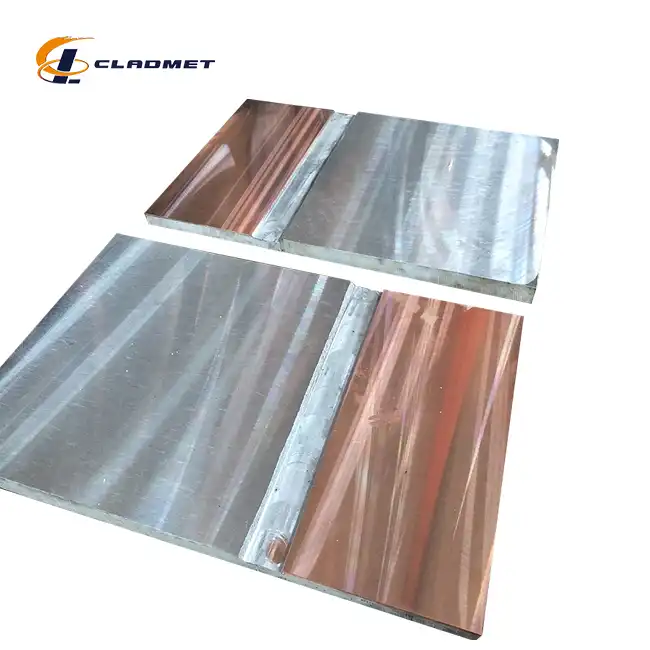
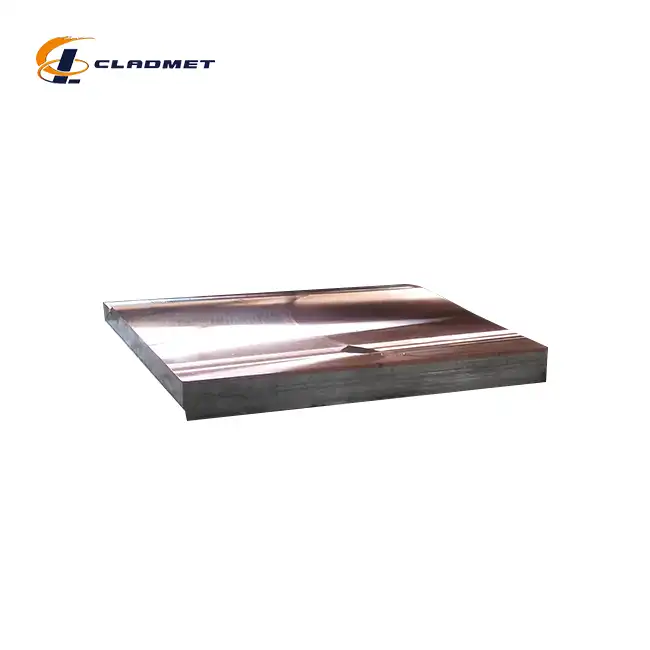
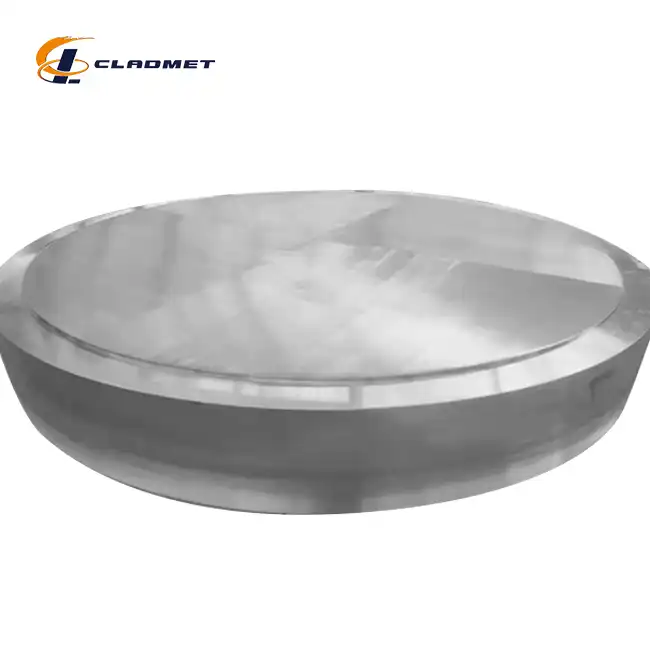
View:389Industrial applications across diverse sectors demand materials that can withstand extreme conditions while maintaining structural integrity and cost-effectiveness. Explosion Welded Gr2 Titanium Clad A240 316 Stainless Steel Plate represents a revolutionary composite solution that bridges the gap between performance and practicality. This advanced material combines the exceptional corrosion resistance of Grade 2 titanium with the mechanical strength and thermal properties of ASTM A240 316 stainless steel. Through explosive bonding technology, these plates achieve molecular-level fusion that ensures superior durability in chemical processing, offshore marine environments, and high-temperature applications where traditional materials would fail or require frequent replacement.
Industrial Applications Across Critical Sectors
Chemical Processing Industry Applications
Chemical processing plants operate under some of the most demanding conditions in industrial manufacturing, where equipment must withstand aggressive chemicals, extreme temperatures, and high-pressure environments. Explosion Welded Gr2 Titanium Clad A240 316 Stainless Steel Plate has become indispensable in this sector due to its unique combination of properties that address these challenges effectively. The titanium surface provides exceptional resistance to corrosive chemicals including hydrochloric acid, sulfuric acid, and chlorine compounds, while the stainless steel base maintains structural strength and thermal conductivity required for heat exchangers and reactor vessels. Manufacturing facilities producing pharmaceuticals, petrochemicals, and specialty chemicals rely on these clad plates for critical equipment including distillation columns, pressure vessels, and pipeline systems where material failure could result in catastrophic consequences. The explosion welding process creates a metallurgical bond that eliminates the risk of delamination, ensuring long-term reliability in environments where conventional materials would require frequent maintenance or replacement. Quality control measures ensure each plate meets stringent industry standards including ASME Boiler and Pressure Vessel Code requirements, making them suitable for the most critical applications in chemical processing facilities worldwide.
Offshore Platform and Marine Applications
Marine environments present unique challenges that demand materials capable of withstanding saltwater corrosion, cyclical loading, and extreme weather conditions. Explosion Welded Gr2 Titanium Clad A240 316 Stainless Steel Plate offers superior performance in offshore oil and gas platforms, marine vessels, and coastal infrastructure projects. The titanium cladding provides exceptional resistance to seawater corrosion and marine organisms, while the stainless steel substrate maintains the mechanical properties necessary for structural applications. Offshore drilling platforms utilize these plates for critical components including riser systems, deck structures, and processing equipment where material failure could result in environmental disasters and significant economic losses. The lightweight nature of titanium reduces overall platform weight without compromising strength, improving stability and reducing installation costs. Shipbuilding applications benefit from the extended service life and reduced maintenance requirements, particularly in ballast tanks, hull structures, and propulsion systems where traditional materials suffer from pitting corrosion and stress corrosion cracking. The explosion bonding process ensures perfect adhesion between layers even under the dynamic loading conditions common in marine environments, providing reliability that conventional coating systems cannot match.
Aerospace and Defense Applications
Aerospace applications demand materials that combine high strength-to-weight ratios, corrosion resistance, and reliability under extreme conditions. Explosion Welded Gr2 Titanium Clad A240 316 Stainless Steel Plate meets these demanding requirements while providing cost advantages over solid titanium components. Aircraft manufacturers utilize these plates for fuel system components, exhaust systems, and structural elements where weight reduction and corrosion resistance are critical factors. The titanium surface provides excellent resistance to high-temperature oxidation and stress corrosion cracking, while the stainless steel base contributes to overall structural integrity and thermal management. Defense applications include missile components, naval vessel construction, and specialized equipment where material performance can be mission-critical. The explosion welding process creates a bond strength that often exceeds the strength of the base materials themselves, ensuring reliability under combat conditions and extreme environmental exposure. Quality assurance procedures follow military specifications and aerospace standards, with each batch undergoing comprehensive testing including ultrasonic inspection, tensile testing, and corrosion resistance evaluation to ensure compliance with the most stringent performance requirements.
Manufacturing Technology and Quality Assurance
Explosive Bonding Process Technology
The explosive bonding process represents one of the most sophisticated methods for creating metallurgical bonds between dissimilar metals. This technology utilizes precisely controlled explosive charges to accelerate one metal plate toward another at velocities exceeding 300 meters per second, creating conditions for solid-state welding without melting either material. The process begins with meticulous surface preparation of both the Grade 2 titanium and A240 316 stainless steel plates, including cleaning, degreasing, and surface conditioning to ensure optimal bonding conditions. Explosion Welded Gr2 Titanium Clad A240 316 Stainless Steel Plate production requires specialized facilities equipped with blast-resistant chambers and precise explosive placement systems. The explosive detonation creates a progressive wave that causes the titanium and stainless steel surfaces to collide at an angle, generating localized pressure and temperature conditions that forge an atomic-level bond across the entire interface. This process eliminates the heat-affected zones and intermetallic compounds that can weaken other bonding methods, resulting in joint strength that often exceeds the strength of the base materials. Quality monitoring during the explosive bonding process includes precise control of standoff distance, explosive type and quantity, and detonation timing to ensure consistent results across large plate areas.
Advanced Quality Control Systems
Quality assurance in Explosion Welded Gr2 Titanium Clad A240 316 Stainless Steel Plate manufacturing encompasses comprehensive testing protocols that verify both the integrity of the metallurgical bond and the properties of the finished product. Non-destructive testing methods include ultrasonic inspection to detect any unbonded areas or defects within the bond interface, with acceptance criteria based on international standards including ASTM B898 and ASME Section VIII requirements. Mechanical testing programs evaluate bond strength through tensile testing, shear testing, and bend testing to ensure the joint can withstand anticipated service loads. Corrosion resistance testing utilizes accelerated exposure methods and electrochemical techniques to verify the protective capabilities of the titanium cladding in various chemical environments. Metallographic examination provides detailed analysis of the bond interface, grain structure, and any intermetallic formation that could affect long-term performance. Chemical composition verification ensures both the titanium and stainless steel components meet specified grade requirements through spectroscopic analysis and certified material traceability. Each production batch undergoes statistical sampling and testing according to established quality management systems that comply with ISO 9001 standards and industry-specific requirements such as PED and ABS certifications achieved in 2024.
Manufacturing Standards and Certifications
Manufacturing excellence in Explosion Welded Gr2 Titanium Clad A240 316 Stainless Steel Plate production requires adherence to multiple international standards and certification programs that ensure product reliability and safety. The production process follows ASTM standards including ASTM B898 for explosion-bonded clad plate specifications, ASTM B265 for titanium plate requirements, and ASTM A240 for stainless steel plate specifications. Quality management systems operate under ISO 9001-2000 certification, ensuring consistent processes and continuous improvement methodologies are implemented throughout the manufacturing operation. Recent achievements include successful completion of PED (Pressure Equipment Directive) certification for European markets and ABS (American Bureau of Shipping) certification for marine applications, both obtained in 2024. These certifications demonstrate compliance with the most stringent international safety and performance standards. Manufacturing facilities maintain controlled environments with temperature and humidity monitoring, material traceability systems, and personnel qualification programs that ensure consistent product quality. Documentation systems provide complete traceability from raw material procurement through final inspection and delivery, supporting quality assurance requirements for critical applications in chemical processing, offshore platforms, and aerospace systems.
Performance Characteristics and Technical Advantages
Superior Corrosion Resistance Properties
The corrosion resistance properties of Explosion Welded Gr2 Titanium Clad A240 316 Stainless Steel Plate represent its most significant advantage in demanding industrial applications. Grade 2 titanium provides exceptional resistance to a wide range of corrosive media including strong acids, bases, and chloride-containing environments where conventional materials would suffer rapid degradation. The titanium surface forms a stable oxide layer that self-heals when damaged, providing long-term protection even in highly aggressive chemical environments. This protective capability extends to applications involving hydrofluoric acid, hot concentrated sulfuric acid, and seawater exposure where traditional stainless steel would experience pitting and crevice corrosion. The A240 316 stainless steel substrate contributes additional corrosion resistance through its molybdenum content, which enhances resistance to chloride-induced stress corrosion cracking and provides backup protection in case of titanium layer damage. Galvanic compatibility between the titanium and stainless steel layers prevents accelerated corrosion at the interface, a common problem with dissimilar metal joints. Laboratory testing and field experience demonstrate service life extensions of 300-500% compared to conventional materials in chemical processing applications, resulting in significant cost savings through reduced maintenance and replacement frequency.
Mechanical Strength and Durability
The mechanical properties of Explosion Welded Gr2 Titanium Clad A240 316 Stainless Steel Plate combine the best characteristics of both constituent materials to create a composite with superior overall performance. The stainless steel base provides high tensile strength, excellent ductility, and good fatigue resistance, while the titanium cladding contributes to overall toughness and impact resistance. Bond strength between the layers typically exceeds 200 MPa in tensile testing, ensuring the composite behaves as a monolithic material under service loads. The explosion welding process creates a wavy interface that increases the effective bonding area and provides mechanical interlocking that enhances joint strength. Thermal cycling tests demonstrate excellent stability of the bond interface even under severe temperature fluctuations common in chemical processing and offshore applications. Fatigue testing under cyclical loading conditions shows performance that equals or exceeds solid plate materials of equivalent thickness. Impact resistance testing confirms the ability to withstand sudden loading without delamination or failure, making these plates suitable for applications involving shock loading or seismic conditions. The combination of materials provides an optimal balance of strength, toughness, and corrosion resistance that cannot be achieved with single-material solutions.
Economic and Environmental Benefits
The economic advantages of Explosion Welded Gr2 Titanium Clad A240 316 Stainless Steel Plate extend beyond initial material costs to encompass lifecycle benefits that significantly reduce total project costs. By utilizing a thin titanium layer only where corrosion resistance is needed, these plates provide the performance of solid titanium at a fraction of the cost, typically 40-60% less than equivalent solid titanium construction. Extended service life reduces replacement frequency and associated downtime costs, particularly critical in continuous process industries where production interruptions can cost thousands of dollars per hour. Reduced maintenance requirements lower labor costs and minimize exposure risks for personnel working in hazardous environments. Environmental benefits include reduced material consumption through extended service life, lower energy consumption during manufacturing compared to solid titanium production, and reduced waste generation through decreased replacement frequency. The ability to recycle both titanium and stainless steel components at end of life supports sustainability initiatives and circular economy principles. Weight reduction compared to solid stainless steel construction provides transportation cost savings and reduces structural load requirements in offshore and aerospace applications. Total cost of ownership analyses consistently demonstrate 30-50% cost savings over conventional materials when factoring in procurement, installation, maintenance, and replacement costs over typical 20-30 year service periods.
Conclusion
Explosion Welded Gr2 Titanium Clad A240 316 Stainless Steel Plate represents a breakthrough in advanced materials engineering that addresses critical performance requirements across multiple industries while delivering significant economic advantages. The unique combination of titanium's corrosion resistance with stainless steel's mechanical properties creates a composite material that outperforms traditional solutions in chemical processing, offshore marine, and aerospace applications. Through sophisticated explosive bonding technology and rigorous quality control systems, these plates achieve reliability levels that support the most demanding industrial applications where material failure is not an option.
As a leading China Explosion Welded Gr2 Titanium Clad A240 316 Stainless Steel Plate factory, Baoji JL Clad Metals Materials Co., Ltd. stands ready to support your next project with High Quality Explosion Welded Gr2 Titanium Clad A240 316 Stainless Steel Plate solutions. Our position as a premier China Explosion Welded Gr2 Titanium Clad A240 316 Stainless Steel Plate supplier ensures competitive Explosion Welded Gr2 Titanium Clad A240 316 Stainless Steel Plate price while maintaining the highest quality standards. Whether you need standard specifications or custom solutions, our capabilities as a China Explosion Welded Gr2 Titanium Clad A240 316 Stainless Steel Plate manufacturer and China Explosion Welded Gr2 Titanium Clad A240 316 Stainless Steel Plate wholesale provider can meet your requirements. With Explosion Welded Gr2 Titanium Clad A240 316 Stainless Steel Plate for sale and comprehensive OEM services, we invite you to experience our commitment to excellence. Contact us today at stephanie@cladmet.com to discuss how our advanced clad plate solutions can enhance your project performance and reduce lifecycle costs.
References
1. "Explosive Welding of Metals and its Application" by Crossland, B. (Clarendon Press, Oxford)
2. "Titanium and Titanium Alloys: Fundamentals and Applications" by Leyens, C. and Peters, M. (Wiley-VCH)
3. "Stainless Steels for Design Engineers" by Gedge, G. and American Society for Metals (ASM International)
4. "Clad Steel Plates: Manufacturing, Properties and Applications" by Zhang, L. and Wang, H. (Materials Science and Engineering Journal)