_1737007724117.webp)
_1736996330512.webp)
Clad Steel Plate For Pressure Vessels






 2025-12-03 11:06:29
View:389
2025-12-03 11:06:29
View:389When pressure vessel failures occur due to corrosion-related catastrophic breakdowns, the devastating consequences include production shutdowns, environmental hazards, and significant financial losses. Industries facing extreme operational conditions desperately need reliable solutions that combine structural integrity with superior corrosion resistance. ASTM B898 Titanium Clad Stainless Steel Plate emerges as the definitive answer to these critical challenges, offering unmatched performance in the most demanding pressure vessel applications where traditional materials simply cannot withstand the test of time.
Understanding ASTM B898 Titanium Clad Stainless Steel Plate Technology
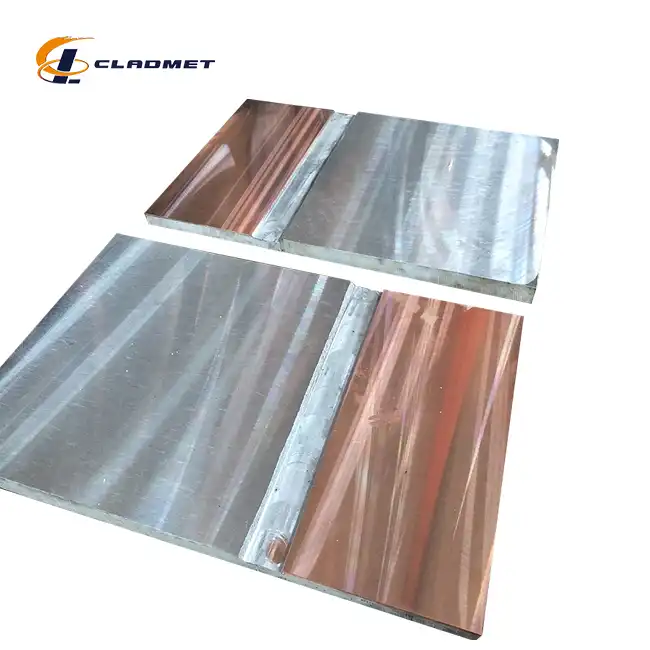
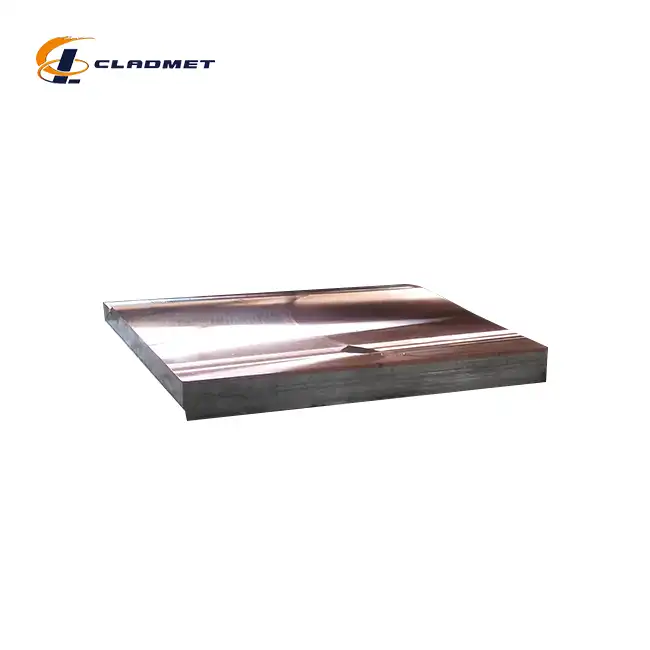
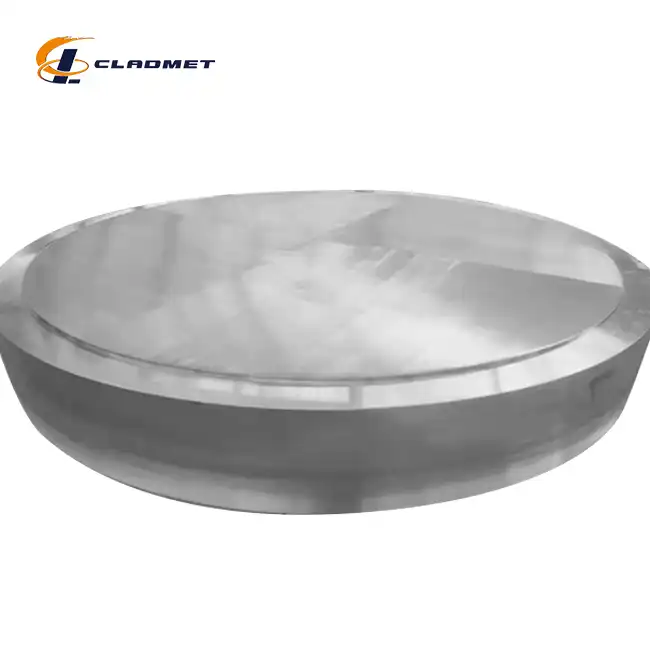
The evolution of pressure vessel technology has led to the development of sophisticated composite materials that address the dual requirements of mechanical strength and corrosion resistance. ASTM B898 Titanium Clad Stainless Steel Plate represents a breakthrough in material engineering, combining the exceptional properties of titanium with the structural reliability of stainless steel through advanced bonding techniques. This innovative composite material consists of a titanium cladding layer metallurgically bonded to a stainless steel substrate, creating a hybrid structure that leverages the unique advantages of both metals. The ASTM B898 standard specifically governs the manufacturing, testing, and quality control procedures for these specialized plates, ensuring consistent performance across various industrial applications.
-
Manufacturing Excellence Through Advanced Bonding Processes
The production of ASTM B898 Titanium Clad Stainless Steel Plate involves sophisticated metallurgical processes that create permanent bonds between dissimilar metals. Explosive bonding technology represents the most advanced method for achieving these metallurgical connections, utilizing controlled detonation forces to create atomic-level bonding between titanium and stainless steel layers. During the explosive bonding process, precisely calculated explosive charges generate high-velocity impacts that cause the metals to collide at tremendous speeds, creating wavy interfaces that mechanically and metallurgically lock the materials together. This process eliminates the need for intermediate bonding agents while ensuring superior bond strength that exceeds the weaker material's properties. Cold rolling processes offer an alternative manufacturing approach for specific applications requiring thinner gauge ASTM B898 Titanium Clad Stainless Steel Plate configurations. This mechanical bonding method applies controlled pressure through precision rollers, gradually building interfacial bonding strength through repeated passes and carefully managed temperature conditions.
-
Technical Specifications and Material Properties
ASTM B898 Titanium Clad Stainless Steel Plate specifications encompass comprehensive parameters that define material composition, dimensional tolerances, mechanical properties, and performance characteristics. The titanium cladding typically ranges from Grade 1 to Grade 5 titanium, each offering specific advantages for different operational environments and performance requirements. Base material options include various stainless steel grades, with 304 and 316 stainless steels being the most commonly specified substrates. These selections provide optimal combinations of corrosion resistance, mechanical strength, and fabrication characteristics essential for pressure vessel construction and operation. Thickness specifications for ASTM B898 Titanium Clad Stainless Steel Plate range from 1mm to 100mm total thickness, with cladding ratios typically maintained between 10% to 20% of total plate thickness. Maximum dimensional capabilities extend up to 12,000mm in length and 3,000mm in width, accommodating large-scale pressure vessel fabrication requirements.
Critical Applications in Pressure Vessel Manufacturing
The demanding operational environments encountered in modern industrial processes require materials that can withstand extreme conditions while maintaining structural integrity over extended service periods. ASTM B898 Titanium Clad Stainless Steel Plate excels in these challenging applications, providing reliable performance where conventional materials fail.
-
Chemical Processing Industry Requirements
Chemical processing facilities subject pressure vessels to highly corrosive environments containing acids, alkalis, and other aggressive chemicals that rapidly degrade standard materials. The titanium cladding layer in ASTM B898 Titanium Clad Stainless Steel Plate provides exceptional resistance to chemical attack, while the stainless steel substrate maintains the structural strength required for pressure containment. Reactor vessels, distillation columns, and heat exchangers benefit significantly from the corrosion resistance properties of titanium cladding combined with the cost-effectiveness of stainless steel construction. This material combination enables extended service life, reduced maintenance requirements, and improved operational reliability in demanding chemical processing applications. Temperature cycling, pressure fluctuations, and chemical exposure create complex stress patterns that challenge material performance in chemical processing environments. ASTM B898 Titanium Clad Stainless Steel Plate demonstrates superior fatigue resistance and thermal stability, maintaining bond integrity under these demanding operational conditions.
-
Marine and Offshore Applications
Marine environments present unique challenges for pressure vessel materials due to the presence of chlorides, sulfates, and other corrosive elements found in seawater and marine atmospheres. Titanium's exceptional resistance to seawater corrosion makes ASTM B898 Titanium Clad Stainless Steel Plate ideal for offshore platform equipment, subsea processing systems, and marine vessel pressure vessels. Ballast water treatment systems, seawater desalination plants, and offshore drilling operations rely on pressure vessels that must maintain integrity despite constant exposure to harsh marine conditions. The combination of titanium's corrosion resistance and stainless steel's structural properties provides optimal performance for these critical applications. Platform-based processing equipment encounters both marine corrosion and high-pressure operational requirements simultaneously. ASTM B898 Titanium Clad Stainless Steel Plate addresses these dual challenges, offering long-term reliability in environments where material failure could result in catastrophic consequences.
-
Aerospace and Defense Applications
Aerospace applications demand materials that combine lightweight characteristics with exceptional strength and corrosion resistance properties. ASTM B898 Titanium Clad Stainless Steel Plate provides an optimal balance of these requirements, enabling the construction of pressure vessels for aircraft fuel systems, hydraulic accumulators, and space-based applications. High-altitude environments expose materials to extreme temperature variations, radiation, and atmospheric conditions that challenge conventional materials. The titanium cladding provides protection against environmental degradation while the stainless steel substrate maintains structural integrity under varying stress conditions. Weight considerations play crucial roles in aerospace applications, where every gram affects performance and efficiency. ASTM B898 Titanium Clad Stainless Steel Plate offers superior strength-to-weight ratios compared to solid titanium construction while providing equivalent corrosion resistance and performance characteristics.
Advanced Quality Control and Testing Protocols
Manufacturing excellence in ASTM B898 Titanium Clad Stainless Steel Plate production requires comprehensive quality control systems that verify material properties, bond integrity, and performance characteristics throughout the manufacturing process. Advanced testing protocols ensure that every plate meets or exceeds specified requirements before delivery to customers.
-
Bond Integrity Verification Methods
Ultrasonic testing represents the primary method for evaluating bond quality between titanium cladding and stainless steel substrates. This non-destructive testing technique identifies disbonds, inclusions, and other imperfections that could compromise long-term performance in pressure vessel applications. Shear strength testing provides quantitative measurements of bond strength between dissimilar metals, ensuring that the metallurgical connection can withstand operational stresses encountered in pressure vessel service. These tests verify that bond strength exceeds minimum requirements specified in ASTM B898 standards. Metallographic examination reveals the microstructural characteristics of the bonding interface, confirming proper metallurgical bonding and identifying any anomalies that could affect performance. Cross-sectional analysis provides detailed information about bond uniformity, interface morphology, and material transitions.
-
Mechanical Property Testing
Tensile testing evaluates the mechanical properties of both individual layers and the composite structure, ensuring that ASTM B898 Titanium Clad Stainless Steel Plate meets strength requirements for pressure vessel applications. These tests verify yield strength, ultimate tensile strength, and elongation characteristics essential for safe operation. Impact testing assesses the material's ability to absorb energy during sudden loading conditions, simulating potential shock loading scenarios that could occur during pressure vessel operation. Charpy V-notch testing provides standardized impact resistance measurements that ensure adequate toughness for critical applications. Fatigue testing evaluates long-term performance under cyclic loading conditions typical of pressure vessel service. These extended-duration tests verify that the composite material maintains structural integrity and bond quality throughout expected service life periods.
-
Corrosion Resistance Evaluation
Corrosion testing protocols verify the chemical resistance properties of ASTM B898 Titanium Clad Stainless Steel Plate in various aggressive environments. Standardized test solutions simulate operational conditions encountered in different industrial applications, confirming adequate corrosion resistance for specific service environments. Salt spray testing evaluates performance in marine environments, while acid immersion tests assess resistance to chemical processing conditions. These accelerated corrosion tests provide data necessary for predicting long-term performance and establishing appropriate service life expectations. Electrochemical testing methods provide detailed information about corrosion mechanisms and rates under specific environmental conditions. These advanced testing techniques enable optimization of material selection and processing parameters for enhanced performance in targeted applications.
International Standards and Certification Requirements
Compliance with international standards ensures that ASTM B898 Titanium Clad Stainless Steel Plate meets rigorous quality and performance requirements established by recognized industry organizations. These standards provide frameworks for manufacturing, testing, and quality assurance that guarantee consistent product quality across different suppliers and applications.
-
ASME Code Requirements
The American Society of Mechanical Engineers (ASME) Boiler and Pressure Vessel Code establishes comprehensive requirements for pressure vessel materials, design, fabrication, and testing. ASTM B898 Titanium Clad Stainless Steel Plate must comply with relevant ASME code sections to qualify for pressure vessel construction applications. Section VIII of the ASME code specifically addresses unfired pressure vessels, establishing material requirements, design criteria, and fabrication standards that ensure safe operation. Compliance with these requirements demonstrates that ASTM B898 Titanium Clad Stainless Steel Plate meets the stringent safety standards required for pressure vessel service. Code certification involves extensive documentation, testing, and quality assurance procedures that verify material properties and manufacturing processes. This certification provides confidence that the composite material will perform reliably in critical pressure vessel applications where safety is paramount.
-
European PED Compliance
The Pressure Equipment Directive (PED) establishes European Union requirements for pressure equipment design, manufacture, and conformity assessment. ASTM B898 Titanium Clad Stainless Steel Plate manufacturers must demonstrate PED compliance to market their products in European markets. PED compliance requires comprehensive quality management systems, material traceability, and performance verification that ensure consistent product quality. This certification demonstrates commitment to meeting the highest European standards for pressure equipment materials and manufacturing processes. Notified body assessments verify compliance with PED requirements through independent evaluation of manufacturing processes, quality systems, and product performance. This third-party verification provides additional assurance of material quality and regulatory compliance for European applications.
-
ABS Classification Standards
The American Bureau of Shipping (ABS) provides classification standards for marine and offshore applications, establishing requirements for materials used in pressure vessels and related equipment. ASTM B898 Titanium Clad Stainless Steel Plate must meet ABS requirements for marine applications. ABS classification involves rigorous evaluation of material properties, manufacturing processes, and quality control systems to ensure adequate performance in marine environments. This classification provides confidence that the composite material will withstand the challenging conditions encountered in offshore and marine applications. Classification society approval enables the use of ASTM B898 Titanium Clad Stainless Steel Plate in critical marine applications where regulatory compliance is essential for operational approval and insurance coverage.
Cost-Effectiveness and Economic Benefits
The economic advantages of ASTM B898 Titanium Clad Stainless Steel Plate extend beyond initial material costs to encompass total lifecycle benefits including reduced maintenance, extended service life, and improved operational reliability. These factors combine to provide significant economic advantages compared to alternative material solutions.
-
Lifecycle Cost Analysis
Total cost of ownership calculations must consider initial material costs, fabrication expenses, installation costs, operational maintenance, and eventual replacement expenses. ASTM B898 Titanium Clad Stainless Steel Plate typically demonstrates superior lifecycle economics despite higher initial material costs compared to conventional materials. Reduced maintenance requirements result from enhanced corrosion resistance and improved durability characteristics that minimize the need for frequent inspections, repairs, and component replacements. These operational savings compound over equipment service life, often exceeding initial material cost premiums. Extended service life capabilities enable pressure vessels to operate reliably for decades rather than years, spreading capital investment costs over longer periods while reducing the frequency of major equipment replacements. This extended service capability provides significant economic advantages in capital-intensive industrial applications.
-
Manufacturing and Fabrication Considerations
Fabrication costs for ASTM B898 Titanium Clad Stainless Steel Plate require specialized techniques and qualified personnel familiar with dissimilar metal welding procedures. However, the composite structure enables fabrication methods similar to stainless steel construction, reducing complexity compared to solid titanium alternatives. Welding procedures must accommodate the presence of both titanium and stainless steel materials, requiring appropriate filler metals and techniques that maintain the integrity of both materials. Qualified welding procedures and certified welders ensure proper fabrication results that maintain design performance characteristics. Heat treatment requirements may be necessary to optimize material properties and relieve fabrication stresses. These controlled thermal processes ensure that the composite material achieves specified mechanical properties and maintains bond integrity throughout the fabrication process.
Conclusion
ASTM B898 Titanium Clad Stainless Steel Plate represents the optimal solution for pressure vessel applications requiring exceptional corrosion resistance, mechanical strength, and long-term reliability. This advanced composite material addresses critical industry challenges while providing superior economic value through extended service life and reduced maintenance requirements.
Cooperate with Baoji JL Clad Metals Materials Co., Ltd.
Baoji JL Clad Metals Materials Co., Ltd. stands as a leading China ASTM B898 Titanium Clad Stainless Steel Plate manufacturer, offering comprehensive solutions for pressure vessel applications across diverse industries. As a premier China ASTM B898 Titanium Clad Stainless Steel Plate supplier, we provide High Quality ASTM B898 Titanium Clad Stainless Steel Plate with competitive ASTM B898 Titanium Clad Stainless Steel Plate price options. Our position as a trusted China ASTM B898 Titanium Clad Stainless Steel Plate factory enables China ASTM B898 Titanium Clad Stainless Steel Plate wholesale and ASTM B898 Titanium Clad Stainless Steel Plate for sale globally. Contact stephanie@cladmet.com for expert consultation and customized solutions.
FAQ
Q: What makes ASTM B898 Titanium Clad Stainless Steel Plate superior for pressure vessels?
A: The combination of titanium's exceptional corrosion resistance with stainless steel's structural strength provides optimal performance for demanding pressure vessel applications.
Q: How is the bond integrity maintained in explosive welding processes?
A: Controlled detonation creates metallurgical bonds at the atomic level, ensuring permanent adhesion that exceeds the strength of the weaker base material.
Q: What are the typical thickness ranges available for pressure vessel applications?
A: Standard thicknesses range from 1mm to 100mm total thickness, with custom dimensions up to 12,000mm length and 3,000mm width available.
Q: Which international standards govern ASTM B898 Titanium Clad Stainless Steel Plate quality?
A: Key standards include ASME Boiler and Pressure Vessel Code, European PED requirements, and ABS classification standards for marine applications.
References
1. "Pressure Vessel Design Manual" by Dennis R. Moss and Michael Basic, Fourth Edition, Elsevier Science & Technology Books
2. "Welding Metallurgy of Stainless Steels" by Damian Kotecki, American Welding Society Publication
3. "Titanium and Titanium Alloys: Fundamentals and Applications" by Christoph Leyens and Manfred Peters, Wiley-VCH Publishers
4. "ASME Boiler and Pressure Vessel Code, Section VIII: Rules for Construction of Pressure Vessels" by American Society of Mechanical Engineers, ASME Press