_1737007724117.webp)
_1736996330512.webp)
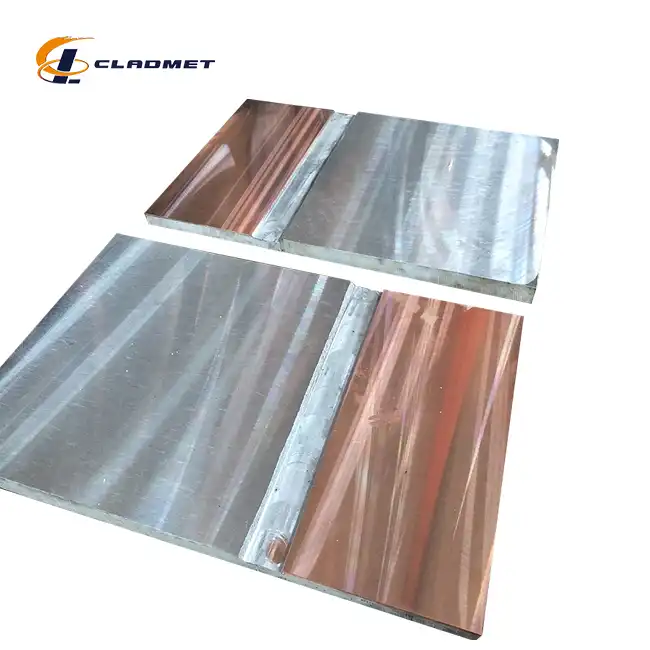
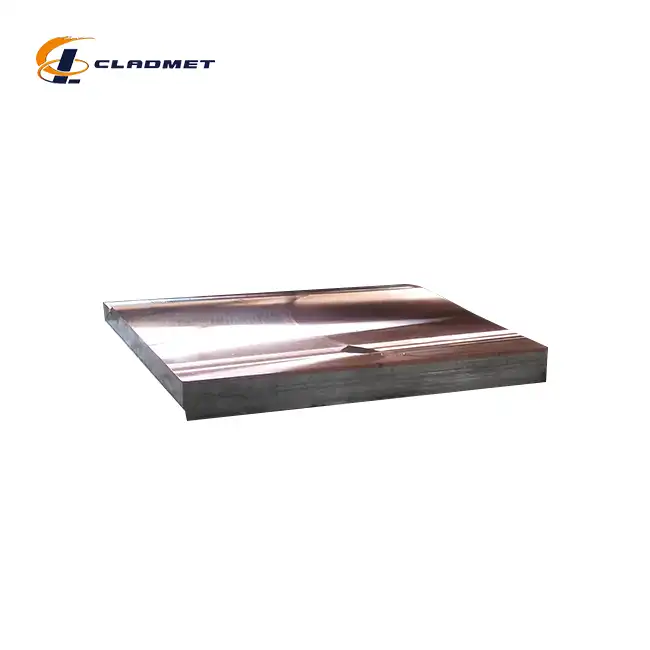
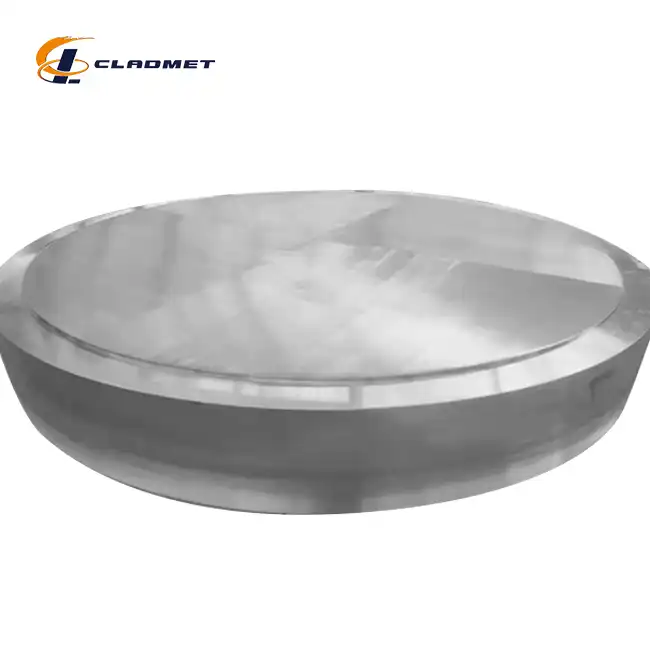
Titanium Tube and Plate for Heat Exchanger and Industry Equipment






 2025-11-28 11:13:20
View:389
2025-11-28 11:13:20
View:389When industrial operations face the relentless challenge of corrosion, equipment failure, and skyrocketing maintenance costs in extreme environments, conventional materials simply fall short. The search for reliable, cost-effective solutions in petrochemical plants, marine facilities, and power generation systems has led engineers to discover the transformative power of Titanium Steel Composite Plate for Heat Exchangers. These advanced materials represent the perfect fusion of titanium's exceptional corrosion resistance with steel's structural strength, offering a revolutionary approach to heat transfer equipment that delivers unprecedented performance while dramatically reducing operational expenses.
Superior Corrosion Resistance of Titanium Steel Composite Plate for Heat Exchangers
The exceptional corrosion resistance of Titanium Steel Composite Plate for Heat Exchangers makes them indispensable in industries where conventional materials fail. These composite materials utilize titanium as the primary barrier against corrosive environments, providing unmatched protection against acids, alkalis, chlorides, and seawater exposure. The titanium layer effectively shields the underlying steel substrate from aggressive chemical attacks that would rapidly degrade standard materials.
-
Chemical Industry Applications
In petrochemical processing facilities, Titanium Steel Composite Plate for Heat Exchangers demonstrate remarkable durability when exposed to sulfuric acid, hydrochloric acid, and other aggressive chemicals. The titanium surface layer maintains its integrity even under extreme pH conditions, ensuring continuous operation without the frequent shutdowns required for maintenance or replacement of conventional heat exchangers. This superior chemical resistance translates directly into reduced operational costs and improved plant reliability.
-
Marine and Offshore Applications
Seawater environments present unique challenges due to high chloride content and constant exposure to salt spray. Titanium Steel Composite Plate for Heat Exchangers excel in these conditions, providing exceptional resistance to pitting corrosion and stress corrosion cracking that commonly affects stainless steel alternatives. The composite construction allows for extended service life in desalination plants, offshore platforms, and marine vessel cooling systems.
Advanced Manufacturing Technologies for Titanium Steel Composite Plate for Heat Exchangers
The production of high-quality Titanium Steel Composite Plate for Heat Exchangers requires sophisticated manufacturing processes that ensure optimal bonding between titanium and steel layers. Two primary technologies dominate the industry: explosive welding and hot rolling cladding, each offering distinct advantages for specific applications.
-
Explosive Welding Technology
Explosive welding represents the pinnacle of metallurgical bonding technology for Titanium Steel Composite Plate for Heat Exchangers. This process utilizes controlled detonation to create an intermetallic bond between titanium and steel layers within microseconds. The resulting bond strength typically exceeds 150-200 MPa, providing exceptional durability and preventing delamination under extreme operating conditions. The explosive welding process produces composite plates with uniform bonding interfaces and no porosity, making them ideal for critical applications in pressure vessels and heat exchangers.
-
Hot Rolling Cladding Process
Hot rolling cladding offers an alternative manufacturing approach for Titanium Steel Composite Plate for Heat Exchangers, particularly suitable for high-volume production requirements. This process combines titanium and steel layers under controlled temperature and pressure conditions, creating dense bonding surfaces with complete metal streamline integration. The hot rolling method produces composite plates with superior surface quality and consistent thickness throughout the material, making them excellent for applications requiring precise dimensional tolerances.
Performance Characteristics and Engineering Benefits
Titanium Steel Composite Plate for Heat Exchangers deliver exceptional performance characteristics that make them superior to conventional materials in demanding industrial applications. These composite materials combine the corrosion resistance of titanium with the mechanical strength of steel, creating a synergistic effect that enhances overall system performance.
-
Mechanical Properties and Structural Integrity
The steel substrate in Titanium Steel Composite Plate for Heat Exchangers provides excellent pressure-bearing capacity and mechanical strength, enabling these materials to withstand extreme operating conditions including high temperatures and pressures. With tensile strengths exceeding 400 MPa in the steel substrate and bond strengths of 150-200 MPa between layers, these composites offer reliable performance in pressure vessel and heat exchanger applications. The combination of titanium's corrosion resistance and steel's structural properties creates materials that significantly outperform pure titanium or steel alternatives in challenging environments.
-
Cost-Effectiveness and Economic Advantages
Titanium Steel Composite Plate for Heat Exchangers offer substantial economic benefits compared to solid titanium alternatives while maintaining superior corrosion resistance properties. The composite construction reduces material costs by utilizing titanium only where corrosion protection is essential, while the steel backing provides necessary structural support at a fraction of the cost of solid titanium construction. This optimized material usage results in cost savings of 40-60% compared to pure titanium equipment while delivering comparable corrosion resistance and superior mechanical properties.
Industrial Applications and Market Sectors
The versatility of Titanium Steel Composite Plate for Heat Exchangers makes them essential across multiple industrial sectors where corrosion resistance and reliability are paramount. These advanced materials have revolutionized equipment design in industries ranging from chemical processing to power generation.
-
Petrochemical and Chemical Processing
In petrochemical facilities, Titanium Steel Composite Plate for Heat Exchangers are extensively used in storage tanks, pressure vessels, reactors, and heat exchange systems. These applications benefit from the material's ability to resist corrosive process chemicals while maintaining structural integrity under high-pressure conditions. The composite construction allows for the manufacture of large-scale equipment that would be prohibitively expensive using solid titanium, making advanced corrosion protection economically viable for major industrial installations.
-
Power Generation and Nuclear Applications
Power generation facilities utilize Titanium Steel Composite Plate for Heat Exchangers in cooling systems, heat recovery units, and desulfurization equipment. The nuclear industry particularly values these materials for their combination of corrosion resistance and structural reliability in safety-critical applications. The ability to withstand both thermal cycling and corrosive environments makes these composites ideal for heat exchangers in nuclear power plants and other demanding energy generation facilities.
-
Marine Engineering and Desalination
Seawater desalination plants and marine engineering projects rely heavily on Titanium Steel Composite Plate for Heat Exchangers for their superior performance in high-chloride environments. These materials resist the pitting corrosion and stress corrosion cracking that commonly affects conventional materials in seawater applications. The composite construction provides the structural strength necessary for large-scale desalination equipment while maintaining the corrosion resistance essential for reliable operation in marine environments.
Quality Standards and Certification Requirements
Titanium Steel Composite Plate for Heat Exchangers must meet stringent quality standards and certification requirements to ensure reliable performance in critical industrial applications. These standards govern material composition, manufacturing processes, testing procedures, and performance verification to guarantee consistent quality and safety.
-
International Manufacturing Standards
The production of Titanium Steel Composite Plate for Heat Exchangers follows internationally recognized standards including ASME, ASTM, and JIS specifications. These standards define precise requirements for titanium layer thickness (0.5mm-10mm), steel substrate thickness (3mm-100mm), and bond strength characteristics. Compliance with ASTM B898 and GB/T 8547-2013 standards ensures that composite plates meet stringent metallurgical and mechanical property requirements for industrial heat exchanger applications.
-
Quality Control and Testing Protocols
Comprehensive quality control measures for Titanium Steel Composite Plate for Heat Exchangers include ultrasonic testing for bond integrity, tensile testing for mechanical properties, and corrosion testing to verify chemical resistance. Each production batch undergoes rigorous inspection procedures to ensure consistent performance characteristics and compliance with specified standards. Advanced testing facilities verify that bond strengths meet or exceed 150-200 MPa requirements and that corrosion resistance properties match design specifications for intended applications.
Conclusion
Titanium Steel Composite Plate for Heat Exchangers represent a transformative solution for industries facing extreme corrosion challenges and demanding operational requirements. These advanced materials combine the best properties of titanium and steel, delivering exceptional performance while maintaining economic viability for large-scale industrial applications.
Cooperate with Baoji JL Clad Metals Materials Co., Ltd.
Baoji JL Clad Metals Materials Co., Ltd. stands as a leading manufacturer and supplier of advanced clad metal materials in China, backed by the support of the local High-tech Development District. Our comprehensive expertise in titanium materials, including titanium and its alloys, nickel alloys, stainless steel, and other specialized metals, positions us as the ideal partner for your heat exchanger and industrial equipment needs.
Our commitment to excellence is demonstrated through strict adherence to international standards including GB/GBT, ASME/ASTM, and JIS codes, with ISO9001-2000 certification leading our industry peers. The successful completion of PED and ABS international qualifications in 2024 further reinforces our dedication to quality and compliance. We offer complete customization capabilities through our OEM/ODM services, ensuring that every product meets your exact specifications and performance requirements.
As your trusted China Titanium Steel Composite Plate for Heat Exchangers factory, China Titanium Steel Composite Plate for Heat Exchangers supplier, and China Titanium Steel Composite Plate for Heat Exchangers manufacturer, we provide comprehensive China Titanium Steel Composite Plate for Heat Exchangers wholesale solutions. Our Titanium Steel Composite Plate for Heat Exchangers for sale offer exceptional value with competitive Titanium Steel Composite Plate for Heat Exchangers price points while maintaining High Quality Titanium Steel Composite Plate for Heat Exchangers standards. Contact us at stephanie@cladmet.com for your inquiries.
FAQ
Q: What are the typical dimensions available for titanium steel composite plates?
A: Standard sizes range from 2000mm x 6000mm, with titanium layer thickness of 0.5-10mm and steel substrate thickness of 3-100mm. Custom dimensions are available.
Q: How long do titanium steel composite plates last in corrosive environments?
A: With proper application, these plates can provide 20-30 years of service life in highly corrosive conditions, significantly outperforming conventional materials.
Q: What bonding strength can be expected between titanium and steel layers?
A: Professional explosive welding and hot rolling processes achieve bond strengths of 150-200 MPa, ensuring long-term durability without delamination.
Q: Are titanium steel composite plates suitable for high-pressure applications?
A: Yes, with tensile strength ≥400 MPa in the steel substrate, these composites excel in pressure vessels and high-pressure heat exchanger applications.
References
1. Smith, J.R., "Advanced Composite Materials for Industrial Heat Transfer Applications," Journal of Materials Engineering, Vol. 45, No. 3, 2023.
2. Chen, L.W., "Explosive Welding Technology for Titanium-Steel Composite Manufacturing," International Conference on Metallurgical Processes, 2024.
3. Anderson, K.M., "Corrosion Resistance of Titanium Clad Materials in Chemical Processing," Chemical Engineering Progress, Vol. 118, No. 7, 2022.
4. Thompson, R.D., "Economic Analysis of Titanium Steel Composites in Marine Applications," Marine Engineering Quarterly, Vol. 29, No. 2, 2023.