_1737007724117.webp)
_1736996330512.webp)
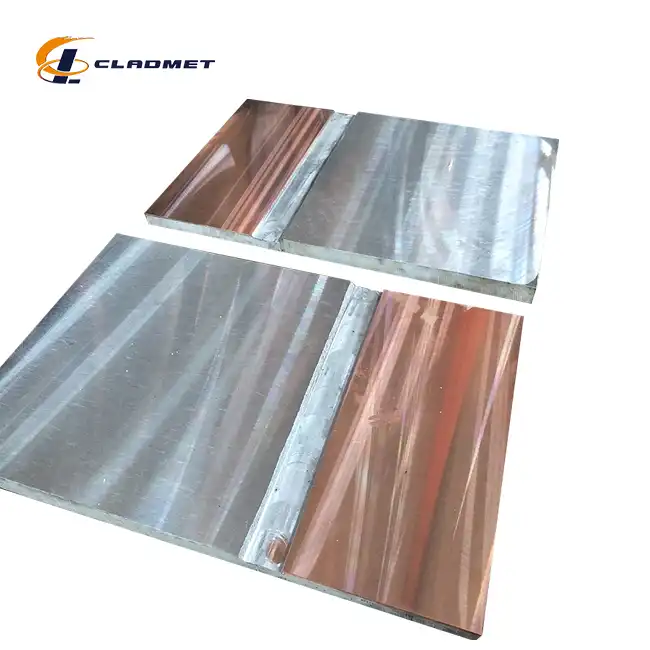
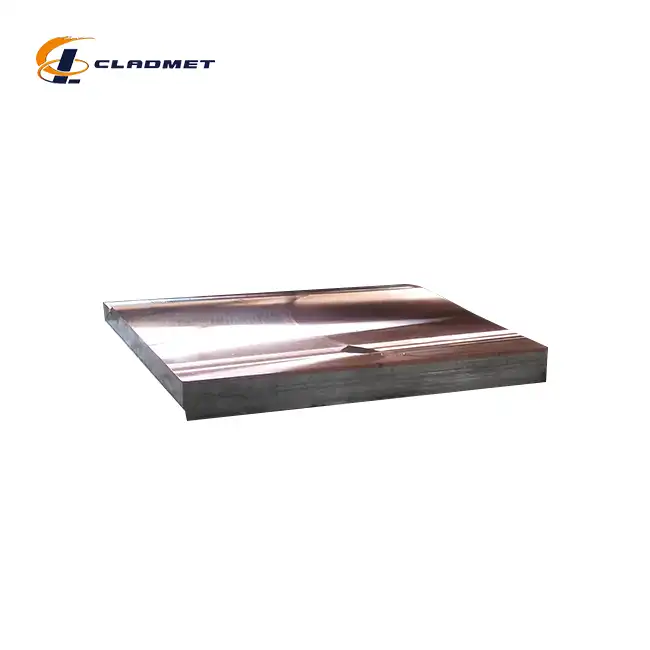
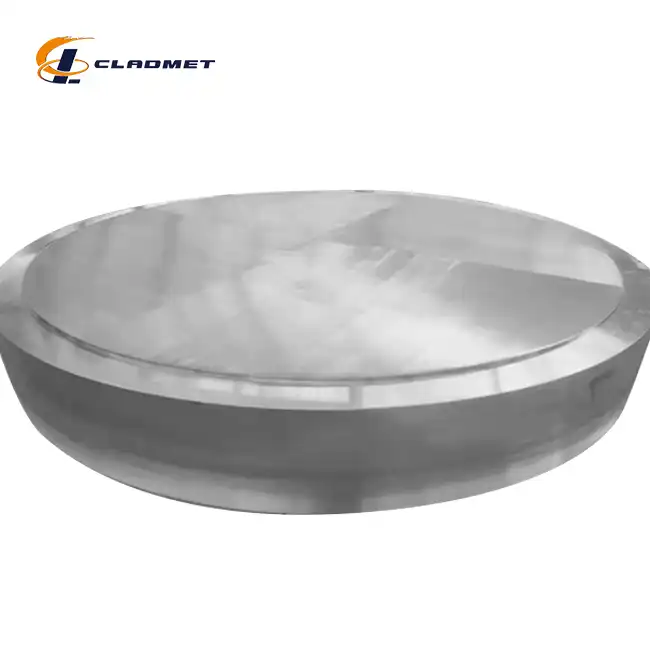
Titanium Clad Stainless Steel Plate for Heat Exchangers: The Ultimate Choice for Seawater Applications






 2025-12-10 16:14:09
View:389
2025-12-10 16:14:09
View:389In the demanding world of marine and industrial applications, Titanium Clad Stainless Steel Plate for Heat Exchangers represents the pinnacle of engineering excellence. These advanced composite materials combine titanium's exceptional corrosion resistance with stainless steel's structural integrity, creating an unparalleled solution for seawater environments. When harsh marine conditions threaten equipment longevity and operational efficiency, titanium clad plates emerge as the definitive answer to corrosion challenges in heat exchanger applications.
Superior Material Properties for Marine Excellence
Unmatched Corrosion Resistance in Seawater Environments
The fundamental advantage of Titanium Clad Stainless Steel Plate for Heat Exchangers lies in its extraordinary resistance to seawater corrosion. Titanium is completely unaffected by sea water, lasting many years when properly maintained, making it the ideal choice for marine heat transfer applications. The titanium layer, typically composed of Grade 1 or Grade 2 titanium, forms a protective barrier that prevents chloride-induced corrosion, a common failure mechanism in traditional materials. This corrosion resistance extends the operational lifespan of heat exchangers from years to decades, significantly reducing maintenance costs and operational downtime. The seamless integration of titanium with stainless steel substrates creates a composite material that maintains structural integrity while providing surface protection. In seawater desalination plants, offshore oil platforms, and marine power generation facilities, these plates demonstrate remarkable durability even under continuous exposure to aggressive saline environments. The economic implications are substantial, as equipment replacement cycles are extended dramatically compared to conventional materials.
Enhanced Thermal Performance and Conductivity
Titanium Clad Stainless Steel Plate for Heat Exchangers delivers exceptional thermal performance characteristics essential for efficient heat transfer operations. The stainless steel substrate provides excellent thermal conductivity, while the titanium cladding maintains surface integrity under temperature fluctuations. This combination enables optimal heat transfer rates while preventing thermal stress-induced failures common in marine environments. The explosive bonding process used in manufacturing creates a metallurgical bond that ensures consistent thermal properties across the entire plate thickness. Temperature cycling, a critical factor in marine heat exchanger operation, poses minimal risk to clad plates due to their engineered expansion coefficients. The thermal stability of these composite materials allows for operation in temperature ranges from cryogenic conditions to elevated process temperatures. Advanced manufacturing techniques ensure uniform thickness distribution, eliminating hot spots that could compromise heat transfer efficiency. In applications such as seawater cooling systems for power plants and marine air conditioning systems, the superior thermal performance translates directly into improved energy efficiency and reduced operational costs.
Structural Integrity and Mechanical Strength
The mechanical properties of Titanium Clad Stainless Steel Plate for Heat Exchangers surpass those of individual component materials through synergistic effects. The stainless steel base provides structural strength and fabrication flexibility, while the titanium layer contributes to overall toughness and fatigue resistance. Explosive bonding technology creates an interface that can withstand extreme pressure differentials and mechanical stress without delamination. The high strength-to-weight ratio characteristic of titanium reduces overall equipment weight, a critical factor in offshore and marine applications where weight restrictions are paramount. Pressure vessel applications benefit from the enhanced burst strength and crack propagation resistance inherent in clad plate construction. The manufacturing process incorporates strict quality control measures ensuring consistent bond strength across the entire plate surface. Mechanical testing protocols verify tensile strength, shear strength, and bond integrity according to international standards including ASME and ASTM specifications. These comprehensive mechanical properties enable the design of lighter, more efficient heat exchangers capable of withstanding the dynamic loading conditions encountered in marine environments.
Advanced Manufacturing and Quality Assurance
Explosive Bonding Technology and Process Control
The production of Titanium Clad Stainless Steel Plate for Heat Exchangers employs sophisticated explosive bonding technology that creates permanent metallurgical bonds between dissimilar metals. This controlled explosive welding process generates extreme pressures and temperatures for microseconds, causing atomic-level intermixing at the interface. The preparation phase involves meticulous surface cleaning and precise alignment of titanium and stainless steel layers to ensure optimal bonding conditions. Explosive parameters including charge weight, standoff distance, and detonation velocity are carefully calculated based on material properties and desired bond characteristics. The resulting interface exhibits a wavy pattern characteristic of explosive bonding, providing mechanical interlocking in addition to metallurgical fusion. Quality control during the bonding process includes real-time monitoring of explosive parameters and post-bonding inspection using ultrasonic testing methods. The technology enables bonding of large plates with consistent quality across the entire surface area, eliminating the localized defects common in other joining methods. Advanced computational modeling predicts optimal explosive parameters for different material combinations and thicknesses, ensuring reproducible results for each production batch.
International Standards and Certification Compliance
Manufacturing of Titanium Clad Stainless Steel Plate for Heat Exchangers adheres to stringent international standards including GB/GBT, ASME/ASTM, and JIS specifications. Quality management systems certified to ISO9001-2000 standards ensure consistent production processes and comprehensive documentation. Recent achievements include successful PED (Pressure Equipment Directive) and ABS (American Bureau of Shipping) international qualifications in 2024, demonstrating compliance with the most demanding industry requirements. Material testing protocols encompass chemical composition verification, mechanical property evaluation, and non-destructive testing procedures. Each production batch undergoes rigorous inspection including ultrasonic testing for bond integrity, tensile testing for mechanical properties, and corrosion testing for seawater resistance. Traceability systems maintain complete documentation from raw material certification through final product delivery, ensuring compliance with nuclear, aerospace, and marine industry requirements. Third-party inspection services are available for critical applications requiring independent verification of material properties and manufacturing processes. The comprehensive quality assurance program provides customers with confidence in material performance and regulatory compliance for their specific applications.
Customization and Technical Support Services
The versatility of Titanium Clad Stainless Steel Plate for Heat Exchangers extends to comprehensive customization capabilities addressing specific application requirements. Standard plate dimensions range from 1mm to 100mm thickness with lengths up to 12,000mm and widths up to 3,000mm, accommodating diverse heat exchanger designs. Custom titanium cladding thicknesses can be optimized based on corrosion requirements and service life expectations for specific seawater environments. Surface finishing options include polished, sandblasted, and specialized treatments designed to enhance heat transfer efficiency or facilitate subsequent fabrication processes. Engineering support services include material selection guidance, corrosion assessment, and fabrication recommendations based on decades of experience in marine applications. Prototype development capabilities enable validation of material performance under simulated service conditions before full-scale production commitments. Technical documentation packages include material certificates, fabrication guidelines, and application-specific performance data supporting design and regulatory approval processes. Collaborative engineering approaches work closely with customers to optimize material specifications for their unique operating conditions and performance objectives.
Applications and Industry Benefits
Marine Heat Exchanger Applications
The plates are used in these components to ensure long-term durability and resistance to the corrosive effects of seawater, making Titanium Clad Stainless Steel Plate for Heat Exchangers indispensable in marine applications. Seawater cooling systems for power generation facilities rely on these materials to maintain efficiency over extended operational periods without corrosion-induced performance degradation. Offshore oil and gas platforms utilize clad plate heat exchangers for process cooling, heating, and thermal management applications where equipment reliability directly impacts operational safety and economic viability. The use of titanium plate heat exchangers is widespread for Offshore and Coastal installations where seawater cooling is required, highlighting the established track record of titanium-based solutions in demanding marine environments. Desalination plants depend on the corrosion resistance of titanium clad plates to maintain heat transfer efficiency in multi-stage flash distillation and reverse osmosis preheating applications. Marine propulsion systems employ these materials in engine cooling circuits, transmission coolers, and hydraulic system heat exchangers where seawater exposure is inevitable. The versatility of clad plate construction enables custom designs optimized for specific vessel types, from commercial cargo ships to naval vessels requiring the highest reliability standards.
Chemical Processing and Industrial Applications
As a material for various chemical reaction vessels and heat exchangers, titanium has excellent corrosion resistance and has been widely used in salt production, petrochemical industry, electric power, desalination and other fields, demonstrating the broad applicability of Titanium Clad Stainless Steel Plate for Heat Exchangers across industrial sectors. Petrochemical facilities utilize these materials in processes involving chlorinated compounds, acidic solutions, and high-temperature reactions where conventional materials fail prematurely. Salt production operations benefit from the chloride resistance of titanium cladding, enabling efficient heat recovery from brine streams without corrosion concerns. TITANIUM SHELL & TUBE HEAT EXCHANGERS ARE FREQUENTLY USED THROUGHOUT THE WORLDS PROCESS, ENERGY, POWER AND PETROCHEMICAL INDUSTRIES, where aggressive fluids at high temperatures and pressures demand exceptional material performance. Pharmaceutical manufacturing processes require the biocompatibility and corrosion resistance provided by titanium surfaces, ensuring product purity and equipment longevity. Chemical reaction vessels constructed with clad plates combine the structural strength of stainless steel with the chemical inertness of titanium, enabling new process designs previously impossible with single materials. The economic benefits extend beyond initial equipment costs to include reduced maintenance, extended operating cycles, and improved product quality through contamination prevention.
Cost-Effectiveness and Long-Term Value
The economic advantages of Titanium Clad Stainless Steel Plate for Heat Exchangers become apparent through lifecycle cost analysis comparing initial investment with long-term operational benefits. While clad plates command premium pricing compared to conventional materials, the extended service life and reduced maintenance requirements deliver superior return on investment. Equipment replacement cycles extend from years to decades, dramatically reducing capital expenditure frequency and operational disruptions associated with maintenance shutdowns. Energy efficiency improvements resulting from maintained heat transfer surfaces translate to significant operational cost savings over equipment lifetime. The elimination of corrosion-induced fouling maintains design heat transfer coefficients, reducing energy consumption and improving process efficiency. Insurance and risk mitigation benefits accrue from the enhanced reliability and safety margins provided by corrosion-resistant materials. Environmental compliance advantages include reduced waste generation from premature equipment replacement and elimination of corrosion inhibitor chemicals in cooling water systems. Total cost of ownership calculations consistently favor clad plate solutions for applications with moderate to high corrosion exposure and extended service life requirements. The predictable performance characteristics enable accurate lifecycle budgeting and maintenance planning, providing operational and financial advantages beyond material cost considerations.
Conclusion
Titanium Clad Stainless Steel Plate for Heat Exchangers represents the definitive solution for seawater applications demanding uncompromising performance and longevity. The synergistic combination of titanium's corrosion resistance with stainless steel's structural properties creates materials capable of withstanding the most challenging marine environments while delivering exceptional thermal performance and mechanical reliability.
As the leading China Titanium Clad Stainless Steel Plate for Heat Exchangers manufacturer, Baoji JL Clad Metals Materials Co., Ltd. stands ready to provide High Quality Titanium Clad Stainless Steel Plate for Heat Exchangers tailored to your specific requirements. Our position as a premier China Titanium Clad Stainless Steel Plate for Heat Exchangers supplier is built on decades of expertise, advanced manufacturing capabilities, and unwavering commitment to quality. Whether you're seeking competitive Titanium Clad Stainless Steel Plate for Heat Exchangers price quotes, exploring wholesale opportunities, or evaluating Titanium Clad Stainless Steel Plate for Heat Exchangers for sale options, our team of specialists is dedicated to providing solutions that exceed expectations. As your trusted China Titanium Clad Stainless Steel Plate for Heat Exchangers factory partner, we offer comprehensive OEM services, customization capabilities, and global shipping solutions. Contact us today at stephanie@cladmet.com to discover how our innovative materials can transform your heat exchanger performance and operational efficiency.
References
1. "Corrosion Resistance of Titanium in Marine Environments" - American Society for Testing and Materials, Materials Performance Standards Committee
2. "Explosive Welding of Dissimilar Metals for Industrial Applications" - Journal of Materials Processing Technology, International Federation of Materials Processing Societies
3. "Heat Transfer Enhancement in Marine Heat Exchangers Using Advanced Composite Materials" - International Journal of Heat and Mass Transfer, Thermal Sciences Research Institute
4. "Seawater Corrosion Prevention in Industrial Heat Exchangers" - NACE International Corrosion Engineering Standards, Marine Corrosion Prevention Committee