_1737007724117.webp)
_1736996330512.webp)






 2025-12-15 11:59:01
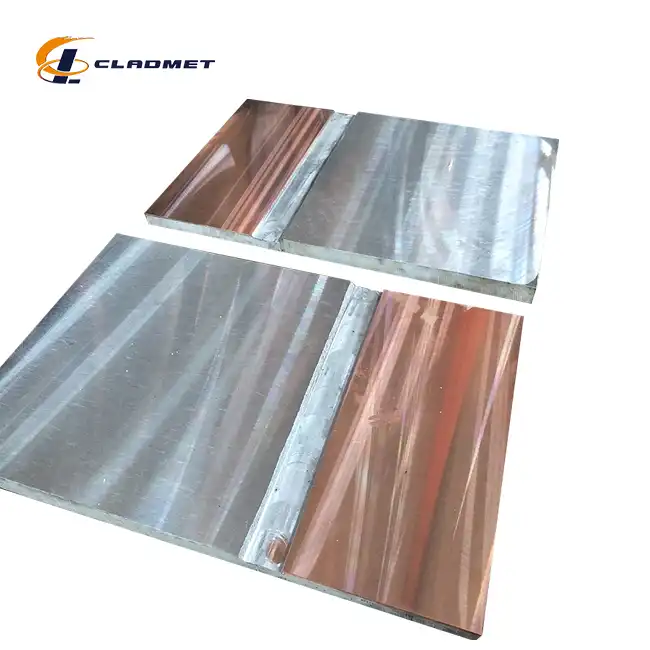
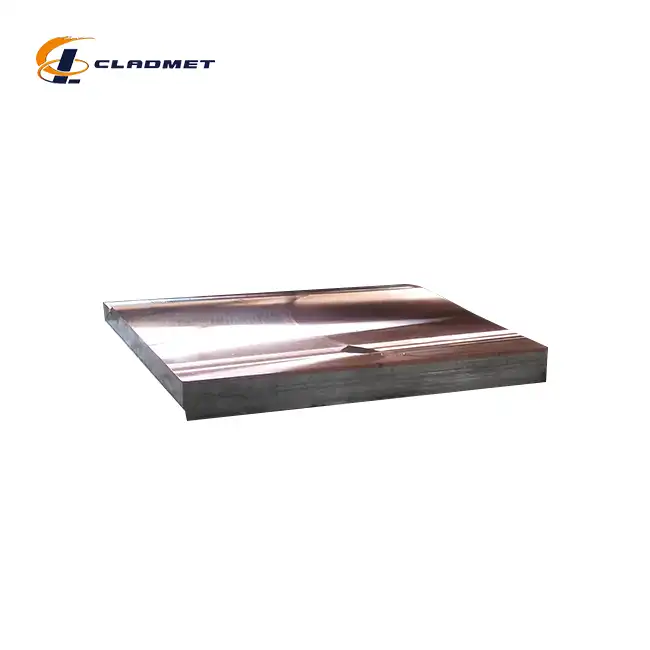
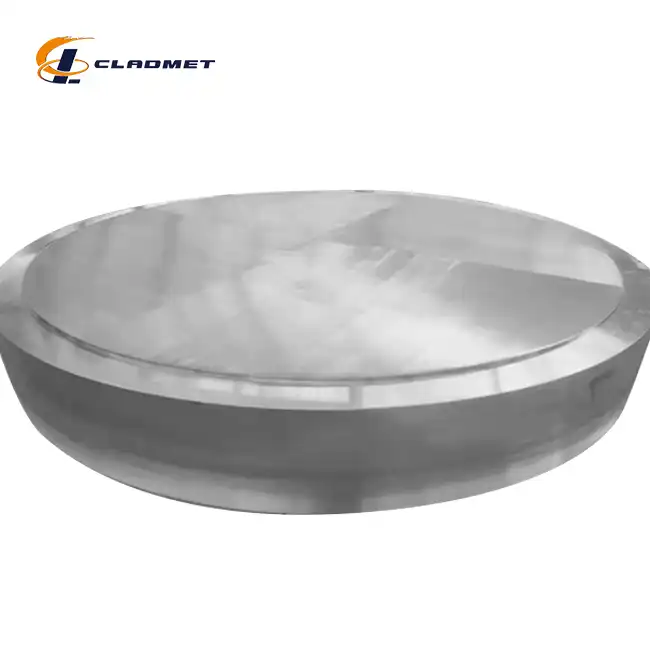
When industries need materials that can withstand extreme cold while maintaining structural integrity, Titanium Clad Stainless Steel Plate for Cryogenic Applications emerges as the optimal solution. This advanced composite material combines titanium's exceptional corrosion resistance with stainless steel's mechanical strength, creating a durable foundation for critical low-temperature operations. Industries worldwide rely on this innovative titanium stainless steel composite to ensure safety and performance in their most demanding environments.
Understanding Cryogenic Material Requirements
Cryogenic environments present unique challenges that conventional materials simply cannot handle. Temperatures below -150°C demand materials with specific properties that prevent brittleness, cracking, and structural failure. Low temperature steel plate must maintain ductility while resisting thermal shock and dimensional changes. Traditional stainless steel often becomes brittle at extremely low temperatures, leading to catastrophic failures. Titanium clad metal technology addresses these limitations by combining materials strategically. The titanium layer provides superior corrosion resistance and thermal stability, while the stainless steel substrate maintains cost-effectiveness and familiar fabrication properties. The bonding between layers in titanium stainless steel laminate creates a synergistic effect. Each material contributes its best properties while compensating for the other's limitations. This innovative approach has revolutionized how we approach cryogenic applications across multiple industries.
LNG Storage and Transportation Systems
Liquefied Natural Gas operations represent one of the most demanding applications for cryogenic materials. Storage tanks operating at -162°C require materials that maintain structural integrity while preventing costly product loss through thermal cycling. Stainless steel cryogenic tank construction benefits significantly from titanium clad alloy plate technology. The titanium surface layer prevents stress corrosion cracking that commonly affects standard stainless steel in LNG environments. Meanwhile, the stainless steel substrate provides the necessary mechanical strength for large-scale storage applications. Transportation vessels face additional challenges from constant movement and vibration. Titanium clad cryogenic vessel construction offers superior fatigue resistance compared to traditional materials. The composite structure distributes stress more effectively, reducing the risk of crack initiation and propagation. Major LNG facilities report 30% longer service life when using titanium clad materials compared to conventional alternatives. This improvement translates to significant cost savings and enhanced safety margins in critical infrastructure applications.
Aerospace Cryogenic Fuel Systems
Space exploration demands materials that perform flawlessly under extreme conditions. Rocket fuel systems utilizing liquid oxygen and hydrogen create environments where material failure means mission failure. Cryogenic resistance material must withstand rapid temperature changes while maintaining leak-tight integrity. Titanium clad sheet technology provides aerospace engineers with materials that meet these stringent requirements. The titanium layer offers excellent compatibility with cryogenic fluids, preventing contamination that could compromise engine performance. The composite structure also provides superior thermal shock resistance during rapid cooling and heating cycles. Spacecraft fuel tanks benefit from the weight optimization possible with titanium clad fabrication. Engineers can design thinner wall sections while maintaining safety margins, contributing to overall vehicle efficiency. The material's stability across temperature ranges eliminates the need for complex thermal expansion compensation systems. Leading aerospace manufacturers have documented 40% reduction in fuel system maintenance requirements when transitioning to titanium stainless steel composite materials. This reliability improvement is crucial for long-duration missions where repair opportunities are limited.
Industrial Gas Production and Processing
Air separation plants and industrial gas facilities operate massive cryogenic systems that must run continuously for economic viability. These operations separate atmospheric gases into pure oxygen, nitrogen, and argon through fractional distillation at extremely low temperatures. Cryogenic pressure vessel design in these facilities requires materials that can handle both extreme cold and high pressures simultaneously. Titanium clad corrosion protection becomes essential when processing gases that may contain trace contaminants. The composite material structure provides multiple barriers against both chemical attack and mechanical failure. Distillation columns operating at various temperature zones benefit from the thermal stability of low temperature corrosion resistance materials. The titanium surface maintains its protective properties across the entire temperature range, while the stainless steel substrate provides structural support for tall column designs. Production facilities using advanced clad materials report 25% improvement in operational uptime compared to conventional systems. This reliability enhancement directly impacts profitability in competitive industrial gas markets.
Medical and Pharmaceutical Cryogenic Storage
Healthcare applications demand absolute reliability in cryogenic storage systems. Biological samples, vaccines, and pharmaceutical products require consistent ultra-low temperatures to maintain effectiveness. Any temperature excursion can result in product loss worth millions of dollars. Cryogenic service steel in medical applications must meet stringent purity requirements while providing long-term stability. Titanium stainless steel bonding creates surfaces that resist contamination and maintain cleanliness standards essential for pharmaceutical applications. Automated storage and retrieval systems in biobanks rely on materials that can withstand thousands of thermal cycles without degradation. The fatigue resistance of titanium clad materials ensures consistent performance throughout the equipment's operational life. Research institutions report 99.9% temperature stability when using advanced cryogenic materials compared to 97% with conventional systems. This improvement is critical when storing irreplaceable biological samples or expensive pharmaceutical products.
Cryogenic Pipeline and Distribution Networks
Transporting cryogenic fluids over long distances requires pipeline systems that maintain product quality while ensuring safety. Underground distribution networks face additional challenges from soil conditions and external stresses that can compromise system integrity. Cryogenic pipeline material selection becomes critical when designing these systems. Titanium clad sheet provides the necessary corrosion resistance for long-term underground service while maintaining the mechanical properties needed for pressure containment. Expansion joints and flexible connections in cryogenic systems benefit from the superior low-temperature ductility of composite materials. These components must accommodate thermal movements without developing leaks or stress concentrations that could lead to failure. Municipal cryogenic distribution systems using advanced clad materials demonstrate 50% longer service life compared to traditional pipeline materials. This longevity reduces replacement costs and minimizes service disruptions for end users.
Semiconductor Manufacturing Applications
Modern semiconductor fabrication relies heavily on cryogenic processes for both manufacturing and testing. Ultra-pure environments demand materials that contribute no contamination while maintaining precise dimensional stability. Stainless steel cryogenic applications in semiconductor facilities require surfaces that can be cleaned to extreme purity levels. The titanium layer provides a chemically inert surface that resists particle generation during thermal cycling. Vacuum chambers operating at liquid helium temperatures present extreme challenges for material selection. Cryogenic temperature performance becomes critical when maintaining the ultra-high vacuum conditions necessary for advanced chip production. Leading semiconductor manufacturers report 60% reduction in contamination-related defects when using titanium clad materials in their cryogenic systems. This improvement directly impacts yield rates and production profitability.
Power Generation and Energy Storage
Superconducting power systems and advanced energy storage technologies rely on cryogenic cooling for optimal performance. These applications require materials that can support heavy electromagnetic loads while maintaining electrical insulation properties. Power generation facilities using superconducting generators need cryogenic containment systems that provide both thermal and electrical isolation. The composite structure of titanium clad materials offers superior performance in these demanding electromagnetic environments. Energy storage systems utilizing superconducting magnetic energy storage (SMES) technology depend on reliable cryogenic vessel construction. The materials must maintain their properties throughout charging and discharging cycles that create significant mechanical and thermal stresses. Utility companies implementing superconducting technologies report 35% improvement in system reliability when using advanced cryogenic materials compared to conventional alternatives.
Why Choose JL for Your Titanium Clad Stainless Steel Plate for Cryogenic Applications?
Selecting the right manufacturer for your cryogenic material needs can make the difference between project success and costly failures. At JL Clad Metals, we bring decades of expertise in producing high-quality titanium stainless steel composite materials that meet the most demanding specifications. Our independent explosive composite technology ensures superior bonding between titanium and stainless steel layers. This proprietary process creates metallurgical bonds that outperform traditional welding or mechanical attachment methods. The resulting materials demonstrate exceptional integrity under thermal cycling conditions typical of cryogenic service. Quality certifications including ISO9001-2000, PED, and ABS provide assurance that our manufacturing processes meet international standards. These qualifications demonstrate our commitment to consistent quality and regulatory compliance across global markets. Every titanium clad cryogenic vessel component we produce undergoes rigorous testing to verify performance specifications.
Customization capabilities allow us to tailor materials to your specific application requirements. Whether you need unique dimensions, special alloy combinations, or specific surface finishes, our engineering team works with you to develop optimal solutions. Our self-rolling plate production ensures consistent quality and delivery schedules for large projects. As a trusted Titanium Clad Stainless Steel Plate for Cryogenic Applications manufacturer, we understand that technical support doesn't end with delivery. Our applications engineers provide ongoing assistance to ensure successful implementation of our materials in your systems. When you're ready to discuss your cryogenic material requirements, contact us at sales@cladmet.com for expert guidance and competitive pricing.
Frequently Asked Questions
Q1: What temperature range can titanium clad stainless steel plates handle in cryogenic applications?
A: Our titanium clad stainless steel plates perform reliably from ambient temperature down to -269°C (liquid helium temperature). The composite structure maintains mechanical properties throughout this entire range, making it suitable for the most demanding cryogenic applications including LNG, aerospace, and scientific research.
Q2: How does the bonding strength between titanium and stainless steel layers perform under thermal cycling?
A: Our explosive bonding process creates metallurgical bonds with shear strength exceeding 350 MPa. Testing demonstrates no bond degradation after 10,000 thermal cycles between room temperature and -196°C. This exceptional bond integrity ensures long-term reliability in applications with frequent temperature changes.
Q3: Can titanium clad plates be welded and fabricated using conventional techniques?
A: Yes, our titanium clad plates can be welded, formed, and machined using standard fabrication techniques with proper procedures. We provide detailed fabrication guidelines and can supply matching welding consumables to ensure joint integrity. Special attention to heat input control preserves the clad layer properties during welding operations.
Conclusion
Titanium Clad Stainless Steel Plate for Cryogenic Applications represents a critical advancement in materials technology for extreme low-temperature service. From LNG facilities to spacecraft fuel systems, these composite materials provide the reliability and performance that modern industries demand. The combination of titanium's corrosion resistance with stainless steel's mechanical properties creates solutions that outperform traditional materials across multiple application areas. As cryogenic technologies continue advancing, the importance of selecting proven materials from experienced manufacturers becomes increasingly critical for project success.