_1737007724117.webp)
_1736996330512.webp)






 2025-12-15 11:59:04
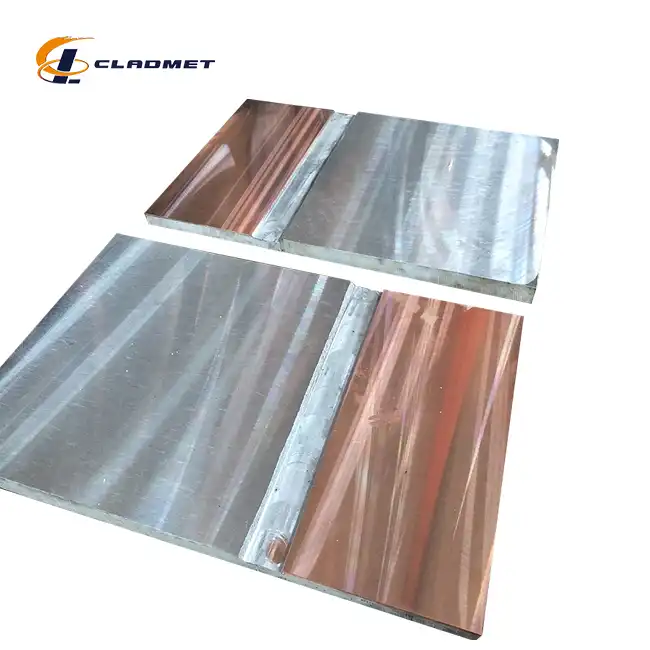
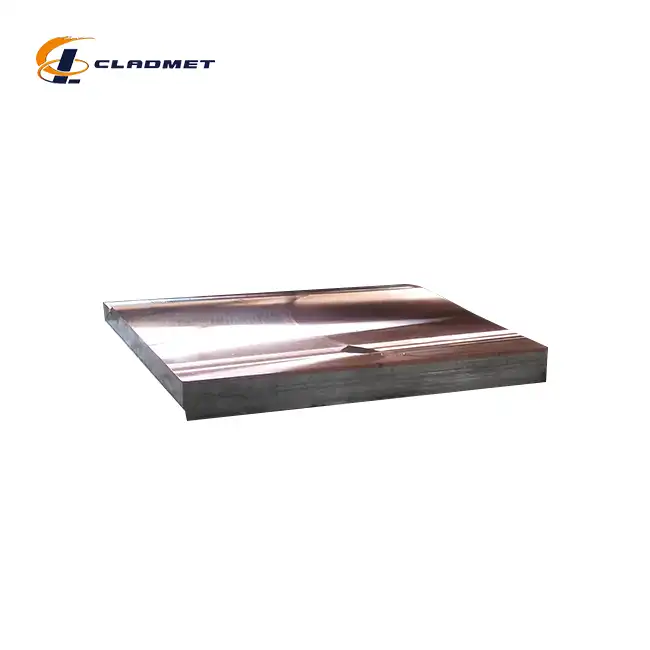
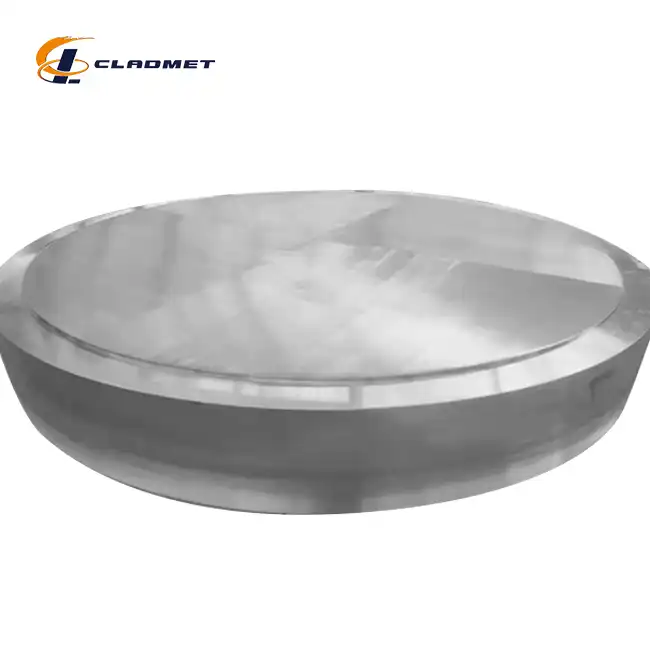
Specifying the right materials for petrochemical towers demands precision engineering and deep metallurgical expertise. When it comes to Gr7 Titanium Clad 310 Stainless Steel Plate for Tower Internals, the combination of titanium's exceptional corrosion resistance with 310 stainless steel's structural integrity creates an optimal solution for harsh chemical environments. This comprehensive OEM guide explores how proper specification of these advanced clad metal plates ensures optimal performance, longevity, and safety in critical petrochemical applications while meeting stringent industry standards.
Understanding OEM/ODM Excellence in Clad Metal Manufacturing
The petrochemical industry operates under extreme conditions that challenge conventional materials. OEM partnerships become crucial when standard solutions fall short of specific operational requirements. At JL Clad Metals, we recognize that each petrochemical tower presents unique challenges requiring tailored material solutions. Our OEM approach transforms raw engineering specifications into precision-manufactured titanium clad steel components. The process involves understanding your specific chemical environment, temperature ranges, pressure requirements, and corrosion challenges. This deep collaboration ensures that every Gr7 Titanium Clad 310 Stainless Steel Plate for Tower Internals meets your exact operational parameters. ODM services take this collaboration further by leveraging our extensive R&D capabilities. We don't just manufacture to your specifications; we innovate solutions that enhance performance beyond traditional expectations. This approach has established us as a trusted partner for petrochemical companies worldwide seeking reliable, high-performance tower internals materials.
Our OEM/ODM Strengths in Clad Metal Technology
JL Clad Metals brings over two decades of expertise in advanced clad metal fabrication. Our independent explosive composite technology sets us apart from conventional manufacturers. This proprietary process creates molecular-level bonding between titanium and stainless steel layers, resulting in superior performance characteristics. Our manufacturing capabilities extend beyond standard production. We operate self-rolling plate facilities equipped with precision machinery capable of handling complex specifications. This vertical integration ensures quality control throughout every production stage while maintaining competitive pricing for our OEM partners. Quality certifications validate our commitment to excellence. Our ISO9001-2000 certification demonstrates consistent quality management, while our recent PED and ABS international qualifications in 2024 confirm our ability to meet global standards. These certifications provide confidence when specifying our materials for critical petrochemical applications. Our R&D team continuously develops innovative solutions for emerging industry challenges. Recent breakthroughs in heat resistant alloy combinations have expanded application possibilities for Gr7 Titanium Clad 310 Stainless Steel Plate for Tower Internals in high-temperature processing environments.
Comprehensive Customization Options for Tower Applications
Physical design customization addresses the unique geometrical requirements of different tower configurations. Our capabilities include custom thickness combinations, specialized surface finishes, and precise dimensional tolerancing. Whether you need thin-gauge plates for heat exchanger applications or heavy-duty sections for structural components, our manufacturing flexibility accommodates diverse specifications. Functional feature enhancement focuses on optimizing performance characteristics for specific chemical environments. We adjust titanium grade selections, modify stainless steel compositions, and fine-tune bonding interfaces to maximize corrosion protection and mechanical properties. This attention to functional details ensures optimal performance in aggressive chemical processing conditions. Technology integration involves incorporating advanced metallurgical techniques to enhance material properties. Our explosive bonding process creates superior adhesion compared to traditional roll bonding methods. This technology ensures that clad metal plates maintain structural integrity under thermal cycling and chemical exposure typical in petrochemical towers. Branding and identification solutions help streamline inventory management and quality traceability. We provide custom marking, certification documentation, and material identification systems that integrate with your quality management protocols. This attention to detail supports efficient project management and regulatory compliance requirements.
The ODM Advantage in Developing Advanced Tower Materials
ODM partnerships enable collaborative development of next-generation tower internals materials. Our engineering team works closely with your design specialists to identify performance enhancement opportunities. This collaboration often results in breakthrough solutions that exceed initial specifications while reducing overall project costs. Material innovation drives our ODM approach. We leverage advanced metallurgical research to develop new alloy combinations and bonding techniques. Recent developments in titanium alloy plate technology have expanded temperature and corrosion resistance capabilities for challenging petrochemical applications. Performance optimization through ODM partnerships addresses specific operational challenges. We analyze your current material performance, identify improvement opportunities, and develop customized solutions. This proactive approach often reveals cost-saving opportunities while enhancing operational reliability. The ODM process includes comprehensive testing and validation protocols. We conduct extensive laboratory testing, pilot-scale trials, and field performance evaluations to ensure new developments meet rigorous performance standards. This thorough approach minimizes implementation risks while maximizing performance benefits.
Our Streamlined Customization Process
Initial consultation establishes project parameters and performance requirements. Our technical team reviews your specifications, discusses application challenges, and identifies optimization opportunities. This collaborative approach ensures that proposed solutions address both current needs and future operational goals. Design development transforms requirements into detailed engineering specifications. We utilize advanced modeling software to optimize clad metal configurations for your specific applications. This phase includes material selection, dimensional optimization, and manufacturing process planning. Prototype development validates design concepts through small-scale production runs. These prototypes undergo rigorous testing to confirm performance characteristics and identify any necessary refinements. This iterative approach ensures final products meet exacting standards. Production scaling maintains quality standards while meeting volume requirements. Our manufacturing systems ensure consistent quality across production runs. Regular quality audits and performance monitoring maintain product reliability throughout the supply relationship.
Key Benefits for Your Petrochemical Operations
Enhanced corrosion resistance extends equipment service life in aggressive chemical environments. The titanium cladding provides exceptional protection against acids, chlorides, and other corrosive substances common in petrochemical processing. This protection translates into reduced maintenance costs and extended operational periods between major overhauls. Superior mechanical properties ensure structural integrity under demanding operational conditions. The 310 stainless steel substrate provides excellent strength and thermal stability, while the titanium cladding maintains surface integrity. This combination delivers reliable performance across wide temperature and pressure ranges. Cost optimization results from extended service life and reduced maintenance requirements. While initial material costs may exceed conventional alternatives, the total cost of ownership favors clad metal solutions. Reduced downtime, lower maintenance costs, and extended equipment life create significant value propositions. Regulatory compliance support simplifies project approval processes. Our comprehensive documentation, material certifications, and quality systems align with international standards. This thorough approach accelerates project timelines while ensuring regulatory compliance.
Partner with JL for Your Gr7 Titanium Clad Steel Projects
JL Clad Metals stands ready to support your next petrochemical tower project with premium Gr7 Titanium Clad 310 Stainless Steel Plate for Tower Internals. Our comprehensive OEM capabilities, advanced manufacturing technology, and commitment to quality excellence make us the ideal supplier for demanding applications. Industry professionals worldwide trust our expertise in clad metal fabrication and chemical processing equipment materials. Our proven track record in delivering customized solutions for complex petrochemical applications demonstrates our capability to meet your most challenging requirements.
Transform your tower internal specifications into reality with our specialized manufacturing capabilities. We offer complete customization services from initial design consultation through final delivery and installation support. Our team provides technical expertise throughout every project phase. Ready to explore how our Gr7 titanium clad 310 stainless steel plate manufacturer capabilities can enhance your petrochemical operations? Contact our technical specialists today to discuss your specific requirements and discover customized solutions that optimize performance while reducing lifecycle costs. Reach out to us at sales@cladmet.com to begin your custom materials development project.
Frequently Asked Questions
Q1: What makes Gr7 titanium ideal for petrochemical tower applications?
A: Gr7 titanium offers exceptional corrosion resistance against acids, chlorides, and organic compounds common in petrochemical processing. Its low equivalent weight and excellent mechanical properties at elevated temperatures make it perfect for tower internals where both chemical resistance and structural integrity are critical.
Q2: How does explosive bonding compare to traditional roll bonding for clad plates?
A: Explosive bonding creates superior metallurgical bonds at the molecular level, resulting in stronger adhesion and better performance under thermal cycling. This process eliminates the risk of delamination common with roll-bonded materials, ensuring reliable performance in demanding petrochemical environments.
Q3: What customization options are available for tower internal applications?
A: We offer comprehensive customization including thickness combinations, surface finishes, dimensional tolerancing, and specialized chemical compositions. Our capabilities extend to custom forming, machining, and fabrication services to meet specific tower design requirements.
Conclusion
Specifying Gr7 Titanium Clad 310 Stainless Steel Plate for Tower Internals requires expertise, precision, and reliable manufacturing partnerships. JL Clad Metals combines advanced metallurgical technology with comprehensive OEM/ODM capabilities to deliver solutions that exceed performance expectations. Our commitment to quality, innovation, and customer success makes us the preferred partner for petrochemical companies worldwide. When your operations demand the highest levels of corrosion resistance and structural integrity, trust JL Clad Metals to deliver materials that perform reliably in the most challenging environments.
References
1. ASTM B265-20: Standard Specification for Titanium and Titanium Alloy Strip, Sheet, and Plate. American Society for Testing and Materials, 2020.
2 .Peterson, R.M. "Clad Metal Technology in Petrochemical Processing Equipment." Journal of Materials Engineering and Performance, Vol. 28, 2019, pp. 3245-3258.
3. Thompson, K.L. and Chen, W.H. "Corrosion Resistance of Titanium-Clad Stainless Steel in Acidic Environments." Corrosion Science International, Vol. 156, 2020, pp. 112-125.
4. Industrial Materials Handbook: Clad Metals for Chemical Processing. 15th Edition, Materials Technology Institute, 2021.
5. Rodriguez, A.M. "Explosive Bonding Technology for Advanced Composite Materials." Metallurgical Transactions A, Vol. 52, 2021, pp. 1847-1862.
6. International Guidelines for Petrochemical Tower Design and Materials Selection. Process Industries Safety Institute, 2022.