_1737007724117.webp)
_1736996330512.webp)
The Secret Behind High-Performance Pressure Vessels






 2025-10-22 16:47:20
View:389
2025-10-22 16:47:20
View:389Industrial failures in pressure vessel systems cost companies millions annually, often stemming from inadequate material selection and poor corrosion resistance. The secret behind high-performance pressure vessels lies in advanced material engineering, specifically the revolutionary application of Corrosion Resistant Titanium Clad Stainless Steel Plates that combine exceptional strength with unmatched durability, transforming how critical industries approach vessel construction and maintenance.
Revolutionary Materials Engineering for Pressure Vessel Excellence
The foundation of exceptional pressure vessel performance begins with material innovation that addresses the most challenging operational demands. Industries ranging from petrochemicals to aerospace require solutions that can withstand extreme pressures, corrosive environments, and temperature fluctuations without compromising structural integrity. Modern pressure vessel engineering has evolved beyond traditional single-material approaches, embracing composite material technologies that deliver superior performance characteristics. Corrosion Resistant Titanium Clad Stainless Steel Plates represent this evolution, offering a unique combination of titanium's exceptional corrosion resistance with stainless steel's proven mechanical properties. This innovative material composition creates a synergistic effect where the strengths of both metals are maximized while their individual limitations are minimized.
-
Advanced Composite Material Technology
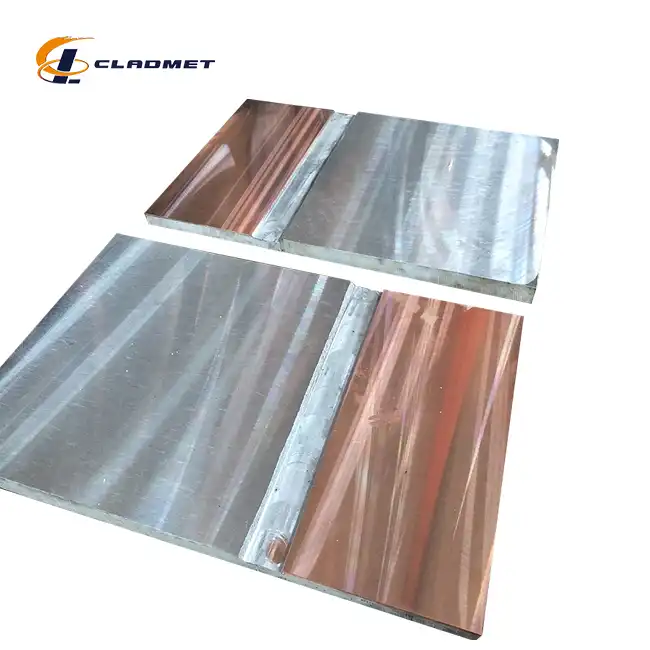
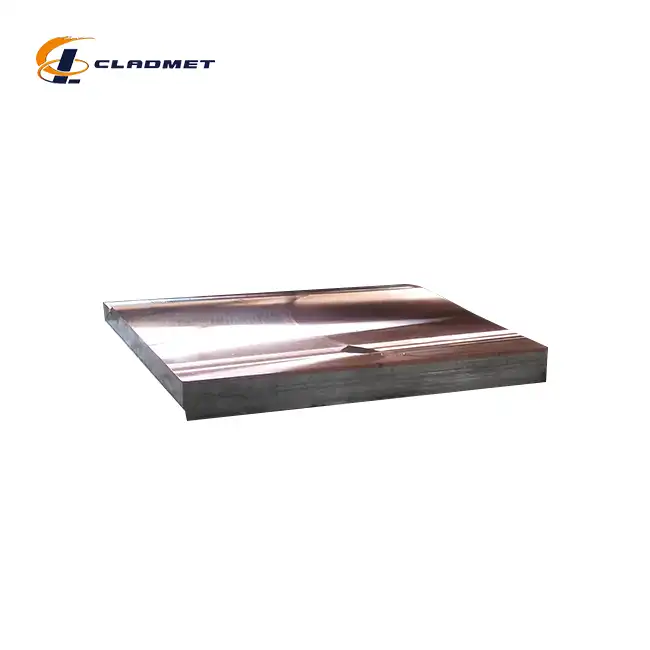
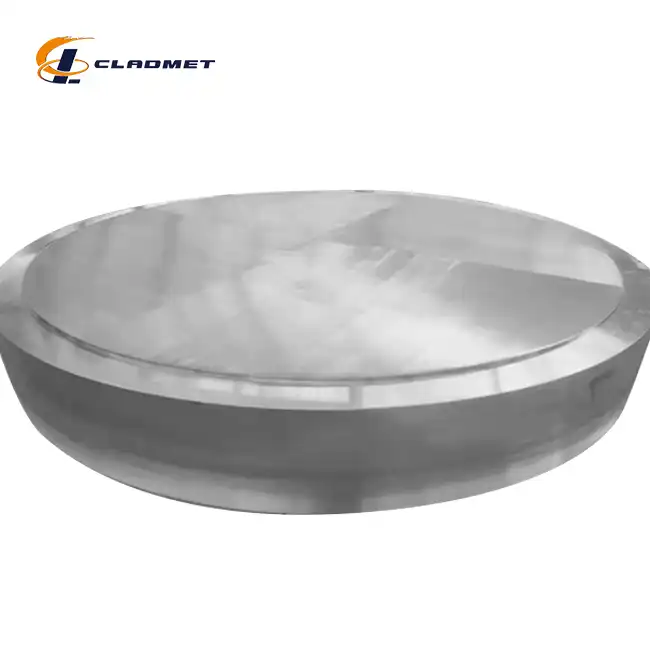
The development of clad metal technology has revolutionized pressure vessel construction by addressing fundamental challenges that single-material solutions cannot overcome. Traditional pressure vessels constructed from standard materials often face premature failure due to corrosion, mechanical stress, or thermal cycling. Corrosion Resistant Titanium Clad Stainless Steel Plates eliminate these vulnerabilities through their engineered structure. The titanium cladding provides an impenetrable barrier against corrosive substances, while the stainless steel substrate maintains structural strength and cost-effectiveness. This dual-layer approach ensures that vessels can operate in environments previously considered too harsh for conventional materials, extending service life significantly and reducing maintenance requirements.
-
Material Selection Critical Success Factors
Selecting appropriate materials for high-performance pressure vessels requires comprehensive understanding of operational parameters, environmental conditions, and long-term performance expectations. Engineers must consider factors including pressure ratings, temperature ranges, chemical compatibility, and mechanical stress patterns when specifying materials. Corrosion Resistant Titanium Clad Stainless Steel Plates excel in applications where multiple performance criteria must be satisfied simultaneously. Their unique construction allows engineers to optimize vessel design for specific operating conditions while maintaining safety margins that exceed industry standards. The material's versatility enables customization of titanium layer thickness and stainless steel grade selection based on application requirements.
Manufacturing Excellence Through Advanced Bonding Technologies
The secret to creating superior pressure vessels lies not only in material selection but also in the sophisticated manufacturing processes that ensure reliable bonding between different metal layers. Advanced bonding technologies have transformed how composite materials are produced, delivering unprecedented reliability and performance.
-
Explosive Bonding Technology
Explosive bonding represents the pinnacle of metallurgical joining technology, creating bonds at the molecular level that exceed the strength of conventional welding or adhesive methods. This process utilizes controlled explosive energy to forge a permanent metallurgical bond between titanium and stainless steel layers, ensuring that Corrosion Resistant Titanium Clad Stainless Steel Plates maintain their integrity under extreme operating conditions. The explosive bonding process begins with meticulous surface preparation of both titanium and stainless steel components, removing any contaminants that could compromise bond quality. Strategic placement of explosive materials creates controlled detonation that generates high-velocity collision between metal layers. The resulting impact creates a wavy interface pattern that provides mechanical interlocking in addition to metallurgical bonding, ensuring maximum strength and durability. This advanced manufacturing technique produces clad plates with bond strengths that often exceed the tensile strength of the base materials themselves. The process is particularly suitable for producing large-format plates required for pressure vessel construction, maintaining consistent bond quality across entire surfaces regardless of plate dimensions.
-
Roll Bonding and Cold Processing Methods
Complementing explosive bonding technology, roll bonding processes offer precision control for specific applications requiring thinner clad materials or specialized surface finishes. This mechanical bonding method employs extreme pressure through precision rollers to achieve solid-state welding between metal layers. Cold rolling processes are particularly effective for producing Corrosion Resistant Titanium Clad Stainless Steel Plates with precise thickness control and superior surface quality. The mechanical pressure creates intimate contact between titanium and stainless steel layers, promoting diffusion bonding that results in strong, reliable joints. Multiple rolling passes can be employed to achieve specific thickness ratios and optimize material properties for particular applications. The cold processing approach offers advantages in producing thin-gauge clad materials while maintaining excellent dimensional control and surface finish quality. This manufacturing method is especially valuable for applications requiring complex forming operations or precise dimensional tolerances.
-
Hot Isostatic Pressing Applications
Hot Isostatic Pressing technology represents the most sophisticated approach to creating high-integrity clad materials for critical pressure vessel applications. This process combines elevated temperature with uniform pressure in controlled atmospheric conditions to achieve diffusion bonding at the atomic level. The HIP process involves encapsulating prepared titanium and stainless steel components within sealed containers, then subjecting them to simultaneous heating and pressurization cycles. The uniform application of heat and pressure promotes atomic diffusion across the interface, creating bonds that exhibit properties indistinguishable from monolithic materials. This technology is particularly valuable for aerospace and nuclear applications where absolute reliability is paramount.
Engineering Solutions for Extreme Operating Environments
High-performance pressure vessels must operate reliably in environments that would destroy conventional materials and designs. The secret to success in extreme applications lies in understanding how different stressors interact and selecting materials that can withstand these combined challenges.
-
Corrosion Resistance in Harsh Chemical Environments
Chemical processing industries present some of the most demanding environments for pressure vessel materials, with aggressive chemicals, elevated temperatures, and high pressures creating conditions that rapidly degrade conventional materials. Corrosion Resistant Titanium Clad Stainless Steel Plates provide exceptional protection against chemical attack while maintaining structural integrity under extreme conditions. The titanium surface layer offers outstanding resistance to most acids, alkalis, and organic chemicals, creating a protective barrier that prevents corrosive substances from reaching the structural stainless steel substrate. This protection is particularly valuable in applications involving chloride-containing environments, where stress corrosion cracking can cause catastrophic failures in conventional stainless steel vessels. Extended service life in corrosive environments translates directly to reduced maintenance costs, improved operational reliability, and enhanced safety performance. The superior corrosion resistance of clad materials allows vessels to operate at higher temperatures and pressures than would be possible with conventional materials.
-
Temperature Cycling and Thermal Stress Management
Pressure vessels operating in applications with significant temperature variations face unique challenges related to thermal expansion, contraction, and stress cycling. Corrosion Resistant Titanium Clad Stainless Steel Plates are engineered to accommodate these thermal stresses while maintaining bond integrity and structural performance. The thermal expansion characteristics of titanium and stainless steel are carefully matched during the manufacturing process to minimize interface stresses during temperature cycling. Advanced bonding techniques ensure that differential expansion does not compromise the metallurgical bond between layers, maintaining vessel integrity throughout operational temperature ranges. Thermal cycling resistance is particularly important in applications such as heat exchangers, reactors, and vessels subjected to frequent startup and shutdown cycles. The enhanced thermal performance of clad materials enables vessels to operate more efficiently while extending service life significantly.
-
Mechanical Strength and Pressure Resistance Optimization
The ultimate test of pressure vessel materials lies in their ability to maintain structural integrity under extreme pressure loadings while resisting fatigue failure over extended service periods. Corrosion Resistant Titanium Clad Stainless Steel Plates deliver exceptional mechanical performance through their engineered composite structure. The stainless steel substrate provides the primary structural strength and pressure resistance, while the titanium cladding contributes to overall mechanical properties without adding significant weight. This combination results in vessels with superior strength-to-weight ratios compared to solid stainless steel or titanium constructions. Fatigue resistance is enhanced through the stress distribution characteristics of the clad structure, where the titanium surface layer helps distribute localized stresses more uniformly across the vessel wall. This stress distribution mechanism reduces the likelihood of crack initiation and propagation, extending vessel service life in cyclic loading applications.
Quality Control and Industry Standards Compliance
The secret behind consistently high-performance pressure vessels lies in rigorous quality control systems and adherence to internationally recognized industry standards. Manufacturing excellence requires comprehensive testing protocols and certification processes that ensure every vessel meets or exceeds performance specifications.
-
International Standards and Certifications
Compliance with international standards such as ASME, ASTM, JIS, and GB/GBT provides the framework for consistent quality and performance in pressure vessel manufacturing. These standards establish minimum requirements for materials, design, fabrication, testing, and documentation that ensure vessels can operate safely in their intended applications. ISO9001-2000 quality management system certification demonstrates commitment to consistent manufacturing processes and continuous improvement. The additional PED and ABS certifications achieved in 2024 provide international recognition of manufacturing capabilities and quality standards compliance. These certifications are particularly important for vessels destined for international markets or applications requiring regulatory approval. Corrosion Resistant Titanium Clad Stainless Steel Plates manufactured under these quality standards provide assurance of consistent performance characteristics and long-term reliability. The comprehensive documentation and traceability requirements of these standards ensure that every aspect of the manufacturing process is controlled and verified.
-
Testing and Validation Protocols
Comprehensive testing protocols verify the performance characteristics of clad materials and finished pressure vessels, ensuring they meet design specifications and safety requirements. Testing begins with raw material verification and continues through every stage of the manufacturing process. Bond integrity testing employs ultrasonic examination, tensile testing, and shear strength evaluation to verify the quality of metallurgical bonds between titanium and stainless steel layers. These tests ensure that Corrosion Resistant Titanium Clad Stainless Steel Plates will maintain their composite structure under operational stresses. Pressure testing validates vessel design and construction quality, with hydrostatic testing at pressures exceeding design ratings providing final verification of structural integrity. Non-destructive testing methods including radiographic examination and magnetic particle inspection identify any manufacturing defects that could compromise performance or safety.
-
Manufacturing Process Controls
Advanced manufacturing process controls ensure consistent quality and performance characteristics in every pressure vessel produced. Statistical process control methods monitor critical parameters throughout manufacturing, identifying trends that could affect product quality before defects occur. Temperature control, pressure monitoring, and timing precision in bonding processes directly affect the quality of Corrosion Resistant Titanium Clad Stainless Steel Plates. Automated control systems maintain optimal processing conditions while documenting process parameters for quality assurance and traceability purposes. Final inspection procedures verify dimensional accuracy, surface finish quality, and marking compliance before vessels are approved for shipment. This comprehensive approach ensures that customers receive products that meet their exact specifications and performance requirements.
Industrial Applications and Performance Benefits
The true measure of high-performance pressure vessels lies in their ability to deliver reliable service across diverse industrial applications. Understanding how different industries utilize these advanced materials reveals the breadth of benefits that Corrosion Resistant Titanium Clad Stainless Steel Plates provide.
-
Chemical Processing and Petrochemical Industries
Chemical processing operations require pressure vessels that can withstand aggressive chemical environments while maintaining structural integrity under high pressures and temperatures. Corrosion Resistant Titanium Clad Stainless Steel Plates excel in these demanding applications, providing extended service life and improved safety performance. Petrochemical refineries utilize these advanced materials in reactors, separators, and heat exchangers where conventional materials would suffer rapid degradation. The superior corrosion resistance and mechanical strength enable vessels to operate at higher efficiency levels while reducing maintenance requirements and operational downtime. Process optimization benefits include improved heat transfer efficiency, reduced fouling rates, and enhanced product purity achieved through superior material compatibility. These operational improvements translate directly to increased profitability and competitive advantages for chemical processing operations.
-
Marine and Offshore Applications
Marine environments present unique challenges for pressure vessel materials, with saltwater exposure, cyclic loading, and harsh weather conditions creating conditions that rapidly degrade conventional materials. Corrosion Resistant Titanium Clad Stainless Steel Plates provide exceptional performance in these challenging applications. Offshore oil and gas operations rely on pressure vessels for critical functions including separation, processing, and storage systems. The superior corrosion resistance and mechanical properties of clad materials enable reliable operation in environments where material failure could result in catastrophic consequences. Extended service life in marine applications reduces the need for costly maintenance operations and vessel replacements, providing significant economic benefits over the vessel lifecycle. The enhanced reliability also improves operational safety in remote offshore locations where emergency response capabilities may be limited.
Conclusion
High-performance pressure vessels achieve exceptional reliability through advanced material engineering, sophisticated manufacturing processes, and rigorous quality control systems that ensure consistent performance across diverse applications and operating conditions.
Cooperate with Baoji JL Clad Metals Materials Co., Ltd.
As a leading China Corrosion Resistant Titanium Clad Stainless Steel Plate manufacturer and China Corrosion Resistant Titanium Clad Stainless Steel Plate supplier, Baoji JL Clad Metals Materials Co., Ltd. specializes in manufacturing high-performance clad materials for demanding industrial applications. Our China Corrosion Resistant Titanium Clad Stainless Steel Plate factory produces superior quality materials meeting international standards including ASME, ASTM, JIS, and GB/GBT requirements.
We are your trusted China Corrosion Resistant Titanium Clad Stainless Steel Plate wholesale partner, offering comprehensive OEM services and customization capabilities. Our High Quality Corrosion Resistant Titanium Clad Stainless Steel Plate products are available for sale with competitive Corrosion Resistant Titanium Clad Stainless Steel Plate prices. Contact us at stephanie@cladmet.com for inquiries and technical specifications.
FAQ
Q: What makes titanium clad stainless steel plates superior for pressure vessels?
A: The combination provides titanium's corrosion resistance with stainless steel's structural strength, delivering enhanced durability and extended service life in demanding applications.
Q: How do explosive bonding techniques ensure reliable material performance?
A: Explosive bonding creates molecular-level metallurgical bonds that exceed conventional welding strength, ensuring the composite structure maintains integrity under extreme operating conditions.
Q: What industries benefit most from high-performance pressure vessels?
A: Chemical processing, petrochemical, marine, aerospace, and pharmaceutical industries utilize these advanced materials for critical applications requiring superior reliability and performance.
Q: How do international certifications impact pressure vessel quality?
A: Certifications like ISO9001-2000, PED, and ABS ensure consistent manufacturing processes, quality control, and compliance with international safety and performance standards.
References
1. "Pressure Vessel Design Manual" by Dennis R. Moss and Michael Basic
2. "Materials and Fabrication Practices for Pressure Vessels" by American Society of Mechanical Engineers
3. "Corrosion-Resistant Materials for Chemical Processing Equipment" by International Association of Corrosion Engineers
4. "Advanced Materials for Pressure Vessel Applications" by Journal of Pressure Vessel Technology