_1737007724117.webp)
_1736996330512.webp)






 2026-01-29 09:00:05
High Strength Titanium Steel Clad Plate represents a revolutionary advancement in pressure vessel manufacturing, combining titanium's exceptional corrosion resistance with steel's mechanical strength and cost-effectiveness. This innovative composite material addresses the critical challenges faced by industries operating under extreme conditions, where traditional materials often fail to deliver the required performance and longevity. The strategic selection of clad plates has become increasingly vital as industries demand higher safety standards, extended service life, and reduced operational costs.
Understanding High Strength Titanium Steel Clad Plates
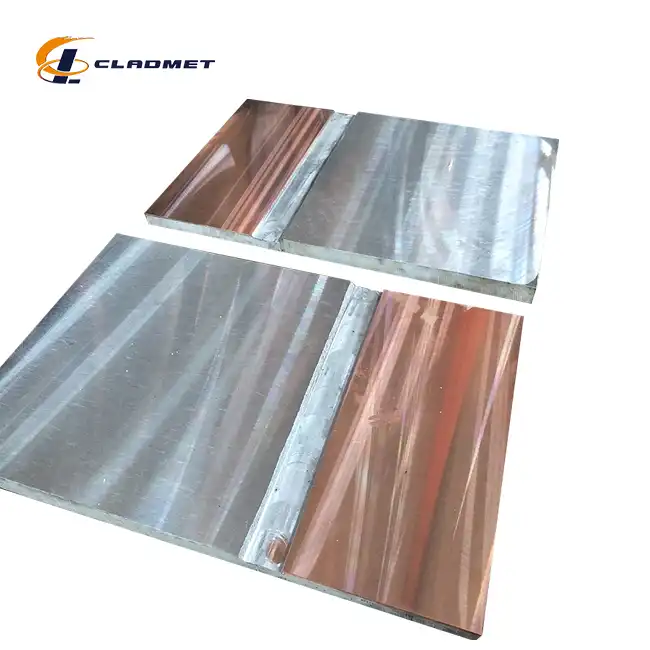
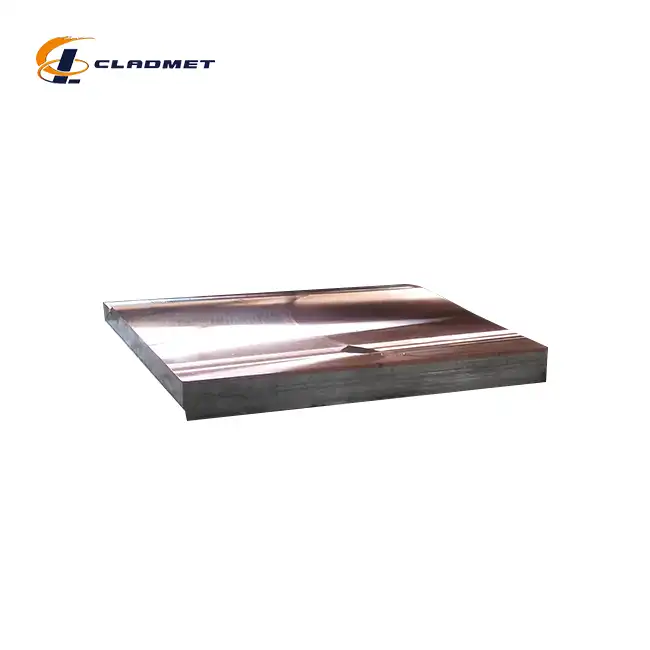
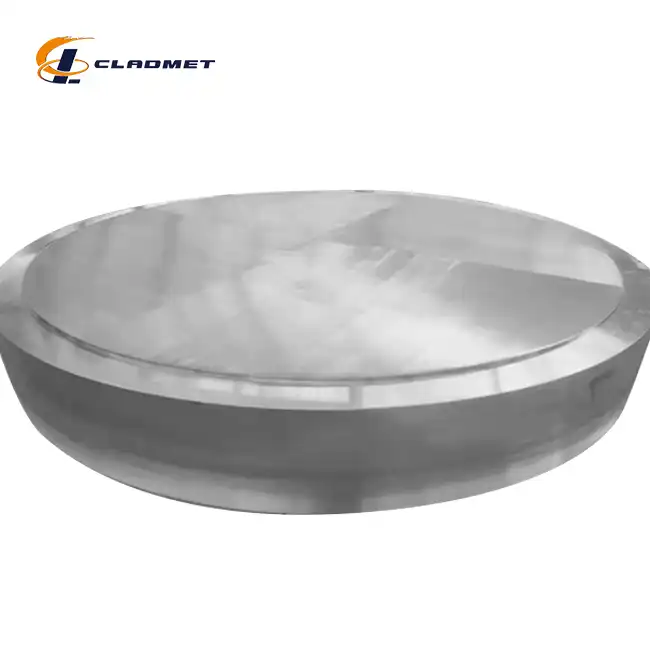
Titanium steel clad plates are sophisticated composite materials engineered through metallurgical bonding processes that unite a titanium layer with a steel substrate. This construction creates a unique material that harnesses the best properties of both metals while minimizing their individual limitations.
Material Composition and Structure
The titanium layer, typically ranging from 2-10mm in thickness, provides exceptional corrosion resistance and biocompatibility. The steel core maintains structural integrity and cost-effectiveness, creating a balanced solution for demanding applications. The metallurgical bond between these layers ensures seamless performance under extreme pressure and temperature conditions.
Key Properties and Characteristics
Clad plates demonstrate remarkable mechanical properties that make them ideal for pressure vessel applications. Here are the fundamental characteristics that distinguish these materials:
- Superior corrosion resistance: The titanium surface layer provides outstanding protection against aggressive chemicals, acids, and chloride environments that commonly challenge traditional materials in industrial settings.
- Enhanced mechanical strength: The steel core delivers exceptional tensile strength and structural stability, ensuring reliable performance under high-pressure operations and thermal cycling conditions.
- Weight optimization: Compared to solid titanium construction, clad plates offer significant weight reduction while maintaining performance standards, making them practical for large-scale industrial applications.
- Cost-effective solution: The composite design provides titanium's benefits at a fraction of the cost of solid titanium construction, making advanced performance accessible to more applications.
These properties combine to create a material solution that addresses the evolving needs of modern pressure vessel manufacturing, where performance, durability, and economic viability must coexist.
Why Use Titanium Steel Clad Plates in Pressure Vessels?
Traditional pressure vessel materials face significant limitations in today's demanding industrial environments. Carbon steel, while economical, suffers from corrosion issues that lead to premature failure and costly maintenance. Stainless steel offers better corrosion resistance but may struggle in highly aggressive chemical environments.
Performance Advantages in Extreme Conditions
Titanium clad plates excel in environments where conventional materials fail. Chemical processing facilities, offshore oil platforms, and pharmaceutical manufacturing operations present challenges that require materials capable of withstanding aggressive media while maintaining structural integrity. The titanium surface layer resists pitting, crevice corrosion, and stress corrosion cracking that commonly affect other materials.
Economic Benefits and Service Life Extension
The enhanced durability of clad plates translates directly into economic advantages. Reduced maintenance requirements, extended service intervals, and improved safety margins contribute to lower total cost of ownership. Industrial data indicates that properly specified clad plate pressure vessels can achieve service lives exceeding 25 years in challenging environments where traditional materials might require replacement within 10-15 years.
Safety and Reliability Enhancements
Pressure vessel failure can have catastrophic consequences, making material reliability paramount. Clad plates provide multiple layers of protection, with the titanium surface acting as a primary barrier against corrosion while the steel core maintains structural integrity. This dual-layer approach creates redundancy that enhances overall system safety.
Manufacturing and Quality Control of Titanium Steel Clad Plates
The production of high-quality clad plates requires sophisticated manufacturing processes and rigorous quality control measures. At JL Clad Metals, we employ advanced explosive bonding technology that creates metallurgical bonds stronger than traditional welding methods.
Advanced Cladding Technologies
Our independent explosive composite technology creates atomic-level bonds between titanium and steel layers. This process ensures uniform bonding across the entire plate surface, eliminating weak points that could compromise performance. The resulting bond strength often exceeds that of the base materials themselves.
Quality Assurance and International Standards
Comprehensive quality control begins with raw material selection and continues through every manufacturing stage. We adhere to strict international standards including ASME/ASTM, GB/GBT, and JIS specifications. Our ISO9001-2000 certification, along with recent PED and ABS qualifications, demonstrates our commitment to quality excellence. Quality verification includes mechanical testing, chemical analysis, ultrasonic inspection, and metallographic examination. Each plate undergoes rigorous testing to verify bond integrity, dimensional accuracy, and material properties before shipment.
Comparing Titanium Steel Clad Plates with Other Metal Clad Plates
Material selection for pressure vessels requires careful consideration of performance requirements, environmental conditions, and economic factors. Understanding how different materials compare helps engineers make informed decisions.
Performance Comparison Analysis
Stainless steel clad plates offer good general corrosion resistance but may struggle in highly acidic or chloride-rich environments. Nickel alloy clads provide excellent high-temperature performance but at significantly higher costs. Titanium clads deliver superior corrosion resistance across a broader range of chemical environments while maintaining reasonable costs.
Cost-Benefit Analysis
While titanium clad plates may have higher initial costs compared to carbon or stainless steel alternatives, their extended service life and reduced maintenance requirements often result in lower lifecycle costs. The ability to operate in environments that would quickly degrade other materials makes them particularly valuable for critical applications.
Selection Criteria for Optimal Performance
Choosing the right clad material depends on specific operating conditions, including temperature ranges, chemical exposure, pressure requirements, and maintenance accessibility. Working with experienced manufacturers helps ensure optimal material selection for each unique application.
Procurement Guide for High Strength Titanium Steel Clad Plates
Successful procurement of clad plates requires understanding technical specifications, supplier capabilities, and quality requirements. This guidance helps purchasing managers navigate the selection process effectively.
Technical Specification Considerations
Key specifications include titanium layer thickness, steel grade selection, overall plate dimensions, and required certifications. Understanding your specific operating conditions helps determine the optimal combination of these factors for your application.
Supplier Evaluation and Partnership
Selecting the right supplier involves evaluating manufacturing capabilities, quality systems, and technical support services. Look for suppliers with proven experience in your industry, comprehensive certifications, and the ability to provide ongoing technical support. JL Clad Metals offers complete OEM and ODM services, allowing customization of plate specifications to meet unique project requirements. Our research and development capabilities ensure access to the latest innovations in clad plate technology.
Conclusion
High strength titanium steel clad plates represent the optimal balance of performance, durability, and economic value for pressure vessel applications. Their unique combination of corrosion resistance, mechanical strength, and cost-effectiveness addresses the challenges faced by modern industrial operations. As industries continue to push operational boundaries, these advanced materials provide the reliability and longevity required for critical applications. The investment in quality clad plates pays dividends through extended service life, reduced maintenance costs, and enhanced safety performance.
Frequently Asked Questions
Q1: What makes titanium steel clad plates suitable for pressure vessels?
A: Titanium steel clad plates combine titanium's exceptional corrosion resistance with steel's mechanical strength, creating an ideal material for pressure vessels operating in aggressive environments. The metallurgical bond ensures reliable performance under high pressure and temperature conditions while providing superior resistance to chemical attack compared to traditional materials.
Q2: How does the corrosion resistance of titanium clad plates compare to stainless steel?
A: Titanium clad plates significantly outperform stainless steel in highly corrosive environments, particularly those involving chlorides, acids, and high-temperature conditions. While stainless steel may suffer from pitting and stress corrosion cracking, titanium's passive oxide layer provides exceptional protection across a broader range of chemical exposures.
Q3: What are the typical lead times for bulk orders of custom titanium steel clad plates?
A: Lead times for custom clad plates typically range from 6-12 weeks depending on specifications, quantities, and current production schedules. JL Clad Metals works closely with customers to establish realistic delivery timelines and can often accommodate urgent requirements through our flexible manufacturing capabilities.
Partner with JL for Premium Titanium Steel Clad Solutions
Upgrade your pressure vessel projects with our industry-leading titanium steel clad plates that deliver unmatched performance and reliability. As a trusted high strength titanium steel clad plate manufacturer, JL Clad Metals combines advanced explosive composite technology with comprehensive quality assurance to meet your most demanding specifications. Our ISO9001-2000 certification, PED and ABS qualifications, and extensive OEM capabilities ensure you receive materials that exceed international standards. Whether you need standard configurations or custom solutions, our technical team provides expert guidance throughout your procurement process. We offer competitive pricing, flexible delivery options, and comprehensive after-sales support to ensure your project success. Ready to experience the JL advantage? Contact us at sales@cladmet.com to discuss your requirements and receive a detailed quote for your next pressure vessel project.
References
1. American Society of Mechanical Engineers. "ASME Boiler and Pressure Vessel Code Section VIII: Rules for Construction of Pressure Vessels." 2021 Edition.
2. Boyer, Rodney R. "An Overview on the Use of Titanium in the Aerospace Industry." Materials Science and Engineering Journal, Vol. 213, 2018.
3. Davis, Joseph R. "Titanium and Titanium Alloys: Properties and Applications in Pressure Vessel Manufacturing." ASM International Handbook, 2020.
4. International Organization for Standardization. "ISO 15547: Petroleum and Natural Gas Industries - Plate-type Heat Exchangers - Titanium Clad Materials." 2019.
5. Lippold, John C. "Welding Metallurgy and Weldability of Titanium Alloys in Industrial Applications." Welding Research Council Bulletin, No. 456, 2019.
6. Zhang, Wei and Liu, Ming. "Explosive Bonding Technology for Titanium-Steel Composite Plates: Manufacturing and Quality Control." Journal of Materials Processing Technology, Vol. 285, 2020.