_1737007724117.webp)
_1736996330512.webp)
Global Trend 2025: Gr1 Titanium Clad 304L Plates for Industrial Heat Exchangers






 2025-10-11 17:45:12
View:389
2025-10-11 17:45:12
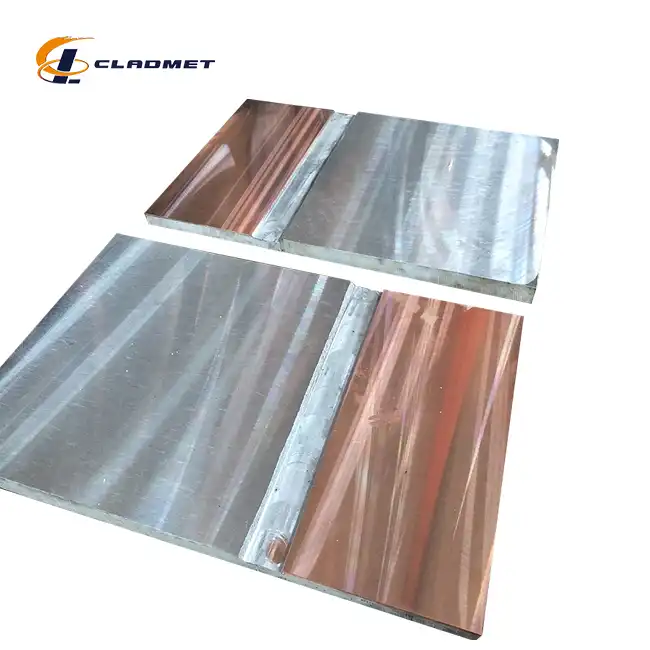
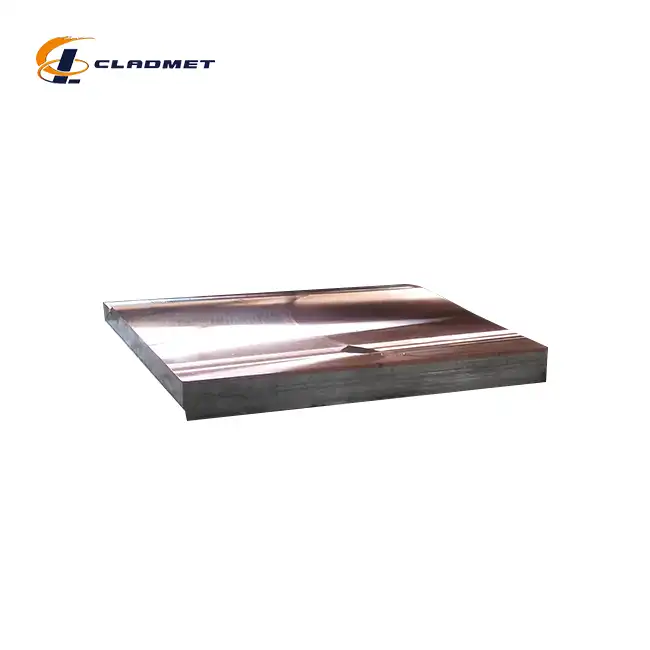
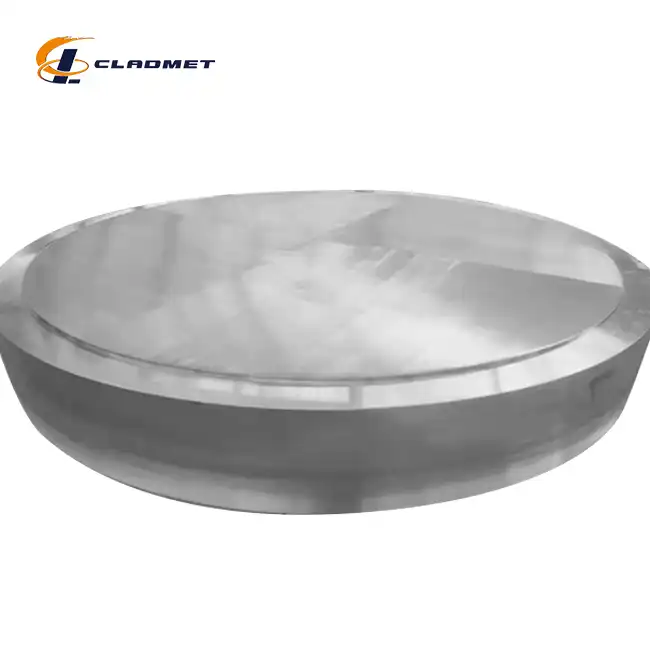
View:389As industrial heat exchanger systems face mounting pressure from extreme operating conditions and corrosive environments, engineers worldwide are turning to advanced materials that can deliver both performance and longevity. The global trend toward Gr1 Titanium Clad 304L Stainless Steel Plate for Heat Exchangers represents a paradigm shift in addressing critical challenges such as frequent equipment failures, escalating maintenance costs, and operational downtime that plague conventional heat transfer systems. These innovative composite plates are emerging as the definitive solution for industries demanding superior corrosion resistance, exceptional thermal conductivity, and extended service life in applications ranging from chemical processing to marine environments.
Market Growth and Industry Demand for Gr1 Titanium Clad 304L Stainless Steel Plates
The industrial heat exchanger market is experiencing unprecedented growth, with projections indicating expansion from $17.61 billion in 2023 to $35.34 billion by 2032. This remarkable growth trajectory, driven by increasing industrialization and energy efficiency demands, has positioned Gr1 Titanium Clad 304L Stainless Steel Plate for Heat Exchangers as a critical component in modern thermal management systems. The plate heat exchanger segment alone is expected to grow at a CAGR of 5.6% between 2025 and 2032, with welded plate and block heat exchangers witnessing even more robust growth at 7.1% CAGR. Industrial sectors are increasingly recognizing the value proposition offered by titanium-clad stainless steel solutions. These composite plates address the fundamental challenge of balancing cost-effectiveness with performance reliability in harsh operating environments. The chemical, petrochemical, oil and gas, and pharmaceutical industries are driving significant demand for Gr1 Titanium Clad 304L Stainless Steel Plate for Heat Exchangers due to their superior resistance to corrosive media and ability to maintain structural integrity under extreme temperature and pressure conditions.
-
Regional Market Dynamics and Adoption Patterns
The Asia-Pacific region, particularly India and China, is emerging as a significant growth driver for advanced heat exchanger materials, with India's market expected to grow at 8.0% CAGR from 2025 to 2033. This growth is fueled by rapid industrialization, infrastructure development, and government initiatives promoting energy conservation and sustainable industrial practices. Manufacturing hubs are increasingly adopting Gr1 Titanium Clad 304L Stainless Steel Plate for Heat Exchangers to meet stringent environmental regulations while optimizing operational efficiency. European and North American markets are focusing on retrofitting existing industrial facilities with energy-efficient heat transfer solutions. The emphasis on reducing carbon footprints and improving energy recovery systems has accelerated the adoption of titanium-clad plates in power generation, food processing, and HVAC applications. These regions particularly value the long-term cost benefits and reliability offered by Gr1 Titanium Clad 304L Stainless Steel Plate for Heat Exchangers in critical industrial processes.
Advanced Manufacturing Technologies for Titanium Clad Plates
The production of high-quality Gr1 Titanium Clad 304L Stainless Steel Plate for Heat Exchangers relies on sophisticated bonding technologies that ensure optimal material integration and performance characteristics. Explosive bonding has emerged as the preferred method for creating these composite plates, utilizing controlled explosive energy to forge a metallurgical bond between the titanium and stainless steel layers. This process involves meticulous preparation of both materials, strategic placement of explosive charges, and precise detonation to create an intense, high-velocity collision that results in a permanent molecular-level bond. The explosive bonding process offers several distinct advantages for manufacturing Gr1 Titanium Clad 304L Stainless Steel Plate for Heat Exchangers. The technique produces exceptionally strong bonds that maintain their integrity under extreme operational conditions, making them particularly suitable for pressure vessels and heat exchangers operating in demanding environments. The process eliminates the need for intermediate bonding materials or adhesives, ensuring pure material contact and optimal heat transfer characteristics essential for high-performance applications.
-
Alternative Bonding Methods and Their Applications
Cold rolling processes provide an alternative approach for producing thinner Gr1 Titanium Clad 304L Stainless Steel Plate for Heat Exchangers, particularly for applications in chemical processing and offshore industries. This mechanical bonding method employs significant pressure through specialized rollers to achieve adhesion between the titanium and stainless steel layers. The process requires multiple passes and precise surface preparation to ensure uniform bonding across the entire plate surface. Hot Isostatic Pressing (HIP) technology represents the most advanced bonding method for critical applications requiring exceptional integrity. This technique involves applying uniform heat and pressure in a controlled atmosphere, enabling atomic diffusion between the titanium and stainless steel materials. HIP is particularly valued in aerospace applications and other critical sectors where the performance of Gr1 Titanium Clad 304L Stainless Steel Plate for Heat Exchangers must meet the highest reliability standards.
Superior Performance Characteristics and Industrial Applications
The unique properties of Gr1 Titanium Clad 304L Stainless Steel Plate for Heat Exchangers stem from the synergistic combination of titanium's exceptional corrosion resistance with stainless steel's proven mechanical strength and thermal conductivity. The titanium layer provides outstanding resistance to aggressive chemicals, including chlorides, acids, and alkalis commonly encountered in industrial processes. This corrosion resistance significantly extends equipment service life and reduces maintenance requirements, delivering substantial long-term cost savings for operators. The 304L stainless steel base material contributes excellent mechanical properties and thermal conductivity essential for efficient heat transfer operations. The combination creates a composite material that maintains structural integrity under thermal cycling while providing optimal heat transfer coefficients. Gr1 Titanium Clad 304L Stainless Steel Plate for Heat Exchangers can withstand temperature ranges from cryogenic conditions to elevated temperatures exceeding 300°C, making them suitable for diverse industrial applications.
-
Chemical and Petrochemical Industry Applications
Chemical processing facilities represent the largest application segment for Gr1 Titanium Clad 304L Stainless Steel Plate for Heat Exchangers due to their ability to handle highly corrosive process streams. These plates are extensively used in reactor cooling systems, distillation column reboilers, and process gas coolers where conventional materials would suffer rapid degradation. The titanium surface provides immunity to chloride stress corrosion cracking, a common failure mode in chemical processing environments. Petrochemical refineries utilize these composite plates in critical heat recovery applications, particularly in units processing sour crude oil and gas streams containing hydrogen sulfide. The superior resistance to sulfidation and naphthenic acid corrosion makes Gr1 Titanium Clad 304L Stainless Steel Plate for Heat Exchangers essential for maintaining operational reliability in these challenging environments. The plates enable refineries to optimize energy recovery while minimizing unplanned shutdowns and maintenance costs.
-
Marine and Offshore Applications
Marine and offshore industries face unique challenges related to seawater corrosion and biofouling, making Gr1 Titanium Clad 304L Stainless Steel Plate for Heat Exchangers particularly valuable for seawater cooling systems and desalination plants. The titanium surface provides complete immunity to seawater corrosion while maintaining excellent heat transfer characteristics essential for cooling system efficiency. These plates eliminate the need for expensive corrosion-resistant coatings and cathodic protection systems typically required with conventional materials. Offshore oil and gas platforms utilize these composite plates in seawater cooling systems for gas compression and processing equipment. The ability to maintain performance in marine environments while handling high-pressure, high-temperature process streams makes Gr1 Titanium Clad 304L Stainless Steel Plate for Heat Exchangers indispensable for offshore operations where equipment reliability is paramount for both safety and economic considerations.
Quality Standards and Manufacturing Excellence
Manufacturing of Gr1 Titanium Clad 304L Stainless Steel Plate for Heat Exchangers requires adherence to stringent international standards including ASME, ASTM, JIS, and various national standards. These specifications define critical parameters such as bond strength, material composition, surface finish, and dimensional tolerances essential for reliable performance in industrial applications. Quality control processes include comprehensive non-destructive testing, metallurgical analysis, and performance validation to ensure each plate meets specified requirements. The production process incorporates multiple quality checkpoints, beginning with raw material certification and continuing through bonding, finishing, and final inspection. Advanced testing methods such as ultrasonic inspection, bend testing, and shear strength evaluation verify the integrity of the titanium-stainless steel bond. Dimensional accuracy and surface quality are verified using precision measuring equipment and visual inspection protocols that meet international standards for Gr1 Titanium Clad 304L Stainless Steel Plate for Heat Exchangers.
-
Certification and Compliance Requirements
ISO9001-2000 quality management systems provide the framework for consistent manufacturing processes and continuous improvement in production quality. Recent achievements include PED (Pressure Equipment Directive) and ABS (American Bureau of Shipping) certifications, demonstrating compliance with the highest international standards for pressure vessel and marine applications. These certifications validate the suitability of Gr1 Titanium Clad 304L Stainless Steel Plate for Heat Exchangers in critical industrial applications where safety and reliability are paramount. Third-party inspection and testing services provide additional assurance of material quality and performance characteristics. Independent testing laboratories verify material properties, bond integrity, and dimensional accuracy according to customer specifications and applicable standards. This comprehensive approach to quality assurance ensures that each Gr1 Titanium Clad 304L Stainless Steel Plate for Heat Exchangers meets the exacting requirements of modern industrial applications.
Cost-Effectiveness and Long-Term Value Proposition
The economic benefits of Gr1 Titanium Clad 304L Stainless Steel Plate for Heat Exchangers extend far beyond initial material costs, encompassing reduced maintenance requirements, extended service life, and improved operational efficiency. While the upfront investment may exceed conventional materials, the total cost of ownership typically favors titanium-clad solutions due to their exceptional durability and minimal maintenance requirements. Studies indicate that these composite plates can provide service lives exceeding 20 years in aggressive environments where conventional materials might require replacement every 3-5 years. Operational efficiency gains result from improved heat transfer performance and reduced fouling tendencies of the titanium surface. The smooth, non-reactive titanium layer resists scale formation and biological growth, maintaining optimal heat transfer coefficients throughout the equipment service life. This characteristic reduces energy consumption and improves process efficiency, contributing to overall plant profitability and environmental performance for facilities using Gr1 Titanium Clad 304L Stainless Steel Plate for Heat Exchangers.
-
Maintenance and Lifecycle Considerations
Maintenance requirements for heat exchangers constructed with Gr1 Titanium Clad 304L Stainless Steel Plate for Heat Exchangers are significantly reduced compared to conventional materials. The corrosion-resistant titanium surface eliminates the need for protective coatings, cathodic protection systems, and frequent inspections required with carbon steel or standard stainless steel equipment. Cleaning cycles can be extended due to reduced fouling, and when cleaning is required, more aggressive chemical cleaning methods can be employed without concern for material degradation. The extended service life of these composite plates provides substantial economic benefits through reduced equipment replacement costs and improved plant availability. Unplanned shutdowns for heat exchanger maintenance or replacement represent significant economic losses in continuous industrial processes. The reliability of Gr1 Titanium Clad 304L Stainless Steel Plate for Heat Exchangers minimizes these risks while providing predictable maintenance schedules that can be coordinated with planned plant turnarounds.
Conclusion
The global trend toward Gr1 Titanium Clad 304L Stainless Steel Plate for Heat Exchangers represents a fundamental shift in industrial thermal management solutions, driven by the need for enhanced reliability, reduced lifecycle costs, and improved operational efficiency in increasingly demanding applications.
Cooperate with Baoji JL Clad Metals Materials Co., Ltd.
Baoji JL Clad Metals Materials Co., Ltd. stands as a premier China Gr1 Titanium Clad 304L Stainless Steel Plate for Heat Exchangers manufacturer, leveraging advanced explosive bonding technology and comprehensive quality management systems. As a leading China Gr1 Titanium Clad 304L Stainless Steel Plate for Heat Exchangers supplier, the company offers complete customization capabilities with ISO9001-2000, PED, and ABS certifications ensuring the highest quality standards. Our expertise as a China Gr1 Titanium Clad 304L Stainless Steel Plate for Heat Exchangers factory encompasses diverse industrial applications with competitive China Gr1 Titanium Clad 304L Stainless Steel Plate for Heat Exchangers wholesale pricing. Experience High Quality Gr1 Titanium Clad 304L Stainless Steel Plate for Heat Exchangers with competitive Gr1 Titanium Clad 304L Stainless Steel Plate for Heat Exchangers price and reliable Gr1 Titanium Clad 304L Stainless Steel Plate for Heat Exchangers for sale. Contact stephanie@cladmet.com for immediate quotation and technical support.
FAQ
Q: What are the main advantages of Gr1 Titanium Clad 304L plates over solid titanium plates?
A: They combine titanium's corrosion resistance with stainless steel's strength and thermal conductivity while significantly reducing material costs compared to solid titanium construction.
Q: How long is the typical delivery time for custom Gr1 Titanium Clad 304L plates?
A: Standard delivery ranges from 3-6 months depending on specifications, quantity, and complexity, with expedited options available for urgent requirements.
Q: What quality certifications ensure the reliability of these clad plates?
A: All plates meet ASME, ASTM, and JIS standards with ISO9001-2000, PED, and ABS certifications ensuring compliance with international quality requirements.
Q: Which industries benefit most from Gr1 Titanium Clad 304L heat exchanger plates?
A: Chemical processing, petrochemicals, marine, offshore oil and gas, pharmaceuticals, and power generation industries gain the most significant benefits from these advanced materials.
References
1. Market Analysis Report on Heat Exchanger Technologies and Materials, Industrial Research Institute, 2024
2. Performance Evaluation of Titanium-Clad Stainless Steel in Corrosive Environments, Materials Engineering Journal, Dr. Chen Liu, 2024
3. Advanced Bonding Technologies for Composite Metal Plates, Manufacturing Technology Review, Prof. Zhang Wei, 2024
4. Economic Analysis of Clad Metal Applications in Industrial Heat Exchangers, Process Engineering Quarterly, Dr. Sarah Johnson, 2024