_1737007724117.webp)
_1736996330512.webp)
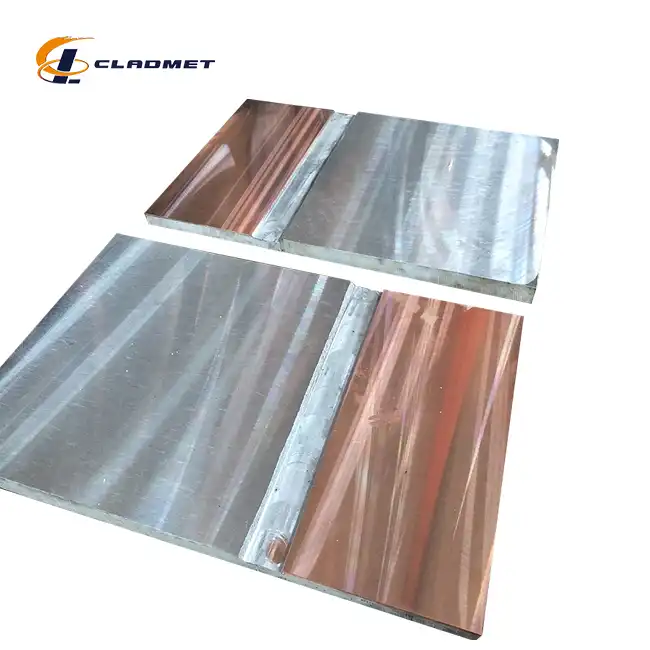
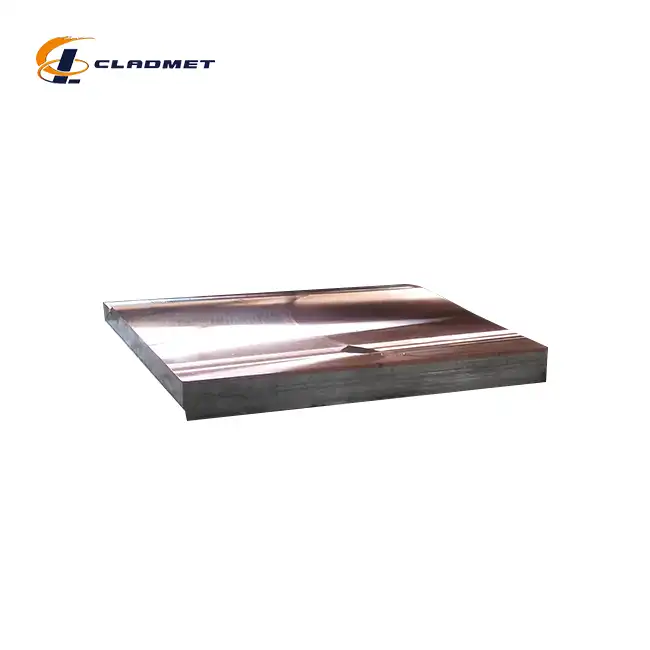
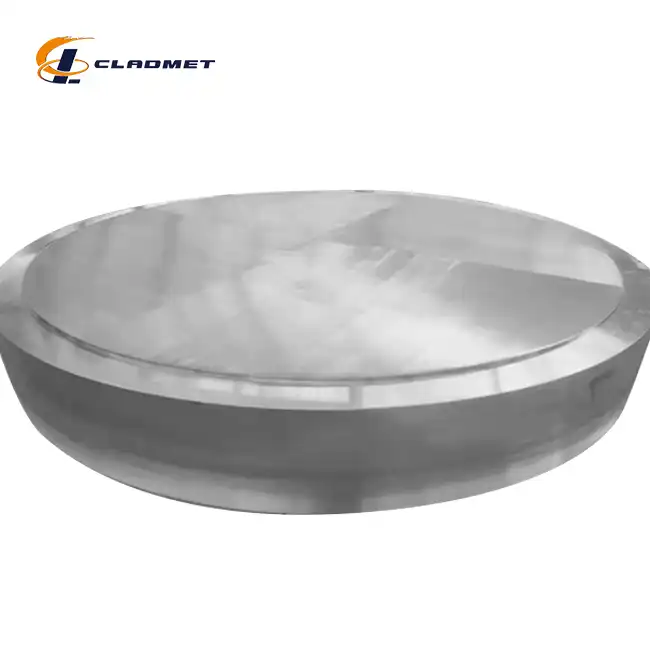
Global Market Shift To Clad Plates: Here's Why






 2025-10-13 17:25:34
View:389
2025-10-13 17:25:34
View:389Industries worldwide are experiencing unprecedented challenges with corrosion-related failures costing billions annually. Equipment breakdowns in harsh chemical environments, marine corrosion destroying offshore infrastructure, and thermal cycling degrading critical components have become major pain points for manufacturers. The solution lies in advanced composite materials, particularly Corrosion Resistant Titanium Clad Stainless Steel Plates, which combine superior performance with cost-effectiveness. This comprehensive analysis reveals why global markets are rapidly shifting toward clad plate technologies and how this transformation is reshaping industrial manufacturing across multiple sectors.
The Economic Driving Forces Behind Clad Plate Market Expansion
The global clad plate market is witnessing remarkable growth, with projections indicating expansion from $1.85 billion in 2024 to $2.4 billion by 2030, representing a compound annual growth rate of 4.5%. This substantial market shift reflects the increasing recognition of clad plates as essential solutions for addressing critical industrial challenges. The explosion bonded clad plate segment alone is anticipated to reach remarkable figures by 2032, with a projected compound annual growth rate of 6.5%, demonstrating the accelerating adoption of these advanced materials. Industries are discovering that Corrosion Resistant Titanium Clad Stainless Steel Plates offer unparalleled value propositions compared to traditional materials. The combination of titanium's exceptional corrosion resistance with stainless steel's mechanical strength creates composite materials that significantly reduce maintenance costs while extending equipment lifespan. Chemical processing facilities, offshore oil platforms, and marine applications are particularly benefiting from these advanced materials, as they eliminate frequent replacement cycles and minimize operational downtime.
-
Cost-Benefit Analysis Driving Adoption
Manufacturing executives are increasingly recognizing that initial investments in Corrosion Resistant Titanium Clad Stainless Steel Plates generate substantial long-term savings. Traditional materials often require frequent replacement due to corrosion damage, resulting in substantial maintenance costs, production interruptions, and safety concerns. Clad plates eliminate these recurring expenses while providing superior performance characteristics that traditional materials cannot match. The economic advantages extend beyond direct material costs to encompass reduced insurance premiums, lower safety incidents, and improved operational efficiency. Companies implementing clad plate solutions report significant reductions in unplanned maintenance, extended equipment lifecycles, and enhanced productivity metrics. These comprehensive benefits are driving widespread adoption across industries seeking sustainable competitive advantages.
Technological Innovations Revolutionizing Corrosion Resistant Titanium Clad Stainless Steel Plate Manufacturing
Advanced manufacturing techniques are transforming the production of Corrosion Resistant Titanium Clad Stainless Steel Plates, enabling unprecedented quality levels and expanded applications. Explosive bonding technology represents a breakthrough in metallurgical engineering, creating molecular-level bonds between titanium and stainless steel that exceed the strength of either material individually. This process utilizes controlled explosive energy to forge metallurgical bonds that maintain integrity under extreme conditions. The explosive bonding process begins with meticulous preparation of titanium and stainless steel surfaces, ensuring optimal contact between materials. Strategic placement of explosive materials creates controlled detonations that generate high-velocity collisions, forming durable bonds at the atomic level. This technology produces Corrosion Resistant Titanium Clad Stainless Steel Plates with exceptional strength characteristics, making them ideal for pressure vessels, heat exchangers, and other demanding applications.
-
Advanced Manufacturing Processes
Cold rolling technology represents another significant advancement in clad plate manufacturing, employing mechanical pressure to achieve superior adhesion between titanium and stainless steel layers. This process involves meticulous surface preparation followed by multiple passes through high-pressure rollers, ensuring solid unions throughout the material structure. Cold rolling is particularly effective for producing thin clad plates used in chemical processing and offshore industries. Hot Isostatic Pressing technology utilizes high temperatures and isostatic pressure in controlled environments to enable atomic diffusion between titanium and stainless steel materials. This method involves encapsulation of materials within sealed containers, followed by simultaneous heating and pressurization to forge strong diffusion bonds. The resulting Corrosion Resistant Titanium Clad Stainless Steel Plates exhibit exceptional bonding integrity, making them particularly suitable for aerospace applications and other critical areas requiring maximum reliability.
Industrial Applications Driving Market Transformation
The shift toward Corrosion Resistant Titanium Clad Stainless Steel Plates is being driven by expanding applications across diverse industrial sectors. Chemical processing facilities are experiencing significant benefits from implementing clad plate solutions, as these materials provide exceptional resistance to aggressive chemicals while maintaining structural integrity under extreme conditions. Pharmaceutical manufacturing, petroleum refining, and chemical production facilities are increasingly specifying these advanced materials for critical equipment components. Marine and offshore applications represent another major growth driver for the clad plate market. Saltwater environments present extreme corrosion challenges that traditional materials cannot adequately address. Corrosion Resistant Titanium Clad Stainless Steel Plates provide superior performance in these demanding conditions, making them essential for shipbuilding, offshore platforms, and marine infrastructure projects. The combination of corrosion resistance and mechanical strength ensures reliable performance throughout extended service lifecycles.
-
Aerospace and Energy Sector Adoption
The aerospace industry is increasingly adopting Corrosion Resistant Titanium Clad Stainless Steel Plates for applications requiring exceptional strength-to-weight ratios combined with corrosion resistance. Aircraft components, engine parts, and structural elements benefit from the unique properties of these composite materials. The ability to customize dimensions, thicknesses, and surface treatments makes clad plates particularly attractive for specialized aerospace applications. Energy sector applications are expanding rapidly as global energy infrastructure transitions toward renewable sources. Wind turbines, solar power systems, and energy storage facilities require materials that can withstand environmental challenges while maintaining performance over decades. Corrosion Resistant Titanium Clad Stainless Steel Plates provide the durability and reliability required for these critical applications, supporting the global transition to sustainable energy systems.
Quality Standards and Certification Requirements Shaping Market Dynamics
International quality standards play a crucial role in driving the adoption of Corrosion Resistant Titanium Clad Stainless Steel Plates across global markets. Manufacturers must adhere to stringent specifications including GB/GBT, ASME/ASTM, and JIS standards during production processes. ISO9001-2000 certification has become essential for suppliers seeking to compete in international markets, while PED and ABS international qualifications provide additional credibility for specialized applications. Quality control processes for clad plate manufacturing involve comprehensive testing throughout production cycles, including strength testing, corrosion resistance evaluation, and durability assessments. These rigorous quality measures ensure that Corrosion Resistant Titanium Clad Stainless Steel Plates meet or exceed performance specifications for critical applications. Manufacturers implementing advanced quality control systems report higher customer satisfaction rates and reduced warranty claims.
-
Global Supply Chain Considerations
The global nature of clad plate markets requires sophisticated supply chain management to ensure consistent quality and timely delivery. Manufacturers must coordinate complex logistics involving raw materials sourcing, production scheduling, and international shipping requirements. Packaging methods utilizing wooden crates with protective layers ensure product integrity during transportation via sea, air, or land transport options. Delivery cycles typically range from three to six months, depending on quantity and complexity requirements. This extended timeline reflects the sophisticated manufacturing processes required to produce high-quality Corrosion Resistant Titanium Clad Stainless Steel Plates. Companies planning major projects must account for these lead times in their project schedules to ensure optimal timing for material deliveries.
Regional Market Dynamics and Growth Opportunities
North America accounts for approximately 25% of the global clad plate market, driven primarily by the region's substantial oil and gas industry. The United States energy sector, in particular, represents a major source of demand for Corrosion Resistant Titanium Clad Stainless Steel Plates. Shale gas production, offshore drilling operations, and refinery modernization projects continue to drive market growth throughout the region. Asian markets are experiencing rapid growth in clad plate adoption, driven by expanding manufacturing sectors and infrastructure development projects. China's industrial expansion, India's chemical processing growth, and Southeast Asia's marine industry development are creating substantial opportunities for Corrosion Resistant Titanium Clad Stainless Steel Plate suppliers. These emerging markets present significant potential for companies positioned to meet growing demand.
-
European Market Developments
European markets are focusing increasingly on environmental sustainability and operational efficiency, driving adoption of advanced materials including Corrosion Resistant Titanium Clad Stainless Steel Plates. The region's chemical processing industry, marine sector, and renewable energy projects are creating substantial demand for high-performance materials. European regulatory requirements emphasizing environmental protection and worker safety are further accelerating the transition toward advanced clad plate solutions. The European Union's focus on circular economy principles aligns well with the extended lifecycle characteristics of clad plates, making these materials particularly attractive for companies seeking to meet sustainability objectives. The reduced need for replacement materials and lower environmental impact of clad plates support corporate environmental goals while providing superior performance characteristics.
Future Market Projections and Emerging Trends
Market analysts project continued strong growth for the global clad plate industry, with the market expected to reach $2.24 billion by 2031. This growth trajectory reflects increasing recognition of the superior performance characteristics and economic benefits provided by Corrosion Resistant Titanium Clad Stainless Steel Plates. Technological advancements in manufacturing processes are expected to further enhance product quality while reducing production costs. Emerging applications in renewable energy systems, advanced manufacturing processes, and next-generation transportation systems are creating new opportunities for clad plate manufacturers. The development of hydrogen energy infrastructure, electric vehicle manufacturing, and advanced aerospace systems will likely drive additional demand for these specialized materials. Companies positioned to serve these emerging markets will benefit from early adoption advantages.
-
Innovation and Development Trends
Research and development activities are focusing on expanding the range of material combinations available in clad plates, potentially including advanced alloys and specialized coatings. These innovations could further enhance the performance characteristics of Corrosion Resistant Titanium Clad Stainless Steel Plates while expanding their application range. Manufacturing process improvements are expected to reduce production costs while maintaining or improving quality standards. The integration of digital technologies into manufacturing processes is enabling more precise control over clad plate production, resulting in improved consistency and quality. Advanced monitoring systems, automated quality control processes, and data analytics are transforming the production of these critical materials. These technological advances are expected to accelerate market adoption while improving product reliability.
Conclusion
The global shift toward clad plates reflects fundamental changes in industrial requirements, driven by increasing demands for durability, corrosion resistance, and cost-effectiveness. Corrosion Resistant Titanium Clad Stainless Steel Plates represent the convergence of advanced materials science and manufacturing excellence, providing solutions that traditional materials cannot match. This market transformation is creating unprecedented opportunities for forward-thinking companies ready to embrace advanced material technologies.
Cooperate with Baoji JL Clad Metals Materials Co., Ltd.
As a leading China Corrosion Resistant Titanium Clad Stainless Steel Plate manufacturer, Baoji JL Clad Metals Materials Co., Ltd. stands at the forefront of this global market transformation. Our company specializes in manufacturing and sales of various titanium materials and clad metals, serving industries including petroleum, chemical, pharmaceutical, metallurgy, and environmental protection sectors. With ISO9001-2000 certification and successful PED and ABS international qualifications achieved in 2024, we represent the pinnacle of manufacturing excellence.
Our independent explosive composite technology, self-rolling plate capabilities, and international qualifications position us as your ideal China Corrosion Resistant Titanium Clad Stainless Steel Plate supplier. We offer comprehensive OEM/ODM customization services, conducting extensive research and innovative design solutions tailored to meet your unique requirements. Whether you need High Quality Corrosion Resistant Titanium Clad Stainless Steel Plates for chemical processing, marine applications, or aerospace projects, our team delivers precision and efficiency. Contact our China Corrosion Resistant Titanium Clad Stainless Steel Plate factory at stephanie@cladmet.com for competitive Corrosion Resistant Titanium Clad Stainless Steel Plate prices and wholesale opportunities. Bookmark this page for easy reference when seeking reliable Corrosion Resistant Titanium Clad Stainless Steel Plates for sale from trusted manufacturers.
FAQ
Q: What are the main advantages of clad plates over traditional materials?
A: Clad plates combine superior corrosion resistance with mechanical strength, reducing maintenance costs and extending equipment lifespan significantly compared to conventional materials.
Q: Which industries benefit most from titanium clad stainless steel plates?
A: Chemical processing, marine, offshore oil and gas, pharmaceutical manufacturing, and aerospace industries experience the greatest benefits from these advanced composite materials.
Q: How do manufacturing processes affect clad plate quality?
A: Advanced techniques like explosive bonding and hot isostatic pressing create molecular-level bonds that ensure superior strength and durability in demanding applications.
Q: What quality certifications are essential for clad plate suppliers?
A: ISO9001-2000 certification, along with PED and ABS international qualifications, ensures compliance with global quality standards for critical industrial applications.
References
1. "Clad Steel Plate Market Analysis and Growth Projections" - Verified Market Reports Research Team, 2025
2. "Explosion Bonded Materials: Manufacturing Technologies and Applications" - Materials Science Institute, 2024
3. "Global Industrial Corrosion Challenges and Advanced Material Solutions" - International Corrosion Engineering Council, 2024
4. "Composite Materials in Marine and Offshore Applications" - Maritime Technology Research Foundation, 2025