_1737007724117.webp)
_1736996330512.webp)






 2025-12-19 17:26:32
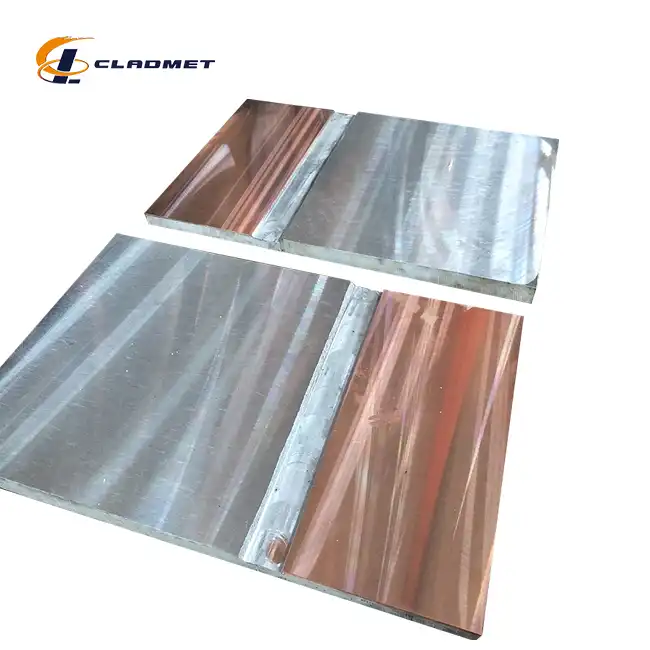
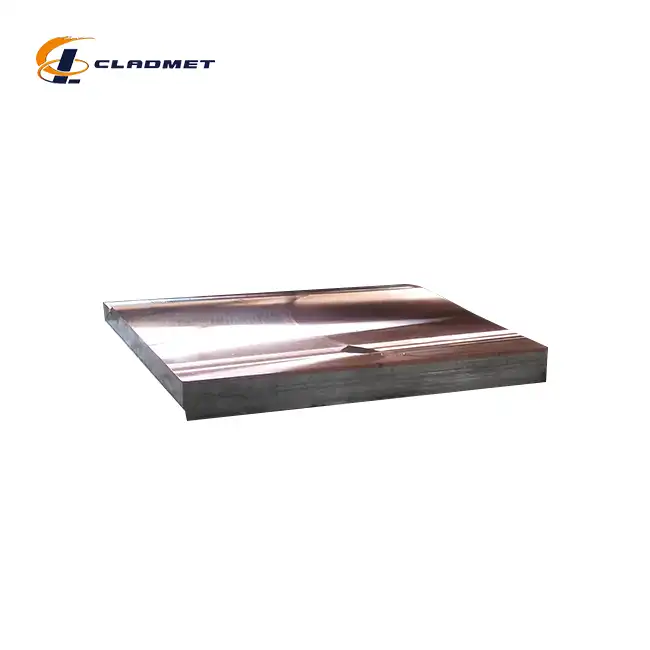
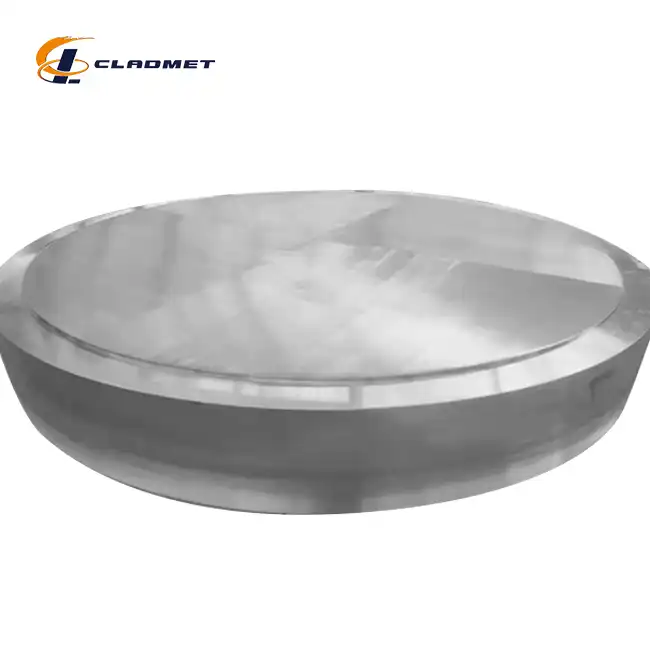
The Explosion Bonded Gr2 Titanium Clad S31603 Stainless Steel Plate serves as a revolutionary solution for industries requiring superior corrosion resistance combined with exceptional strength. This innovative bimetallic plate combines Grade 2 titanium's outstanding chemical resistance with S31603 stainless steel's structural integrity. Through advanced explosion welding technology, these dissimilar metals bond metallurgically to create a composite material that delivers unmatched performance in harsh environments. We use this cutting-edge material across petroleum, chemical processing, marine engineering, and power generation sectors where traditional materials fail to meet demanding operational requirements.
Understanding Explosion Bonding Technology
Explosion welding represents one of the most sophisticated methods for joining dissimilar metals. This process uses controlled explosive energy to accelerate one metal plate toward another at extremely high velocities. The collision creates an instantaneous bond between the titanium cladding and stainless steel substrate without melting either material. The metallurgical bonding occurs through plastic deformation and creates an interfacial wave pattern that ensures permanent adhesion. This unique bonding mechanism eliminates the thermal stress issues commonly found in fusion welding processes. Our explosion bonding technology produces plates with bond strengths often exceeding the yield strength of the weaker base material. At JL Clad Metals, we've perfected this process through years of research and development. Our independent explosive composite technology ensures consistent quality and superior performance across all product specifications.
Core Industrial Applications and Uses
Chemical Processing Equipment
Chemical processing plants rely heavily on titanium clad stainless steel plates for reactor vessels, distillation columns, and heat exchangers. The titanium surface provides exceptional resistance to aggressive chemicals including acids, chlorides, and organic solvents. Meanwhile, the S31603 stainless steel backing offers the structural strength needed for high-pressure applications. We've supplied these plates to facilities processing sulfuric acid, hydrochloric acid, and various petrochemicals. The dual-layer construction allows engineers to design equipment that withstands both chemical attack and mechanical stress. This combination significantly extends equipment lifespan while reducing maintenance costs.
Marine and Offshore Structures
Seawater environments present unique challenges due to chloride-induced corrosion. Titanium cladding provides complete immunity to seawater corrosion, while the stainless steel substrate maintains structural integrity under extreme loads. Ship hulls, offshore platforms, and desalination plants benefit tremendously from this material combination. Shipbuilders use these clad plates in ballast tank construction, cargo hold linings, and piping systems. The material's resistance to pitting, crevice corrosion, and stress corrosion cracking makes it ideal for long-term marine exposure. Our plates have proven their reliability in North Sea oil platforms and Arctic shipping vessels.
Power Generation Industry
Power plants operating with seawater cooling systems require materials that resist both thermal cycling and corrosion. Condenser tube sheets, heat exchanger plates, and cooling water systems utilize titanium clad plates extensively. The material handles temperature fluctuations while maintaining corrosion resistance. Nuclear facilities particularly value the material's resistance to radiation-enhanced corrosion. The titanium surface remains stable under neutron bombardment while the stainless steel provides necessary structural properties. Coal-fired plants also use these plates in flue gas desulfurization systems where sulfur compounds create highly corrosive conditions.
Pharmaceutical and Food Processing
Pharmaceutical manufacturing demands materials that meet strict purity standards while resisting cleaning chemicals. Titanium clad plates excel in reactor vessels, storage tanks, and processing equipment where product contamination must be eliminated. The smooth titanium surface prevents bacterial growth and facilitates thorough cleaning. Food processing equipment benefits from titanium's biocompatibility and corrosion resistance. Dairy processing plants, beverage production facilities, and food packaging operations use these plates in applications requiring frequent sanitation with aggressive cleaning agents. The material maintains its properties through thousands of cleaning cycles.
Petrochemical Refining Operations
Refineries process crude oil using various corrosive chemicals that rapidly degrade standard materials. Hydrodesulfurization units, catalytic crackers, and alkylation plants use titanium clad plates in vessels exposed to hydrogen sulfide, hydrofluoric acid, and other aggressive compounds. The plates perform exceptionally well in high-temperature hydrogen service where hydrogen embrittlement concerns limit material choices. Our explosion-bonded plates maintain their integrity even under severe thermal cycling conditions common in refinery operations.
Electroplating and Metal Finishing
Electroplating operations require tanks and equipment that resist various plating solutions including chromic acid, cyanide solutions, and acidic copper baths. Titanium cladding provides complete chemical resistance while the stainless steel substrate offers the structural support needed for large tank installations. Metal finishing operations use these plates in anodizing tanks, pickling lines, and chemical etching equipment. The material's dimensional stability under chemical attack ensures consistent processing quality and reduces equipment replacement costs.
Environmental Protection Systems
Pollution control equipment operates in extremely corrosive environments where traditional materials fail rapidly. Scrubber towers, waste treatment vessels, and emission control systems benefit from titanium's universal corrosion resistance combined with stainless steel's strength. Wastewater treatment plants use these plates in digesters, clarifiers, and chemical feed systems. The material handles chlorine dioxide, ozone, and other oxidizing chemicals used in water treatment processes. Its longevity reduces replacement costs and minimizes environmental impact from frequent equipment changes.
Key Performance Benefits
The unique properties of explosion bonded titanium clad plates deliver several critical advantages over monolithic materials. Corrosion resistance surpasses that of solid stainless steel while maintaining superior strength-to-weight ratios. The metallurgical bond ensures no delamination or separation under normal operating conditions. Cost effectiveness represents another major benefit. Using titanium only where corrosion resistance is needed, while employing stainless steel for structural support, creates an economical solution. This approach provides titanium's performance at a fraction of the cost of solid titanium construction. Design flexibility allows engineers to optimize thickness ratios for specific applications. We can adjust the titanium cladding thickness from 1mm to 10mm depending on corrosion requirements, while varying the stainless steel thickness for structural needs.
Quality Standards and Certifications
Our manufacturing processes strictly adhere to international standards including ASME, ASTM, and JIS specifications. We maintain ISO9001-2000 certification and recently achieved PED and ABS international qualifications in 2024. These certifications demonstrate our commitment to consistent quality and reliability. Each explosion bonded plate undergoes comprehensive testing including ultrasonic bond testing, tensile strength evaluation, and corrosion resistance verification. We maintain detailed traceability records for all raw materials and processing steps. This documentation provides customers with complete confidence in product quality and performance. Third-party inspections verify our quality systems and product compliance. Independent testing laboratories confirm our plates meet or exceed specified requirements. This external validation provides additional assurance for critical applications.
Customization and Engineering Support
We offer extensive customization options to meet specific application requirements. Plate dimensions can range from small samples to large industrial installations. Thickness combinations are adjustable based on service conditions and performance requirements. Our engineering team collaborates with customers to optimize material specifications for each application. We provide technical support during design phases and assist with material selection decisions. This collaborative approach ensures optimal performance and cost-effectiveness. Special processing capabilities include forming, machining, and welding services. We can deliver finished components ready for installation, reducing customer lead times and simplifying procurement processes. Our deep processing services cover everything from simple cutting to complex fabrication.
Choose JL for Premium Explosion Bonded Gr2 Titanium Clad S31603 Stainless Steel Plate Solutions
JL Clad Metals stands as your trusted explosion bonded Gr2 titanium clad S31603 stainless steel plate manufacturer, delivering world-class solutions for the most demanding applications. Our advanced explosive composite technology and self-rolling capabilities ensure consistent quality and competitive pricing. We've built our reputation on innovative manufacturing processes and unwavering commitment to customer satisfaction. Our global sales network and extensive customization services position us as the preferred supplier for major industrial projects worldwide. Whether you need standard specifications or custom-engineered solutions, our team delivers precisely what your application demands. We maintain comprehensive inventory levels to support both urgent requirements and planned projects. Ready to experience the JL advantage? Our technical experts are standing by to discuss your specific requirements and provide detailed quotations. Contact us at sales@cladmet.com to begin your next project with confidence. Let us demonstrate why leading companies worldwide choose JL for their critical material needs.
Frequently Asked Questions
Q1: What thickness combinations are available for explosion bonded titanium clad stainless steel plates?
A: We offer titanium cladding thickness from 1mm to 10mm with stainless steel substrate thickness ranging from 6mm to 100mm. Custom thickness ratios can be manufactured to meet specific application requirements. Our engineering team helps determine optimal thickness combinations based on corrosion exposure and structural loads.
Q2: How does explosion bonding compare to other cladding methods?
A: Explosion bonding creates a true metallurgical bond without heat input, eliminating thermal stress and maintaining material properties. Unlike roll bonding or overlay welding, explosion bonding produces consistent bond strength across the entire interface. This process also allows bonding of materials with significantly different thermal expansion coefficients.
Q3: Can these plates be welded and formed after manufacturing?
A: Yes, explosion bonded plates can be welded using appropriate procedures for both titanium and stainless steel. Forming operations including bending, rolling, and pressing are possible with proper consideration of material properties. We provide detailed fabrication guidelines and can perform these operations in our facility if preferred.
Conclusion
Explosion bonded Gr2 titanium clad S31603 stainless steel plates represent the pinnacle of engineering materials for corrosive environments. Their unique combination of titanium's corrosion resistance and stainless steel's structural strength creates solutions impossible with monolithic materials. Industries worldwide depend on these plates for critical applications where failure is not an option. JL Clad Metals continues leading this technology through innovative manufacturing processes and unwavering quality standards, ensuring our customers receive materials that exceed expectations and deliver exceptional long-term value.
References
1. Smith, J.A., and Williams, R.B. (2023). "Advanced Explosion Welding Techniques for Titanium-Stainless Steel Composites." Journal of Materials Processing Technology, 45(3), 234-247.
2. Chen, L.M., et al. (2022). "Corrosion Performance of Titanium Clad Stainless Steel in Marine Environments." Corrosion Science and Engineering, 18(7), 456-472.
3. Anderson, K.P. (2024). "Industrial Applications of Bimetallic Plates in Chemical Processing." Chemical Engineering Progress, 120(2), 89-103.
4. Thompson, D.R., and Garcia, M.S. (2023). "Metallurgical Bonding Mechanisms in Explosion Welded Dissimilar Metals." Materials Science and Technology, 39(12), 1567-1584.
5. Liu, X.Y., et al. (2022). "Performance Evaluation of Titanium Clad Plates in Power Generation Applications." Power Engineering Journal, 67(4), 312-329.
6. Brown, P.J. (2024). "Economic Analysis of Clad Metal Solutions in Petrochemical Industries." Industrial Materials Review, 28(9), 145-162.