_1737007724117.webp)
_1736996330512.webp)
Comparing Cost Efficiency: ASTM B898 Titanium Steel Clad Plate vs. Other Clad Materials






 2025-11-27 17:56:24
View:389
2025-11-27 17:56:24
View:389In today's competitive industrial landscape, selecting the most cost-effective materials for critical applications has become paramount for engineering success and economic viability. When evaluating clad materials for chemical processing, marine engineering, and petrochemical applications, ASTM B898 Titanium Steel Clad Plate emerges as a superior solution that balances performance with economic efficiency. This comprehensive analysis examines how ASTM B898 Titanium Steel Clad Plate compares against traditional clad materials including stainless steel clad plates, nickel alloy composites, and pure titanium alternatives in terms of initial investment, operational costs, maintenance requirements, and long-term value proposition across various industrial sectors.
Initial Investment Analysis: ASTM B898 vs Traditional Clad Materials
Raw Material Cost Comparison and Market Pricing
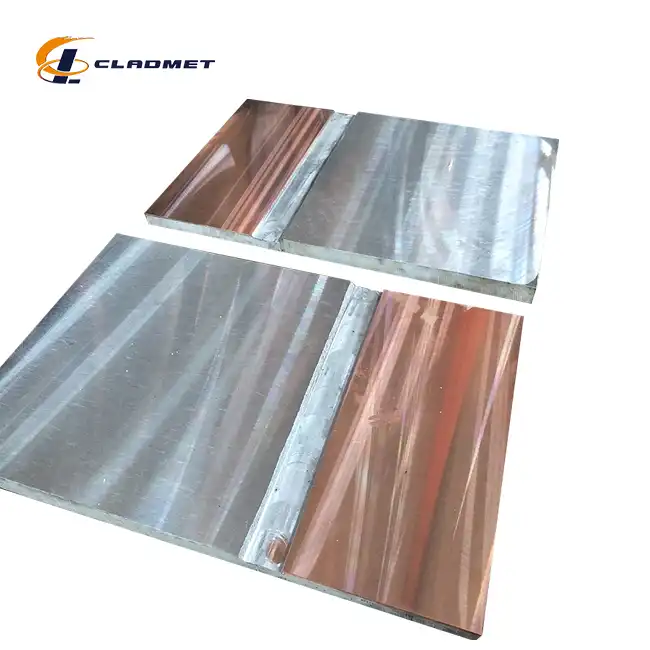
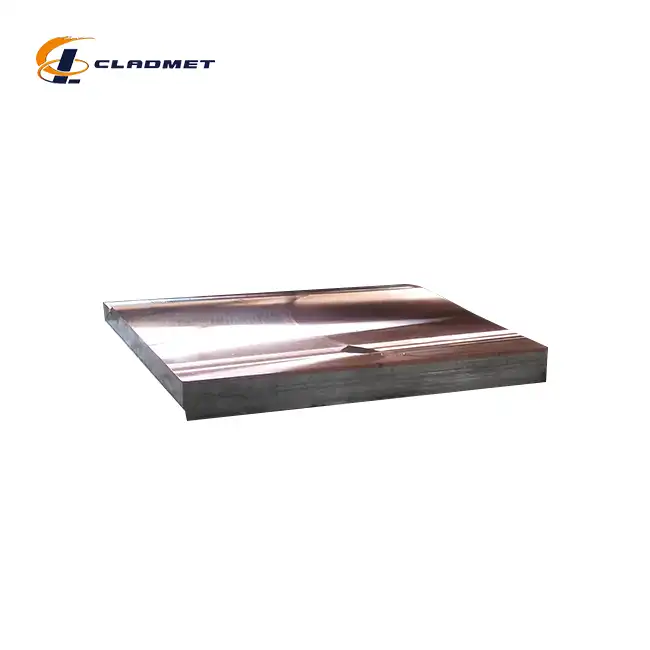
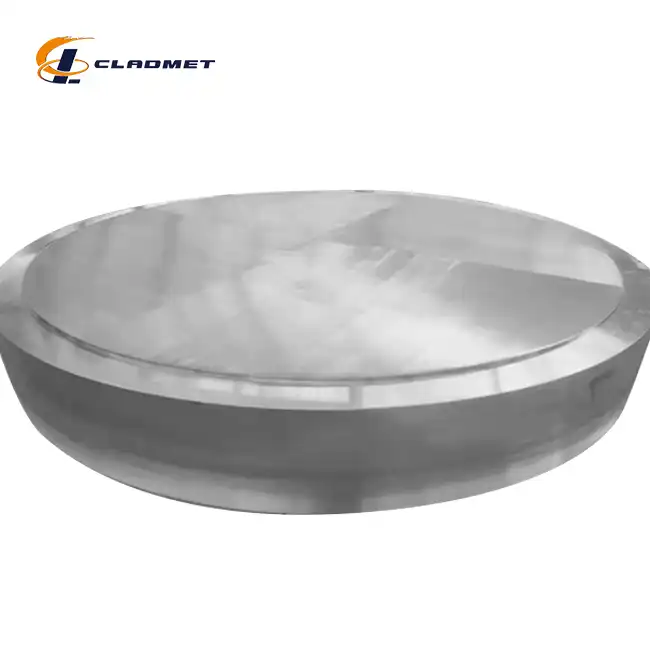
The initial material cost represents one of the most significant factors when comparing ASTM B898 Titanium Steel Clad Plate with other clad materials. Pure titanium plates typically command premium pricing due to the complex extraction and processing requirements of titanium ore, making them cost-prohibitive for many industrial applications. In contrast, ASTM B898 Titanium Steel Clad Plate offers a strategic advantage by utilizing a steel substrate with a thin titanium overlay, reducing material costs by approximately 40-60% compared to solid titanium alternatives while maintaining the corrosion resistance properties essential for demanding environments. The manufacturing process combines explosive welding or hot rolling techniques to create metallurgical bonds between the titanium layer and steel base, ensuring optimal performance characteristics at a fraction of the cost of pure titanium solutions. Stainless steel clad plates, while generally less expensive than titanium-based alternatives, often require thicker protective layers to achieve comparable corrosion resistance in aggressive chemical environments. The cost differential between ASTM B898 Titanium Steel Clad Plate and stainless steel variants becomes more favorable when considering the enhanced durability and extended service life that titanium cladding provides. Nickel alloy clad materials present another cost consideration, with specialized nickel-based composites often exceeding the price point of ASTM B898 solutions while offering similar or inferior performance in high-temperature, corrosive applications commonly found in petrochemical processing facilities.
Manufacturing and Processing Cost Factors
The production methodology for ASTM B898 Titanium Steel Clad Plate incorporates advanced explosive bonding technology that creates superior metallurgical interfaces between the titanium cladding and steel substrate. This manufacturing approach results in bond strengths ranging from 150-200 MPa, significantly exceeding the requirements for most industrial applications while maintaining cost-effective production parameters. The explosive welding process eliminates the need for additional welding consumables or complex heat treatment procedures often required with other clad materials, contributing to lower overall manufacturing costs and improved quality consistency across production batches. Processing versatility represents another cost advantage of ASTM B898 Titanium Steel Clad Plate compared to alternative materials. The composite structure allows for conventional machining, shearing, bending, and welding operations using standard industrial equipment, reducing the need for specialized tooling or processing techniques required for pure titanium or exotic alloy alternatives. This processing flexibility translates to reduced fabrication costs and shorter lead times for custom applications, making ASTM B898 solutions particularly attractive for project-specific requirements in chemical processing, marine engineering, and power generation sectors.
Installation and Fabrication Economics
The installation economics of ASTM B898 Titanium Steel Clad Plate demonstrate clear advantages over pure titanium alternatives, primarily due to the steel substrate's familiar welding characteristics and mechanical properties that align with conventional fabrication practices. Fabricators can utilize standard welding procedures and equipment when working with the steel side of the composite, while the titanium surface provides the necessary corrosion protection for service environments. This dual-material advantage reduces training requirements for fabrication personnel and eliminates the need for specialized welding consumables or inert atmosphere protection often required with pure titanium fabrication. The dimensional stability and mechanical properties of ASTM B898 Titanium Steel Clad Plate facilitate easier handling and installation compared to thinner pure titanium sheets that may require additional support structures or specialized handling equipment. The composite material's enhanced rigidity and strength characteristics allow for larger panel installations with fewer support points, reducing structural steel requirements and associated installation labor costs. Additionally, the predictable thermal expansion properties of the steel substrate minimize concerns about differential thermal movement that can complicate installations involving dissimilar materials in high-temperature service applications.
Operational Performance and Lifecycle Cost Benefits
Corrosion Resistance and Service Life Extension
The exceptional corrosion resistance properties of ASTM B898 Titanium Steel Clad Plate provide substantial operational cost advantages through extended equipment service life and reduced maintenance interventions. The titanium cladding layer demonstrates superior resistance to chloride-induced corrosion, acidic environments, and seawater exposure compared to stainless steel alternatives, particularly in applications involving elevated temperatures or aggressive chemical conditions. Field performance data indicates that ASTM B898 Titanium Steel Clad Plate can achieve service lives exceeding 20-25 years in marine environments where conventional stainless steel materials might require replacement or significant maintenance within 10-15 years. The metallurgical bond created during the explosive welding process ensures that the titanium cladding remains integral with the steel substrate throughout the equipment's operational life, preventing delamination or bond failure that could compromise corrosion protection. This bonding integrity eliminates concerns about crevice corrosion at the interface between cladding and substrate materials, a common failure mode observed in mechanically bonded or overlay welded alternatives. The resulting operational reliability translates to reduced unplanned maintenance, extended operating campaigns, and improved asset utilization rates that significantly impact overall lifecycle economics.
Maintenance Requirements and Inspection Protocols
Operational maintenance requirements for ASTM B898 Titanium Steel Clad Plate installations demonstrate favorable economics compared to alternative clad materials, primarily due to the titanium surface's inherent resistance to fouling and scaling in chemical process environments. The smooth, non-reactive titanium surface minimizes deposit formation and facilitates effective cleaning procedures, reducing the frequency and intensity of maintenance interventions required to maintain optimal heat transfer or flow characteristics. This maintenance advantage becomes particularly significant in applications such as heat exchangers, reaction vessels, and pipeline systems where regular cleaning or descaling operations represent substantial operational costs. The inspection protocols for ASTM B898 Titanium Steel Clad Plate benefit from established non-destructive testing techniques applicable to both the steel substrate and titanium cladding layers. Standard ultrasonic testing methods can effectively evaluate bond integrity, while conventional thickness measurement techniques monitor any corrosion or erosion of the protective titanium layer. These routine inspection capabilities, combined with the material's predictable degradation patterns, enable condition-based maintenance strategies that optimize equipment availability while minimizing unnecessary maintenance interventions. The inspection cost advantages become more pronounced when compared to exotic alloy alternatives that may require specialized testing equipment or techniques.
Energy Efficiency and Thermal Performance
The thermal characteristics of ASTM B898 Titanium Steel Clad Plate contribute to operational cost savings through improved energy efficiency in heat transfer applications. The steel substrate provides excellent thermal conductivity for efficient heat transfer, while the titanium cladding maintains thermal performance without the thermal barrier effects sometimes observed with thick corrosion-resistant coatings or linings. This thermal efficiency advantage results in lower energy consumption for heating or cooling operations and improved process control in temperature-sensitive applications such as chemical reactors or heat recovery systems. The thermal expansion compatibility between the steel substrate and titanium cladding minimizes thermal stress development during temperature cycling operations, reducing the risk of stress-related failures and extending equipment service life. This thermal stability advantage becomes particularly valuable in applications involving frequent startup and shutdown cycles or wide temperature variations during normal operations. The reduced thermal stress levels translate to lower maintenance requirements and improved operational reliability compared to materials with significant thermal expansion mismatches or poor thermal shock resistance.
Long-term Value and Return on Investment Analysis
Total Cost of Ownership Considerations
The total cost of ownership analysis for ASTM B898 Titanium Steel Clad Plate reveals compelling economic advantages when evaluated over typical industrial equipment lifecycles of 15-20 years. While the initial material cost may exceed basic stainless steel alternatives, the superior corrosion resistance and extended service life of ASTM B898 solutions result in lower annualized costs when maintenance, replacement, and operational impacts are considered. The titanium cladding effectively eliminates concerns about localized corrosion, stress corrosion cracking, and general corrosion that commonly affect stainless steel materials in aggressive service environments, resulting in more predictable lifecycle costs and improved capital planning accuracy. The reduced maintenance requirements and extended service intervals associated with ASTM B898 Titanium Steel Clad Plate installations contribute significantly to operational cost savings through improved equipment availability and reduced maintenance labor requirements. Process downtime costs in chemical and petrochemical facilities often exceed $50,000-$100,000 per day, making the reliability advantages of titanium-clad materials highly valuable for critical process equipment. The ability to extend operating campaigns and reduce unplanned maintenance shutdowns provides quantifiable economic benefits that typically justify the premium initial investment within the first few years of operation.
Asset Value and Depreciation Benefits
The depreciation characteristics of ASTM B898 Titanium Steel Clad Plate installations provide favorable impacts on asset valuations and financial reporting compared to conventional materials with shorter service lives or higher maintenance requirements. The extended useful life of titanium-clad equipment allows for longer depreciation schedules and better alignment between book value and actual asset condition throughout the equipment lifecycle. This accounting advantage becomes particularly significant for capital-intensive projects where asset optimization and return on invested capital represent key performance metrics. The salvage value potential of ASTM B898 Titanium Steel Clad Plate equipment exceeds that of conventional materials due to the inherent value of the titanium cladding and the typically excellent condition of well-maintained titanium-clad assets. The titanium content provides material recovery value at end-of-life, while the durable construction often enables equipment refurbishment or repurposing for alternative applications. These residual value considerations contribute to improved project economics and enhanced return on investment calculations, particularly for long-term industrial investments where asset recovery represents a significant component of overall project returns.
Market Trends and Future Cost Projections
Market analysis indicates favorable long-term cost trends for ASTM B898 Titanium Steel Clad Plate relative to alternative materials, driven by increasing titanium production capacity and improved manufacturing efficiency for clad products. The growing adoption of titanium-clad solutions across multiple industries has supported economies of scale in production, while technological advances in explosive welding and hot rolling processes have reduced manufacturing costs and improved product quality consistency. These market developments suggest continued improvement in the cost-competitiveness of ASTM B898 solutions relative to pure titanium alternatives and specialized corrosion-resistant alloys. The regulatory environment increasingly favors materials with extended service life and reduced environmental impact, trends that benefit ASTM B898 Titanium Steel Clad Plate applications. Environmental regulations emphasizing equipment reliability, leak prevention, and reduced maintenance waste generation align with the performance characteristics of titanium-clad materials. Additionally, corporate sustainability initiatives focused on lifecycle assessment and carbon footprint reduction favor materials with extended service life and reduced replacement frequency, providing additional economic justification for ASTM B898 solutions in environmentally conscious organizations.
Conclusion
The comprehensive cost analysis demonstrates that ASTM B898 Titanium Steel Clad Plate delivers superior value proposition compared to alternative clad materials through optimized initial investment, reduced operational costs, and enhanced long-term performance. The combination of titanium's exceptional corrosion resistance with steel's mechanical properties and cost-effectiveness creates an ideal solution for demanding industrial applications. When evaluating total lifecycle economics, ASTM B898 solutions consistently outperform pure titanium, stainless steel clad, and exotic alloy alternatives across multiple cost categories.
For industries seeking reliable, cost-effective solutions for corrosive environments, Baoji JL Clad Metals Materials Co., Ltd. stands as your trusted China ASTM B898 Titanium Steel Clad Plate manufacturer and China ASTM B898 Titanium Steel Clad Plate supplier. As a leading China ASTM B898 Titanium Steel Clad Plate factory with ISO9001-2000, PED, and ABS certifications, we offer competitive ASTM B898 Titanium Steel Clad Plate price and High Quality ASTM B898 Titanium Steel Clad Plate solutions. Our China ASTM B898 Titanium Steel Clad Plate wholesale services and ASTM B898 Titanium Steel Clad Plate for sale options provide customized solutions backed by advanced explosive bonding technology and comprehensive quality assurance. Contact us today at stephanie@cladmet.com to discuss your specific requirements and discover how our premium titanium steel clad plates can optimize your project economics while ensuring superior performance and reliability.
References
1. ASTM International Standard B898-20: Standard Specification for Reactive and Refractory Metal Clad Plate - ASTM Committee B05 on Copper and Copper Alloys
2. Explosive Welding of Metals and Its Application - Blazynski, T.Z., Applied Science Publishers
3. Corrosion Engineering Principles and Practice - Roberge, Pierre R., McGraw-Hill Professional
4. Materials Selection in Mechanical Design - Ashby, Michael F., Butterworth-Heinemann