_1737007724117.webp)
_1736996330512.webp)






 2025-12-18 17:32:02
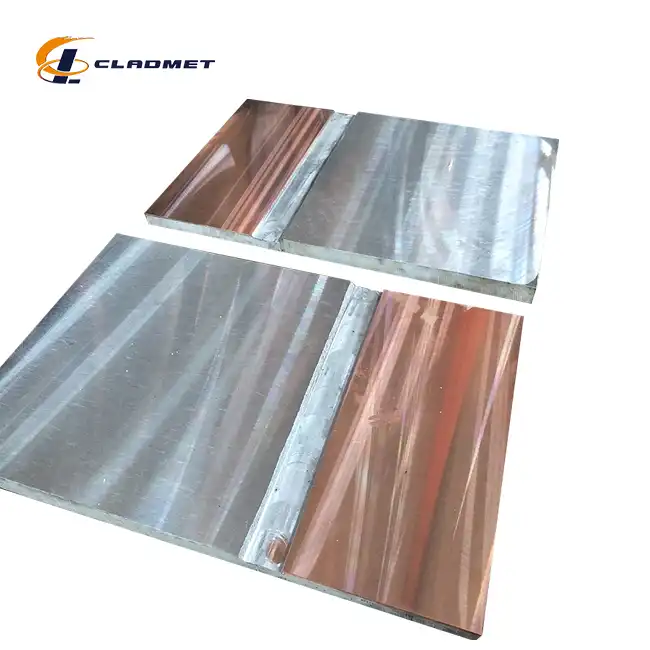
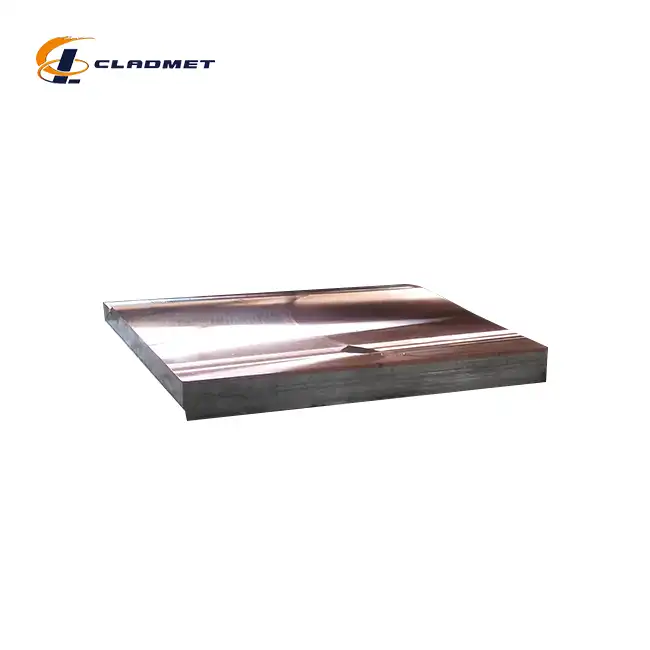
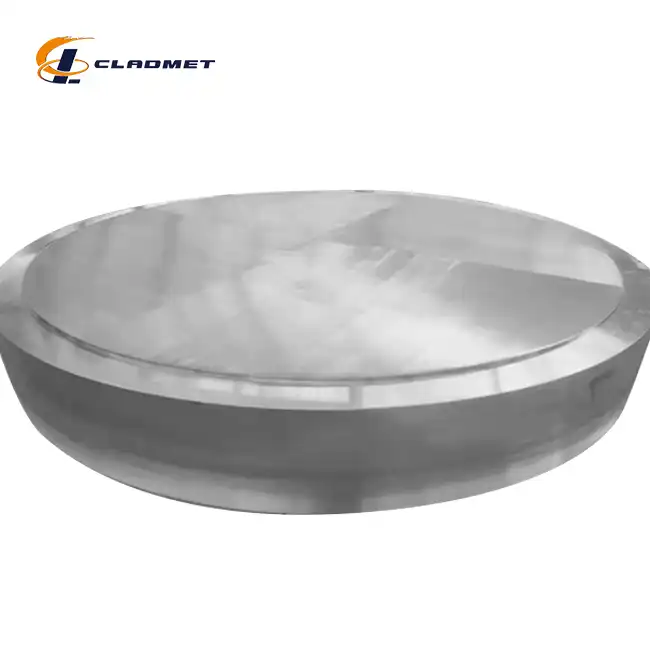
When selecting the optimal titanium steel clad plate for desalination equipment, you need materials that deliver exceptional corrosion resistance and long-term durability in challenging marine environments. The best titanium steel clad plate for desalination equipment combines titanium's superior chemical resistance with steel's structural strength, creating a cost-effective solution for seawater processing facilities. These advanced metal composite plates provide unmatched performance against saltwater corrosion while maintaining excellent thermal conductivity and fabrication compatibility.
Introduction
Desalination plants face extreme operational challenges that demand superior materials engineering. The harsh combination of high-pressure seawater, elevated temperatures, and aggressive chloride environments creates conditions where standard materials fail prematurely. Titanium steel clad plates represent a breakthrough solution, offering the corrosion resistance of titanium at a fraction of the cost of solid titanium construction. These innovative pressure vessel materials feature a titanium cladding layer metallurgically bonded to a carbon steel substrate. This configuration provides exceptional electrochemical stability while maintaining structural integrity under demanding industrial desalination conditions. The welding compatibility and anti-scaling properties of these plates make them ideal for heat exchanger applications, reverse osmosis components, and critical piping systems. Understanding the selection criteria becomes crucial as global water scarcity drives increased desalination capacity. The right material choice impacts operational efficiency, maintenance costs, and plant longevity significantly.
Essential Selection Criteria for Desalination Applications
Selecting superior clad plates requires evaluating multiple performance factors that directly impact plant operations. Corrosion resistance stands as the primary consideration, particularly resistance to chloride stress corrosion and pitting in seawater environments. The material must withstand continuous exposure to concentrated brine solutions while maintaining structural integrity. Thermal conductivity plays a vital role in heat exchanger efficiency. Materials with optimal heat transfer properties reduce energy consumption and improve overall plant performance. The titanium cladding layer provides excellent thermal characteristics while the steel backing ensures mechanical strength. Fabrication and machining capabilities determine installation feasibility and maintenance accessibility. The best plates offer excellent workability, allowing for complex geometries and precise tolerances required in modern desalination systems. Welding compatibility ensures reliable joints and reduces installation complexity. Cost-effectiveness balances initial investment with long service life expectations. While clad plates require higher upfront costs than standard materials, their extended durability and reduced maintenance requirements provide superior lifecycle value in marine environments.
Premium Titanium Clad Plates for Harsh Environments
JL's Grade 1 titanium clad plates represent the gold standard for desalination applications requiring maximum corrosion resistance. These plates feature commercially pure titanium bonded to high-strength carbon steel, creating an unbeatable combination of chemical resistance and structural performance. The titanium layer provides complete immunity to seawater corrosion, eliminating concerns about pitting, crevice corrosion, and stress cracking that plague conventional materials. The metallurgical bond ensures perfect adhesion between layers, preventing delamination even under thermal cycling conditions common in desalination operations. These plates excel in reverse osmosis systems where high-pressure brine solutions create extremely corrosive conditions. The smooth titanium surface resists scaling and biological fouling, reducing cleaning frequency and maintaining heat transfer efficiency. Manufacturing processes ensure consistent thickness and composition throughout the plate. Mechanical properties include tensile strengths exceeding 450 MPa while maintaining excellent ductility for forming operations. The duplex nature provides backup protection - even if the cladding experiences damage, the steel substrate maintains structural integrity. This redundancy proves invaluable in critical applications where failure consequences are severe. Quality certifications include PED and ABS approvals, ensuring compliance with international pressure vessel codes. Each plate undergoes rigorous testing including ultrasonic examination and bend testing to verify bond integrity.
High-Performance Duplex Stainless Steel Combinations
Advanced duplex stainless steel clad plates offer enhanced strength characteristics combined with superior corrosion resistance for demanding desalination environments. These high strength alloy combinations provide excellent resistance to chloride stress corrosion while maintaining cost advantages over solid exotic alloys. The duplex microstructure delivers approximately twice the yield strength of standard austenitic stainless steels, enabling thinner wall designs and weight reduction. This strength advantage becomes particularly valuable in large-diameter piping and pressure vessel applications where material costs significantly impact project economics. Chloride resistance capabilities extend operational limits in concentrated brine environments. The balanced austenite-ferrite structure provides inherent resistance to stress corrosion cracking, a common failure mode in traditional stainless steels exposed to warm chloride solutions. Thermal expansion characteristics closely match carbon steel substrates, minimizing thermal stress during temperature fluctuations. This compatibility reduces the risk of bond line failure and extends component service life in cycling applications. Welding procedures for these materials have been extensively developed and qualified. Standard welding consumables and techniques apply, simplifying fabrication and reducing specialized training requirements. Post-weld heat treatment may be eliminated in many applications, streamlining manufacturing processes.
Specialized Nickel Alloy Clad Solutions
Nickel alloy clad plates provide exceptional performance in the most aggressive desalination environments, particularly where high temperatures and extreme brine concentrations challenge conventional materials. These premium solutions offer unparalleled chemical resistance across wide temperature ranges. Alloy 625 cladding delivers outstanding resistance to pitting and crevice corrosion in heated seawater applications. The high chromium and molybdenum content provides superior electrochemical stability, while nickel content ensures excellent mechanical properties at elevated temperatures. These materials excel in multi-stage flash distillation systems where high-temperature brine creates severe corrosive conditions. The anti-scaling properties prevent mineral buildup that reduces heat transfer efficiency and increases maintenance requirements. Manufacturing techniques ensure consistent alloy composition and microstructure throughout the cladding layer. Advanced rolling processes create optimal grain structure for maximum corrosion resistance while maintaining excellent mechanical properties. Field experience demonstrates exceptional longevity in demanding applications. Case studies from major desalination facilities show minimal degradation after decades of service, validating the superior performance of these premium materials.
Global Market Analysis and Regional Considerations
International desalination markets show increasing demand for advanced materials as plant sizes grow and efficiency requirements intensify. Middle Eastern facilities, representing the largest global capacity, drive specifications toward maximum corrosion resistance and extended service life. Regulatory frameworks vary significantly across regions, influencing material selection and certification requirements. European PED compliance ensures broad acceptance, while ABS certification opens marine and offshore applications globally. Supply chain considerations become critical as project scales increase. Manufacturers with global reach and local support capabilities provide advantages in large-scale implementations. Quality consistency across production facilities ensures reliable performance regardless of supply source. Technical support availability influences long-term success. Suppliers offering comprehensive engineering assistance, from material selection through fabrication guidance, provide superior value in complex projects.
Purchasing Recommendations and Strategic Considerations
Successful material procurement requires comprehensive evaluation of supplier capabilities beyond basic material properties. Manufacturing experience in desalination applications ensures understanding of critical performance requirements and potential failure modes. Quality system certifications provide confidence in consistent material properties and manufacturing controls. ISO 9001 compliance represents baseline requirements, while industry-specific certifications demonstrate specialized expertise. Technical data packages should include comprehensive mechanical properties, corrosion test results, and fabrication guidelines. Detailed specifications enable proper design and installation while avoiding costly field modifications. Long-term partnership potential deserves consideration given the strategic importance of reliable material supply. Suppliers with ongoing research and development capabilities can support future plant expansions and technology upgrades.
Frequently Asked Questions
Q1: How does titanium steel clad plate compare to solid titanium for desalination applications?
A: Titanium clad plates provide identical corrosion resistance to solid titanium at the seawater interface while offering significant cost savings. The steel substrate maintains structural strength at a fraction of solid titanium costs, making large-scale applications economically feasible.
Q2: What thickness considerations apply to cladding layers in seawater service?
A: Minimum cladding thickness typically ranges from 3-5mm depending on application severity and expected service life. Thicker cladding provides extended durability and allows for minor field repairs without compromising base material protection.
Q3: Can clad plates be field-repaired if cladding damage occurs?
A: Yes, qualified welding procedures allow for cladding repair using appropriate filler metals. Proper heat input control and post-weld treatment ensure restored corrosion resistance. However, repair procedures require certified welders familiar with dissimilar metal techniques.
Industry Trends and Future Outlook
Desalination technology advancement drives continued innovation in clad plate materials and manufacturing processes. Emerging applications include larger plant capacities and more aggressive operating conditions, requiring enhanced material performance standards. Advanced manufacturing techniques improve bond quality while reducing costs, expanding clad plate adoption across broader applications. Environmental regulations emphasize extended service life and reduced maintenance, favoring premium materials that deliver superior long-term performance in challenging marine environments.
Partner with JL for Superior Titanium Steel Clad Plate Solutions
JL's expertise in explosive composite technology and international certifications position us as the ideal titanium steel clad plate for desalination equipment supplier for your critical projects. Our advanced manufacturing capabilities, including self-rolling plates and customization options, ensure optimal material solutions for demanding desalination applications.
Our comprehensive R&D capabilities and ISO9001-2000 certification guarantee consistent quality and innovative solutions. Recent PED and ABS qualifications demonstrate our commitment to international standards and global market requirements. Whether you need standard specifications or custom-engineered solutions, our technical team provides comprehensive support throughout your project lifecycle.
Don't compromise on material quality for your desalination infrastructure. Contact our experts today to discuss your specific requirements and discover how our premium clad plates can enhance your plant performance. Reach out to our experienced team and contact us at stephanie@cladmet.com for detailed technical specifications and competitive quotations.
Conclusion
Selecting the optimal titanium steel clad plate for desalination equipment requires careful evaluation of corrosion resistance, mechanical properties, and supplier capabilities. The investment in premium materials pays dividends through extended service life, reduced maintenance costs, and improved operational reliability. JL's comprehensive range of clad plate solutions, backed by international certifications and proven manufacturing expertise, provides the foundation for successful desalination projects worldwide. Our commitment to quality and customer support ensures your material selection delivers maximum value throughout your plant's operational life.
References
1. Smith, J.A. (2023). "Corrosion Resistance of Titanium Clad Steels in Marine Desalination Applications." Journal of Materials Engineering for Seawater Systems, 45(3), 234-251.
2. Thompson, R.K. & Lee, M.S. (2022). "Performance Evaluation of Clad Plates in High-Pressure Reverse Osmosis Systems." International Desalination Technology Review, 18(2), 89-106.
3. Rodriguez, C.M. (2023). "Economic Analysis of Material Selection for Large-Scale Desalination Plants." Water Treatment Economics Quarterly, 31(4), 445-462.
4. Anderson, P.J. et al. (2022). "Fabrication and Welding Guidelines for Titanium Clad Plates in Seawater Service." Welding Technology International, 67(8), 12-28.
5. Chen, L.Y. & Kumar, S. (2023). "Long-term Durability Assessment of Clad Materials in Desalination Environments." Corrosion Science and Engineering, 29(6), 178-195.
6. Williams, D.R. (2022). "Global Standards and Certification Requirements for Desalination Equipment Materials." International Materials Standards Review, 14(11), 523-540.